
Clearing homes in and around Lusk
The centre of Lusk is the round tower and the medieval belfry beside it, now a heritage centre, with the church, the shops and the older houses gathered around them. The village streets have a mix of older two-storey houses, cottages and bungalows, and the Dublin Road leads south out of the village towards Blake’s Cross and the M1.
Around the village the land is farmed and under glass, part of the market-garden belt that runs across north Fingal from Rush to Balbriggan, and the roads out of Lusk are lined with farmhouses, bungalows and the yards, sheds and barns that go with them. Many of those houses have been in one family for generations.
The estates came with the commuters. Chapel Farm, Ballough and the schemes on the edges of the village were built through the 2000s, mostly three- and four-bed semi-detached and detached houses with driveways and gardens, with the station at Rush and Lusk a short drive away. Those houses change hands more often, and the job is usually a move rather than a lifetime.
What we clear in Lusk
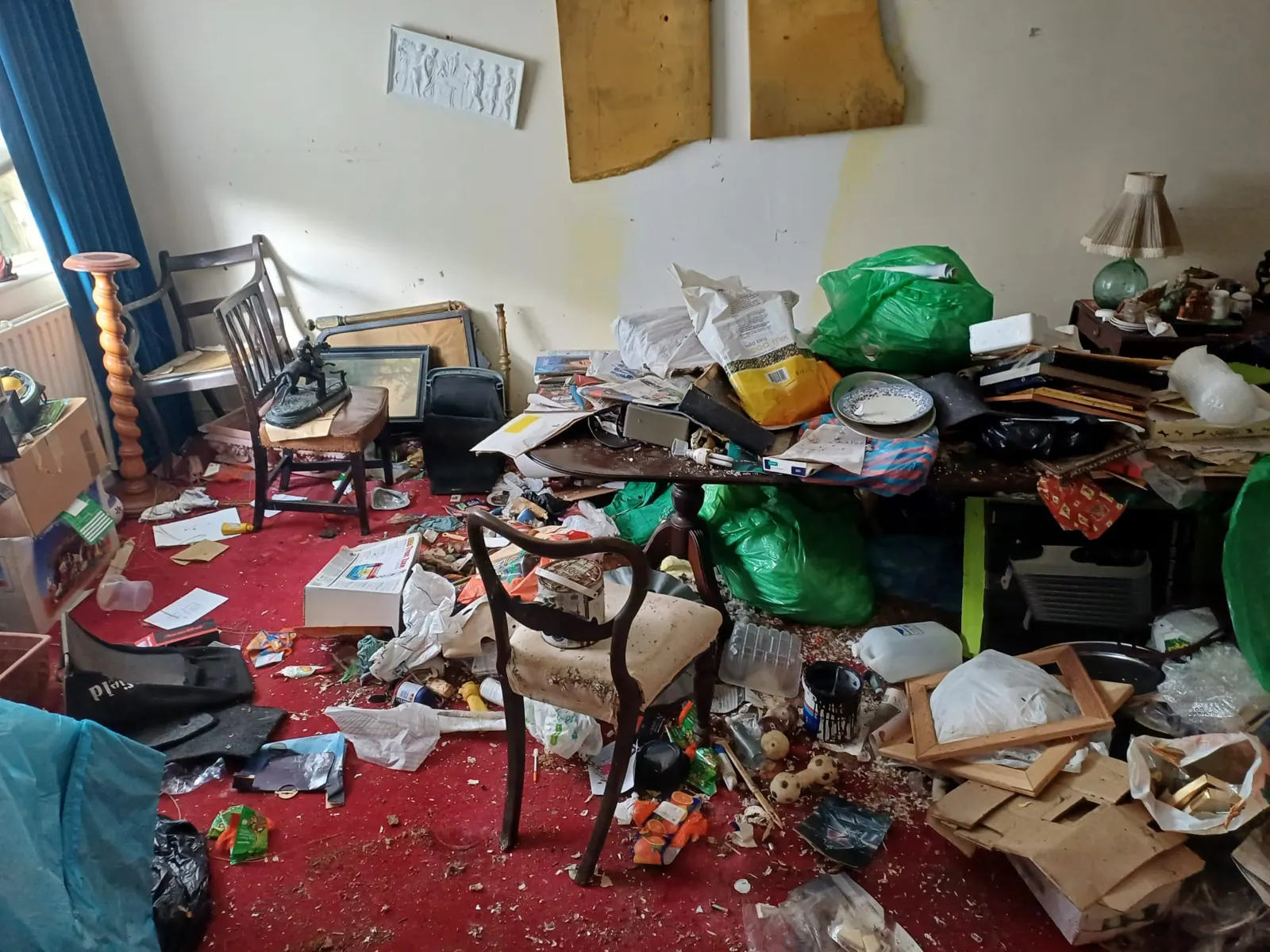
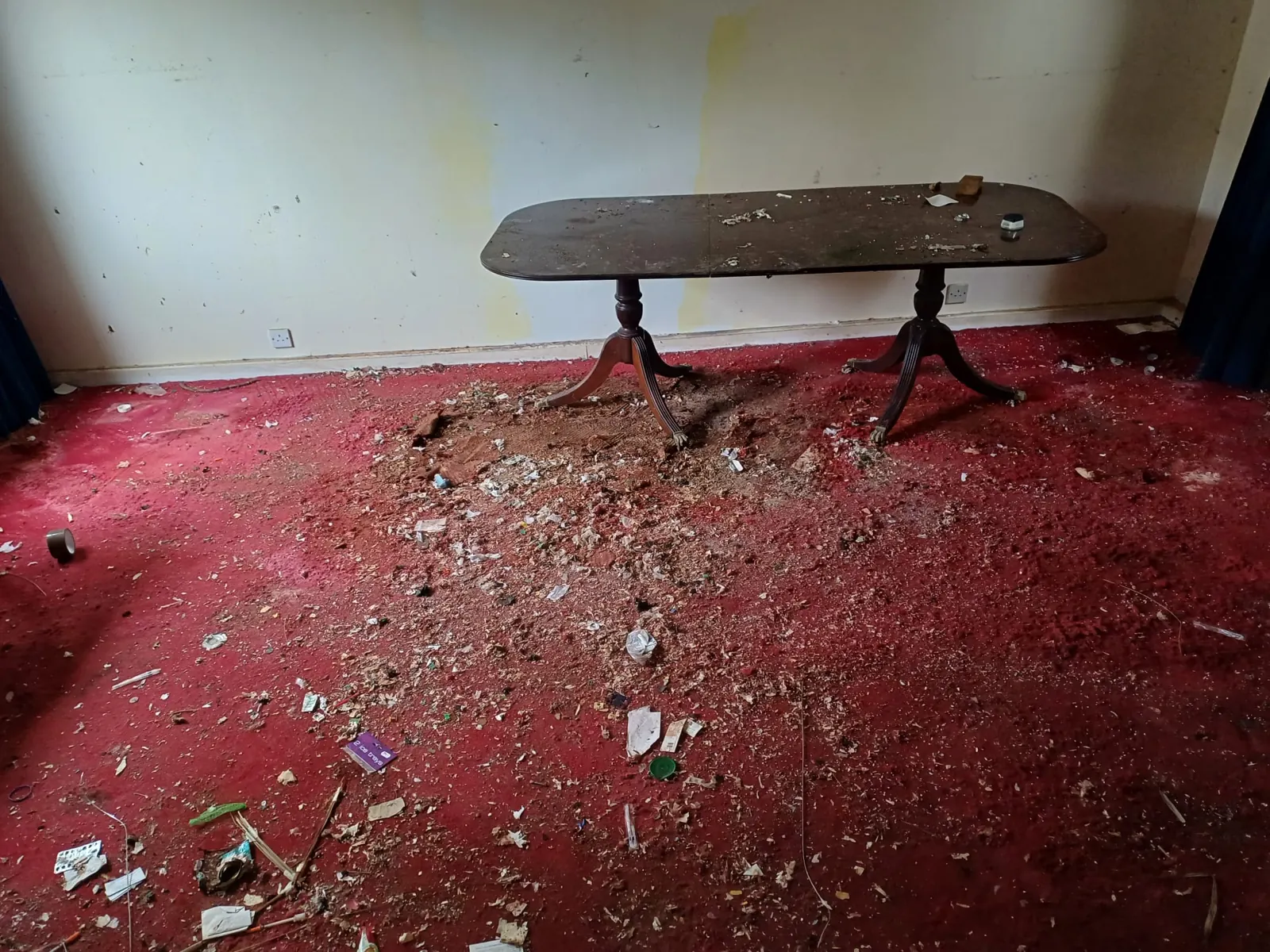
- Farmhouses and their yards, the house in full plus sheds, stores and barns, usually after a death or when the land is being sold. Our house clearance page explains how we approach a job with several buildings.
- Sheds, garages and outbuildings on their own. See shed clearance for what goes in the van and what needs a word first.
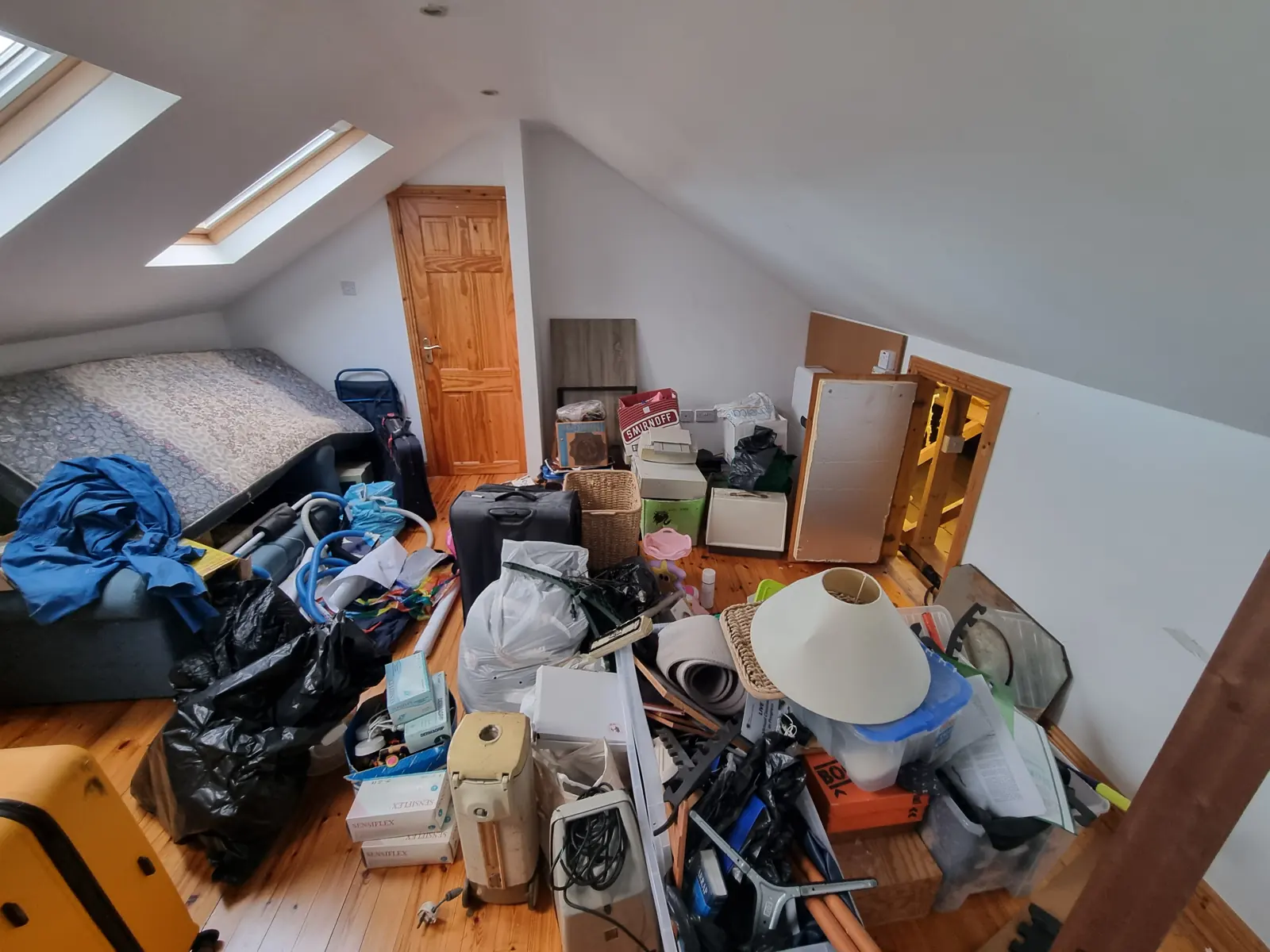
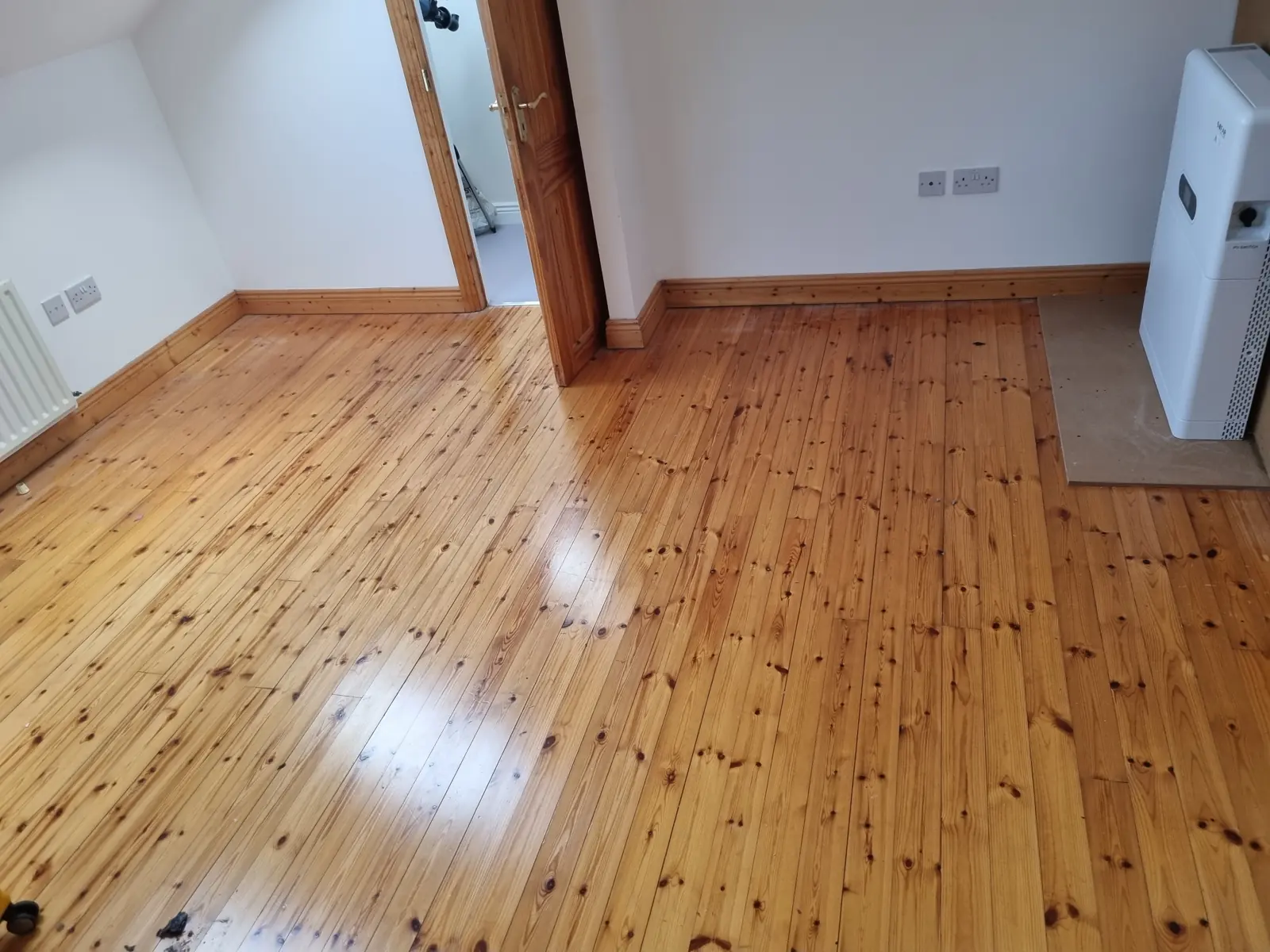
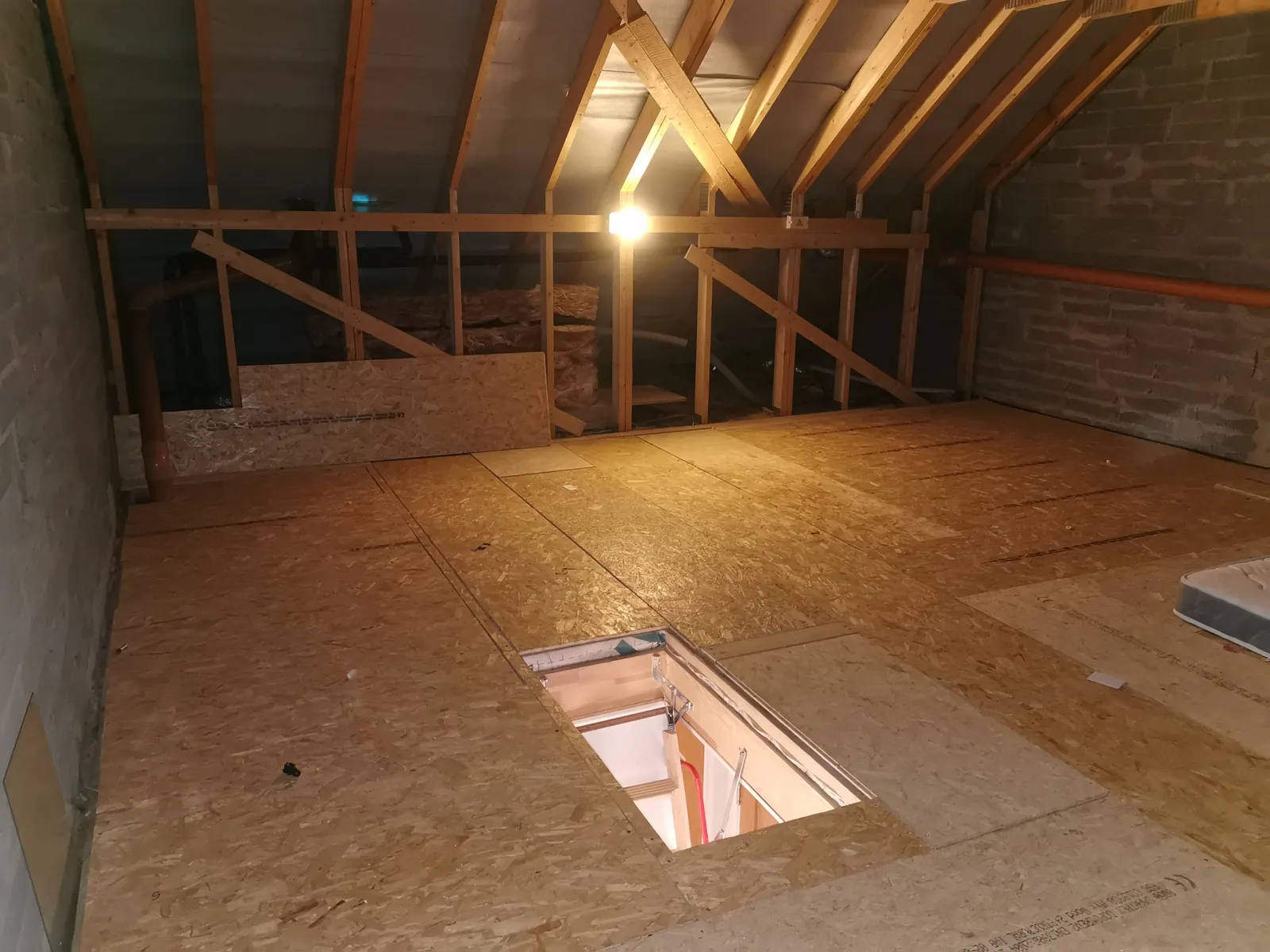
- Attics in the estate houses, full of the boxes that never got unpacked after the move in. Our attic clearance page covers how we get it down.
- Bereavement clearances at the family’s pace, with personal papers and photographs set aside before anything is lifted.
- Move-out clear outs in Chapel Farm and Ballough once the removal lorry has left.
Anything with life left in it is kept for reuse or donation where we can place it, recyclables are separated, and the remainder goes to a licensed waste transfer station under our Waste Collection Permit. Soil, rubble and green waste are not part of a standard load, so flag them when you send photos, and we do not collect paint, solvents, oils or chemicals. If you want to know what the permit actually covers, there is a plain explainer on waste collection permits.
Lanes, yards and the drive up
In Chapel Farm and Ballough the van goes on the driveway and the side gate opens on to the garden and the garage, so the carrying is short and the job moves quickly. The estate roads are wide enough and the cul-de-sacs turn a box van.
The farmhouses need more thought. Gateways built for tractors, long gravel drives, a yard that may be soft after rain and sheds with low doors all shape how we load, so we ask for photos of the entrance and each building, not just the rooms. If the yard will not take the van we park at the gate and carry.
From our Dublin base the drive is the M1 to the Lusk exit, which is as direct as it gets, and the travel is in the quote. The Dublin Road through the village is quiet most of the day, and school times are the only thing we plan around.
Why people in Lusk call us
A farmhouse clearance is where a crew earns its keep. The house alone may fill a van, the sheds fill another, and nothing about it is a one-skip job or a weekend’s work for a family that lives in Dublin or further away. We do the lifting, sort what can be reused or recycled as it comes out, and come back for the second load if there is one. Our guide to how to clear a house after a bereavement covers the order to do things in when the house belonged to a parent.
For the estate houses we work to the moving date, and for landlords with a house let near the village, to the start of the next tenancy. Because we load, sort and dispose under our own Waste Collection Permit, there is one company to deal with and a clear answer to where everything went.
We are fully insured and work six days a week. From Lusk we cover Rush and Skerries on the coast and Swords and Donabate to the south, often on the one run.