
Clearing homes in Bray
Bray grew up as a Victorian resort when the railway arrived, and the seafront still shows it: tall terraces along Strand Road and the Esplanade, many long since split into flats and bedsits, with the hotels and guesthouses in between. Behind them, Quinsborough Road and the streets off Main Street are older two-storey terraces and shops with flats above. On the Dublin side, across the Dargle, is Little Bray.
The estates came in the 20th century. Fassaroe, west of the N11, is largely local-authority housing from the 1970s onward; Ballywaltrim, on the southern side towards Greystones, is semi-detached and terraced estates of the same era; and Old Conna, on the Dublin side, has newer housing on larger sites. Bray Head stands over all of it.
For us that means everything from a single bedsit on the seafront to a five-bed on the Killarney Road, and a lot of landlord work in between. The roads between Main Street and the sea, such as the Vevay and the Meath Road, are a mix of Victorian villas and mid-century houses, many still with the original family or their children in them.

What we clear in Bray
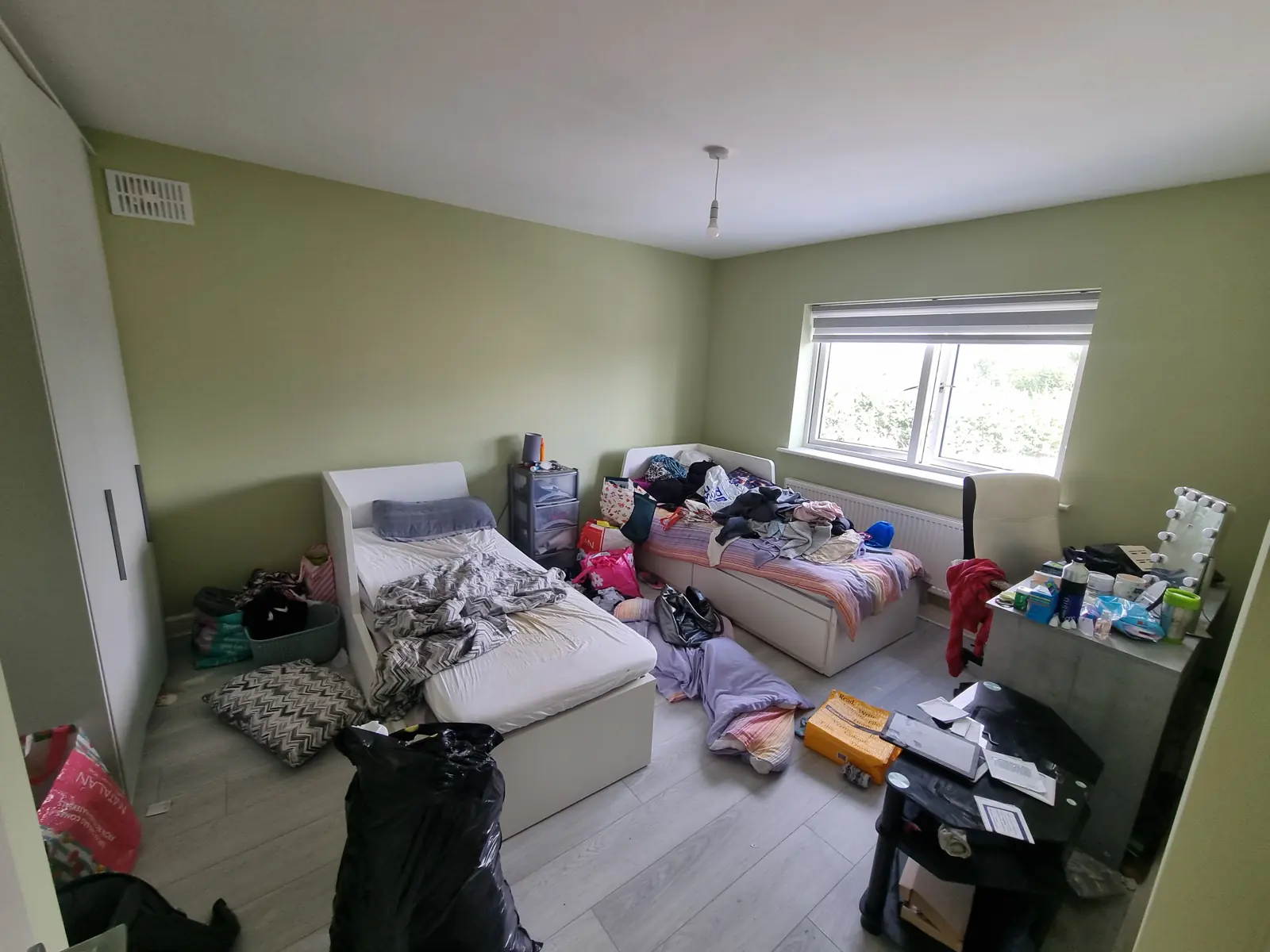
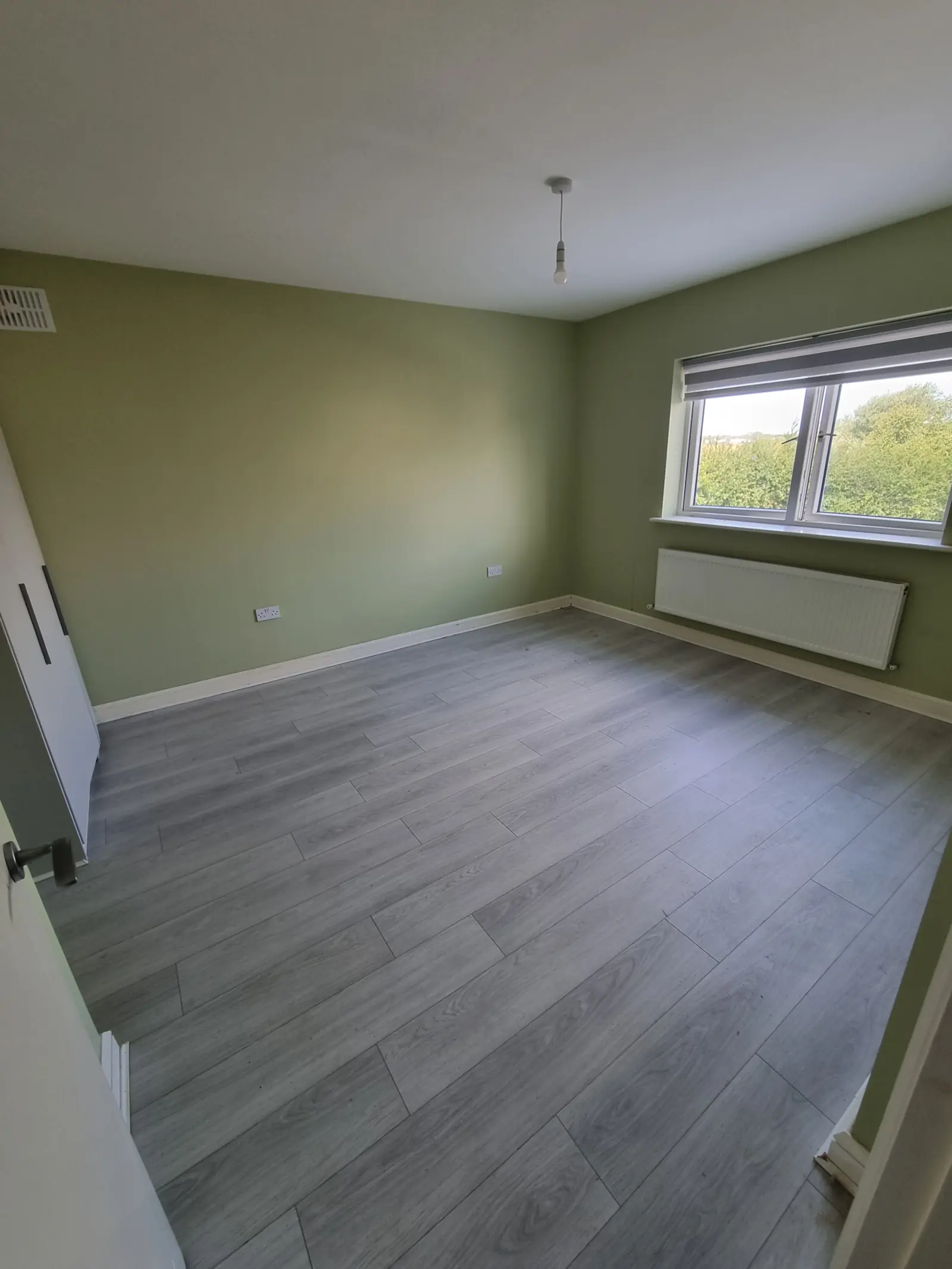
- Flats and bedsits in the converted seafront houses, often three or four floors up with no lift and a narrow return stairs. Beds, wardrobes, cookers and whatever the last tenant left.
- Family homes in Ballywaltrim, Fassaroe, Old Conna and along the Vevay and Killarney roads, being cleared for sale or after a death. Our bereavement clearance page explains how we handle the personal side.
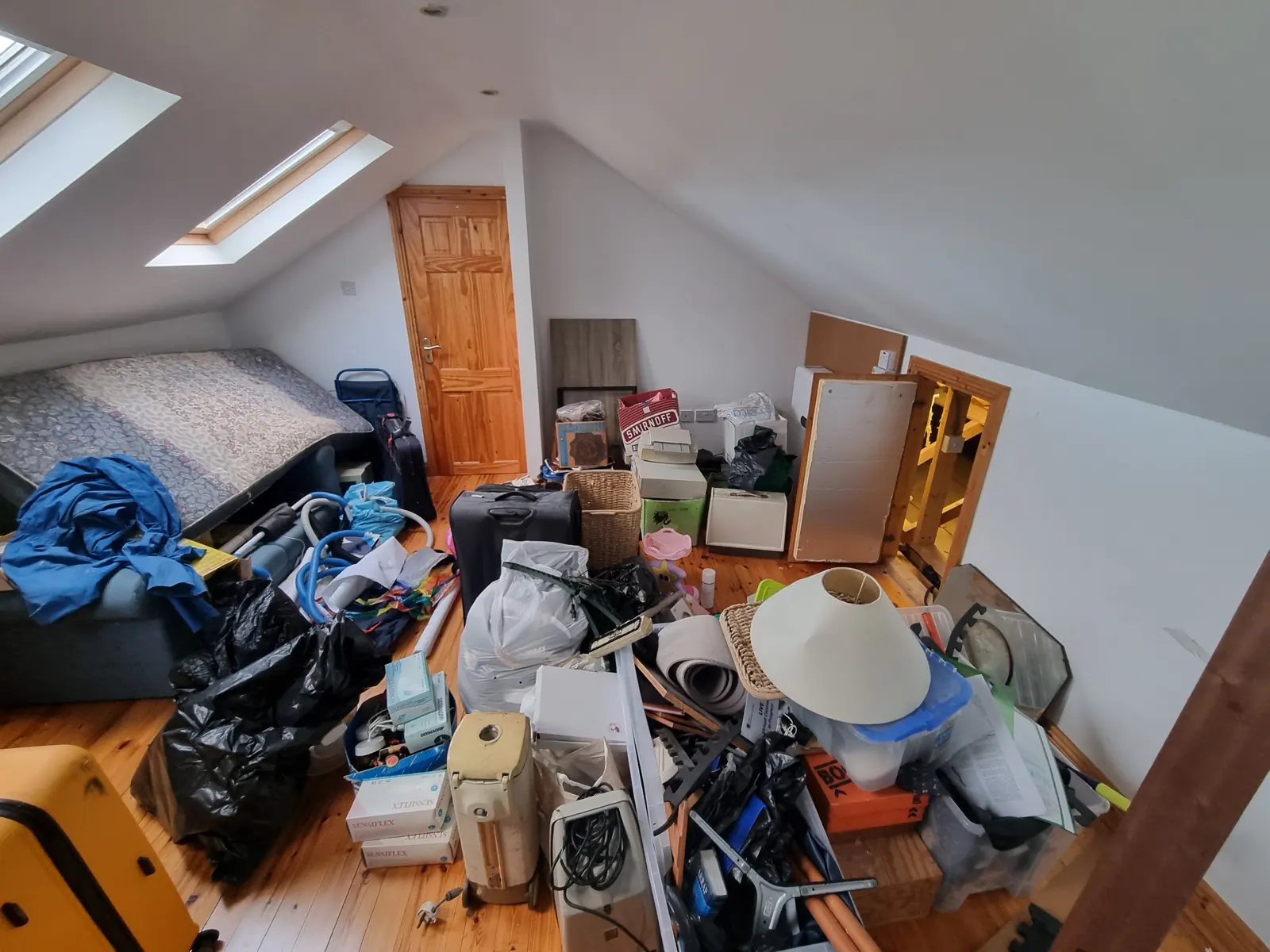
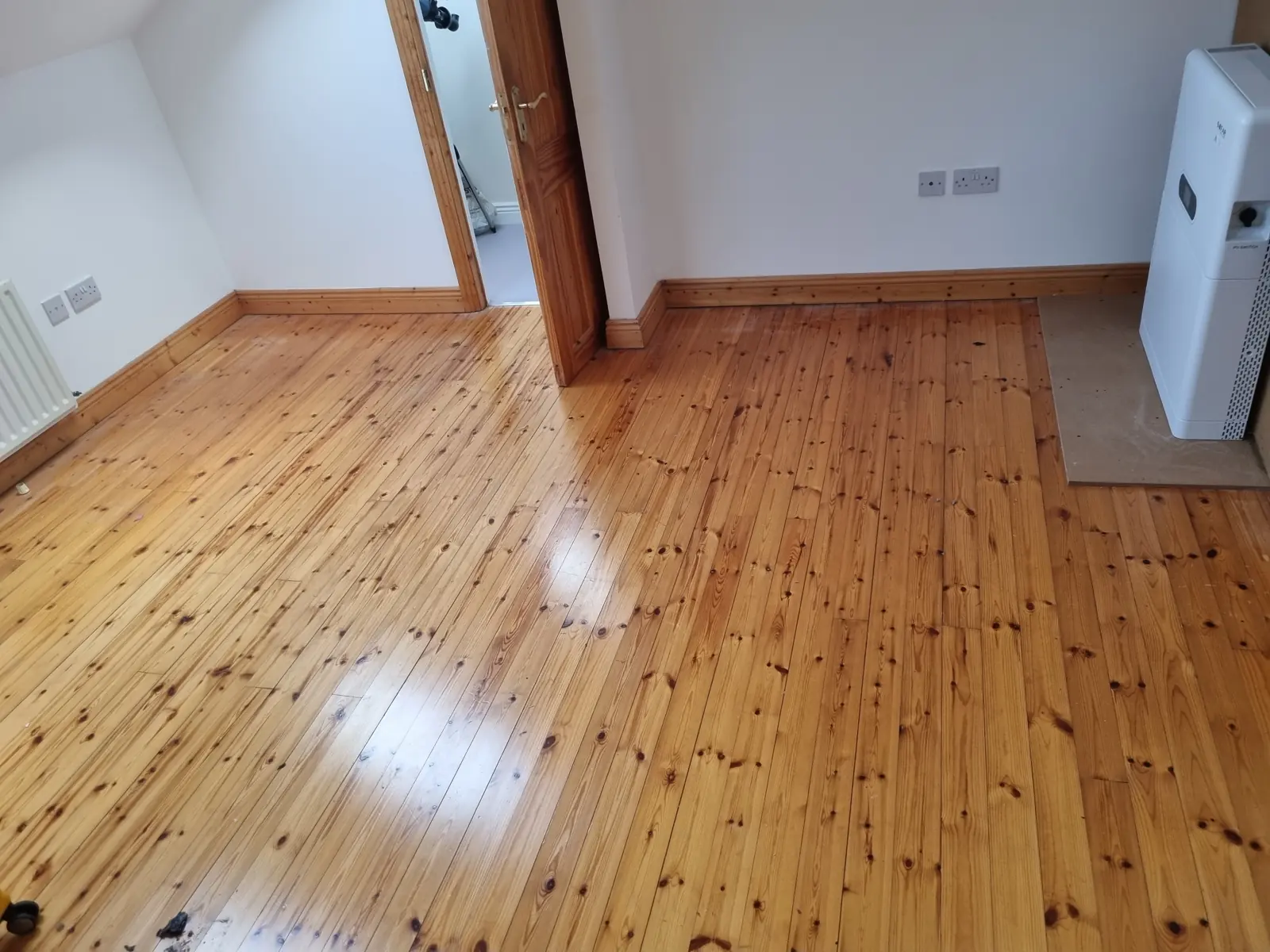
- Attics in the period houses, which tend to be proper rooms with decades of boxes rather than a crawl space. Read our attic clearance guide for what to expect.
- Furniture removal: single heavy pieces that will not go down a Victorian stairs in one piece. We dismantle on the landing where needed.
- Garages, sheds and garden rooms in the estates, cleared as standalone jobs.
If you are a landlord with a property to turn around, this practical landlord guide to end-of-tenancy clearance is worth a read.
Access, parking and the practical bits
The seafront is the tricky bit. Strand Road is pay-and-display and busy on any fine day, and the terraces have no driveways, so the van sits outside with hazards on and we carry down the stairs by hand. We prefer weekday mornings here, and if the house has a rear lane or a side passage, tell us.
Main Street and Quinsborough Road are similar; a loading bay or a quiet side street usually solves it. In Fassaroe, Ballywaltrim and Old Conna it is driveway or kerbside parking and a side gate, which is as easy as it gets.
We come down the N11 and M11 from our Dublin base, so a Bray job is no further for us than much of south Dublin, and taking a loaded van back to a licensed transfer station is simple. The Dargle bridge and Main Street are the pinch points for a loaded van at rush hour, so we time those runs around them.
Why people in Bray call us
Bray has a lot of rented property, a lot of older residents who have been in the same house since the 1960s, and a lot of family members in Dublin or further away trying to sort a house out from a distance. Those are the people who ring us. A two-person crew and a box van means one company does the carrying, the sorting and the disposal, under a waste collection permit, with nothing left for you to bring to the recycling centre.
Furniture and household goods in decent condition are kept for reuse or donation, metals and recyclables are pulled out separately, and genuine waste goes to a licensed transfer station. We sweep the rooms before we go; if a flat needs a proper clean before reletting, that is a separate trade and we will say so. A boot-load at a time to the recycling centre is a dozen runs for an average house, and a van clears it in one.
We also cover Enniskerry up the hill, Greystones and Kilmacanogue to the south, and the Dublin side through Killiney and Dalkey.