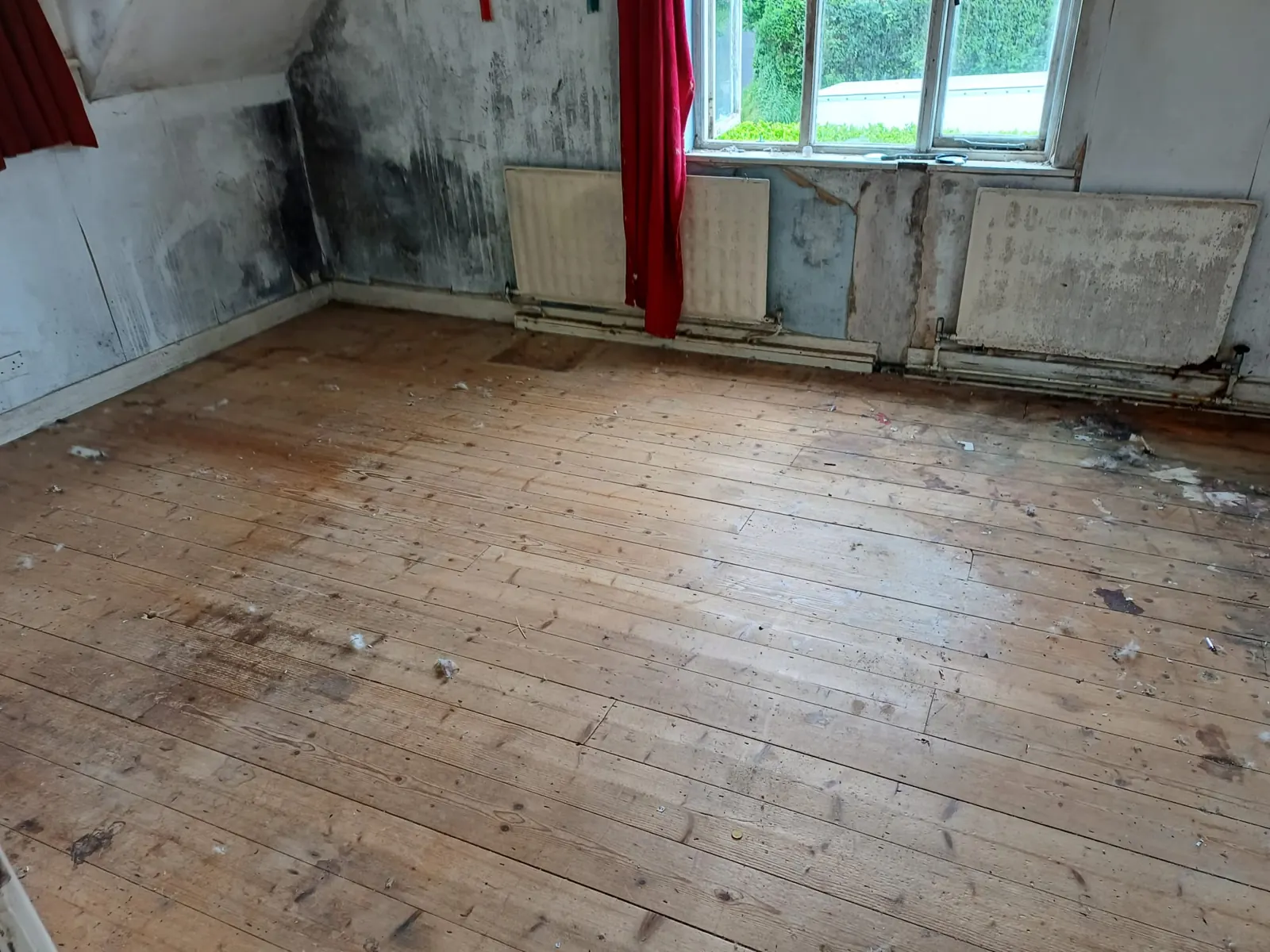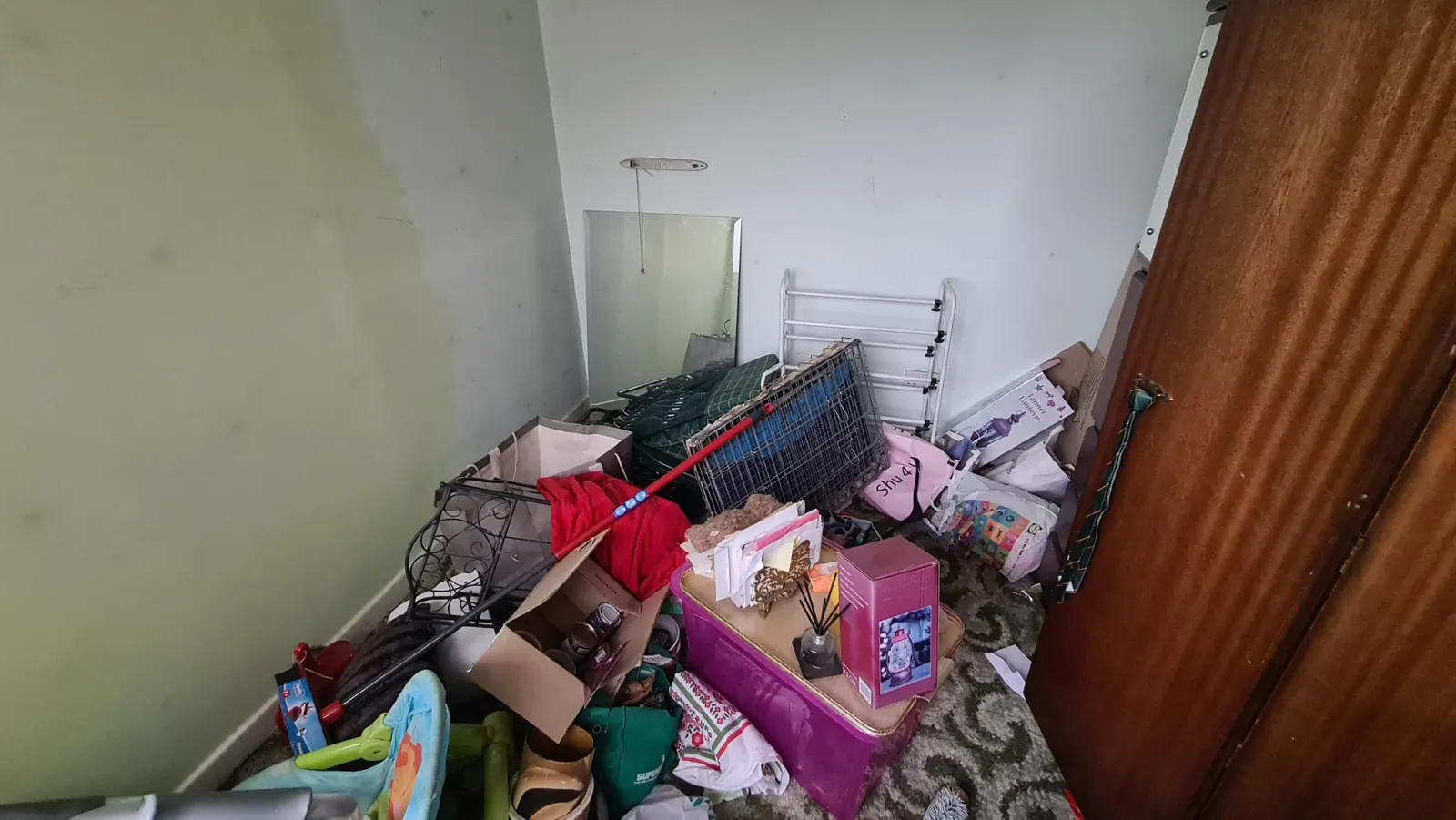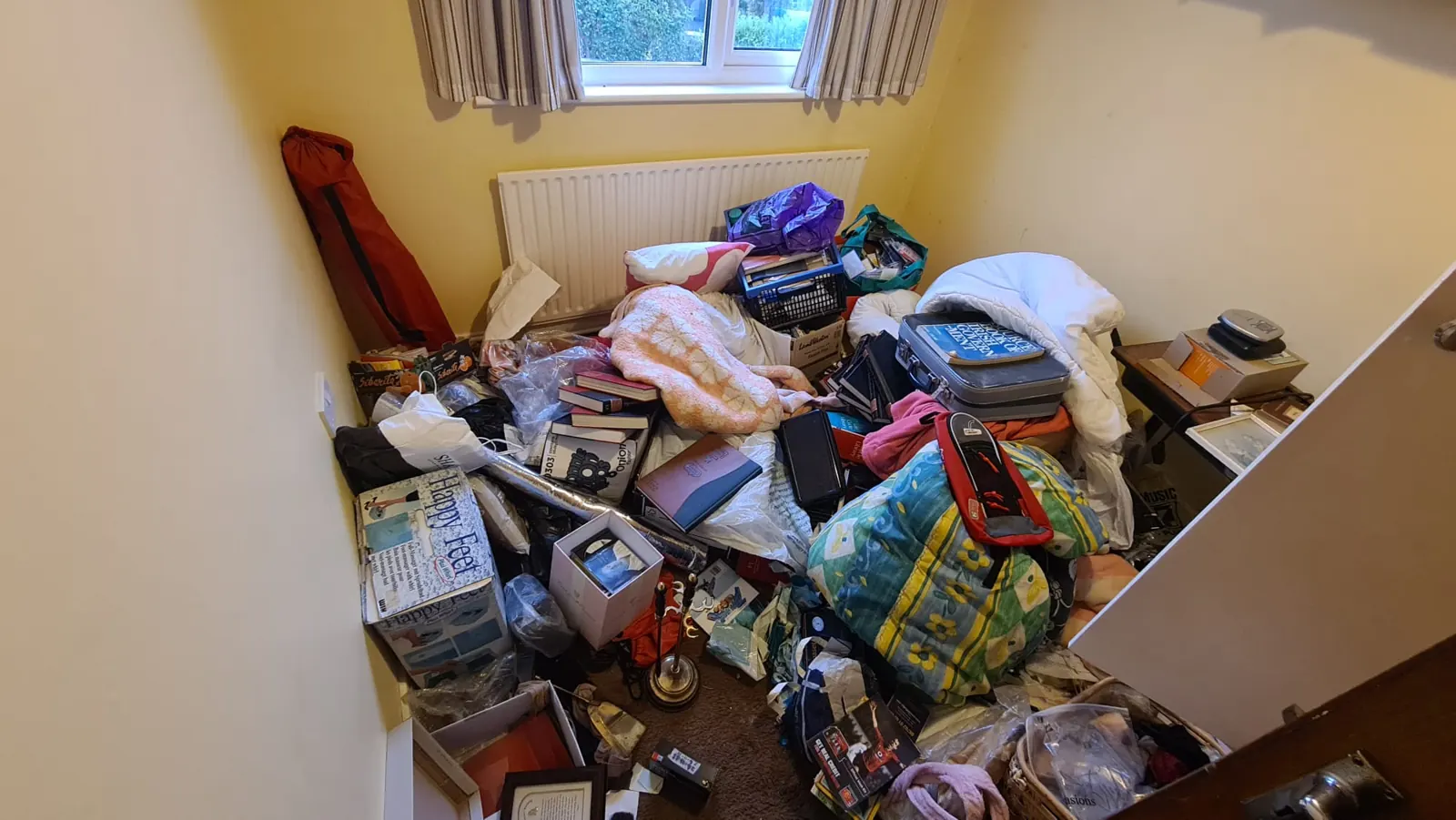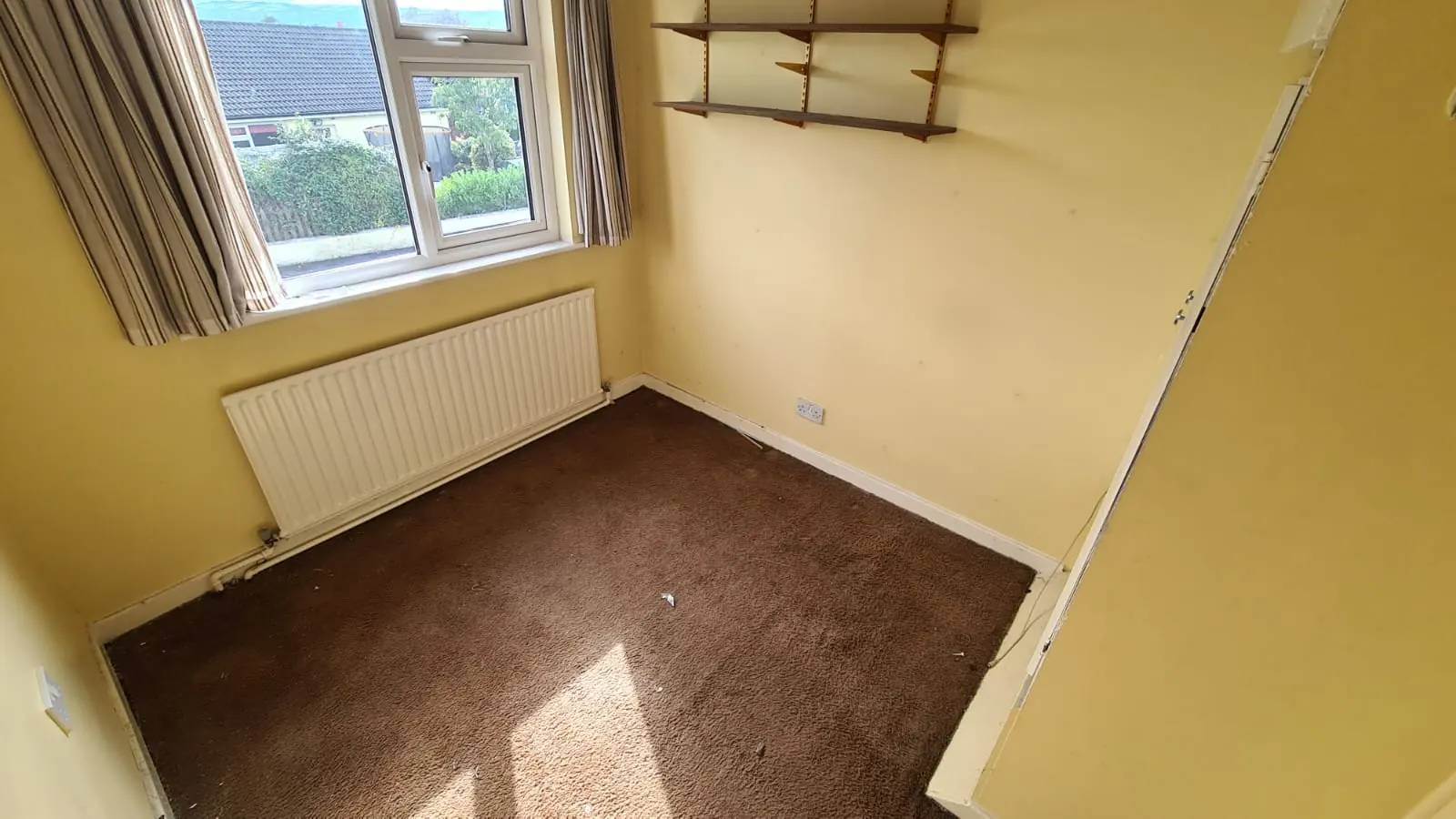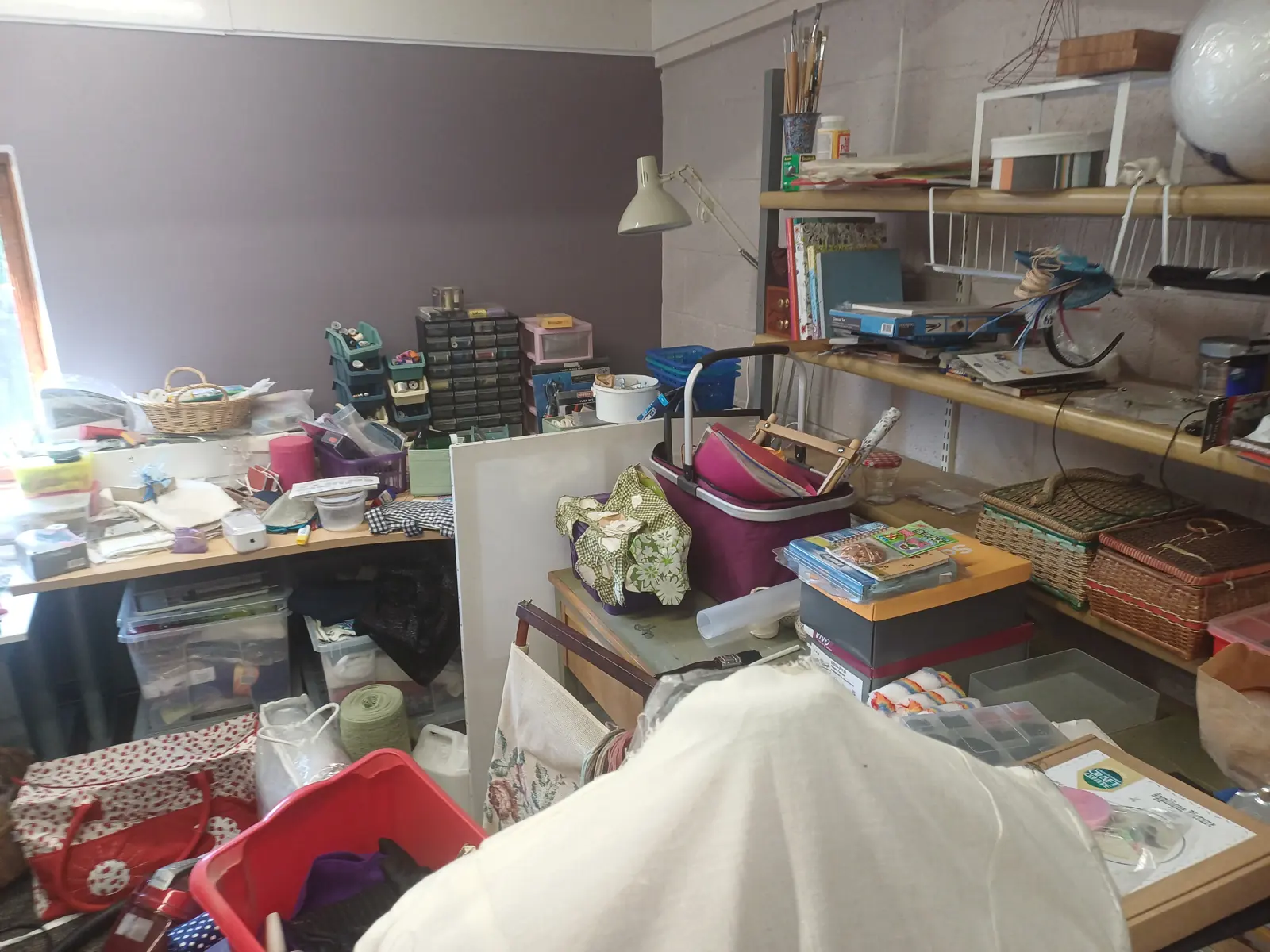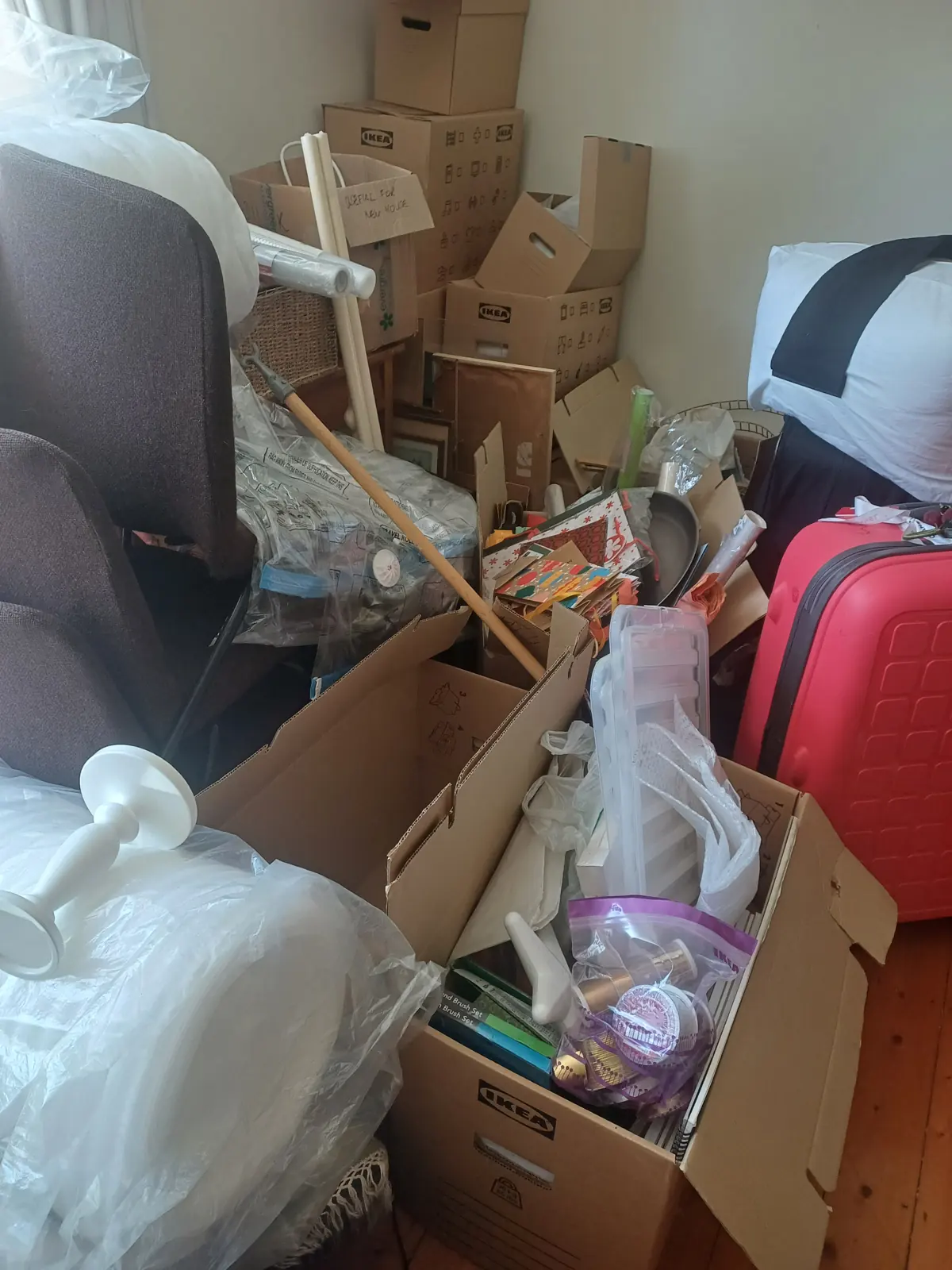
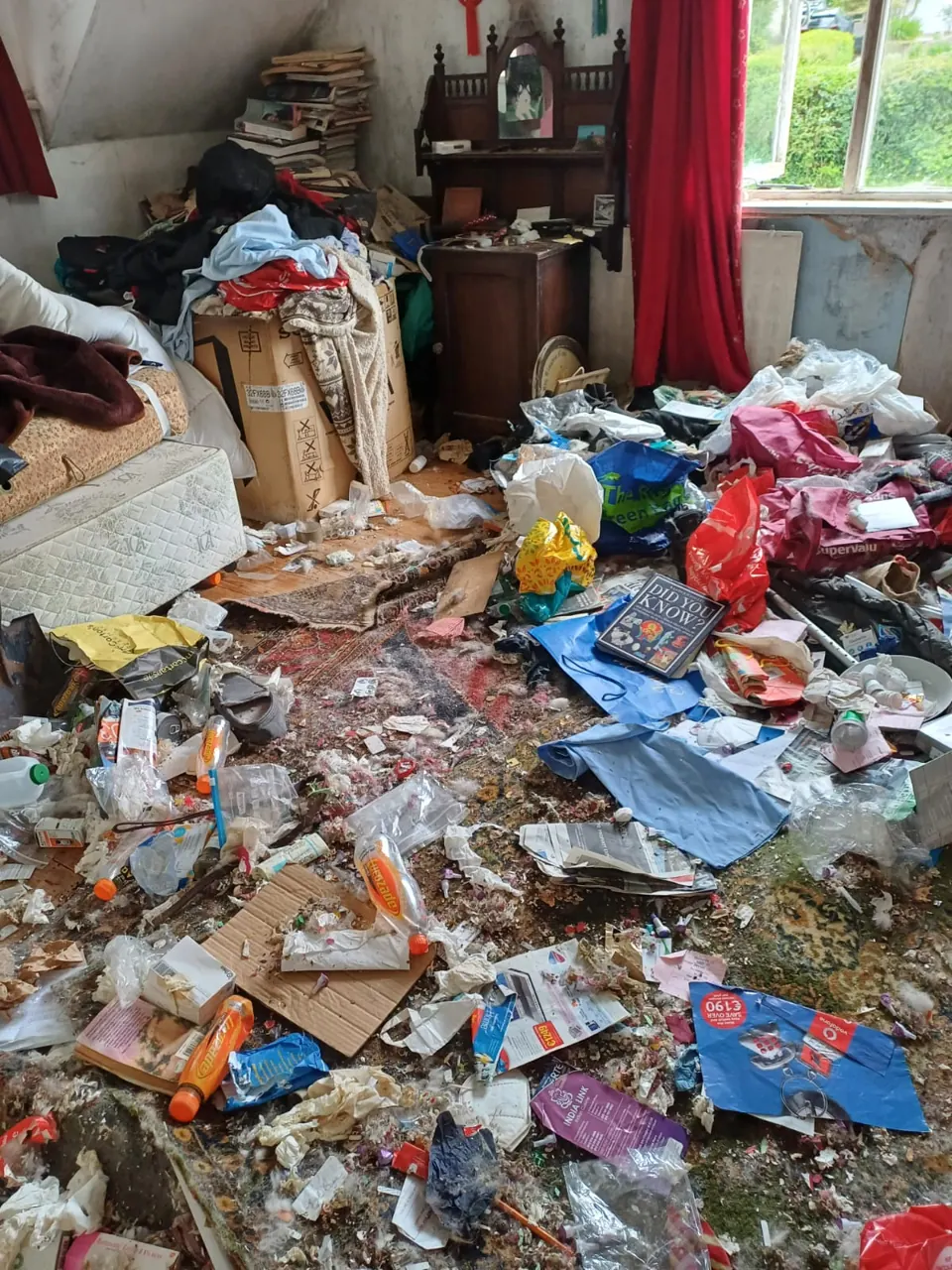
How we approach a hoarded home
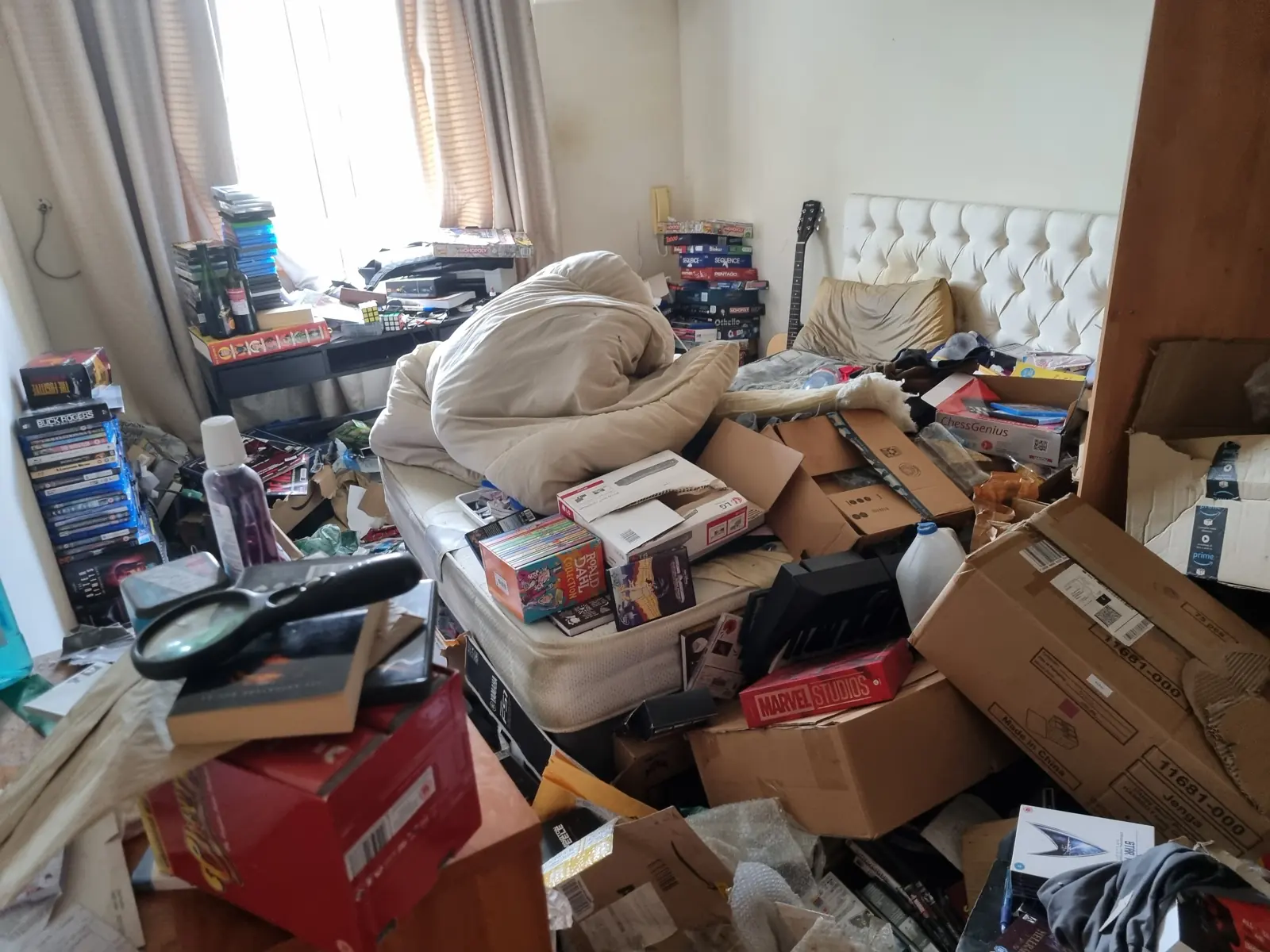
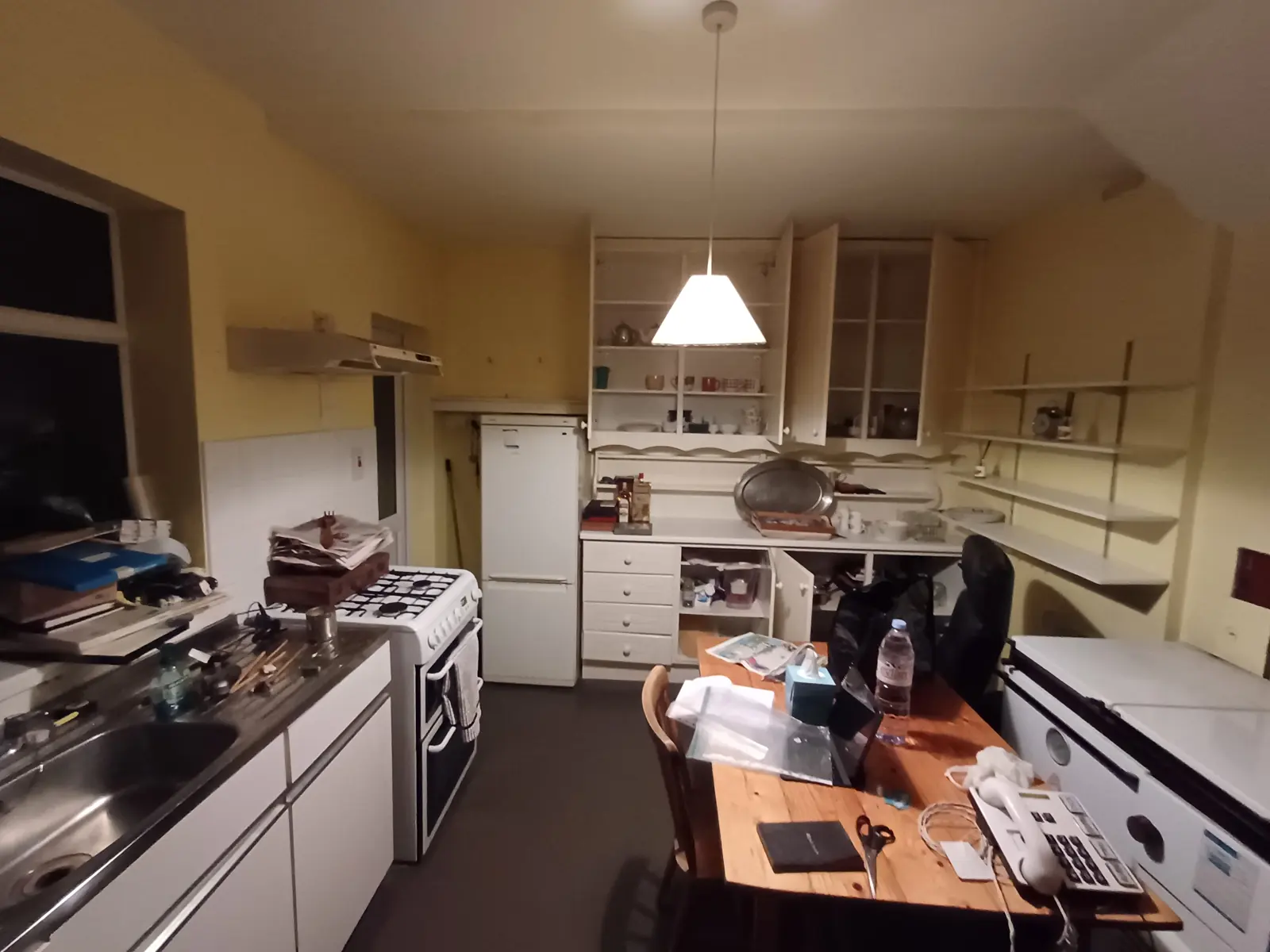
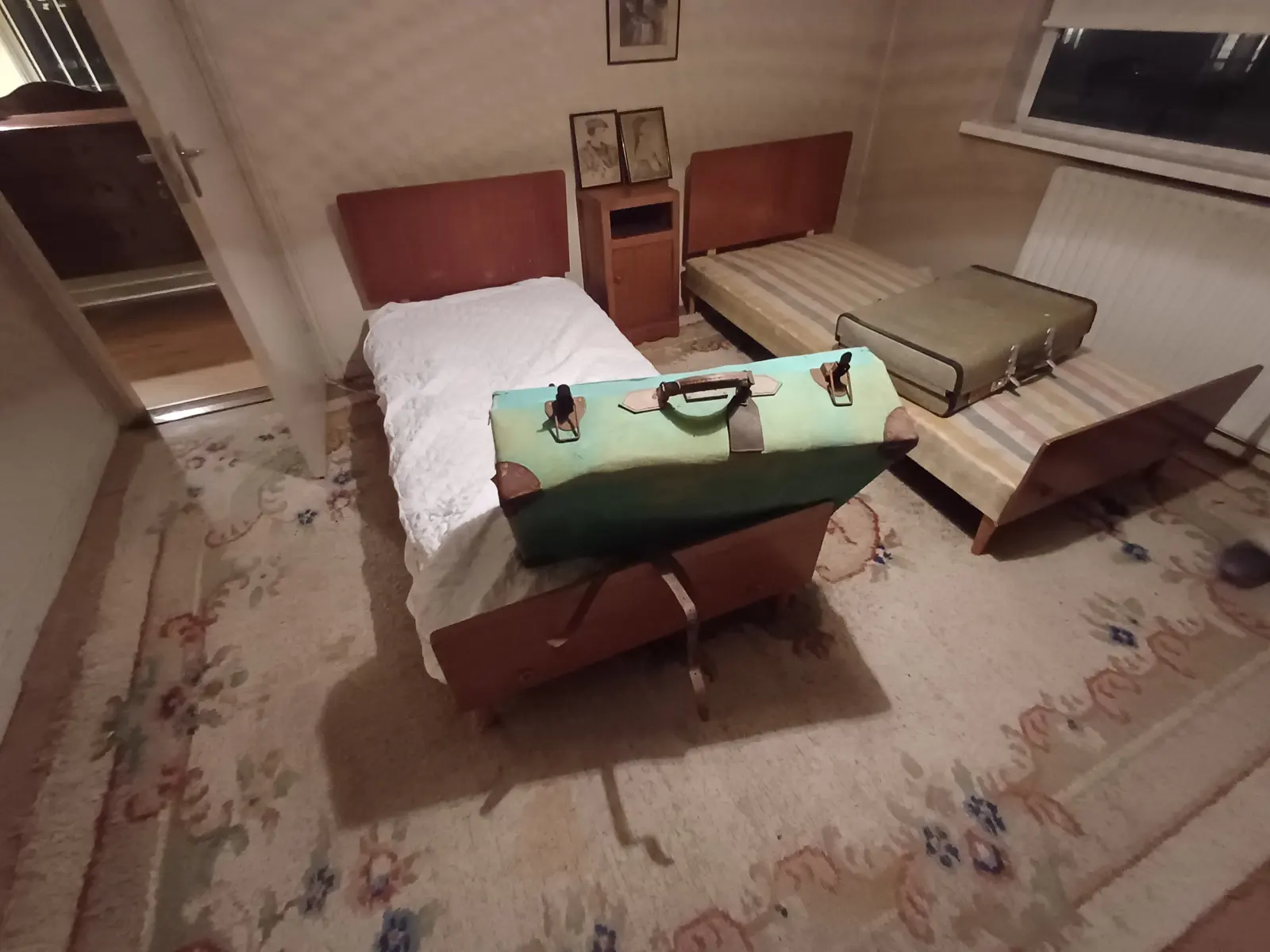
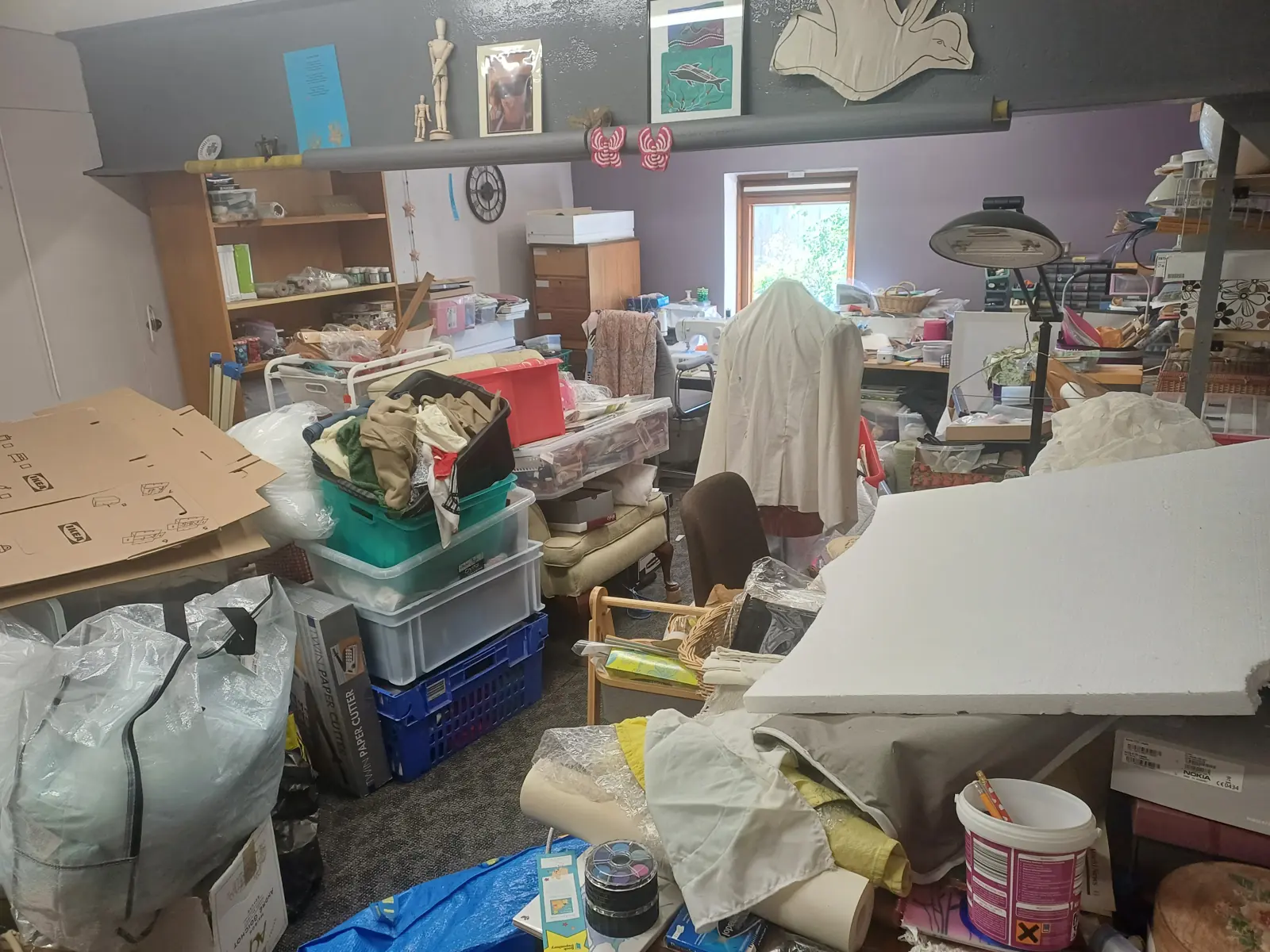
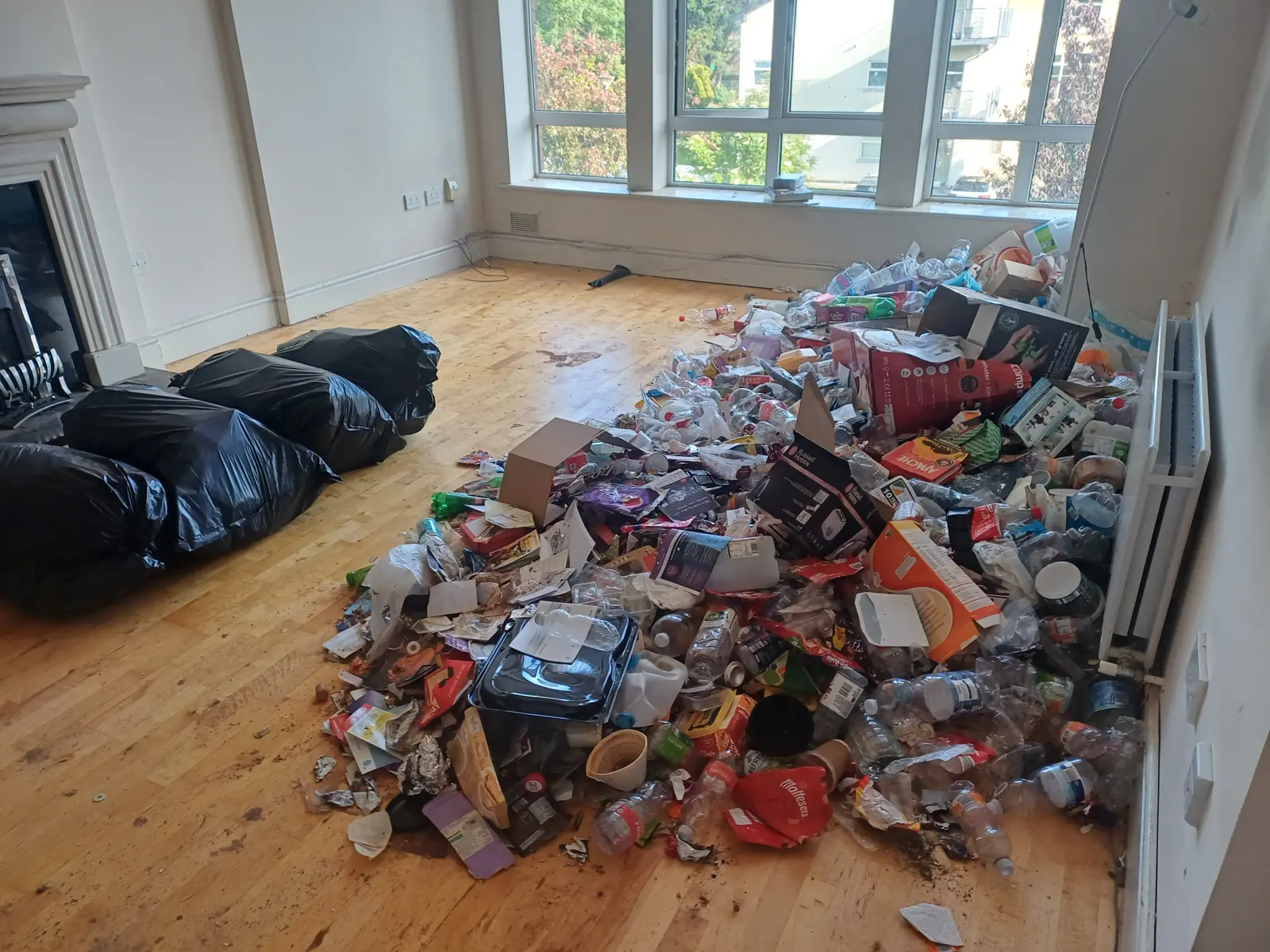
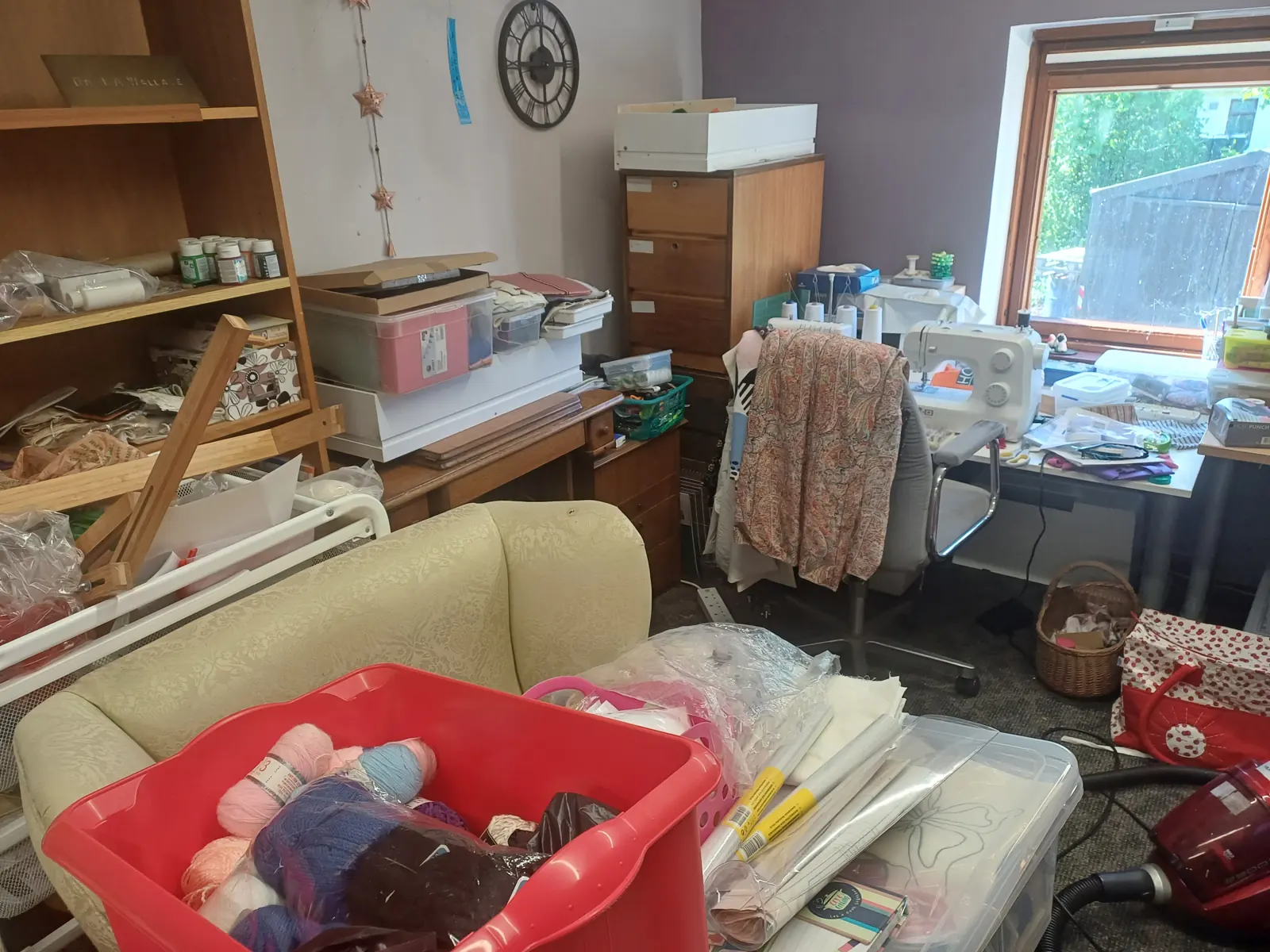
Hoarding is a recognised condition, not a character flaw, and the house is usually the home of someone who is still living in it or has only just left it. The crew we send understand that. They are not there to comment, photograph for social media, or hurry anyone. They are there to get the house back to a safe, usable state.
We start with a conversation, not a van. You tell us who the house belongs to, what the goal is (safe to live in, ready to sell, handed back to a landlord), and whether the person wants to be involved. Then we plan the clearance in stages that make sense.

What a hoarder clearance from us includes
- A clear plan agreed in advance. Which rooms, in what order, what must be kept, and who decides on the day.
- Searching as we go. Hoarded houses hold documents, cash, photographs, jewellery and medication in unlikely places. We check bags and boxes rather than tipping them.
- Keep, donate, recycle, waste. Four piles, kept separate, so nothing of value or sentiment leaves by accident.
- Safe access first. Hallways, stairs and exits are cleared before anything else so the house is safe to move through.
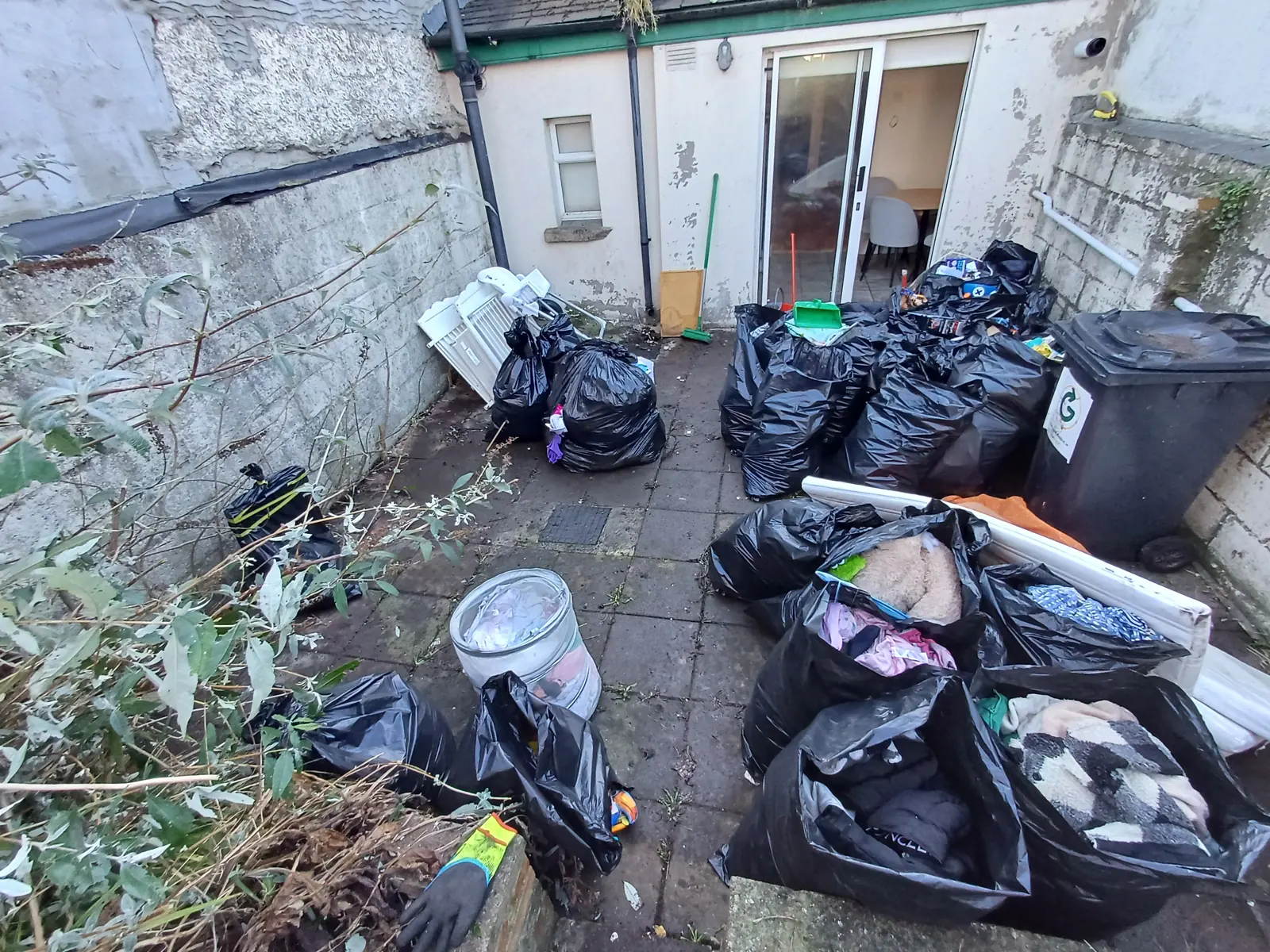
- Everything taken away the same day it is cleared. We do not leave bags outside the front door overnight.
- Discretion. A crew that keeps its head down and no conversations with neighbours.
What we do not do
We are a clearance company, not a cleaning or pest-control company, and we will not pretend otherwise. Once the contents are out we sweep up, but a hoarded house usually needs a deep clean afterwards and sometimes pest treatment. We do not clean, so if the property needs a proper clean once it is empty, book a cleaning company for after we finish. Anything hazardous, such as clinical waste or chemicals, is not something we handle.
Who we work with
Family members clearing a parent’s or sibling’s house. Carers and social workers who need a reliable crew that will treat a client with dignity. Landlords and housing bodies recovering a property. Executors clearing a house after a death. And people who have decided, often with help, that it is time to deal with their own home. Whichever you are, the conversation starts the same way: send us photos, even bad ones, and tell us what you are hoping for.
Working with the person who lives there
Where the occupant is involved, the pace is theirs. We work on one area at a time, keep the “keep” pile visible, and stop when they need to. It is slower than a standard clearance and we price for that. In our experience a slower clearance the person consents to is the only kind that lasts; a house cleared against someone’s will tends to fill up again.
If you are helping a relative, our guide on how to clear a hoarded house walks through the practical steps, including the conversation before the clearance.
After the clearance
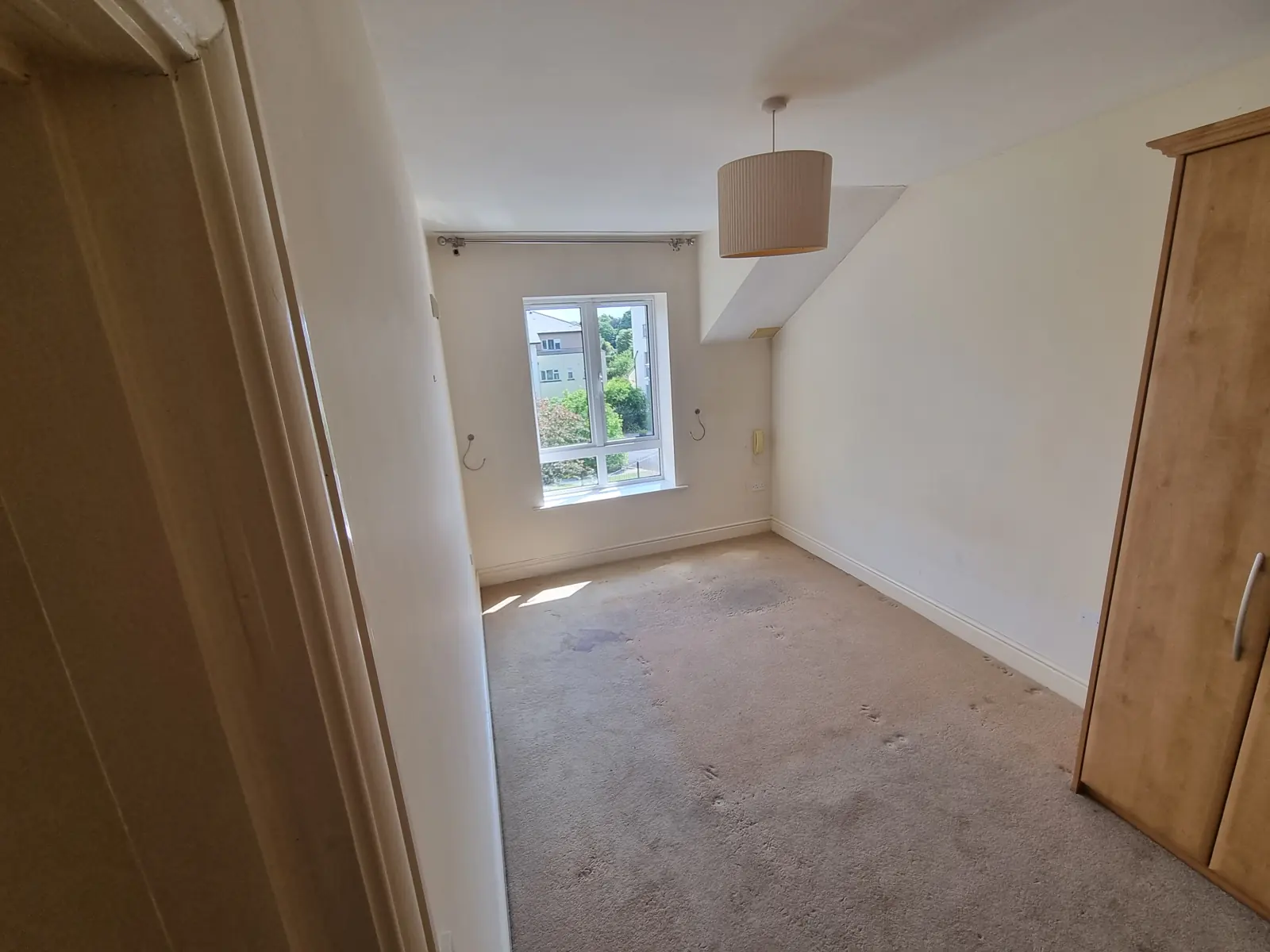
What we remove is sorted the same way as every job: reusable items kept aside for donation or resale where possible, recyclables separated, and the rest to a licensed waste transfer station under our Waste Collection Permit. We send photos of the empty rooms when we finish, which many families find is the moment it starts to feel real.
If the house is to be sold or re-let afterwards, a normal house clearance of the remaining furniture can be done on the same visit or as a second stage.