Clearing homes along the seafront and up the hill
Clontarf is one of the older suburbs on the north side and it shows in the housing. The roads nearest the bay, Seafield Road, St Lawrence Road, Haddon Road and the lower ends of Vernon Avenue and Castle Avenue, are lined with Victorian and Edwardian redbricks, some semi-detached, many with a return, a basement or a converted attic. Move inland towards the Howth Road and Killester and you are into 1930s to 1950s semis around Mount Prospect Avenue and Kincora Road, with a scatter of newer apartments along Clontarf Road itself.
The landmarks are easy to place. The promenade runs the length of Clontarf Road, the Wooden Bridge crosses to Bull Island and Dollymount Strand, Clontarf Castle stands at the top of Castle Avenue and St Anne’s Park begins on the Raheny side. The DART stops at Clontarf Road at the Fairview end and at Killester further up.
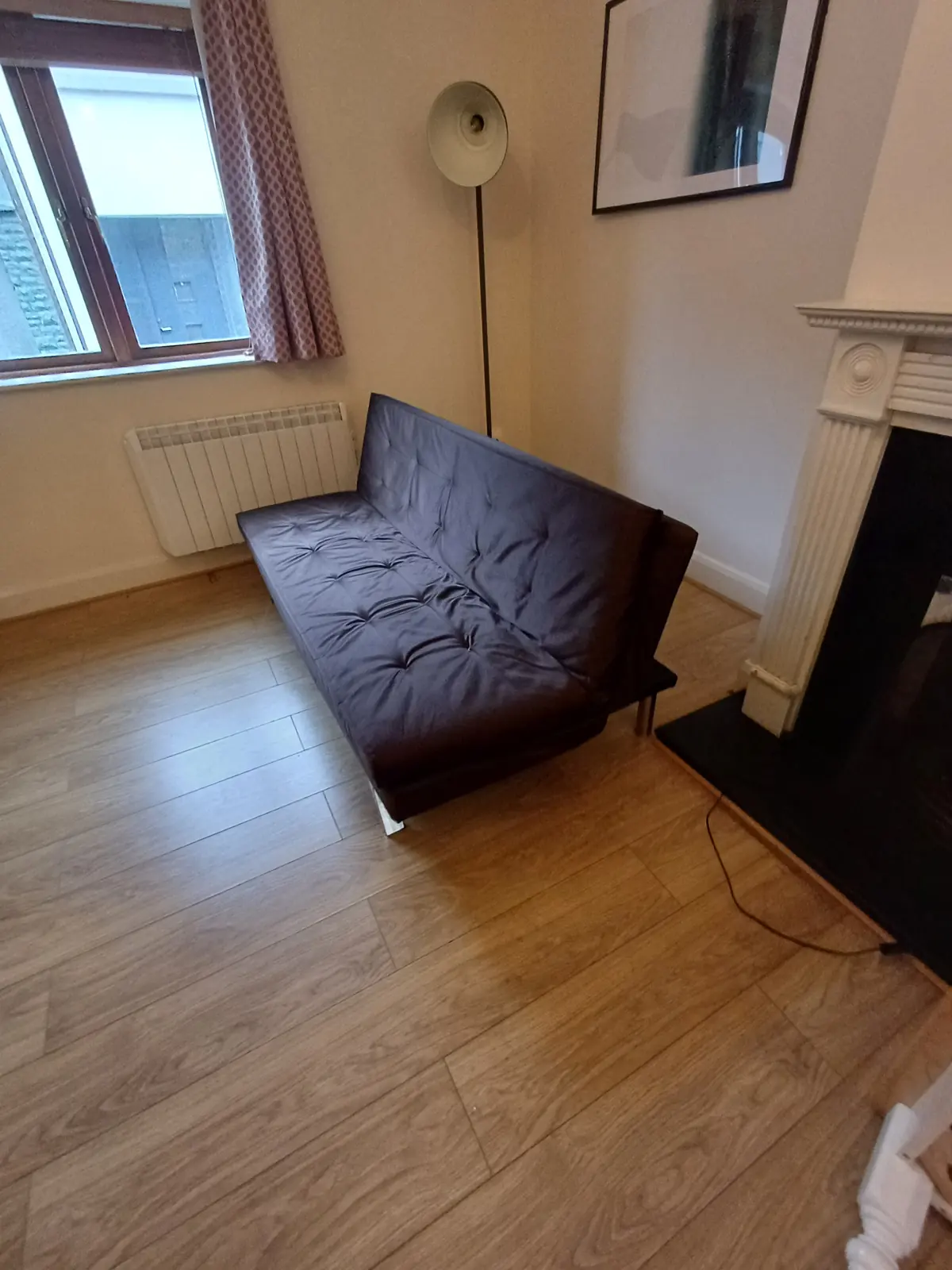
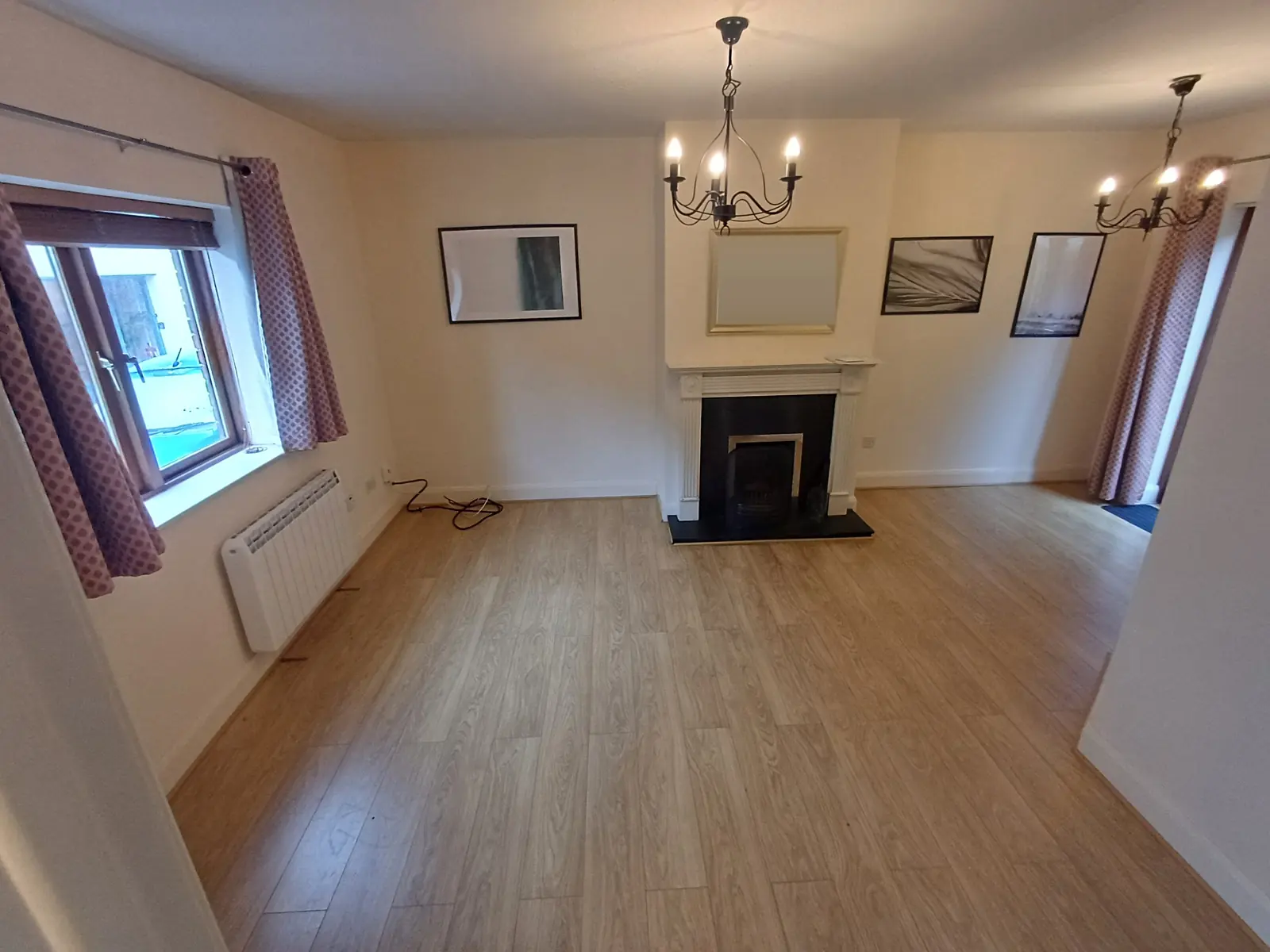
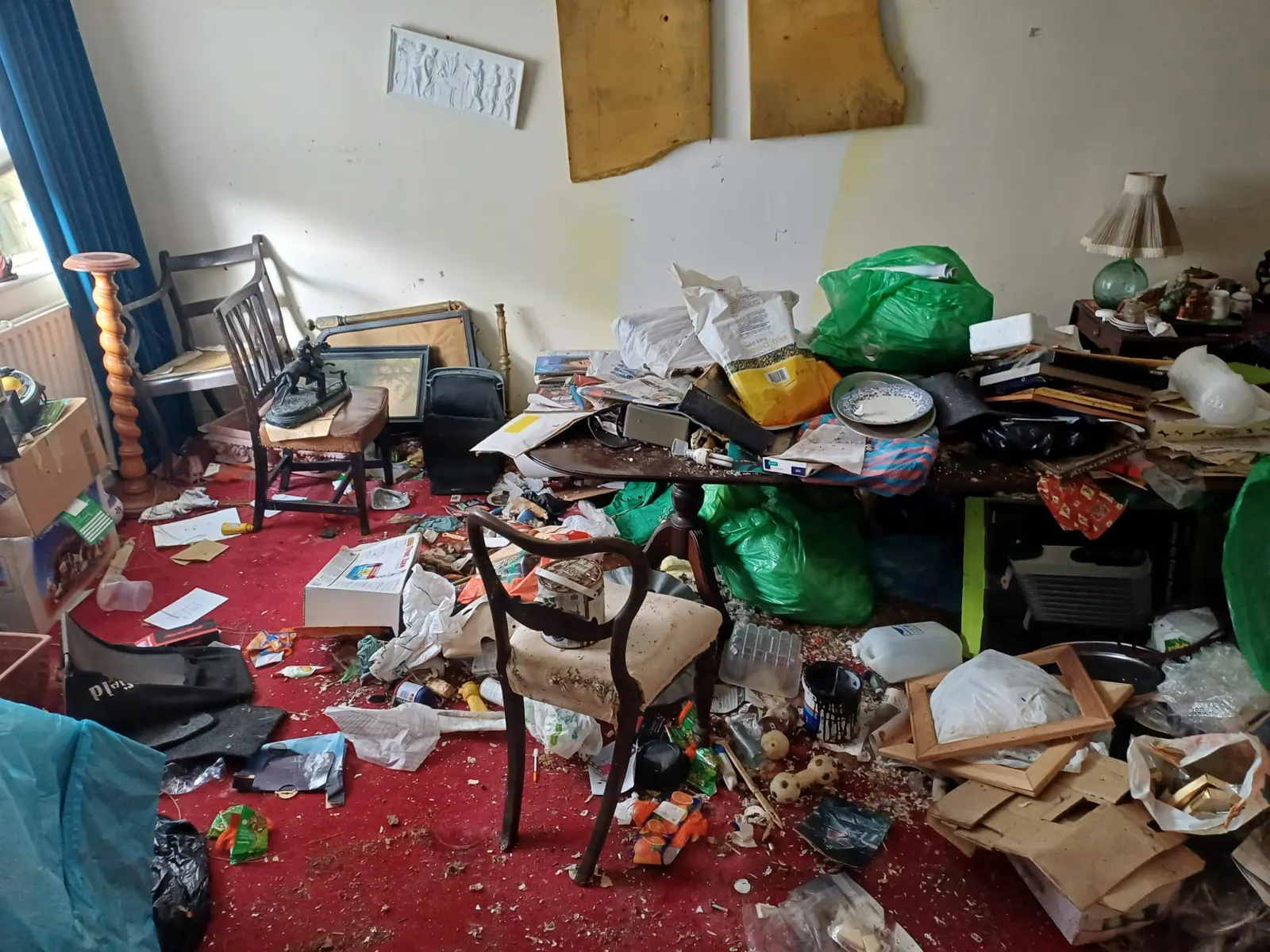
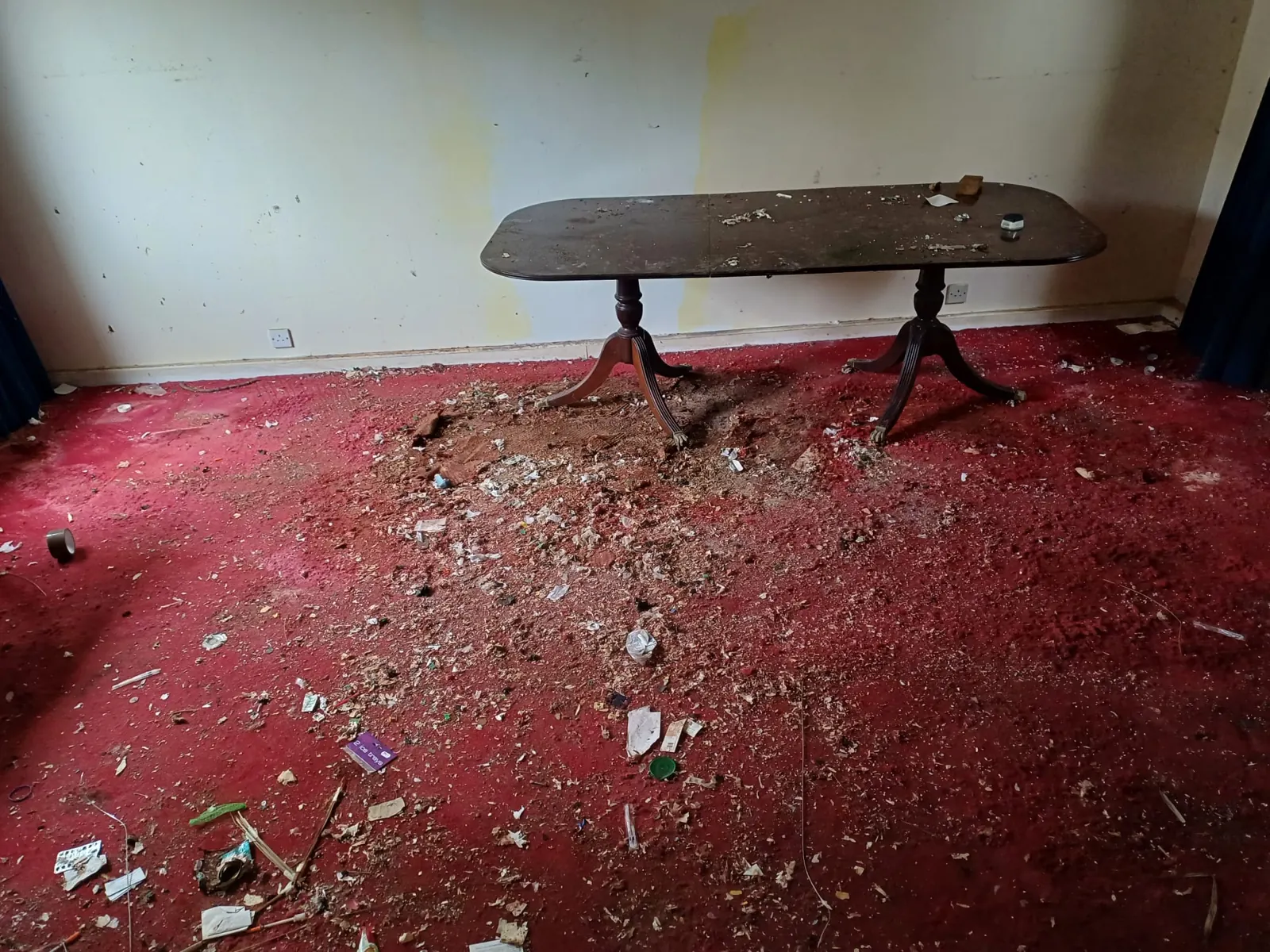
For us the pattern is clear. These are large period houses that have been home to one family for a long time, now being emptied for a sale, a renovation or after a death.

What we clear in Clontarf
- Whole houses being sold after decades in one family, including the attic, the basement and the return.
- Bereavement clearances on the family’s timetable, with anything of value or sentiment set aside first. We describe our approach on the bereavement clearance page.
- Heavy period furniture, such as wardrobes that were built in the room, dining tables that seat ten, pianos and cast-iron beds. See furniture removal in Dublin for the big single items.
- Garages, old coach houses and garden sheds, which on the older roads can be as full as the house.
- Apartments along Clontarf Road and near the DART when a tenancy ends or an owner downsizes.
If a garden has been let go and there is green waste or rubble as well as furniture, that is a different kind of job. For that side of it, a skip or a dedicated garden waste clearance service is the better route.
Access, parking and the Clontarf Road problem
The seafront is the one awkward spot. Clontarf Road is a busy coastal route with a cycle track, and the parking bays along the promenade fill up on any fine day. We avoid depending on it. Most houses on the roads behind have a driveway, a side gate or a lane at the back, and the van goes there instead. On Vernon Avenue near the village shops we work around the quieter hours.
Inside, the period houses are tall and the stairs are long, so a three-storey clearance is a steady day of carrying rather than a quick load. We bring a two-person crew and work floor by floor. If the house has a basement flat with its own door, tell us, because loading from there is quicker.
Most of the 1930s to 50s semis further in have a driveway, and those jobs are straightforward. The roads around Killester station are quieter than the seafront too, so a house up that end rarely has a parking problem at all.
Why Clontarf homeowners call us rather than hiring a skip
A skip outside a Clontarf redbrick needs a council permit, a space on the road and someone to carry everything out and climb in to pack it. A two-person crew does the carrying, sorts what can be reused or recycled, and the van leaves with everything in it when we finish. For a house that has been lived in since the 1960s, that is usually the cheaper option as well as the easier one. We set out the trade-offs in our guide to house clearance versus skip hire.
We are fully insured, we hold a current Waste Collection Permit, and we leave the rooms swept. If you are not sure what we will and will not take, our note on what a house clearance service removes covers it.
Clontarf borders Marino and Fairview to the west and Raheny and Killester to the north, and we cover all of them. The North Dublin page takes in the wider north side.