Attic clearance in Dublin: a practical guide
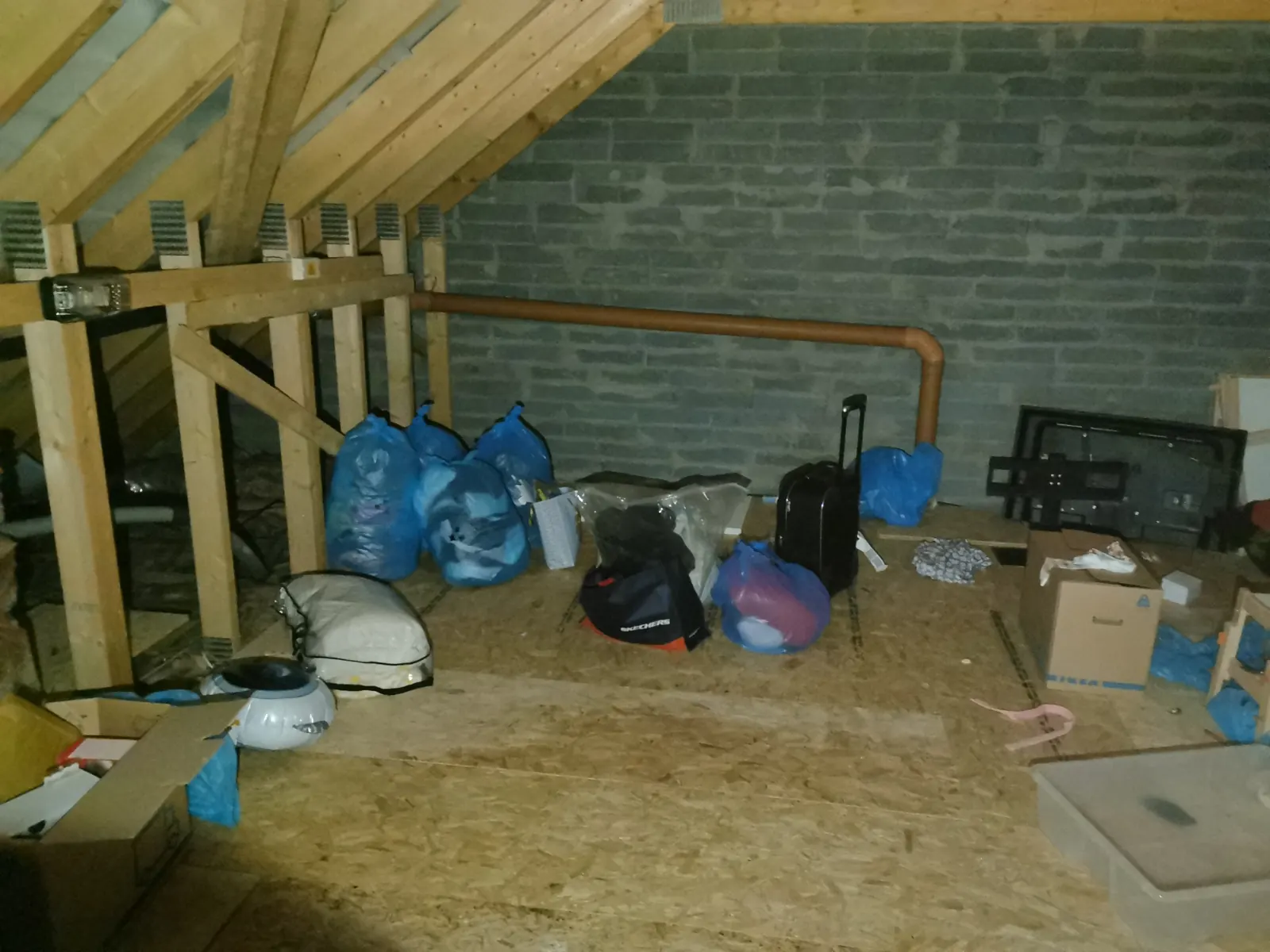
An attic clearance means getting everything out through the hatch, sorting it on the landing or in the van, and leaving the space empty and swept so it can be boarded, insulated, converted or simply shown to a buyer. Most Dublin attics take a two-person crew anything from a couple of hours to a full day, depending on how much is up there and how awkward the access is. This guide covers why attics fill up, how to stay safe, what to keep, and how we go about clearing one.
Why do attics fill up in the first place?
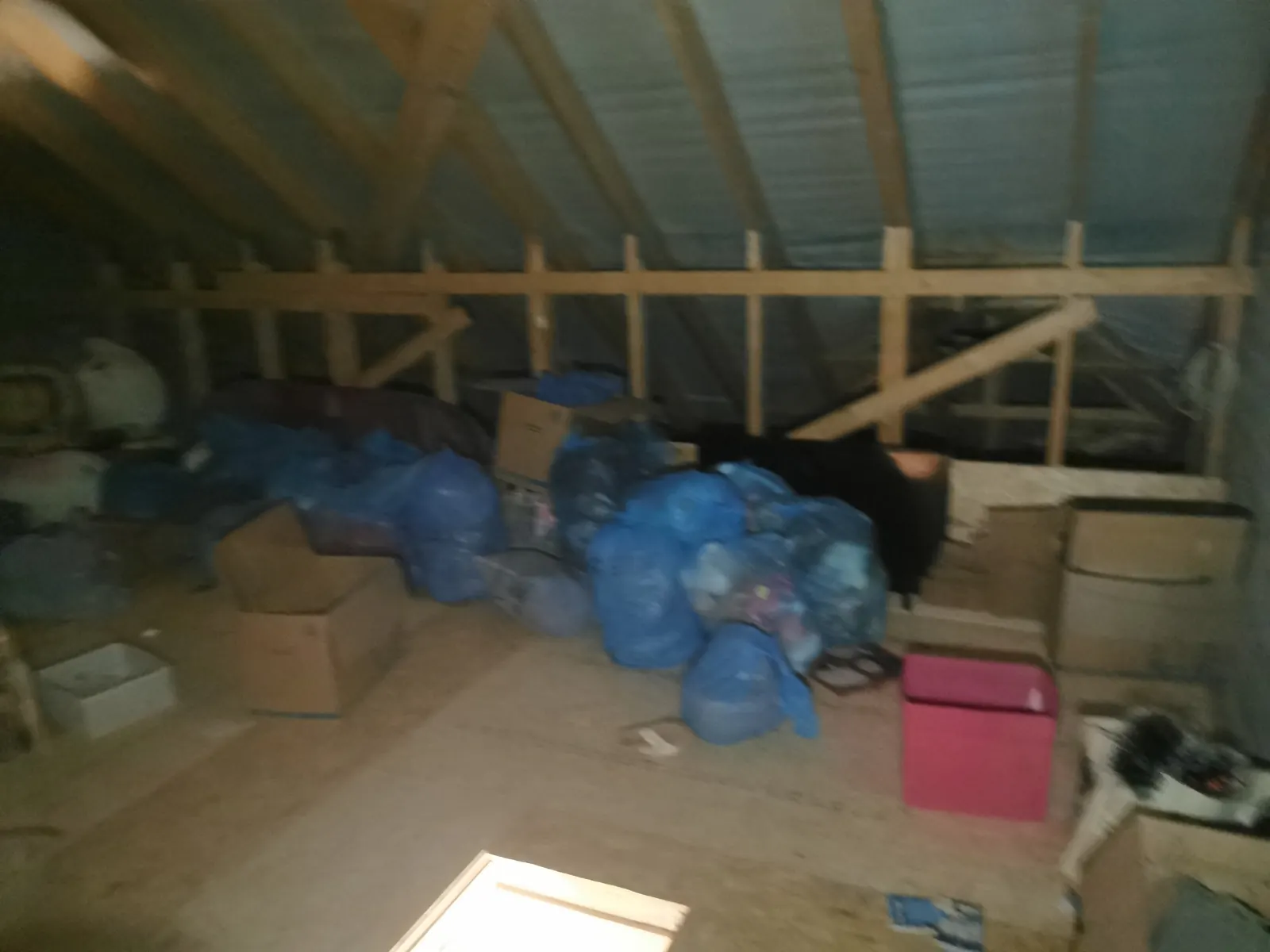
Because the attic is where things go when nobody wants to decide about them. Christmas decorations go up in January and come down in December, and in between they are joined by the children’s cot, the bags of baby clothes, the camping gear from one summer, and the suitcases from a move twenty years ago.
In many Dublin houses, especially the semi-ds and terraces built from the 1930s onwards, the attic is the only storage there is: no basement, the box room became a bedroom, and the shed is full of the lawnmower. So boxes go up, and because getting them down again is a job with a ladder, they stay.
There is also a quieter reason. When a parent dies and the family clears the house, the things nobody can bear to throw away but nobody has room for often go into a son or daughter’s attic. Years later, the same decision comes round again.
Is it safe to clear an attic yourself?
It can be, but attics are one of the more dangerous spaces in a house, and the risks are different from the rest of a clearance.
- Joists. In an unboarded attic you can only stand on the joists, which are narrow timbers with plasterboard between them. Step between them and you go through the ceiling of the room below.
- Boarded versus unboarded. A properly boarded attic is far easier and safer, but check that the boards are screwed down and not just loose sheets laid on top of the insulation.
- The ladder. A folding loft ladder that has not been used in years may have a loose fixing. Have someone hold it the first time, and never come down facing outwards with a heavy box.
- Dust and insulation. Old mineral-wool insulation irritates skin, eyes and lungs, and decades of dust comes with it. Gloves, a mask and long sleeves are the minimum.
- Heat and light. Attics are stifling in summer and dark all year; bring a head torch rather than a phone you have to hold.
- Wasps’ nests, birds and bats. Old nests are common and usually empty, but an active wasps’ nest needs a pest controller, not a clearance crew. Bats are protected in Ireland and should not be disturbed; if you find them, stop and seek advice before anything else happens.
If anything up there looks like old asbestos insulation board, pipe lagging or a tank you are unsure about, leave it alone and ask us before you book. We do not remove asbestos, and we will tell you plainly if a specialist is needed first.
What should you keep?
Most attic contents are easy decisions once they are on the landing in daylight. The things worth pausing over are the same in almost every house:
- Documents: house deeds, old insurance policies, tax records, school and service records, letters.
- Photographs, slides, negatives and cine film, which are often in biscuit tins or suitcases.
- Heirlooms you did not know existed: a grandparent’s medals, a christening gown, a clock, the good china that was “put away for safety”.
- Anything with provenance: a labelled painting, a signed book, an old toy still in its box.
Open every suitcase and box before it goes. We do this when you ask us to look, but a box marked “rubbish” and taped shut is taken at face value unless you have told us otherwise.
What usually turns up?
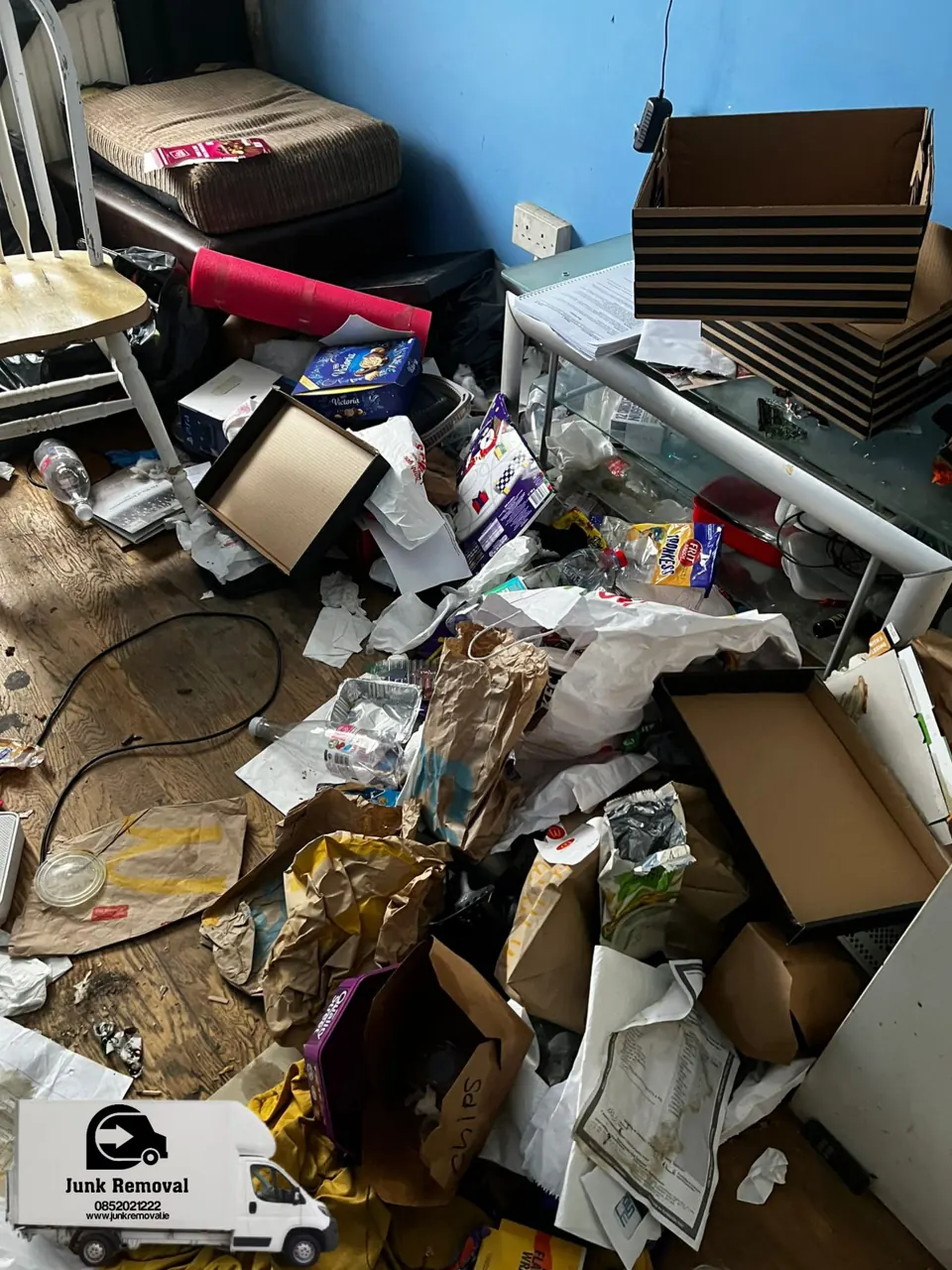
In roughly the order we find them: Christmas decorations, old curtains and bedding, children’s toys and school books, empty boxes from electronics bought years ago, suitcases, carpet offcuts kept “for repairs”, redundant televisions and computers, old sports gear, and the box of cables that fits nothing anyone still owns.
Then the heavier things: redundant water tanks, old cots and travel cots, a disassembled bed, sometimes a fridge or a set of weights that someone carried up and regretted.
How does a crew actually clear an attic?
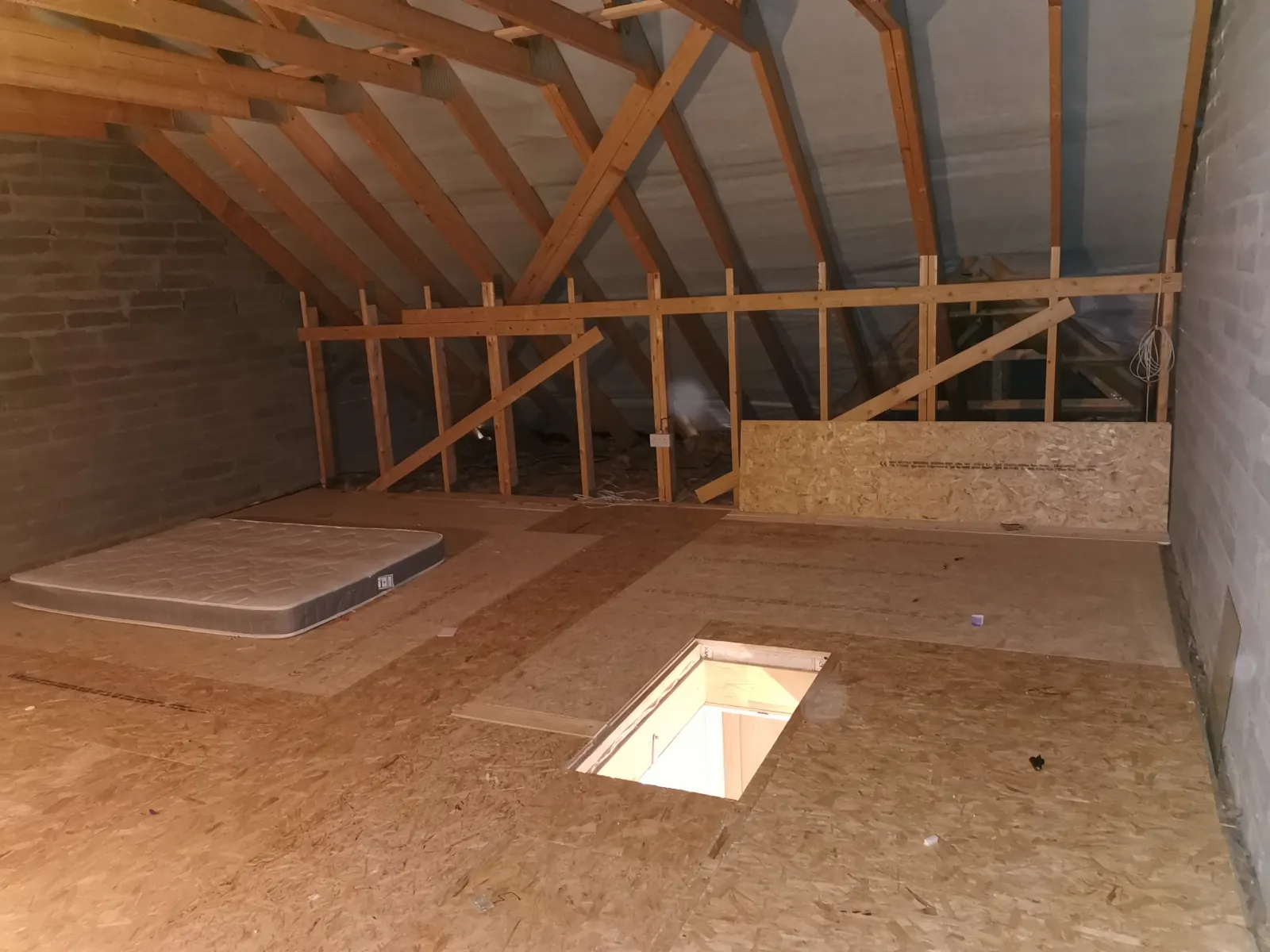
One person goes up, one stays on the landing. The person in the attic works from the far end back towards the hatch, bagging or passing as they go, so they are never stepping over the things they have already moved. Loose items go into heavy-duty bags or boxes before they come down; nothing is thrown through the hatch.
The person below takes each bag or box, moves it clear of the ladder, and starts the sort: keep pile (if you have asked us to look), recycling, electricals, and genuine waste. Everything is then carried down the stairs and out to the van. We put protective sheeting on the landing carpet and the stairs, because attic dust goes everywhere.
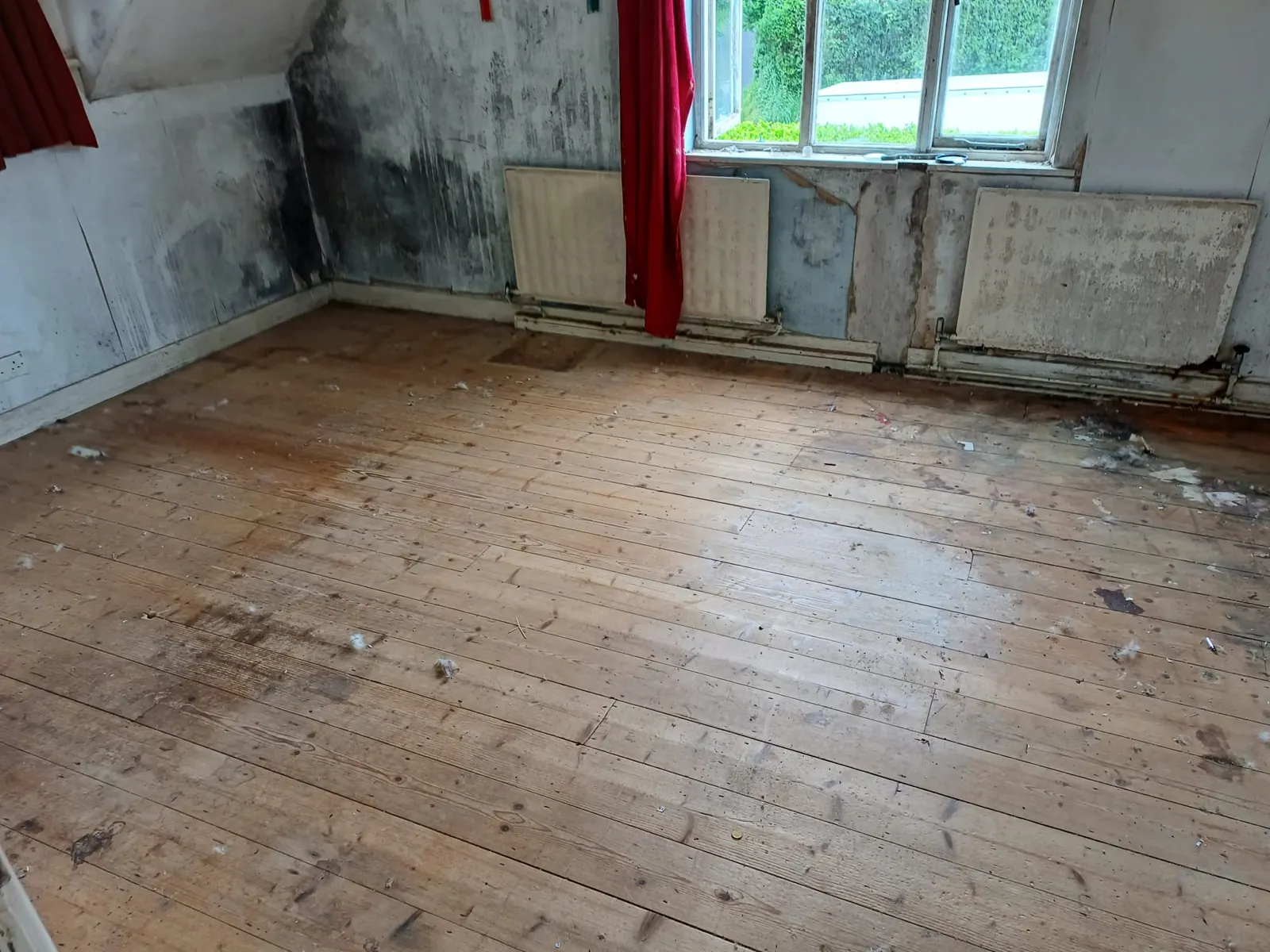
Large items that will not fit through the hatch were carried up there once, so they come down the same way, often in pieces. We leave the space swept, and if you want the insulation left undisturbed, say so and we work around it.
When is the right time to clear an attic?
Three moments come up again and again.
Before a loft conversion. The builders need an empty space to survey and work in, and they will charge you for clearing it if you have not. Doing it a few weeks ahead gives you time to deal with what comes down.
Before a house sale. A buyer’s surveyor will want to see the roof timbers, the insulation and the tank. An attic stuffed to the rafters hides defects and makes the house feel smaller.
When the ladder is getting harder. Many of our attic jobs are for people who put things up there decades ago and do not want to be climbing a ladder now. Clearing it while you can still direct the sort, rather than leaving it to someone else later, is a kindness to everyone.
The attic is often part of a wider job. If the garage has gone the same way, our garage clearance guide covers the sorting there, and for a whole-house job our preparation checklist tells you what to do before the crew arrives.
Frequently asked questions
Do I need to get everything down from the attic before you come?
No. Going up into the attic and bringing everything down is the job, and it is the part most people hire us for. If there are things you want to keep, either take them down yourself beforehand or tell us what to look out for and we will set them aside on the landing for you.
Can you clear an attic that is not boarded?
Yes. The crew works on the joists, with boards laid across them where needed, which is slower than a boarded attic but routine for us. Tell us when you send photos, because an unboarded attic affects how long the job takes and therefore the quote.
Will you take the old water tank and the insulation?
A redundant cold-water tank, yes; if it will not fit through the hatch in one piece it comes down in sections. Insulation we normally leave in place because it is doing a job, but we can bag and remove loose or damaged mineral wool if you ask. Anything that looks like asbestos we will not touch, and we will tell you so you can get the right people in first.
Is there a best time of year to clear an attic?
The crew can clear one in any season, but if you are going up first to sort, avoid hot summer afternoons, when attics can be stifling. Winter brings its own problems, with short days and a cold, dark roof space. A spring or autumn morning is usually the most comfortable time to go through what is up there.
Can you fit or remove a loft ladder?
No. Fitting, repairing or taking out a loft ladder is a carpenter’s job, and we are a clearance crew. An old ladder that has already been taken down can go on the van with everything else, and if a new one is going in, clearing the attic first gives the carpenter room to work.
Should the attic be cleared before roof repairs?
Ask your roofer, but it usually helps. Re-roofing and some repairs send dust and debris down into the attic, and anything stored under the work area can be damaged or get in the way. An empty attic also lets the roofer see the timbers, the felt and any leaks properly before quoting.
What can I safely store in the attic once it is cleared?
Lighter things in sealed plastic boxes, kept on proper boarding rather than straight onto the insulation. Ceiling joists in an ordinary attic were not built to carry heavy loads, so keep books and paperwork downstairs, and do not squash the insulation by piling boxes on it. Photographs and anything sensitive to heat or damp are better kept in the house, because attics swing from hot to cold through the year.
Can you bring everything down so I can go through it before you take the rest?
Yes, and it is often the easiest way to do it. The crew brings the contents down to the landing or a spare room, you go through them in daylight, and we load whatever you decide is going. It takes longer than clearing straight to the van, so mention it when you ask for a quote.
What should I do with old cine film, slides and negatives found up there?
Keep them out of the clearance until someone has had a proper look. Old film and slides can often be scanned or transferred by a photo lab, and they deteriorate faster in a hot, damp attic, so move them somewhere cool and dry in the meantime. Even if nobody can view them now, they cannot be replaced once they are gone.
Our attic is open to the house next door. Can you still clear it?
Yes. Some older Dublin terraces have attics that are not fully divided at the party wall, and the crew only clears what is on your side. Point out where your space ends, and if anything near the line might belong to the neighbours, set it aside and check with them first.
Next step
Send us a photo looking into the attic from the hatch (a phone torch is fine) and one of the landing, and we will give you a price. You can request a free quote online or WhatsApp 085 202 1222, and our attic clearance service page covers the practical details of how we work.
Helpful resources
- Waste collection permits explainedhouseclearances.ie