How to prepare for a house clearance: a simple checklist
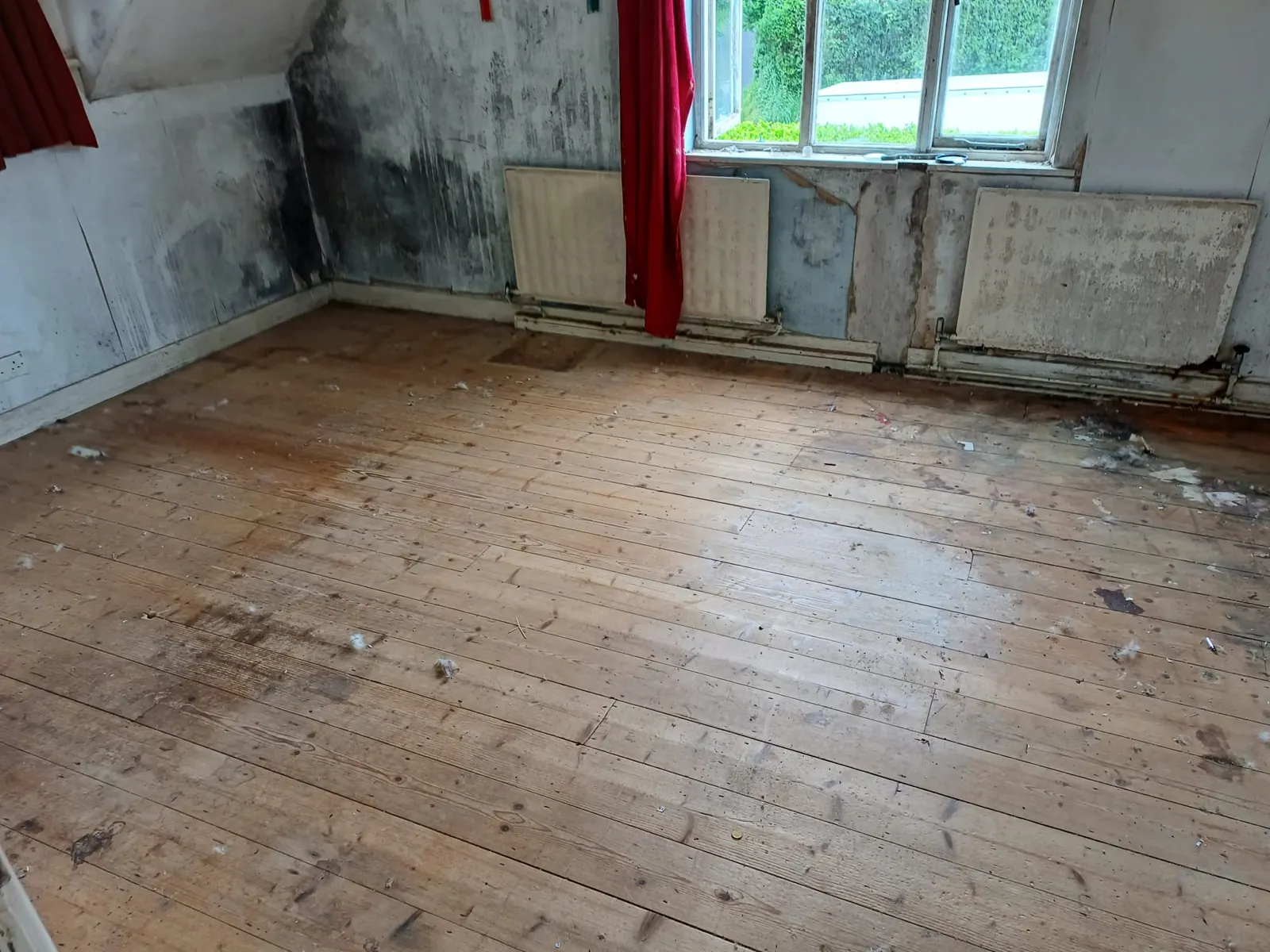
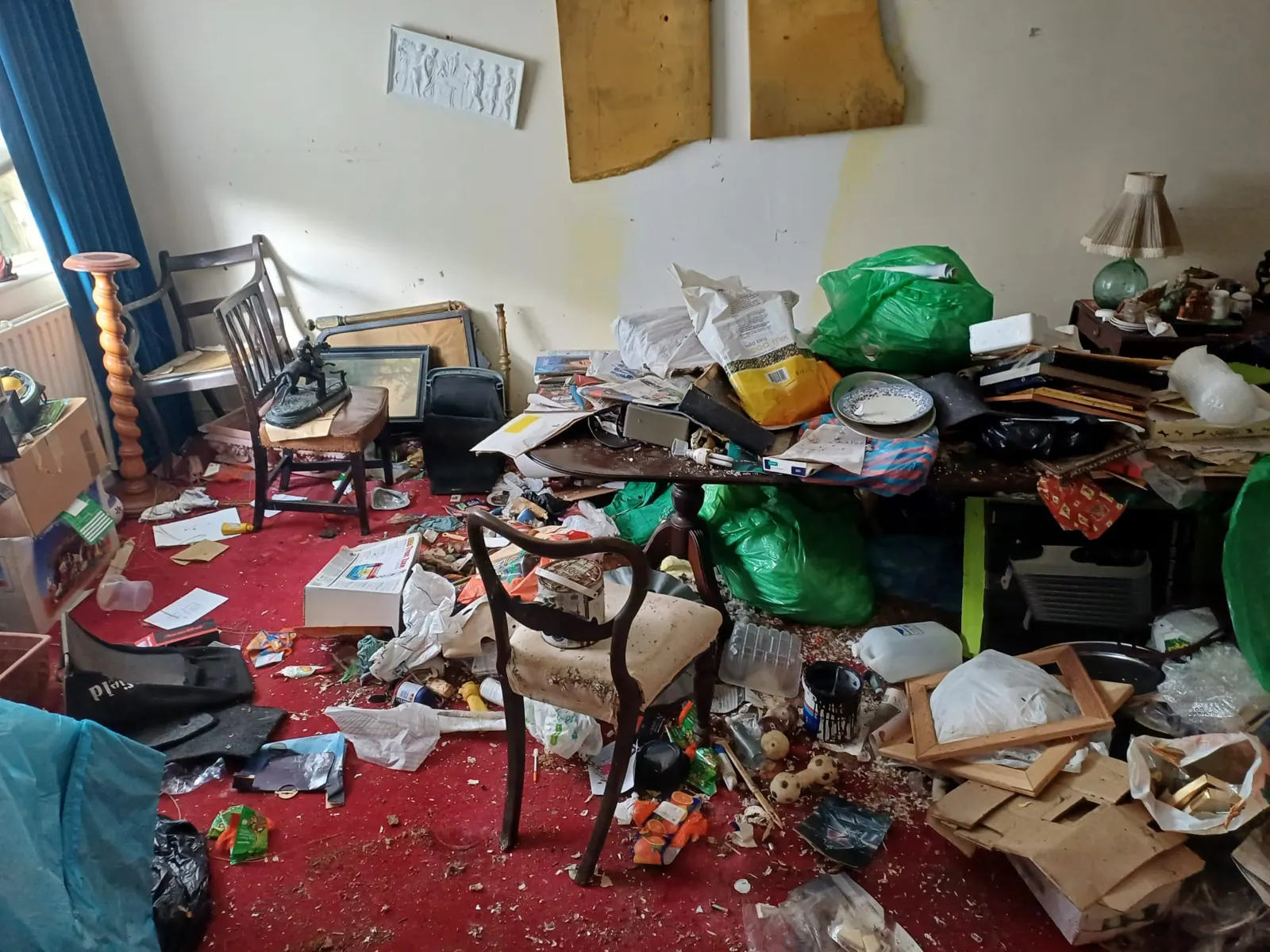
Preparing for a house clearance comes down to one job: separate what stays from what goes, and make sure the crew can tell the difference. You do not need to bag, box or sort anything else; that is what you are paying us for. The checklist below covers the few things worth doing in the week before, the morning of, and the hour after.
What should you decide before the crew arrives?
Walk the house room by room and make one decision per room: is everything going, or are there keep items? Most rooms in a full clearance are “everything goes”; the ones that need attention are the mixed rooms.
For mixed rooms, group the keep items together and mark them clearly. Masking tape and a marker works; so does moving everything you are keeping into one room and shutting the door with a note on it. “Nothing leaves the back bedroom” is a far easier instruction for the crew than “the green chair stays but the other green chair goes”.
If you are clearing a relative’s house, give yourself two visits: one for deciding and finding things, one for the clearance itself. Trying to do both on the same morning is how heirlooms end up in the van, and our guide to clearing a house after a bereavement covers that first visit in more detail.
What must you remove yourself?
Some things should never be left to a clearance crew, because we cannot tell what matters to you. Take these out before the day:
- Documents: passports, certificates, wills, deeds, bank and pension paperwork, insurance policies, medical records.
- Keys: house, car, shed, safe, and any you do not recognise; a mystery key often belongs to a cash box or a cabinet elsewhere in the house.
- Jewellery and valuables: check bedside drawers, coat pockets, handbags, the hot press, biscuit tins, and inside books.
- Medication: prescription drugs should go back to a pharmacy for disposal, not into a black bag.
- Photographs and letters: these turn up in the strangest places, including the bottom of wardrobes and inside suitcases in the attic.
- Phones, laptops, tablets and hard drives: wipe them or keep them.
Before you sign a room off as “everything goes”, check the usual hiding places: the hot press (older Dublin houses often have shelves above the tank full of documents and the odd shoebox of photos), the attic, under the stairs, the shed or garage, behind and under furniture, and the kitchen high cupboards. If the attic is full, our attic clearance guide covers it separately.
Who needs to know a van is coming?
A two-person crew with a box van takes a parking space for an hour or more and means furniture going through a shared hallway.
Tell your neighbours the day before, particularly in terraces and on roads where parking is tight. If the property is in an apartment block or a managed development, tell the management company or concierge; many buildings want the lift booked and protective covers hung, and some restrict removals to certain hours. If there is a loading bay, a rear lane or a side entrance, let us know so we can plan the route.
What about utilities and meter readings?
If the house is being sold, let, or handed back to a landlord or local authority after the clearance, photograph the gas and electricity meters on the day; you will need the readings to close or transfer the accounts.
Do not have the electricity cut off before the clearance; the crew needs light in the attic, under the stairs and in rooms with the curtains already down. Leave the heating off, though.
What should you send us on WhatsApp?
A few decent photos tell us far more than a description, and they are how we price a job without a site visit. Send:
- One photo of each room that is being cleared, taken from the door so we can see the whole room.
- A photo of anything unusually heavy or large: pianos, American-style fridges, safes, wardrobes that do not come apart.
- The outside of the house, so we can see the parking, the front door and any steps.
- A line of text with the Eircode, the floor if it is a flat, and whether there is a lift.
We come back with a free, no-obligation quote based on the van loads, the access and anything that needs separate handling, such as mattresses.
What happens on the day?
The crew arrives at the agreed time and walks the house with you (or whoever is holding the keys) to confirm what stays and what goes. That walk-through takes a few minutes, and it is the moment to point out anything you have had second thoughts about.
Then they work room by room, usually starting upstairs, carrying everything to the van and sorting it as they go. You can stay or leave; plenty of people hand over keys and come back when it is done. At the end the crew sweeps the cleared rooms, closes up and hands back the keys.
Our article on what a house clearance service removes covers what does and does not go in the van.
The whole checklist in one place
In the week before
- Walk every room; decide keep or go.
- Group keep items in one place; label them or close the door on them.
- Remove documents, keys, jewellery, cash, medication, photographs, phones and laptops.
- Check the hot press, attic, under the stairs, shed, garage and high cupboards.
- Send room photos, an outside photo and the Eircode by WhatsApp for a quote.
The day before
- Tell the neighbours and (if relevant) the management company.
- Book the lift or confirm access hours.
- Hold a parking space outside with your own car if you can.
- Leave the electricity on.
On the day
- Walk the house with the crew.
- Photograph the meters.
- Hand over the keys, and collect them at the end.
A quick checklist for handing the property back
If you are handing the keys back to a landlord, an estate agent or a local authority, a few small things make the handover smoother. None of this is cleaning; it is just leaving the place tidy.
- Sweep the floors once the furniture is gone (the crew does this for the rooms it clears).
- Put the bins out on the right day, or arrange the last bin collection, so nobody is left with full wheelie bins.
- Take the meter readings and photograph them.
- Collect every key, including shed, window and meter-box keys, and label them.
- Leave the heating and water as the landlord has asked; some want the water turned off at the stopcock in winter.
- Do one last walk through every room, every cupboard and the attic hatch.
Frequently asked questions
Do I need to bag or box things before you come?
No. Bagging and boxing is part of the job and we bring our own bags and boxes. The one thing that genuinely helps is having the keep items grouped and labelled so there is no confusion on the day.
Do I have to be there during the clearance?
Not for the whole thing. We need someone at the start for the walk-through and keys, and someone to collect the keys at the end, but that can be a neighbour, a relative or an estate agent. Many people living abroad arrange the whole clearance over WhatsApp and have a family member meet the crew.
What if I find something I want to keep halfway through?
Say so. Nothing is final until it is in the van, and even then, if it is near the door, we can pull it back out. The crew would far rather stop and check than take something you wanted.
Do I need to tell my home insurer the house will be empty?
It is worth checking. Many home insurance policies have conditions about a house left unoccupied for more than a set period, such as regular inspections or the water being turned off. Ring the insurer before the clearance, tell them the plan and the dates, and get any conditions in writing.
What needs to be disconnected before the crew arrives?
Anything on gas, plumbed in or wired into the mains. A gas cooker or heater has to be disconnected by a Registered Gas Installer, a washing machine or dishwasher needs the water turned off and the hoses taken off, and an electric cooker or shower needs an electrician. We lift and carry; we do not do gas, plumbing or electrical work.
What should I do with equipment that belongs to a provider, like a broadband router or TV box?
Set it aside and return it, because providers can charge if their equipment is not sent back when the account closes. Check the paperwork or ring the provider to find out exactly what they want back. Put it all in a labelled bag with the things you are keeping so it does not go on the van by mistake.
Should the cleaners come before or after the clearance?
After. Cleaning a room that still has furniture in it means doing it twice, and a clearance always raises some dust, even with a sweep at the end. We do not clean, so if the property needs a proper clean once it is empty, book a cleaning company for after we finish.
How do I know what has to stay for the buyer?
Check with your solicitor or estate agent before the day, because it depends on what was agreed in the sale. Fitted kitchens, light fittings and sometimes curtains, blinds or a cooker are often included, and clearing something the buyer is expecting can cause problems at closing. Once you know, mark those items clearly and point them out at the walk-through.
Should I open locked cupboards and safes before the day?
Yes. A locked cupboard, a cash box or a safe is exactly where documents, jewellery and cash tend to be kept, and it is far better opened by you than by the crew. Look for the keys first, and if you cannot find them, get a locksmith in before the clearance rather than letting a locked box leave the house unchecked.
There are drawers full of paperwork and no time to read it all. What should I do?
Box it up and take it home rather than sorting it under pressure on the morning of the clearance. Paperwork is where wills, policies, bank details and photographs hide, and it is much easier to go through at a kitchen table over a few evenings. Label the boxes clearly as keep so the crew leaves them alone.
Next step
When you are ready, send a few photos to 085 202 1222 on WhatsApp or request a free quote online and we will price the job for you. Our house clearance service page explains how a full clearance works, and if the property is a flat or in a managed block, the apartment clearance page covers lifts, loading bays and management company rules.
Helpful resources
- End-of-tenancy clearance: a guide for landlordspropertyclearance.ie
- Bereavement clearance checklisthouseclearances.ie