How to clear a hoarded house: a practical, non-judgemental guide
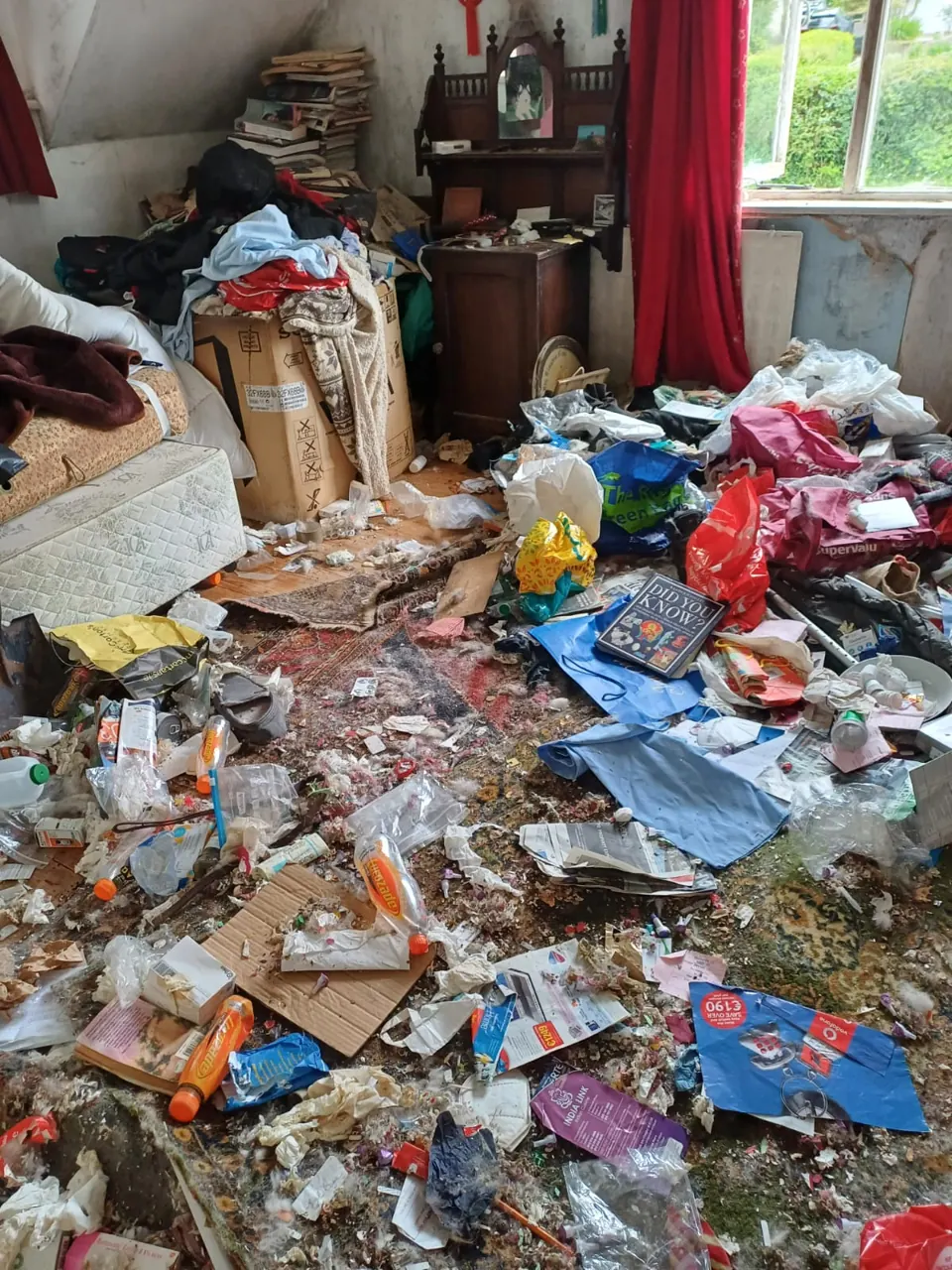
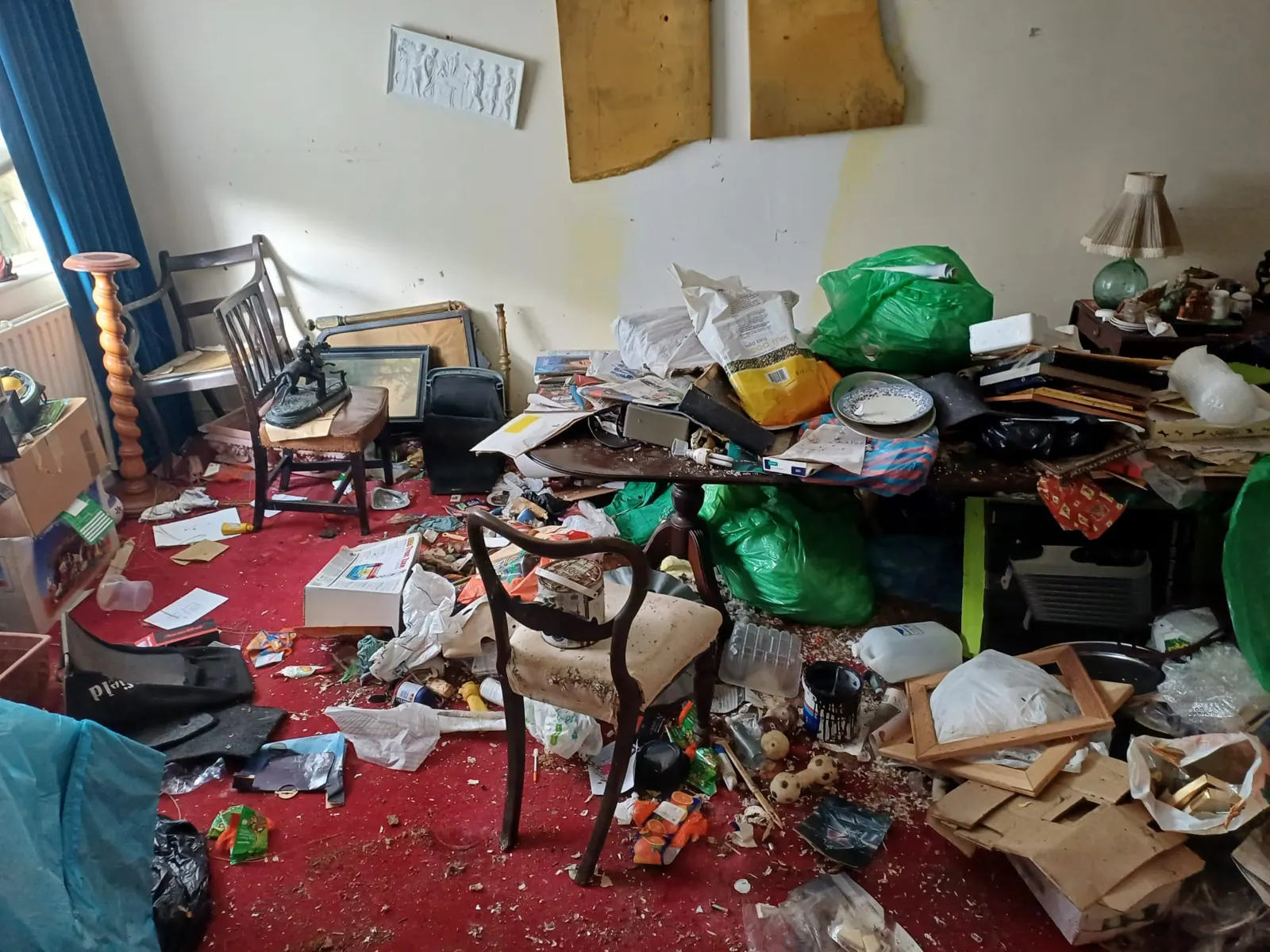
To clear a hoarded house, work with the person rather than around them where you can, deal with safety first (clear exits, check floors, look for pests), set up simple sorting zones, and go at a pace that does not cause panic. Then bring in a crew to remove what has been agreed. “Just throw it all out” almost always fails, and usually makes the next attempt harder.
This is a practical guide for families, carers, landlords and the person themselves. It is written without judgement, because judgement is the one thing that has never cleared a room.
Why is hoarding more than just being untidy?
Hoarding disorder is a recognised mental health condition, listed in the main diagnostic manuals used by clinicians. It involves real difficulty parting with possessions, regardless of their value, and genuine distress at the thought of discarding them. It is not laziness, and it is not a housekeeping problem.
It often sits alongside grief, depression, anxiety, isolation or a change in health. Many people who hoard are articulate and perfectly aware of the state of the house; awareness and the ability to change it are different things.
Understanding this does not mean the house can stay as it is. It means the approach has to be different from an ordinary clear-out.
Why does “just throw it all out” fail?
Because the person did not agree to it. A forced clearance, done while someone is in hospital or out for the day, removes the possessions but not the reason they were kept. The distress is enormous, trust is destroyed, and the acquiring usually starts again, often faster than before.
It also loses things. Hoarded houses contain genuine valuables, documents, cash and photographs mixed in with the newspapers, and a crew told to “take everything” will take them too.
Where there is no choice, such as an emergency, an eviction or a death, a full clearance may be the only option. Even then, the advice below on sorting and safeguarding applies.
How do you work with the person rather than against them?
Ask what they want, and listen to the answer. Most people living in a hoarded house want something: to be able to use the kitchen, to let a plumber in, to have a grandchild visit, to stop the landlord’s letters. Start from that goal rather than from your own idea of what the house should look like.
Let them make the decisions about their own things, even when it is slow. Your job is to hold the bag, ask “keep or go?”, and not argue about the answer. Every item they choose to let go of is a decision they own, and owned decisions stick.
Avoid words like rubbish, junk, filth or hoarder in front of them. Talk about “things” and “space”. If a GP, social worker, occupational therapist or support service is already involved, include them; they will know what pace the person can manage.
What are the safety risks in a hoarded house?
Take these seriously before anyone starts lifting.
- Blocked exits. Front and back doors and ground-floor windows need to be usable. Clearing a path to every exit is always the first job.
- Floor loading. Stacked paper, magazines and books are extremely heavy. Upstairs rooms and old timber floors in Dublin terraces were never designed for it; if a floor feels soft or slopes, stop and get it looked at.
- Fire. Paper piled near cookers, heaters or sockets, and extension leads buried under stacks, are a serious fire risk. Switch off and unplug what you can.
- Pests and rodents. Mice, rats, flies and insects are common where food has been kept. Wear gloves and a mask, and avoid sweeping dry droppings. If there is an active infestation, a pest control company needs to treat it before a clearance crew works there. We are a clearance company, not pest control.
- Hidden hazards. Broken glass, needles, knives, spoiled food, leaking containers and animal waste can all be under the surface layer. Gloves, boots and long sleeves are not optional.
- Mould and damp. Years of blocked ventilation often means mould behind the piles. Open windows and take breaks outside.
If the house is genuinely unsafe to enter, say so, and bring in people who do this for a living.
How do you set up sorting zones?
Keep it simple: Keep, Family, Donate, Recycle, Go. Five labelled areas in a cleared hallway or the front garden, with boxes for Keep and bags for the rest.
Work from the door inwards, one room at a time, and finish each room before starting the next. Clearing a path, then a surface, then a corner, then a room gives visible progress, which matters enormously to someone who has lived with the problem for years.
Keep a separate box for documents and valuables. Post, bank letters, PPS correspondence, photographs, jewellery, cash and keys turn up in the strangest places: inside magazines, in shopping bags, in coat pockets, at the bottom of boxes of boxes. Assume every container has something in it until you have checked.
How quickly should you go?
Slower than you want to. For the person, two or three hours at a time is often the limit before decision fatigue sets in, and a few sessions a week beats one brutal weekend.
Practically, there is a limit to how long a house can stay half-cleared. Agree a target date for the professional crew and work back from it, so there is a deadline but not a panic.
If the house is being cleared after a death, our guide to clearing a house after a bereavement covers the family side.
What does a professional hoarder clearance crew do (and not do)?
A crew like ours does the lifting, bagging, sorting and removal. We arrive with a box van and a two-person team, clear the rooms you have agreed, separate what can be reused or recycled, and take the genuine waste to a licensed transfer station under our waste collection permit. We work quietly, do not comment on the house, and set aside anything that looks personal, valuable or important for you to check before it goes anywhere.
We do not make decisions about what to keep; that is yours or the person’s. We do not take hazardous waste such as paint, solvents, oils, chemicals, gas cylinders or asbestos. We do not do pest control, and we do not clean.
That last point matters. A clearance leaves the house empty and swept, but hoarded houses usually need a proper deep clean afterwards, and that is a separate trade. A professional clean, if the house needs one, is a separate job for a specialist cleaner, and we can fit the clearance around their date.
Our hoarder clearance page explains a typical job, and our guide to what a house clearance service removes covers what goes on the van.
Frequently asked questions
Will the crew judge or talk about the house?
No. Hoarded homes are a normal part of our work and there is nothing in yours that will surprise us. The crew works, does not comment, and does not discuss one job at the next.
Can you clear a hoarded house while the person is still living there?
Yes, and often that is the best way to do it. We can work room by room over more than one visit, with the person present and deciding what stays, rather than clearing everything in a single day. Tell us the situation when you ask for a quote and we will plan it that way.
What happens if you find money or documents while clearing?
They are set aside, not loaded. Anything that looks like cash, jewellery, paperwork, photographs or keys goes into a separate box, and we show you what has turned up before we leave. In a hoarded house this box is rarely empty.
What if the person refuses any help?
Forcing a clearance on someone who has not agreed rarely works and usually makes things harder. Keep visiting, keep the conversation on safety and on what they want, such as a usable kitchen or a working heater, and leave the door open. Their GP is a good person to talk to about support, and we only clear what the person, or whoever is responsible for the house, has agreed to.
How do we stop the house filling up again?
A clearance removes the things but not the reasons they were kept, so support afterwards matters as much as the empty rooms. Talk to the person’s GP about what help is available, and keep visiting regularly so small piles are dealt with before they grow. Some families agree simple habits together, like one bag out for each new bag in.
The landlord or council has written about the state of the house. What should we do?
Do not ignore the letter; reply and say what is being done and by when. A plan with a booked clearance date and a quote from a permitted waste carrier shows the problem is being dealt with. If the tenancy itself is at risk, get advice from Threshold or Citizens Information before you agree to anything.
Can you work around pets in a hoarded house?
Yes, as long as they are kept safe and out of the way. With doors open and furniture moving, a cat or dog can slip out or get hurt, so keep them in a closed room or with a friend for the day. If you are worried about the animals’ own welfare, the DSPCA or the ISPCA can advise.
The person is in hospital and the house has to be made safe before they come home. What should we do?
Clear only what is needed for a safe return, such as paths through the rooms and access to the bed, toilet and kitchen. The hospital team, often an occupational therapist or social worker, will tell you what has to be in place. Keep the person involved by phone or photos where you can, so they do not come home to a house they no longer recognise.
Do we need to make a start before we book a crew?
No. A crew works from the door inwards, so you do not need a cleared path or a half-empty room before we arrive. What helps is telling us about soft floors, pests, sharps or a room the person does not want touched, and pointing out anything that is staying.
What can we do with things the person wants to keep but has no room for?
Agree a space rather than a list: one bookcase, one wardrobe or one corner of the box room, and whatever fits in that space stays. That gives the person real choice while keeping the rest of the house usable. A rented storage unit can feel like an easy answer, but it often just moves the same decisions somewhere that costs rent every month.
I live in a hoarded home myself. Can I book a clearance without involving my family?
Yes. You are the person we deal with, you decide what stays and what goes, and we do not contact anyone else. We can work at your pace, a room or a corner at a time, and nobody on the crew will comment on the house or ask how it got this way.
Next step
If you are facing a hoarded house in Dublin, Kildare or North Wicklow, your own, a relative’s or a tenant’s, take a few photos of each room and send them for a free, no-obligation quote. Our hoarder clearance service page explains how we work, and nobody will ask how the house got this way.
Helpful resources
- Carpet and sofa cleaningkrystalklean.ie