Clearing homes in Glenageary
Glenageary spread out from the railway in the second half of the nineteenth century, when the line to Dalkey made it possible to live by the sea and work in the city. The villas from that era still line Silchester Road, Adelaide Road, Glenageary Road Upper and the roads around the station: detached and semi-detached, two storeys over a basement or a garden level, with long gardens and in some cases a coach house at the back.
The next wave came after the war. The fields between Glenageary Road Lower, Sallynoggin Road and Rochestown Avenue were built up with semi-ds in the 1950s, 1960s and 1970s, in estates like Glenageary Woods, Glenageary Park and Avondale, and these are the houses most of our Glenageary work is in. They have a drive, a garage, an attic and a back garden, and a great many are still owned by the people who bought them new.
Glenageary has no real village centre of its own, and people shop in Glasthule, Dún Laoghaire or Sallynoggin. The DART at Glenageary and the roundabout where the Upper and Lower roads meet are the landmarks everyone uses for directions. Dalkey and Sandycove are on the sea side, Killiney to the south, Sallynoggin and Dún Laoghaire the other way.

What we clear in Glenageary
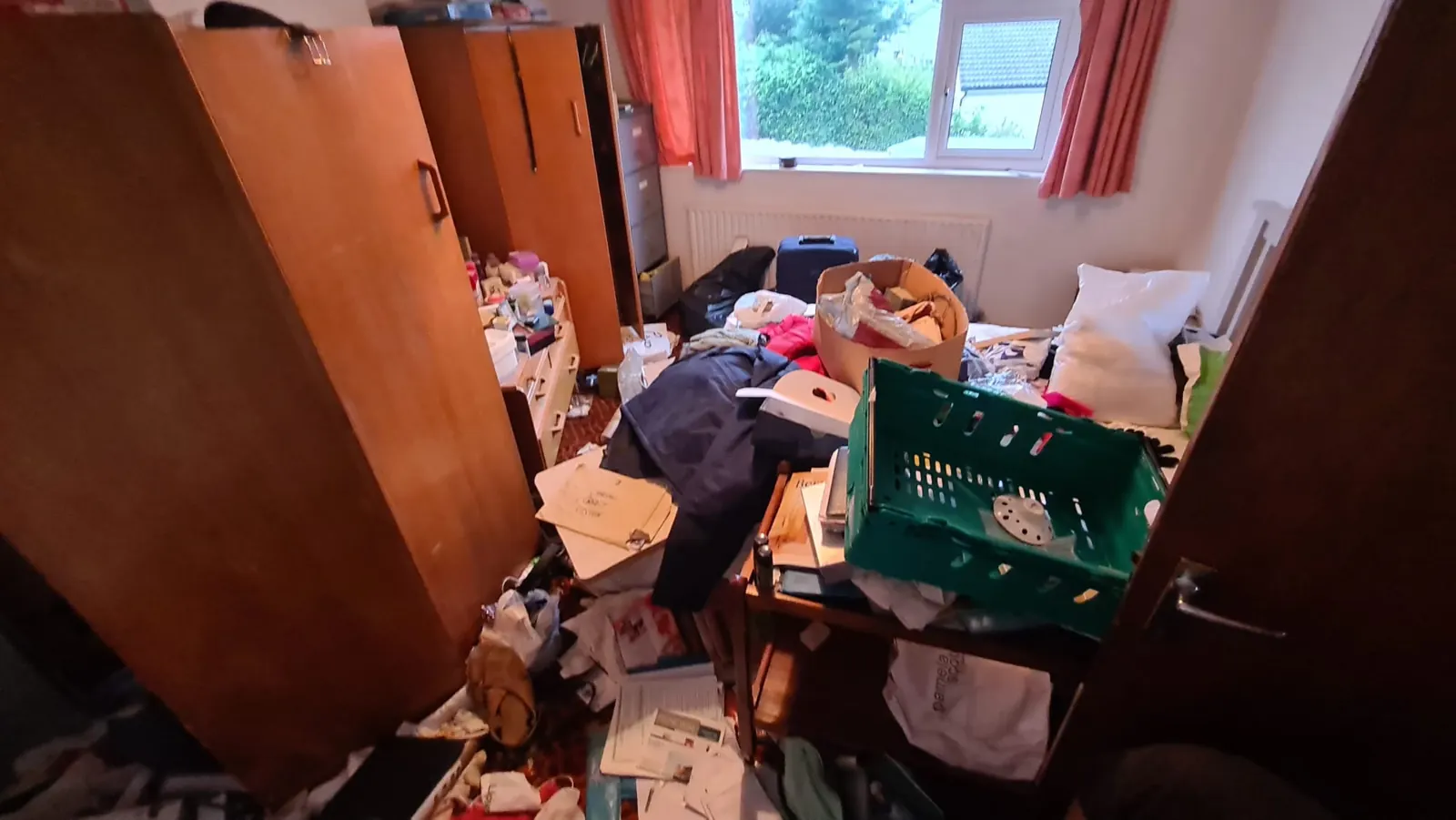
- Family semi-ds in the estates, cleared after a death or before a sale. A full house clearance of a three- or four-bed with garage and attic is normally one day.
- Victorian villas on the older roads, which are bigger jobs with basements, returns and sometimes a coach house, and run to several loads.
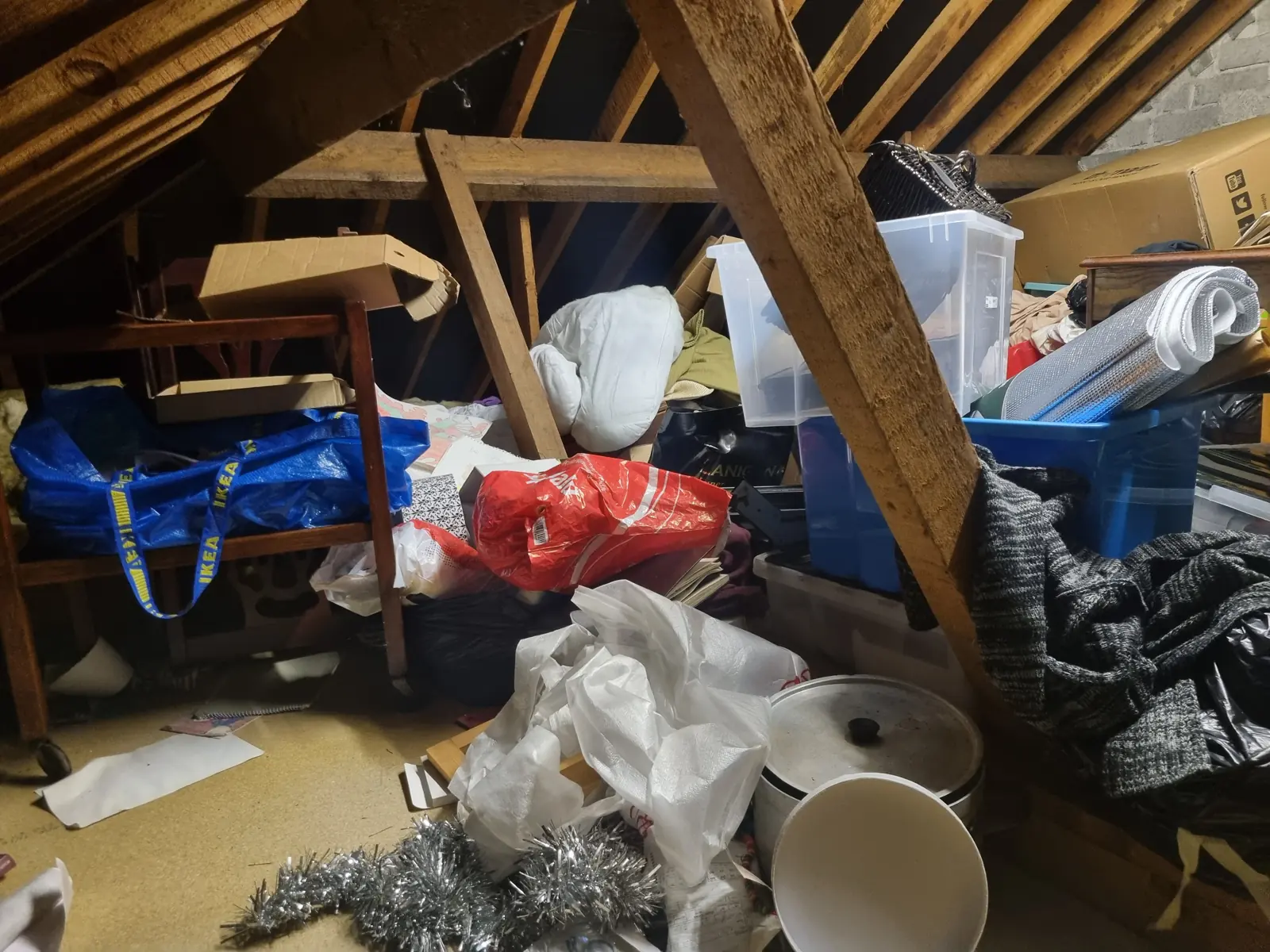
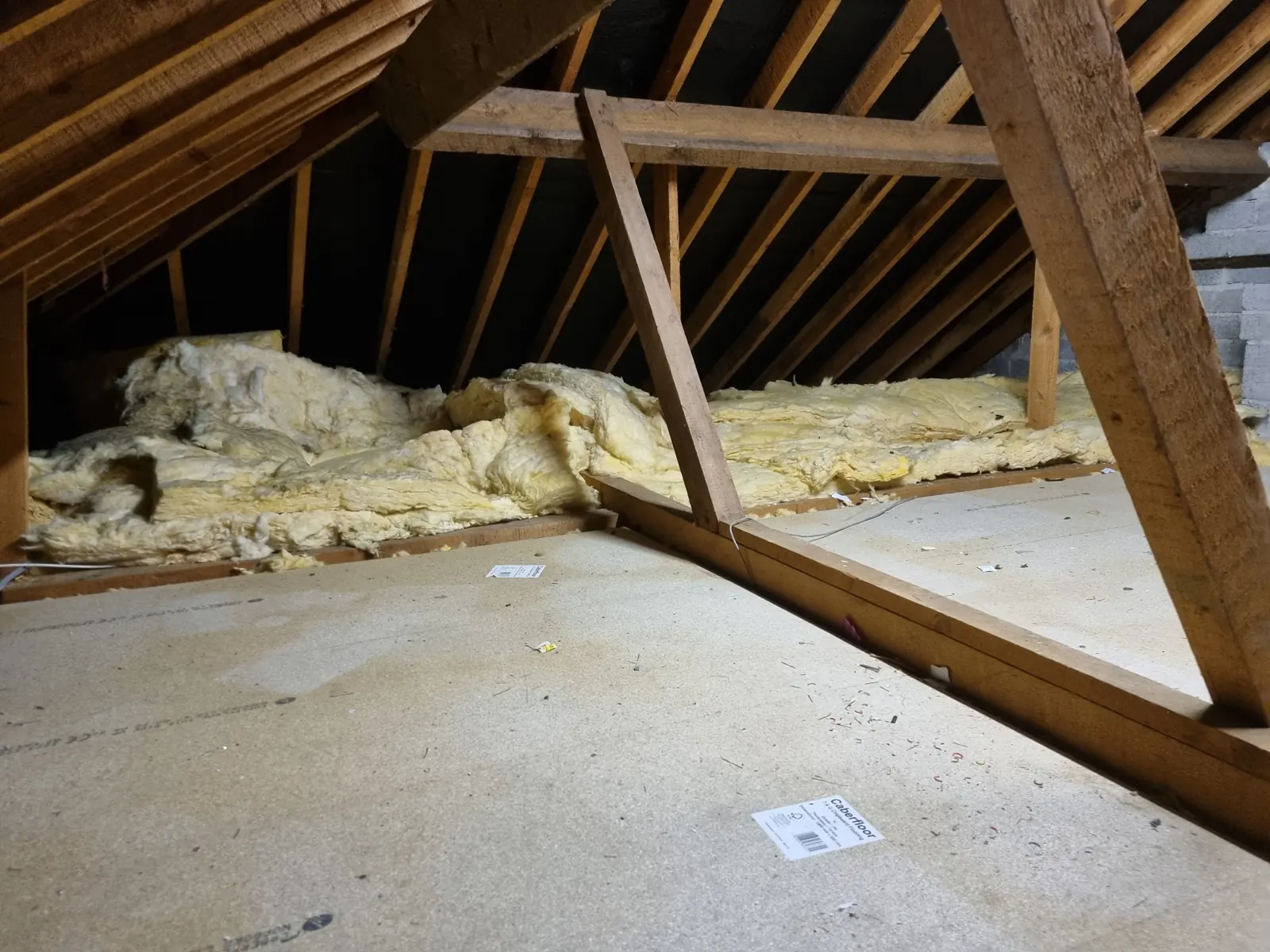
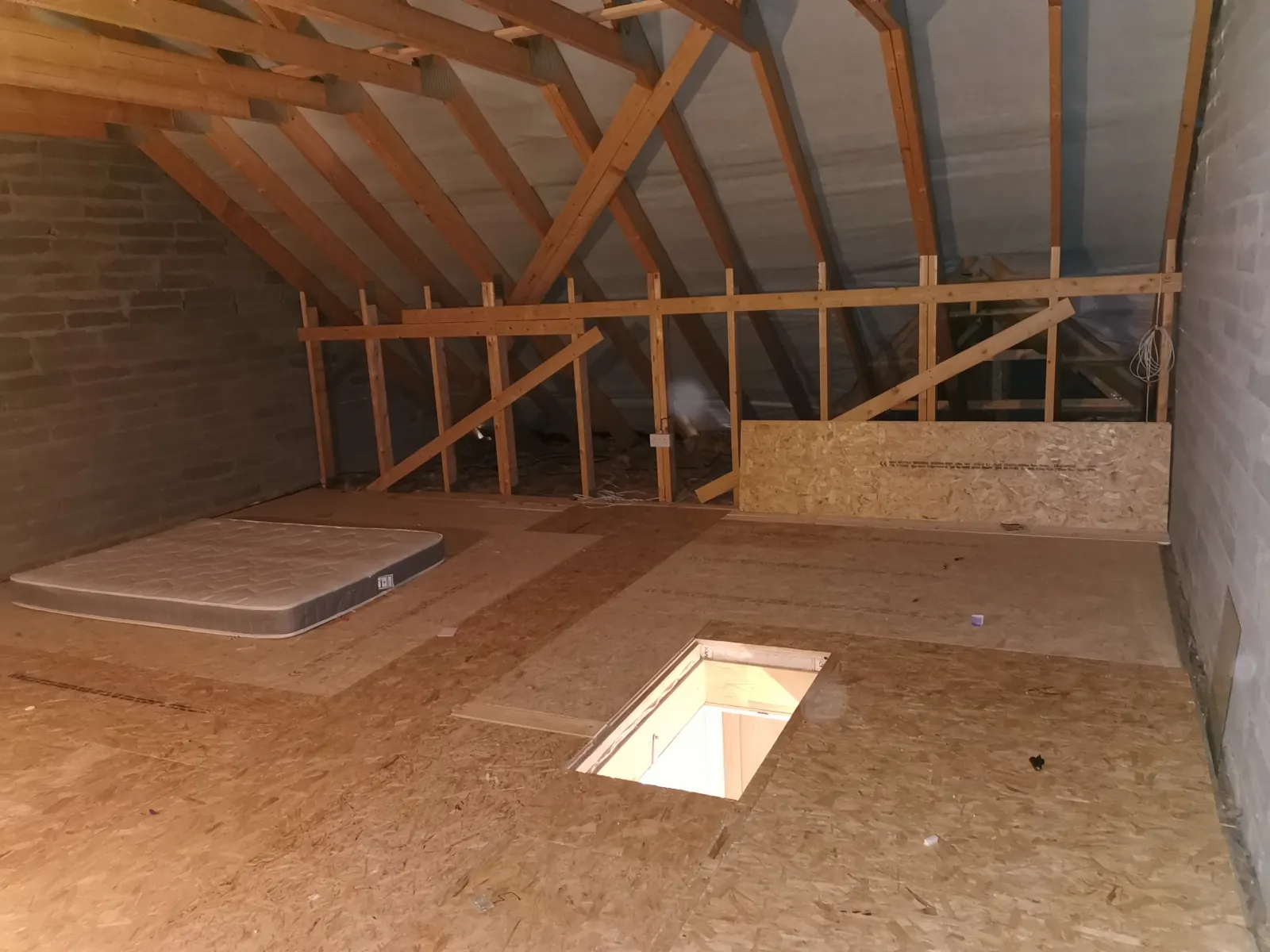
- Attics, floored or not, which in houses lived in for fifty years hold the most surprising things. The attic clearance page explains how we go about them.
- Garages and sheds, often holding a second kitchen’s worth of appliances and a lifetime of tools.
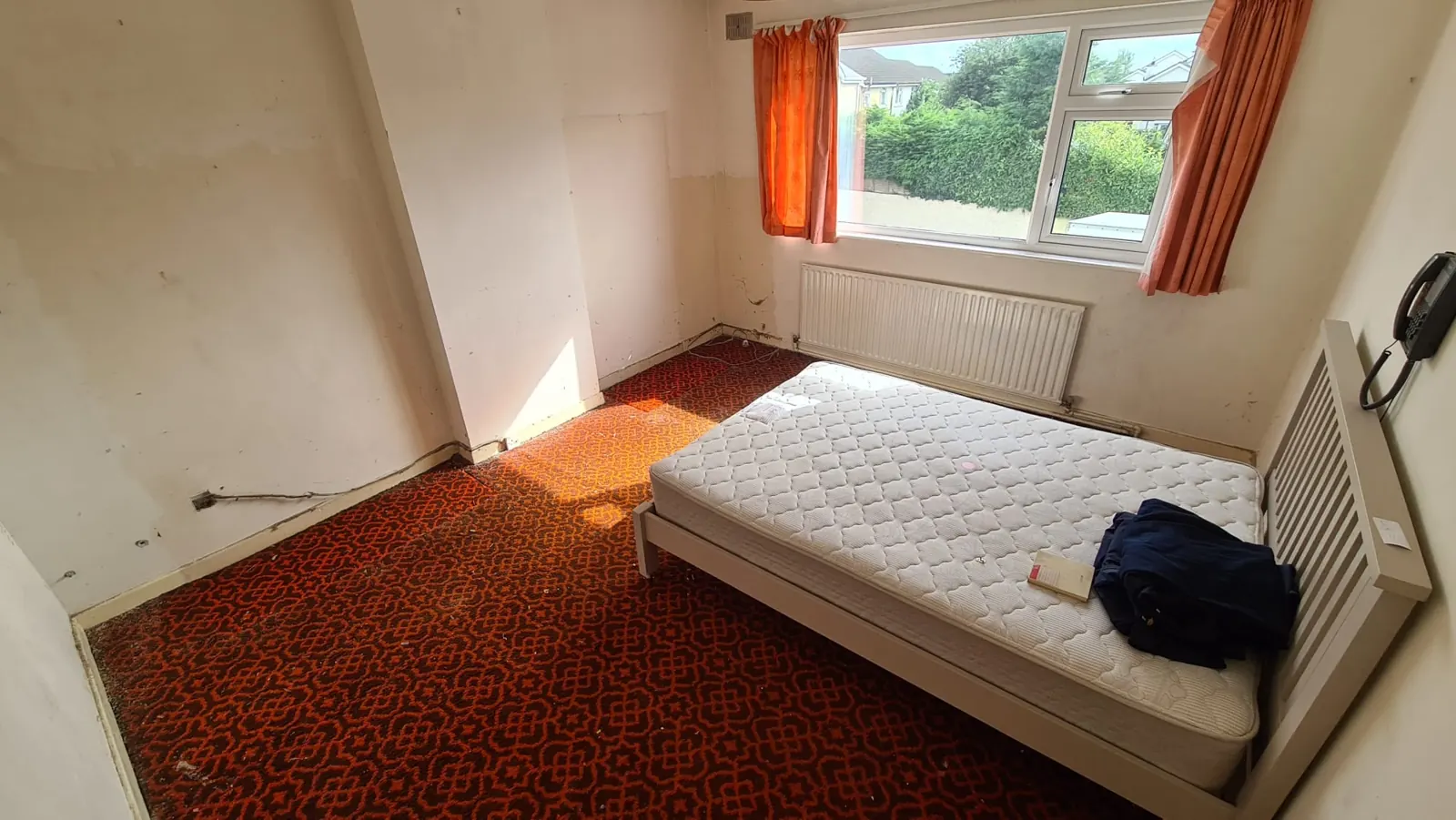
- Downsizing clearances, where a couple moving to an apartment want the furniture they are not taking gone and the house left tidy for the new owners.
Access, parking and the practical bits
Glenageary is straightforward to work in. The estate houses have driveways, the roads are quiet and wide enough for a van, and there is no pay parking on the residential roads. We load from the door and keep the drive clear for the family’s car.
The Victorian roads are different only in scale: longer front gardens, steps to the hall door, a basement reached from a separate door at garden level, and furniture that was built for rooms with high ceilings and does not always suit modern stairs. We dismantle what needs dismantling and carry everything by hand.
The roads around the station and the roundabout are busy at commuter times, and Adelaide Road fills with school traffic in the afternoon, so we aim for a mid-morning start when we can and avoid the pick-up hour.
Why people in Glenageary call us
The typical Glenageary job is the clearance of a house that has held one family since the 1960s or earlier. The parents have died or moved into care, the house is going on the market or to a grandchild, and the family needs it emptied with care over a day or two. We handle bereavement clearances at the family’s pace, set aside anything that looks like it should be seen and keep in touch as we go. If probate is in train, this bereavement clearance checklist sets out the order to do things in.
We are a Dublin crew, fully insured, and our Waste Collection Permit number is NWCPO-25-13287-01. Furniture, kitchenware, books and tools that still have use in them go for reuse or donation, recyclables are separated and only genuine waste goes to a licensed transfer station. For what to expect and how to get ready, read our guide on clearing a house after a bereavement.
We also work in Dún Laoghaire, Dalkey and Killiney, so a Glenageary job that includes a storage unit or a second property nearby can be booked together.