Clearing homes in Leixlip
The old village is small: Main Street with its pubs and shops, the church on the hill, the gates of Leixlip Castle, the Liffey bridge and the ESB dam above the Salmon Leap that gave the town its Norse name. Terraces and cottages line the street and the lanes off it, and a few larger period houses sit behind walls on the Dublin and Celbridge roads.
The town proper is the estates. Rinawade, Glendale and Confey went up on the north side in the 1970s and 1980s, climbing from Captain’s Hill towards the Confey railway station and the Royal Canal; River Forest, Castletown, Highfield and Easton filled in on the other side; Barnhall, below the Wonderful Barn, came later. Almost all of it is three and four-bed semis and terraces with a front drive and a back garden, built for families who moved out from Dublin and stayed.
Intel’s campus on the western edge of the town has been the big employer since the 1990s, and that has kept the housing stock changing hands, with newer apartments near Louisa Bridge station and along the Celbridge Road.
What we clear in Leixlip
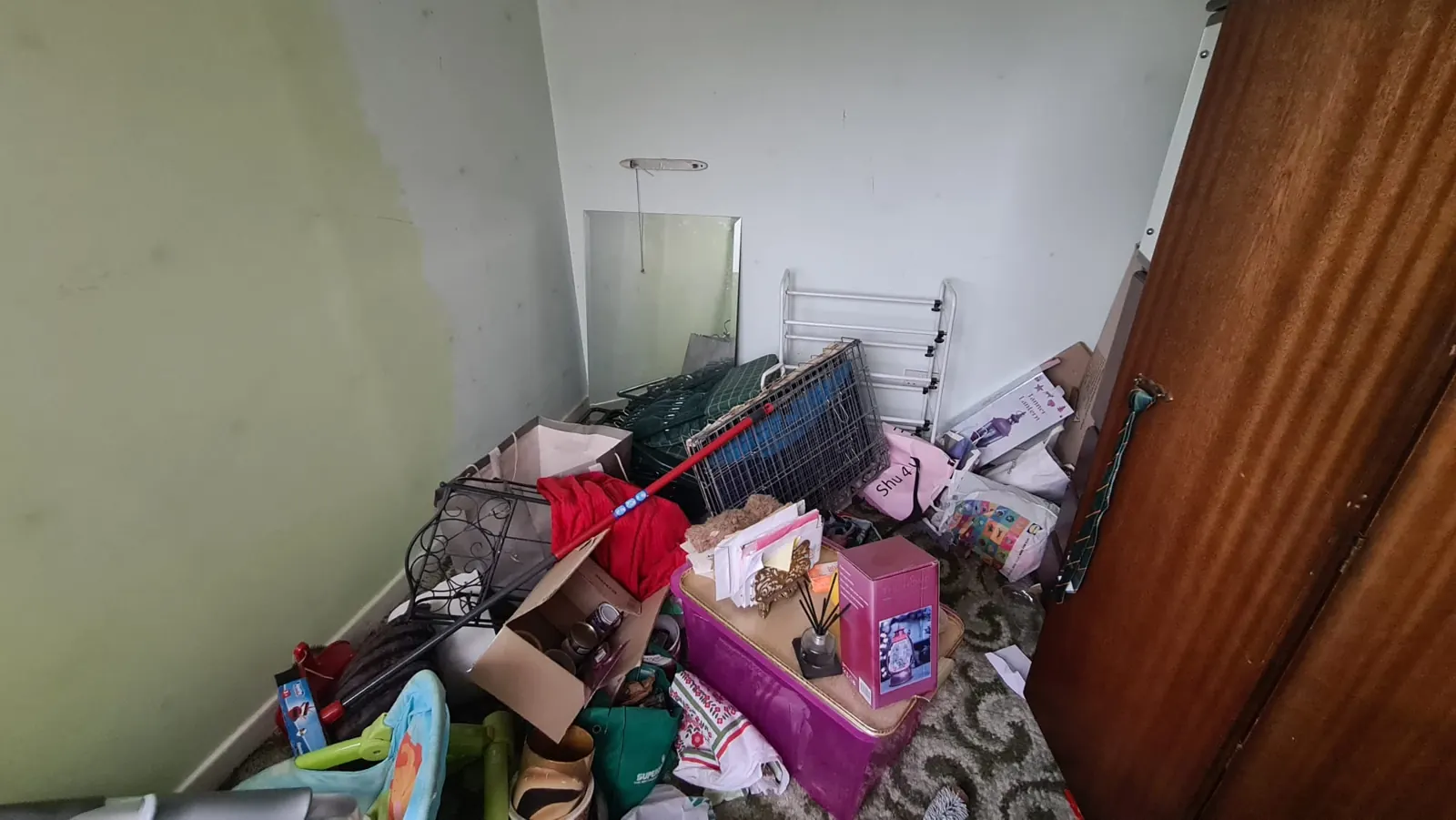
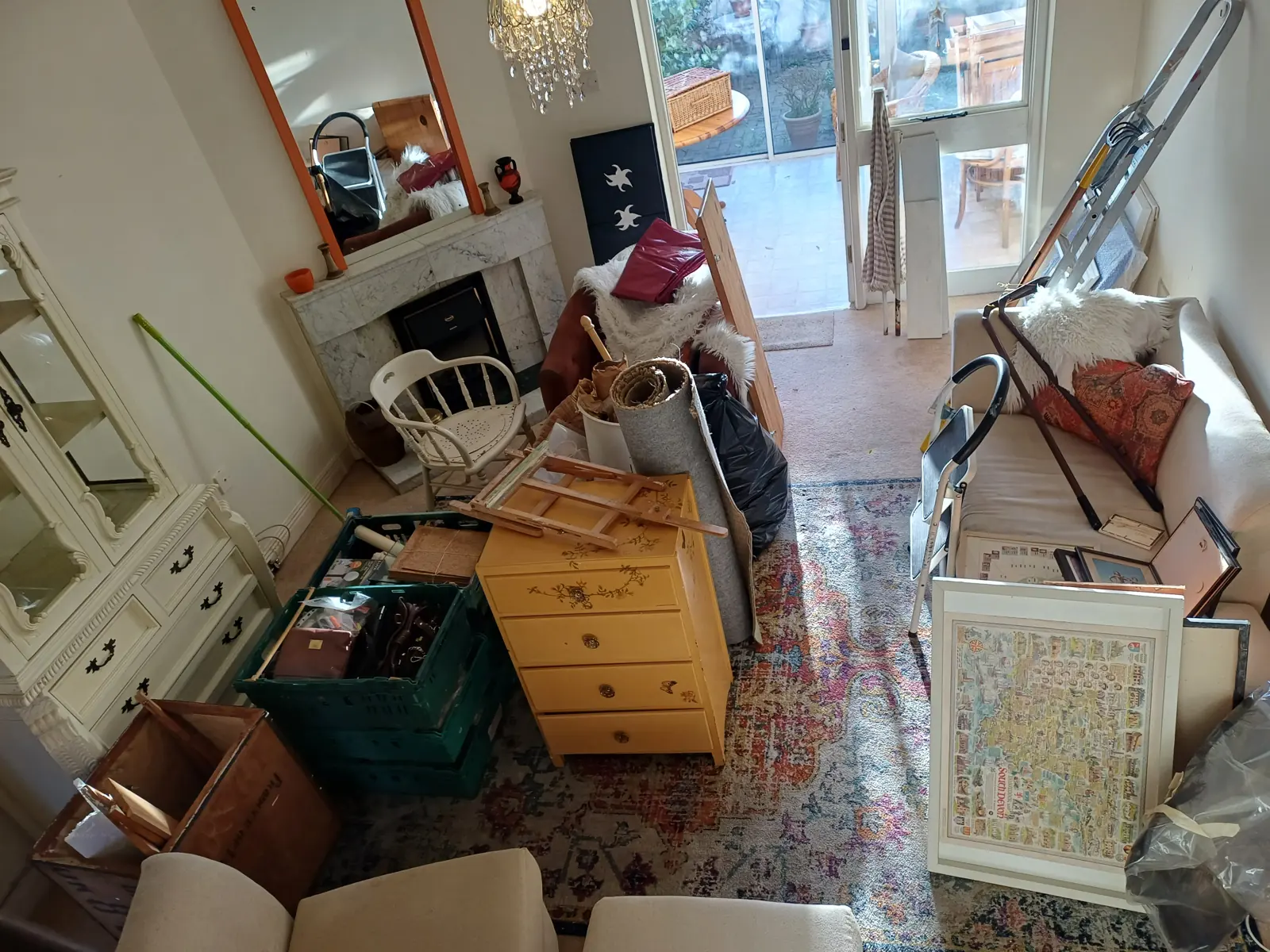
- Family homes in Rinawade, Glendale, Confey, River Forest and Castletown that have been with the one family since new, cleared for sale, downsizing or a move into care.
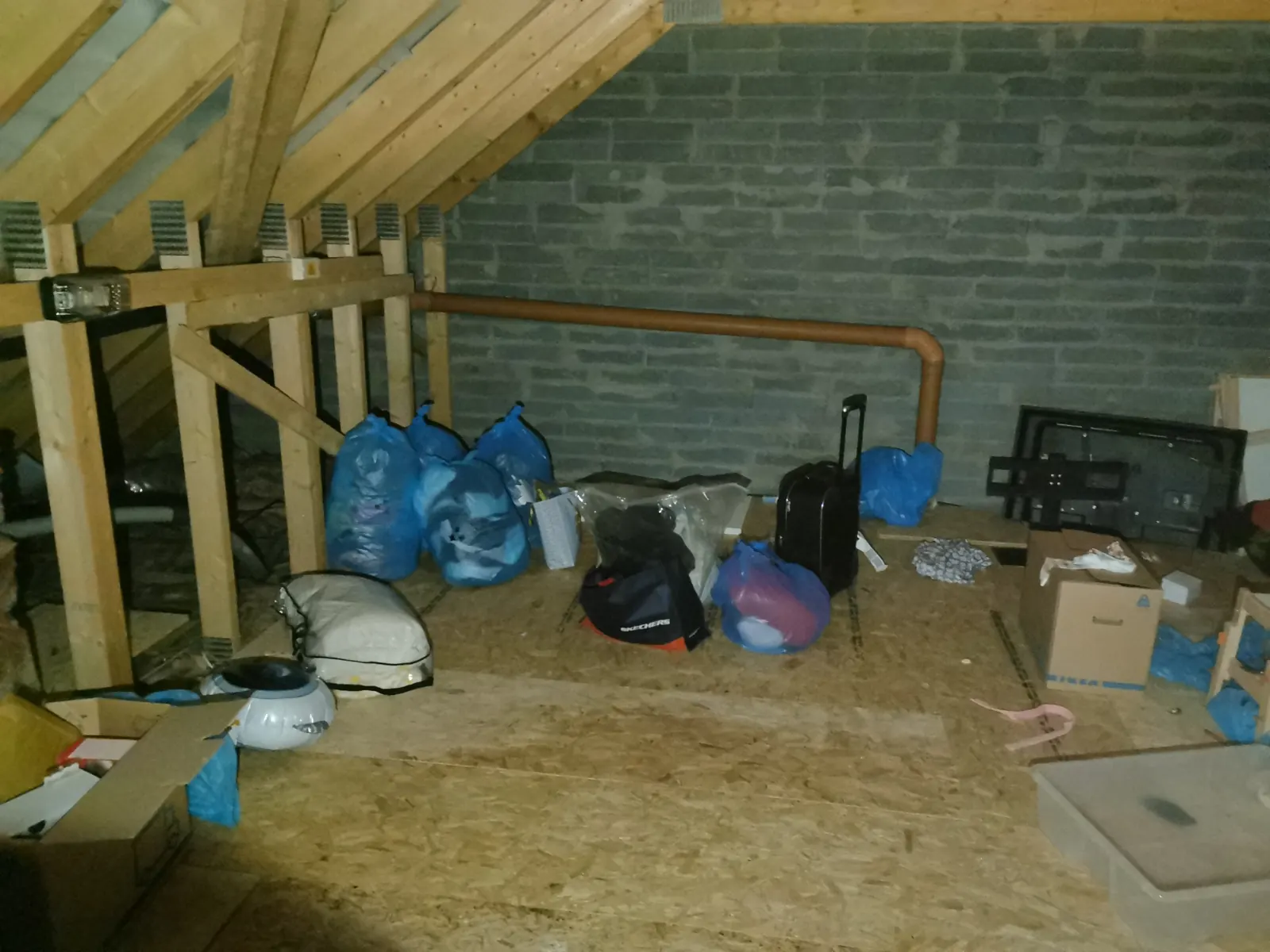
- Attics that were boarded in the 1980s and have been the household store ever since. Our attic clearance page explains how we get it all down the ladder safely.
- Garages and side-passage sheds, the Leixlip semi’s standard store for bikes, tiles and the old kitchen table.
- Bereavement clearances with the family in Dublin or abroad, keys left with a neighbour and photos sent as we go. Our bereavement clearance page describes how we handle the personal side.
- Heavy single items on their way out: a piano, a three-door wardrobe, a cast-iron bath after a bathroom refit. Furniture removal covers the awkward pieces.
Access, parking and the practical bits
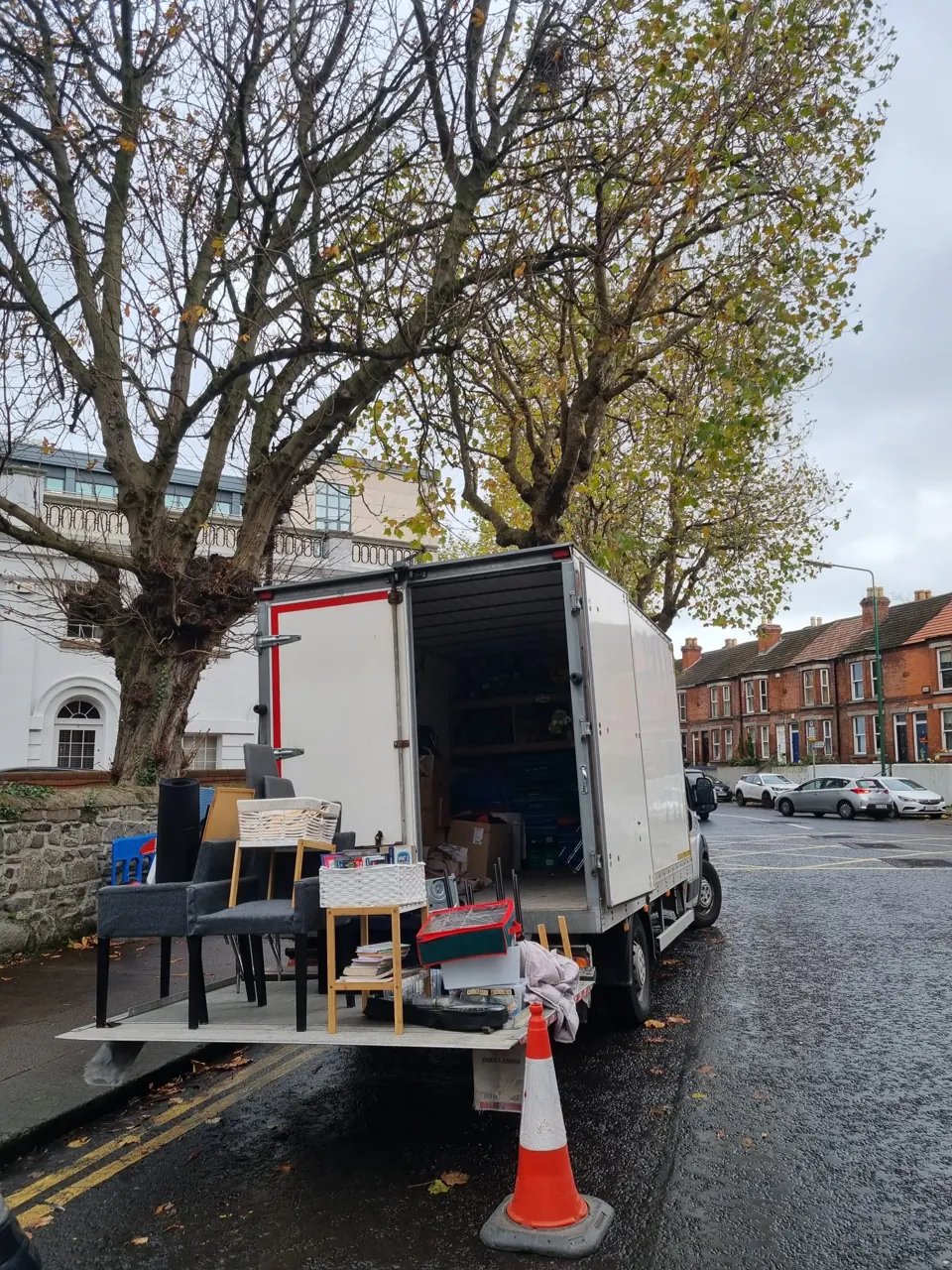
Captain’s Hill is the one road in Leixlip that needs thought: steep, narrow in parts, with a constant flow of traffic between the village and Confey. If the house fronts onto it we arrive early, park tight to the kerb with the hazards on and keep the loading quick; a rear lane or a driveway solves it altogether.
Main Street is narrow with limited parking, so for a terrace or a flat there we use the car parks off the street or a quiet side road and carry the short distance.
The estates are easy: driveways, kerbs and side gates. Rinawade and Glendale have some cul-de-sacs where the turning circle is tight for a box van, which means a few extra steps with each load rather than any real difficulty. Newer apartments near Louisa Bridge have gated car parks and bin stores to be arranged with the management agent before the day.
From Dublin it is the M50 to the M4 and off at junction 5, so Leixlip is one of the shorter runs we make outside the county. Jobs here are often paired with Celbridge or Maynooth on the same day, which is one reason the travel share of a Leixlip quote stays modest.
Why people in Leixlip call us
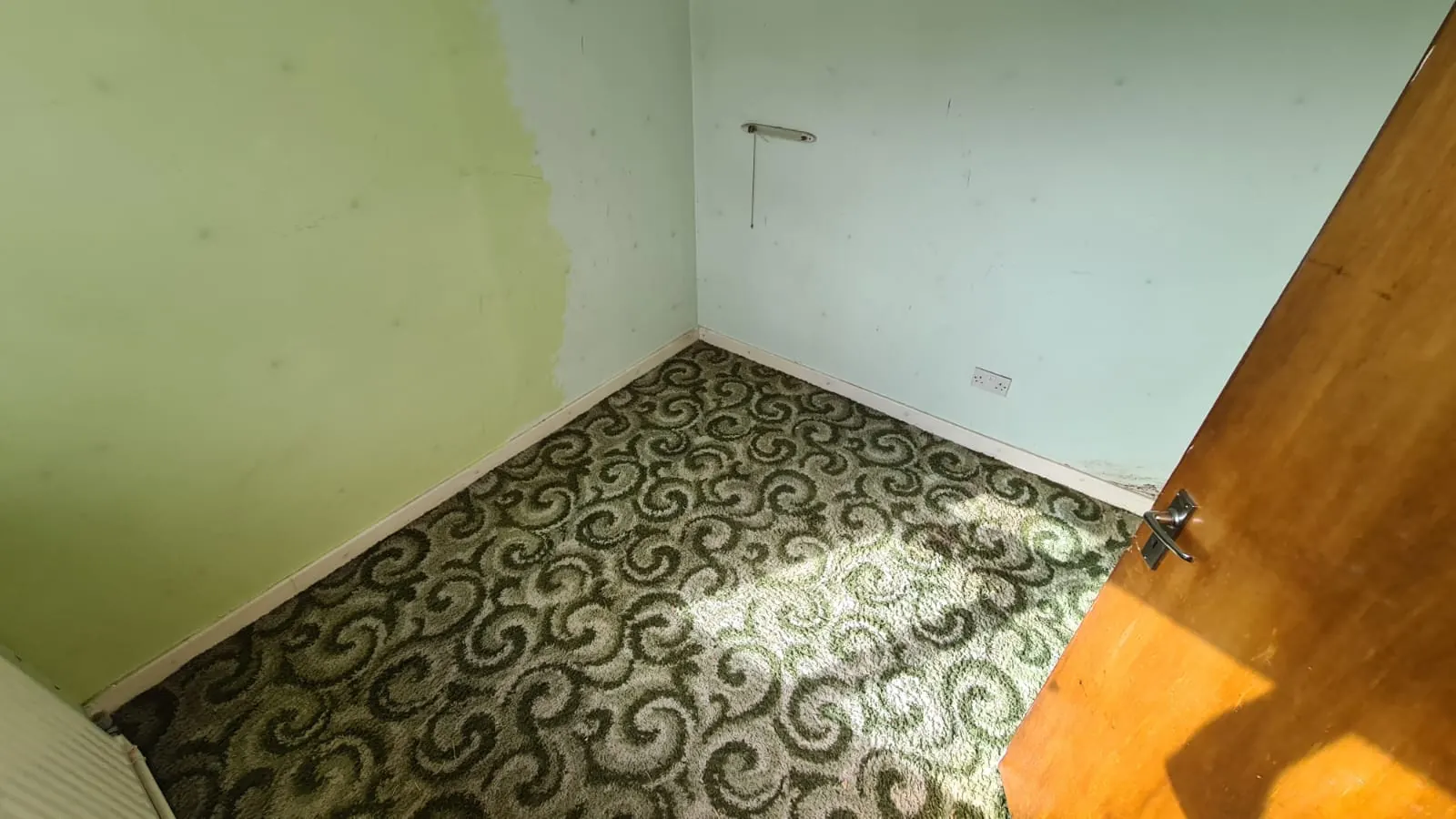
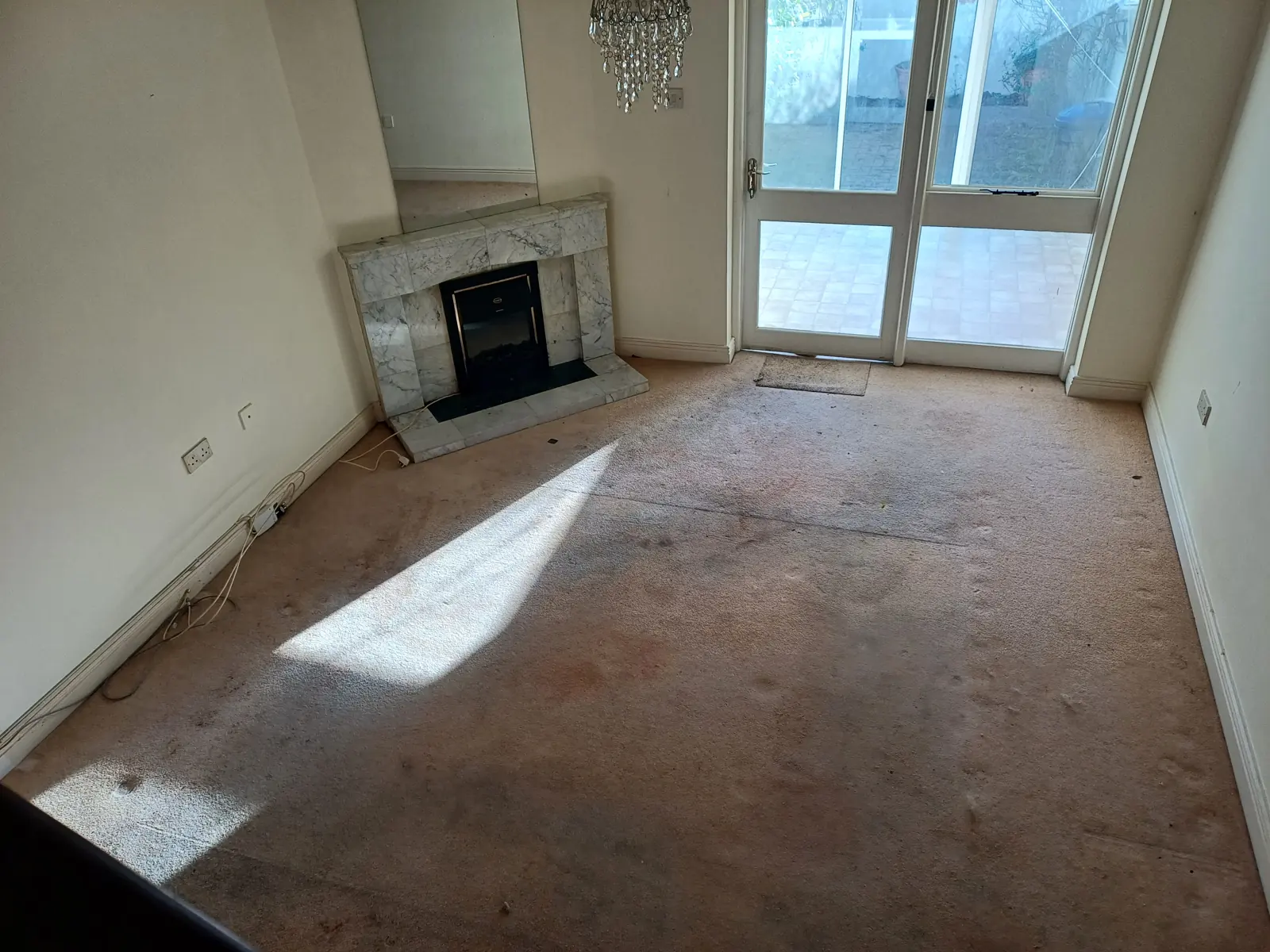
Most Leixlip calls come from the children of the people who bought those houses new in the 1970s and 1980s. The parents have passed away or moved somewhere smaller, the house has been full for forty years, and it has to be empty for the estate agent in a few weeks. The other regular call is from someone staying put but finally dealing with the garage and the attic before a renovation.
A two-person crew and a box van, working under a waste collection permit, handles all of it in one visit. Usable furniture and goods are set aside for reuse or donation, recyclables are separated, and the rest is taken to a licensed transfer station; our post on what a house clearance service removes lists what goes in the van and what needs a word first.
One item on its own is a local job, not a Dublin one, and if that is what you have we would rather tell you than quote for a trip out.
Across the Liffey is Lucan, the first Dublin suburb; up the road are Celbridge and Maynooth; and the whole county is covered on our Kildare page.