Apartment clearance in Dublin: a guide for tenants, landlords and owners
Clearing an apartment in Dublin is mostly a logistics job: the furniture has to come down a lift or stairs, through a lobby, past a management company’s rules, and into a van that may have nowhere legal to park. Get the access sorted and the clearance itself is straightforward; skip it and a half-day job becomes a full one. This guide covers what tenants, landlords and owners each need to think about, and what a crew needs to know before it arrives.
What does “leaving the apartment as you found it” actually mean?
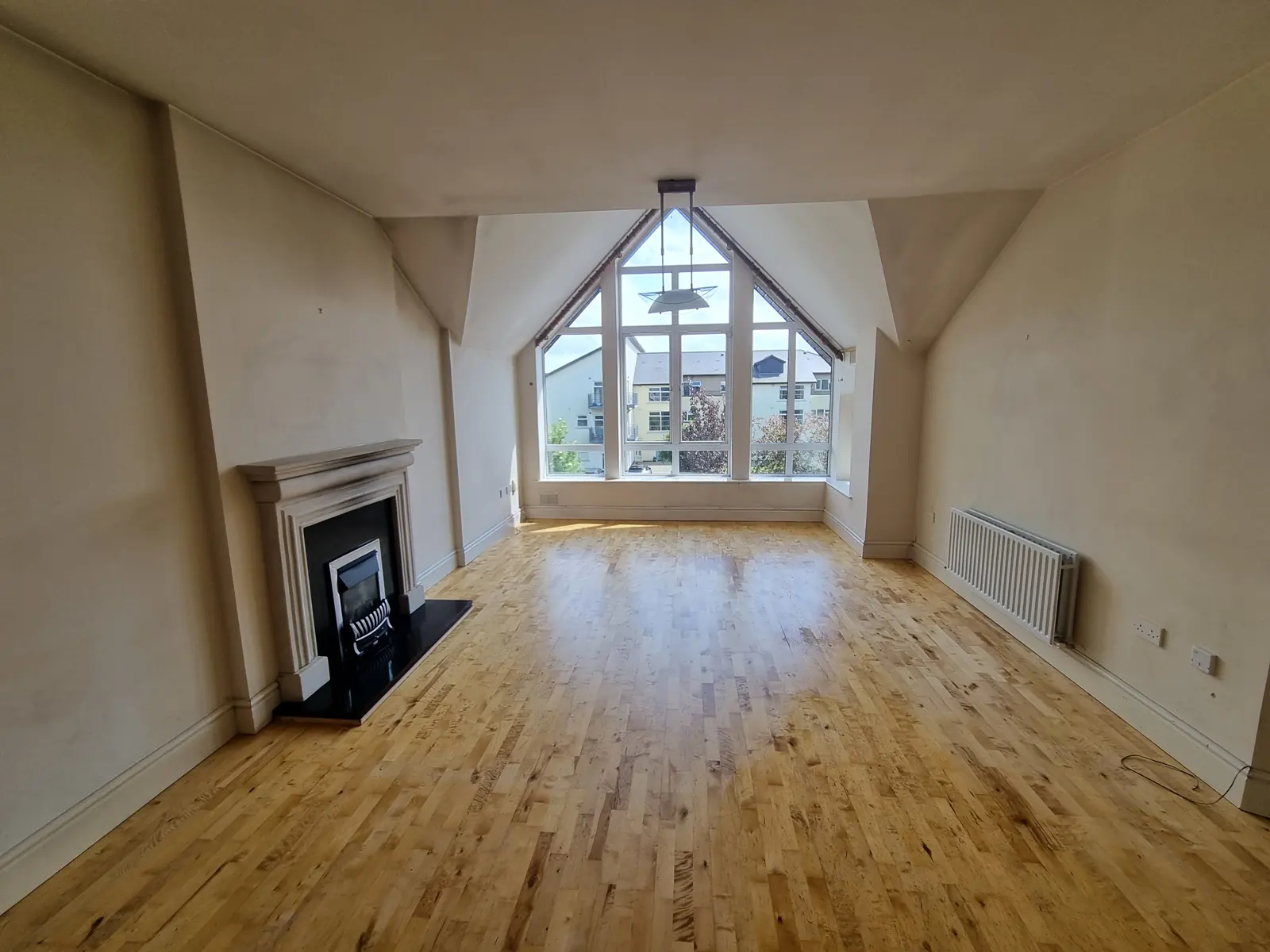
For a tenant at the end of a lease, it means the apartment should be handed back in the same condition it was let in, allowing for normal wear and tear, with nothing of yours left behind. Furniture that came with the let stays; furniture you bought goes with you or gets cleared. That last part is where deposits are lost.
Landlords can deduct from a deposit for costs beyond normal wear and tear, and removing what a tenant leaves behind is one of the most common deductions. A mattress, a broken wardrobe and ten bags of bits cost more to clear from a fourth-floor apartment than most tenants expect, so clearing them before the final inspection is almost always cheaper than letting the landlord do it and bill you.
Photograph every room once it is empty and keep the check-in inventory; if there is a dispute, the Residential Tenancies Board will want evidence from both sides.
What rules does the management company have?
Almost every apartment development in Dublin has an owners’ management company, and most have house rules about moving furniture in and out. The usual ones are:
- Lift booking. Larger developments ask you to book the lift for a window, and some only allow furniture moves during weekday daytime hours.
- Protective covers. Many buildings hang padded covers in the lift and ask for floor protection in the lobby; some keep the covers at the concierge desk, others expect you to supply them.
- Loading bay. If there is one, book it or at least flag it, because residents’ spaces cannot be used by a van and the street outside is often a clearway or a bus lane.
- Bin store. Bulky items left in the bin store are the biggest single cause of friction between management companies and residents. Mattresses, sofas and flat-pack carcasses do not go there, and many management companies will charge the owner for removing them.
- Concierge hours. In buildings with a concierge, the clearance has to happen while someone is on the desk to release the lift and open the loading door.
Ring the managing agent or concierge a few days ahead and ask exactly what they need; it avoids the van sitting outside while someone looks for the lift key.
What does the clearance crew need to know?
Send this with your photos and we can quote accurately and plan the day:
- Floor number, and whether there is a lift. A fourth-floor walk-up in a converted period house is a different job from a fourth-floor flat with a lift.
- Lift size if you know it. Some lifts will not take a sofa or a double mattress standing up, which means the stairs for those items.
- Parking and access: loading bay, underground car park (with its height limit, because box vans rarely fit), set-down area, or on-street.
- Concierge or management company hours and any booking you have made.
- Distance from lift to door, and any fire doors or long corridors in between.
- The Eircode of the block and, if the development is large, which block or core you are in.
A photo of each room from the doorway and one of the building entrance covers the rest.
What is different about mattresses and flat-pack furniture?
Apartment clearances produce two things in quantity: mattresses and flat-pack furniture, because that is what furnished lets and first homes are filled with.
Mattresses are awkward to carry, awkward to recycle, and are priced separately on most quotes for that reason. They go to a licensed facility for processing rather than into general waste. If there are several, tell us how many.
Flat-pack wardrobes, beds and bookcases rarely survive a move, and the honest advice is not to try: assembled chipboard does not reassemble well, and a wardrobe that has stood for five years will not fit through the door in one piece anyway. The crew dismantles it on site and it goes into the timber stream for recycling; a piece that is genuinely solid and in good condition goes for reuse instead.
Our article on what happens to your items after a house clearance explains the rest of the sorting.
What should landlords think about between tenants?
For a landlord, the clock is the cost: every week the apartment sits full of the last tenant’s leftovers is a week without rent, so most landlords want the clearance done within days of the keys coming back and before the viewings start.
The practical points are: decide what furniture stays for the next let and label it (or send us a list with photos); have the clearance before any repainting or carpet work so the trades have an empty flat; and arrange the lift and loading bay yourself if the agent will not, since the management company deals with owners, not departing tenants. If you are letting furnished again, this is also the moment to replace a tired mattress rather than work around it.
For the landlord’s side in more depth, this landlord guide to end-of-tenancy clearance covers inspections, inventories and deposit deductions. Once the furniture is gone, many landlords book end-of-tenancy carpet cleaning before the first viewing; that is a separate service from a clearance, but the order (clear first, then carpets) matters.
What about owners clearing their own apartment?
Owners tend to clear because they are selling, downsizing, or clearing a relative’s apartment after a death. The management company rules apply just the same; the one difference is that an owner can deal directly with the managing agent rather than through a letting agent, which speeds up the lift booking.
If you are clearing an older relative’s apartment, give yourself time to go through it before the crew arrives; apartments have fewer hiding places than houses, but the hot press, the top of the wardrobes and the storage cage in the car park (if the block has them) are the three to check. Our preparation checklist covers what to take out and who to tell.
Frequently asked questions
Can you clear a top-floor apartment with no lift?
Yes. Plenty of Dublin apartments are in converted period houses or older blocks with no lift, and the crew carries everything down by hand. Stairs change how long the job takes and therefore the price, so tell us the floor when you send photos and we will quote for it properly.
Do you deal with the management company for me?
We will work to whatever the management company requires on the day: covers, booked windows, the loading bay. Booking the lift or notifying the agent has to come from a resident or owner, because most agents will not take instructions from a contractor. Make the call, tell us what they said, and we handle the rest.
I am moving out next week and the landlord wants the place empty. Can you fit me in?
Send us the photos and the date and we will tell you honestly whether we can. Apartment jobs usually take a half-day to a day depending on the floor and the volume, and we work Monday to Saturday. The sooner you send the photos, the more likely we are to have the day you need.
Can you clear the balcony as well?
Yes. Balcony furniture, plant pots, a clothes airer and a bike are all straightforward, and they come through the apartment with everything else. A barbecue can go once the gas cylinder is removed, since the cylinder is not something we carry.
Can I leave my furniture for the next tenant instead of clearing it?
Only if the landlord agrees, and get that agreement in writing. Otherwise anything you leave counts as left behind, and the cost of clearing it can come out of your deposit. Landlords letting furnished sometimes welcome a good sofa or desk, but few will want a used mattress or flat-pack furniture that has already been moved once.
The landlord’s furniture is broken. Can you take it away with mine?
Only with the landlord’s say-so, because it is their property, not yours. Ask them by email or text whether they want it removed, and forward the reply to us with your photos. Without that, report the damage and leave the item where it is.
Some of my furniture is already in the bin store. Can you collect it from there?
Yes, as long as the management company lets us into the bin store and you point out which items are yours. Ring the managing agent first, tell them it is being collected and when, and ask how the crew gets access. We cannot take other residents’ dumped items unless the management company asks us to.
What if the lift breaks down on the day?
Let us know as soon as you hear. The crew can still use the stairs, but on a high floor that changes how long the job takes, so we will agree with you whether to go ahead on the stairs or move the date. Either way, nothing changes without you knowing first.
Should I take down the TV bracket and shelves I put up?
Check your tenancy agreement or ask the landlord first. Some landlords want brackets and shelves left, while others want them gone and the holes filled, and getting it wrong can cost you from the deposit. If they are coming down, take them off the wall yourself and we will take them with the rest; we do not fill or repair walls.
We are flatmates moving out on different dates. Can you do it in two trips?
Yes. Each visit is quoted separately, so tell us what is going on each date and whose things are whose. If the dates are close together, one visit at the end is usually better value, and anything going on the second trip can wait in one room until then.
Next step
Send a photo of each room and one of the building entrance to 085 202 1222 on WhatsApp, or request a free quote online, and tell us the floor and whether there is a lift. Our apartment clearance service page covers the full process, and if it is a few bulky items rather than a whole flat, our furniture removal page explains how part loads are priced.
Helpful resources
- End-of-tenancy carpet cleaningcarpetcleaningservice.ie