
Clearing homes in Drogheda
Drogheda was a walled town, and St Laurence’s Gate, the last of its barbicans, still stands at the top of Laurence Street. Inside the old line of the walls are West Street, Shop Street and Fair Street with Georgian and Victorian town houses, shops with flats above and long terraces of two-up two-downs running down to the quays. Millmount looks over it all from the south bank, and the railway viaduct carries the Belfast line high across the river.
The town spread in every direction after the 1960s. Ballsgrove and Rathmullen on the south side are 1960s and 70s estates of terraced and semi-detached houses, Yellowbatter and Moneymore on the north side are similar, and the 1990s and 2000s added Grange Rath, Bryanstown and the houses off Marley’s Lane, some of it over the county line in Meath. Those are the three and four-bed semis with a driveway and a garage that make up most of our work here.
Drogheda has also kept its port and its industry, and with the M1 and the commuter trains it is now as much a Dublin commuter town as a Louth one. Bettystown and Laytown on the coast are ten minutes away.
What we clear in Drogheda
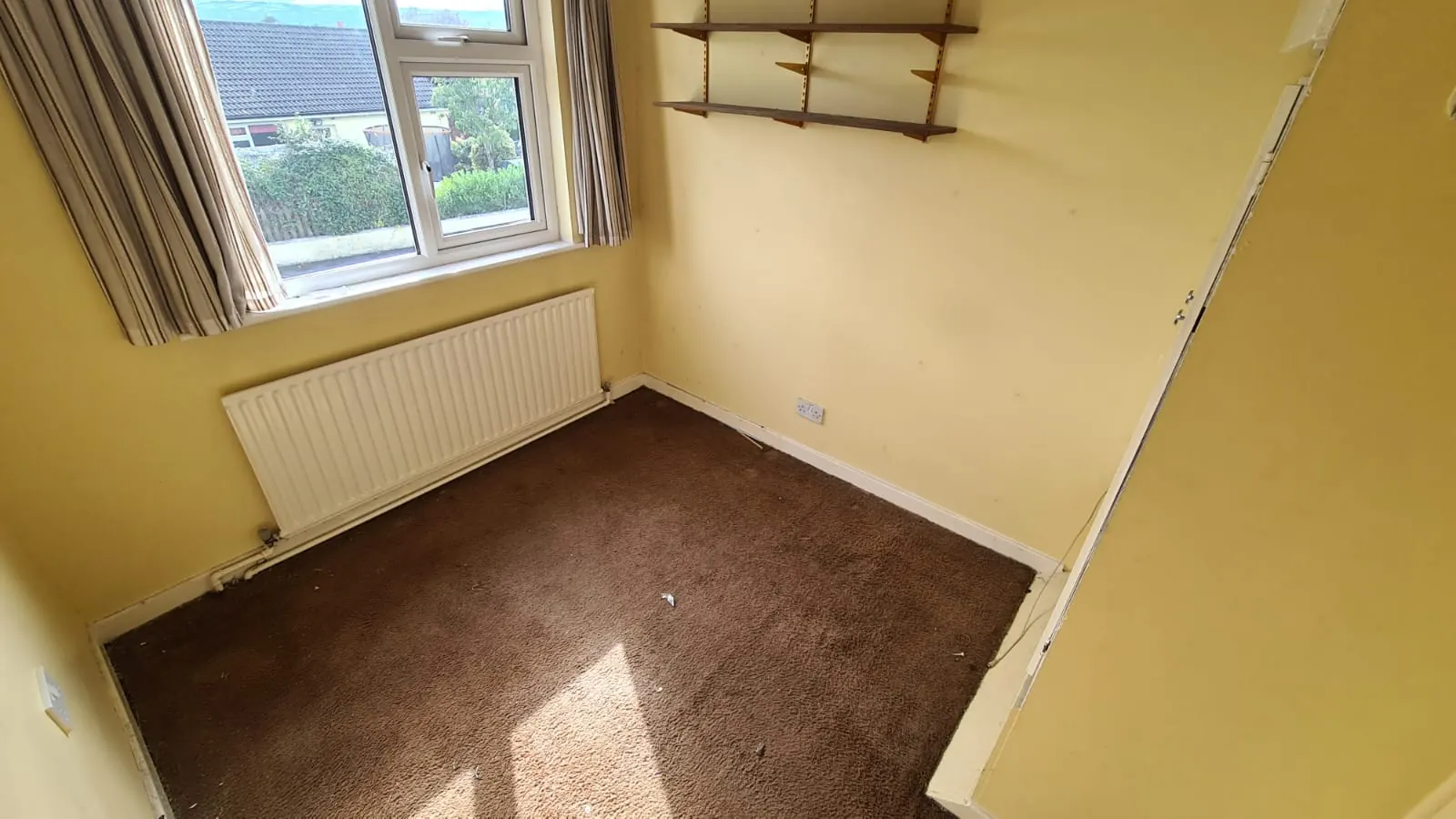
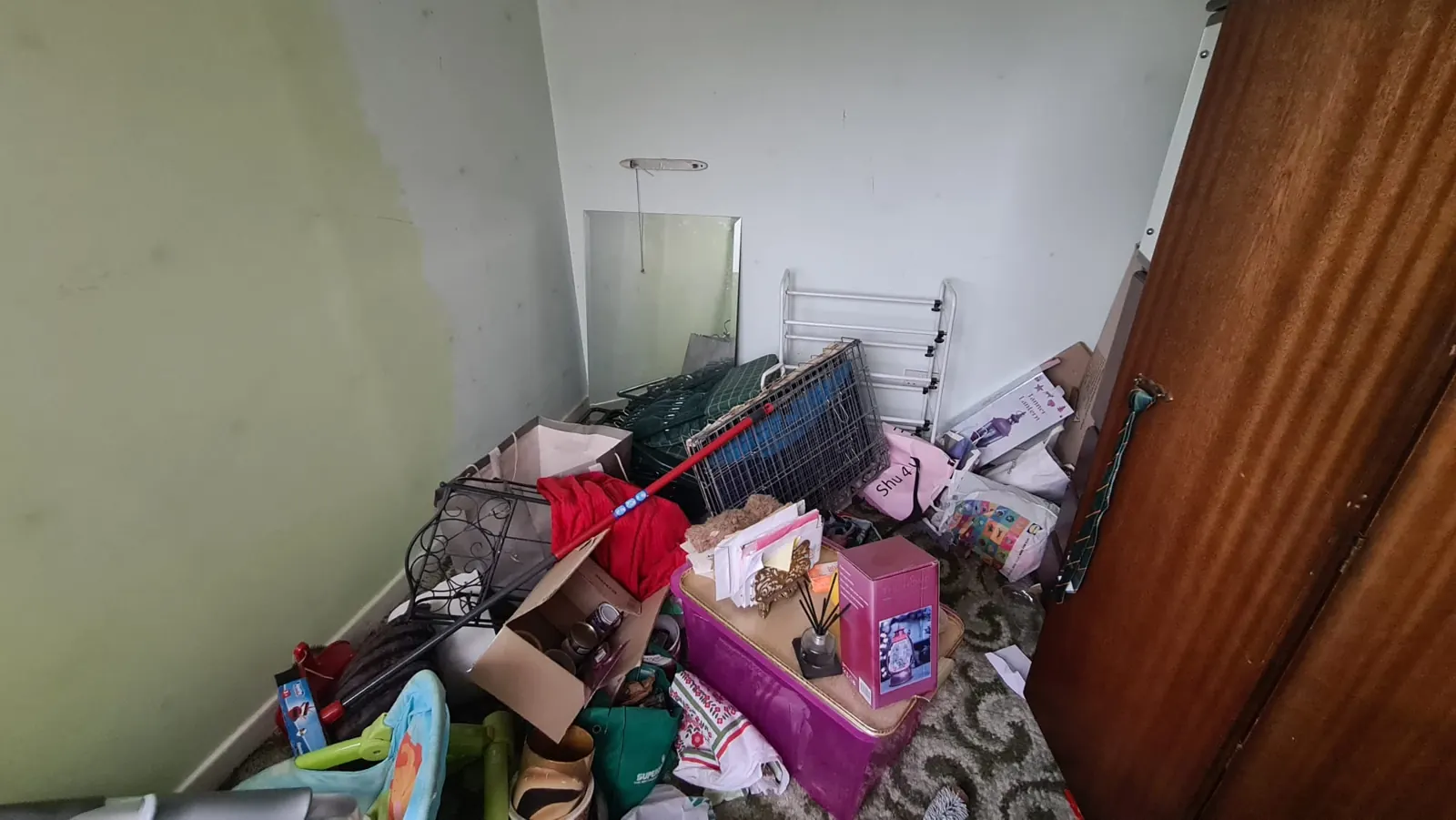
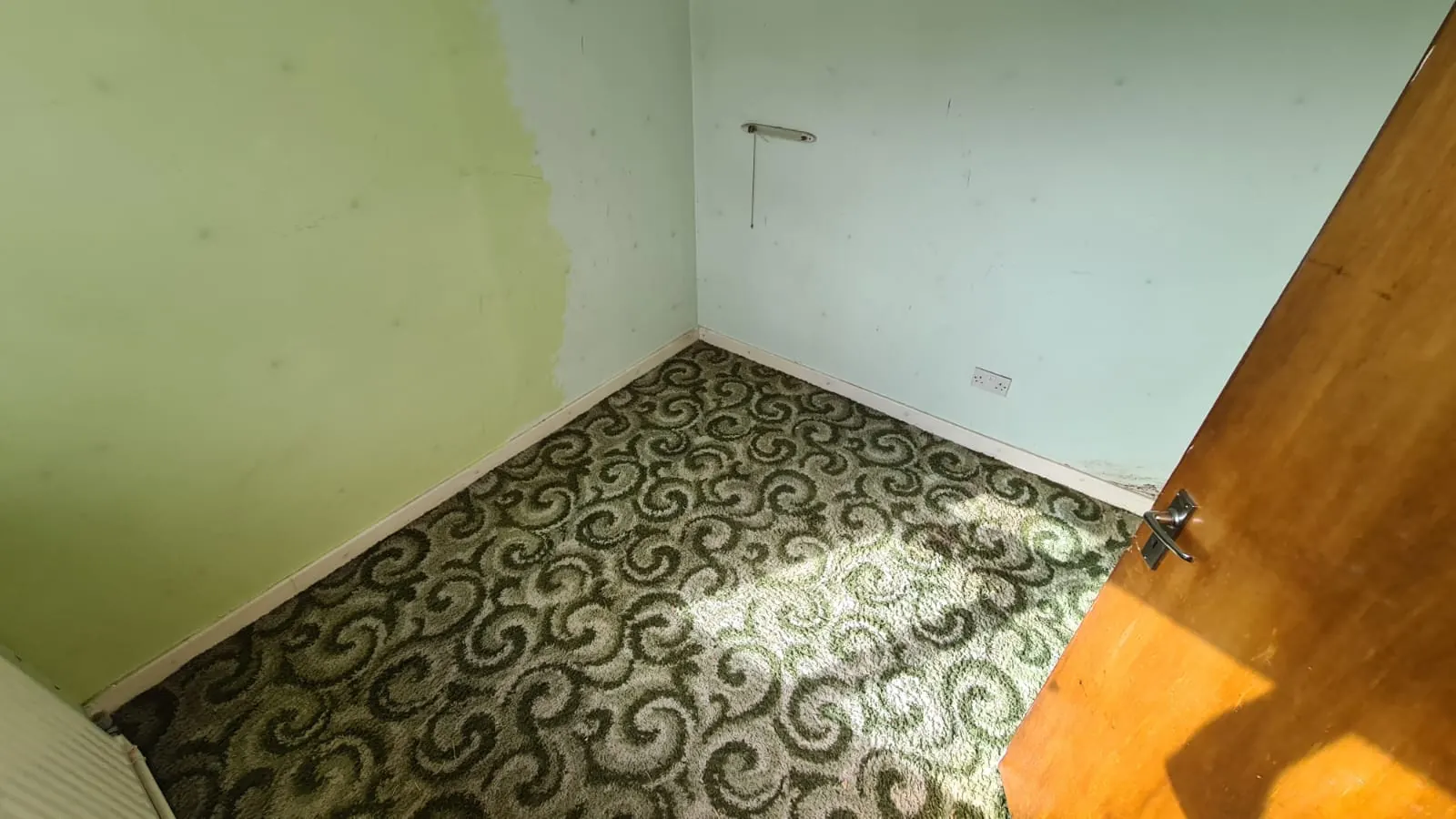
- Full house clearances in Rathmullen, Ballsgrove, Grange Rath, Bryanstown and the Marley’s Lane estates, before a sale or a new letting, with the attic, garage and shed counted in.
- Georgian and Victorian town houses on Fair Street, Laurence Street and around the Mall, often tall, often divided into flats at some point, always with stairs.
- Bereavement clearances in the terraces and the 1960s estates where a parent has lived most of their life. Our page on bereavement clearance explains how we work with families and executors.
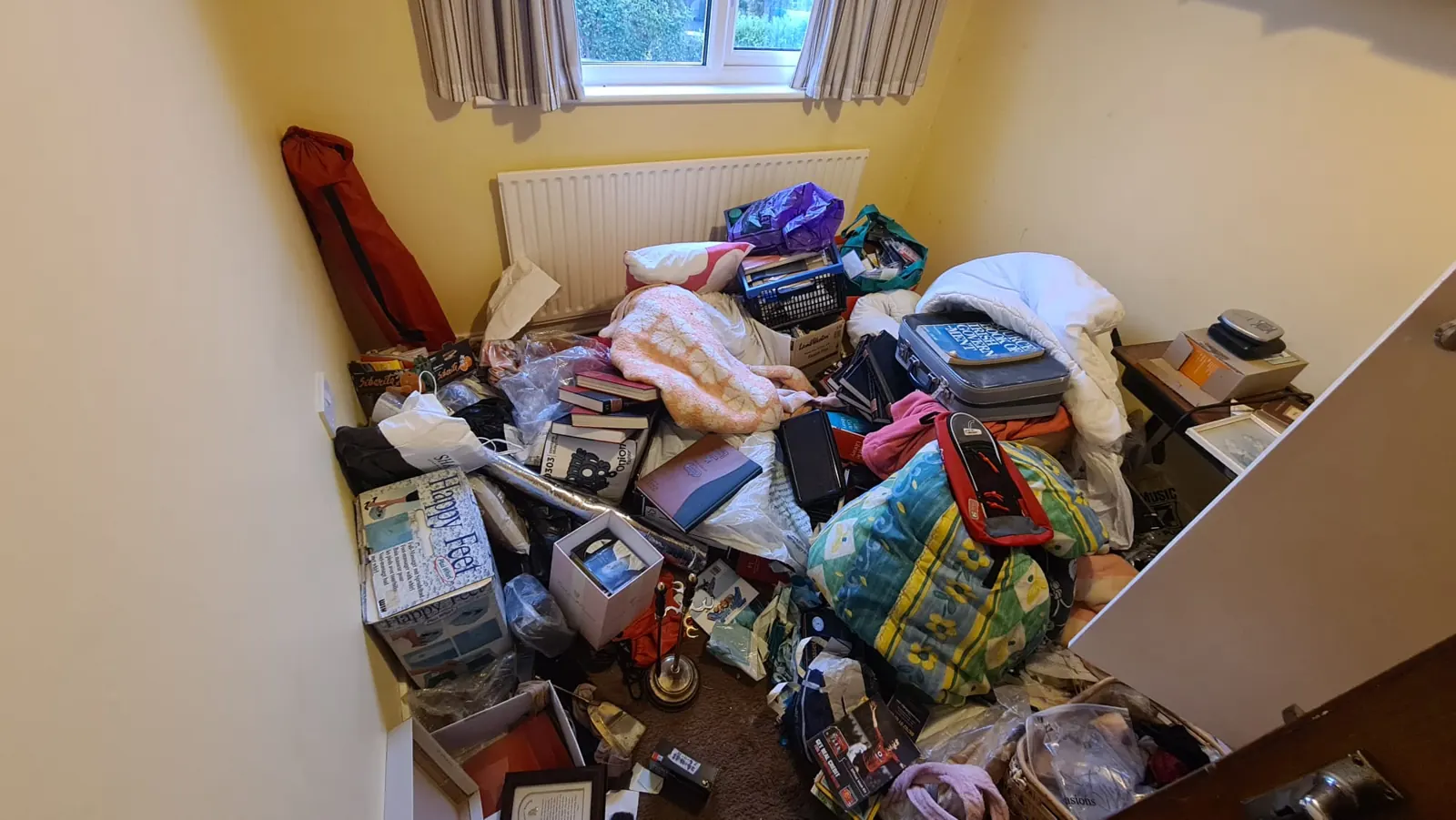
- Hoarded properties, cleared quietly over a day or two with a plan agreed in advance. See how to clear a hoarded house for what to expect.
- Flats over shops on West Street and Shop Street between tenants, carried down by hand to a van on the street.
Families dealing with an estate often find a bereavement clearance checklist a useful way to put the paperwork and the clearance in the right order.
The run from Dublin
We are a Dublin crew, not a Drogheda one, and we travel up. From Dublin the route is the M50 to the M1 and then north to the Drogheda exits, a little over an hour with a loaded van. Travel is built into the fixed quote, and we try to group Louth and east Meath jobs into the same trip.
The distance means we are honest about job size: a house, a hoarded property or a full apartment is worth the run, while one wardrobe is better handled by someone in the town. Our house clearance near me guide explains how we weigh distance against volume.
Streets, stairs and parking
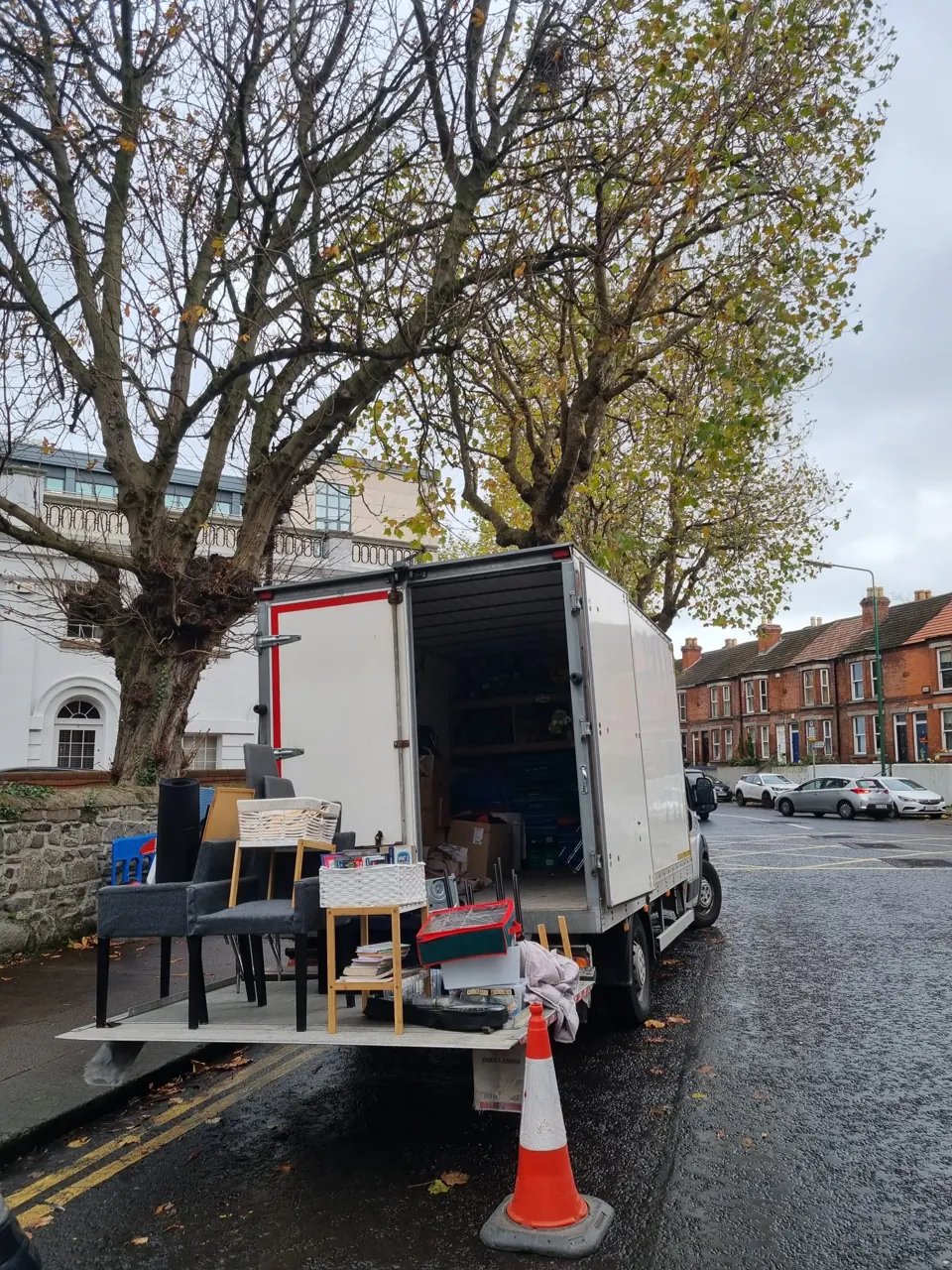
The estates are simple: driveway or kerb, side gate, out through the front door. Rathmullen and Ballsgrove have terraced rows where the van has to sit on the road, so we keep the loading tidy and quick for the neighbours.
The town centre is a different matter. West Street is busy from morning to evening, the surrounding streets are one-way and metered, and the old town houses have three or four flights of stairs. We start early there, use lanes and yards behind the houses where they exist, and allow extra time for the carry. Drogheda station and the Scotch Hall and Laurence Centre car parks fill from early morning, so weekday mid-mornings work best.
Why people in Drogheda call us
Most Drogheda calls come from families clearing a parent’s home in the older estates or the town-centre terraces, often with brothers and sisters in Dublin, Belfast and further away trying to coordinate a single weekend. The rest are landlords with a flat or house to turn around, and executors who need a property empty before the estate agent comes in.
A two-person crew with a box van does the lifting, the sorting and the disposal in one visit, and we hold a waste collection permit so you know where it goes. Usable furniture and household goods are kept back for reuse or donation, metal, timber and cardboard are recycled, and the rest goes to a licensed waste transfer station rather than a field somewhere.
Drogheda is the halfway point of our Louth run, between Dundalk to the north and Balbriggan on the Dublin side, and we come to it from the same direction as Ashbourne and Navan.