Clearing homes in the Marino scheme
Marino was planned, not sprawled. In the 1920s Dublin Corporation laid out the estate between Fairview and the Malahide Road on garden-suburb lines, with avenues and crescents curving around a central park and every house given a front and back garden. Croydon Park Avenue, Marino Park Avenue, Brian Road, Carleton Road and Shelmartin Avenue all date from that scheme, and Griffith Avenue runs along the top of it. The Casino at Marino, the 18th-century neoclassical lodge off the Malahide Road, was built in the grounds of the old Marino estate that gave the suburb its name.
The houses are two-storey, mostly two or three bedrooms, with a small front garden and a longer one behind. Many were bought out from the Corporation decades ago and have passed down within families, so a Marino clearance is often a house that has been home to the same people since the scheme was new.
Around the edges you find other stock. There are 1930s semis towards Griffith Avenue, older terraces towards Fairview, and apartments near Marino Mart and the Clontarf Road DART station.

What a Marino clearance usually involves
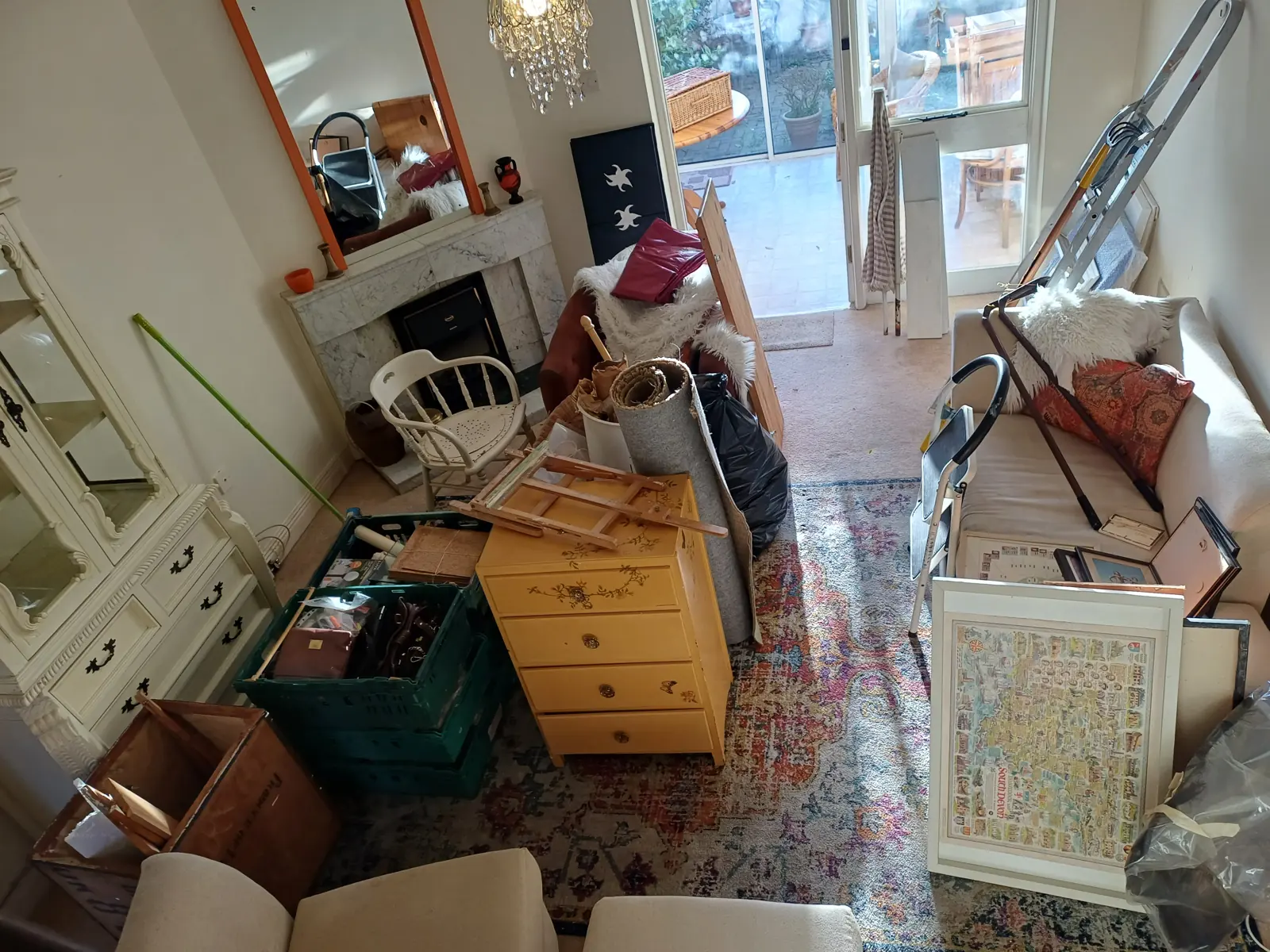
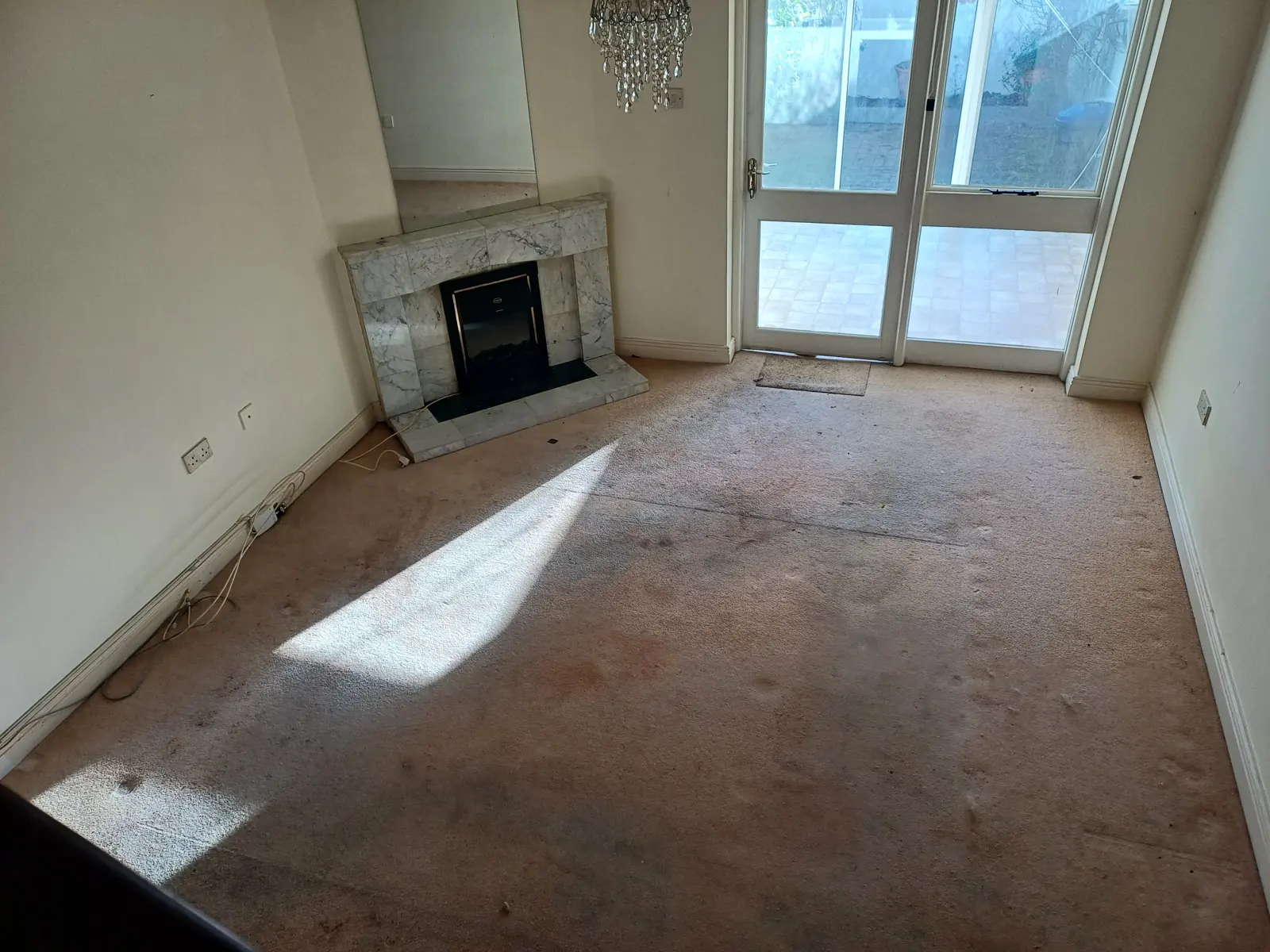
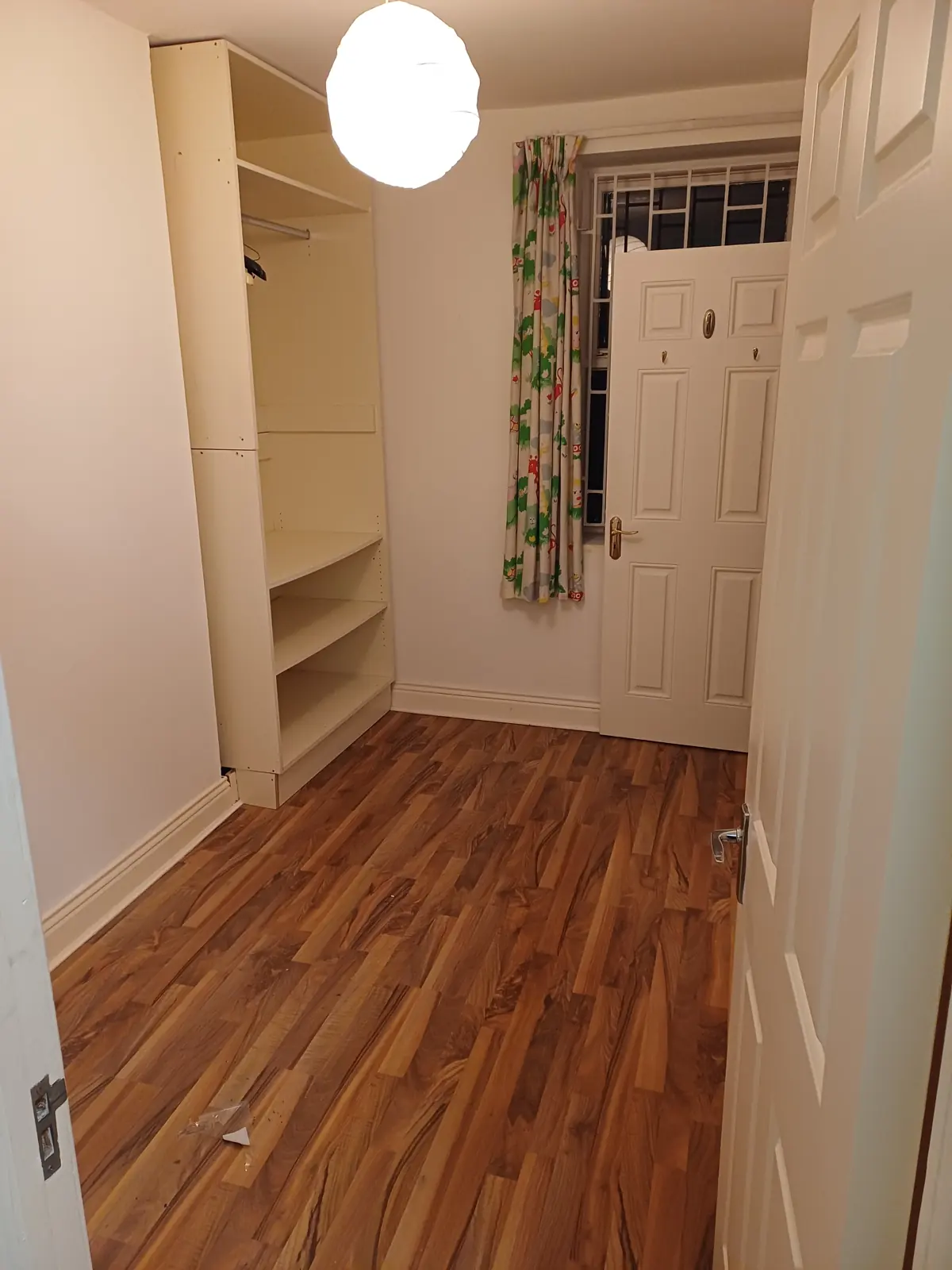
- Full house clearances when a long-held family home is sold or let for the first time. See our main house clearance page for how a job runs.
- Bereavement clearances at the family’s pace, with personal items set aside before anything leaves.
- Attics, which in Marino are modest but rarely empty.
- Back-garden sheds and lean-tos, often added in the 1950s or 60s and never cleared since.
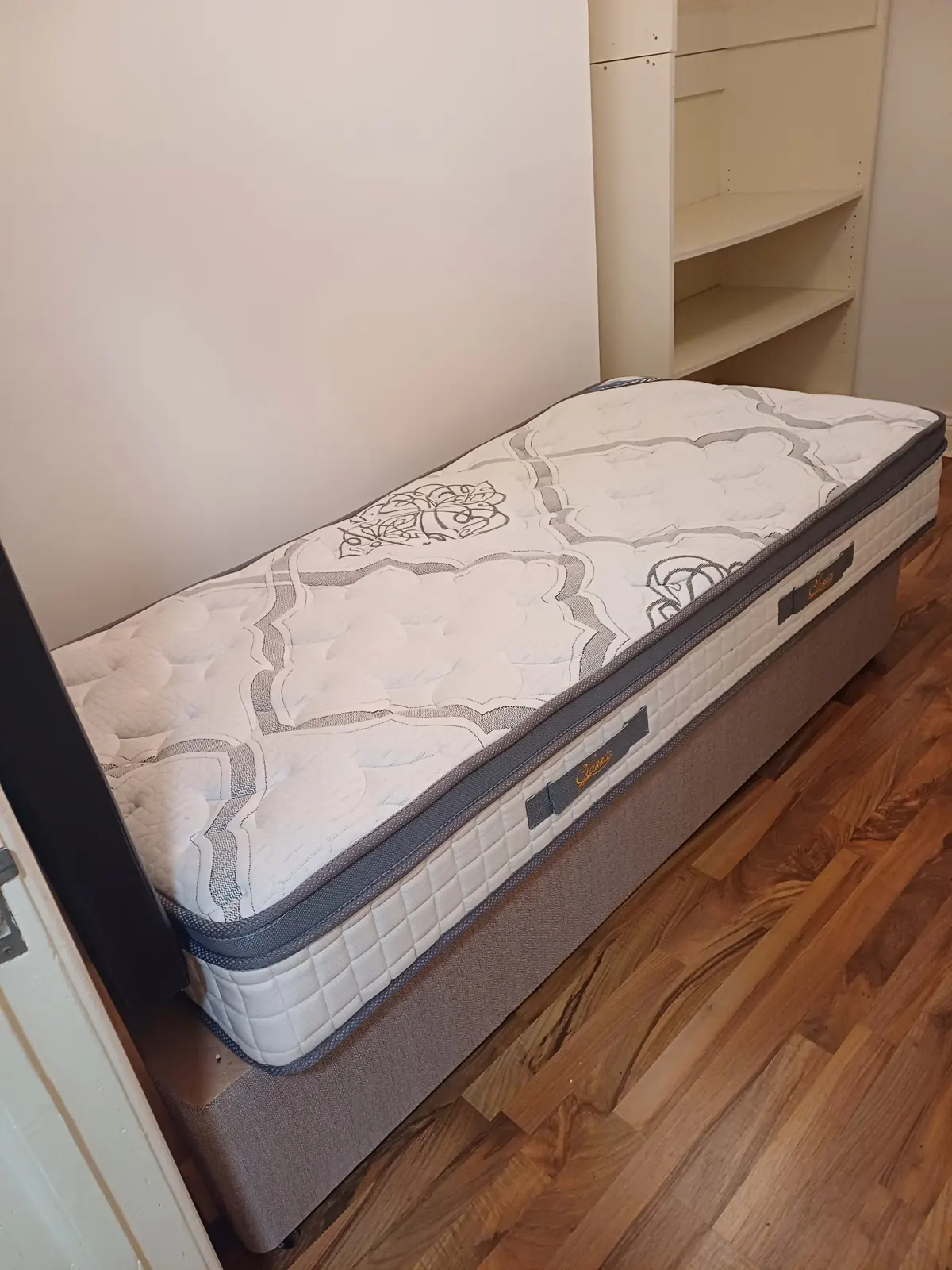
- Heavy single items such as a wardrobe, a sofa, a cooker or a fridge-freezer that need two people and a van.
Usable furniture and household goods are set aside for reuse or donation where we can, recyclables are separated, and genuine waste goes to a licensed waste transfer station. If you want to know how that sorting works in practice, read what happens to items after a house clearance.
Narrow roads, small gardens and getting the van in
Marino’s charm is also its one practical difficulty. The avenues curve and the crescents are tight, cars park on both sides, and there is rarely a driveway. The box van fits, in the same way bin lorries and delivery vans fit, and we park as close to the gate as possible with the hazards on. Where a house has rear lane access, loading from the back keeps the avenue clear.
The front gardens are short, which actually helps, because it is only a few steps from the door to the van. Inside, the stairs are straight and the rooms are square, so even heavy furniture comes out without drama. Griffith Avenue and the Malahide Road are the easy approaches, and we come in from whichever side your road opens on to rather than threading the van through the whole estate.
Many Marino houses have been extended at the back over the years, and a kitchen extension or a converted garage often holds as much as the original rooms, so include those in your photos.
We ask two things before we arrive. Set aside what you want to keep, and if you can, hold a parking space outside with your car and move it when we pull up.
Why Marino families call us
Almost nobody in Marino can fit a skip anywhere useful, and a 1920s house full of a lifetime’s belongings is rarely a one-skip job anyway. A two-person crew and a van does the carrying, sorts as it goes and leaves nothing on the road. For many families the main worry is not the furniture but the paperwork, photographs and small things mixed in with it, and our guide to clearing a house after a bereavement is written for exactly that situation.
We are fully insured and hold a current Waste Collection Permit from the National Waste Collection Permit Office. Marino sits between Clontarf and Drumcondra, with Artane up the Malahide Road, and we cover all of them. Anything further afield on the north side is covered on our North Dublin page.