One north side, several kinds of house
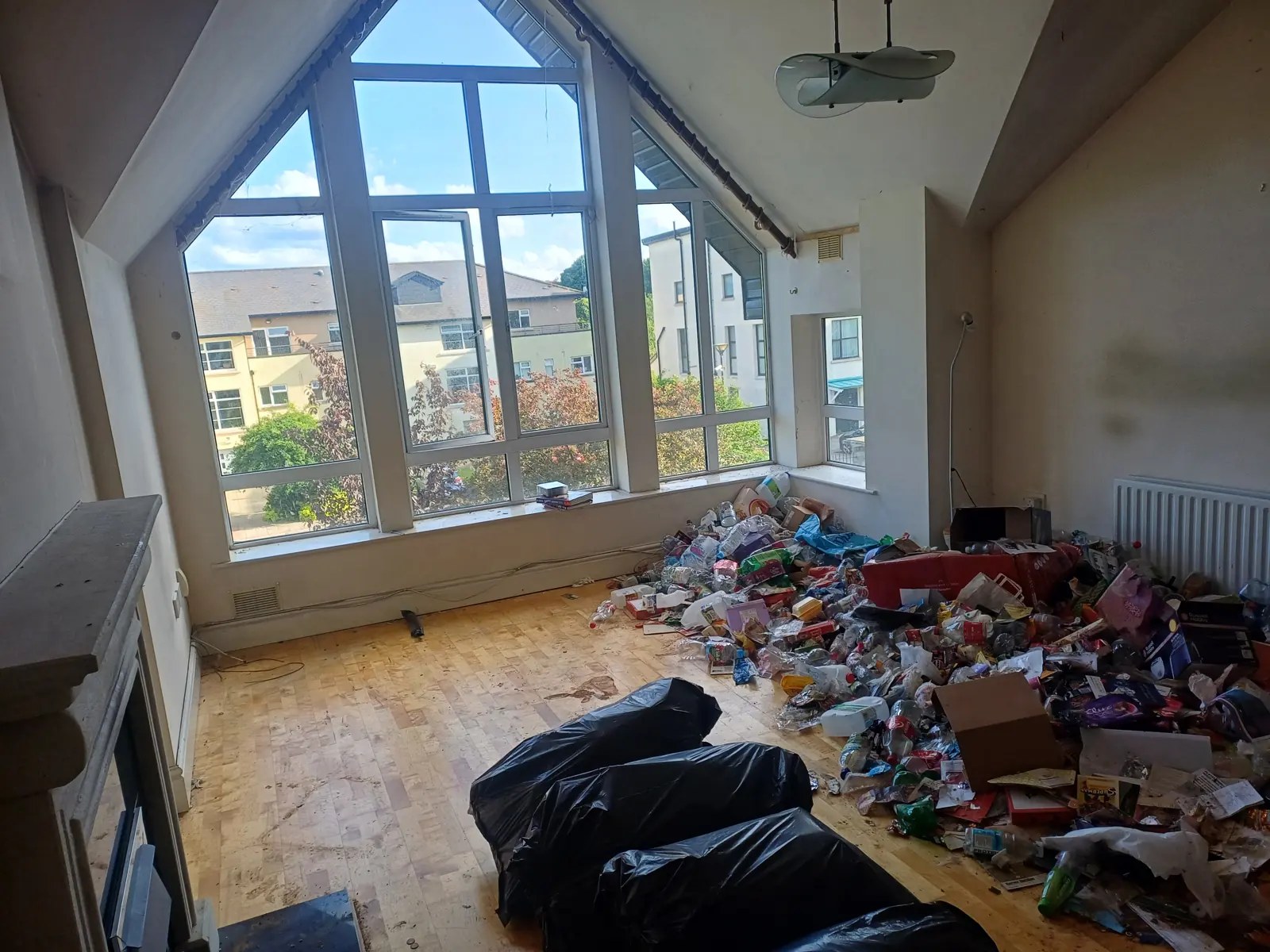
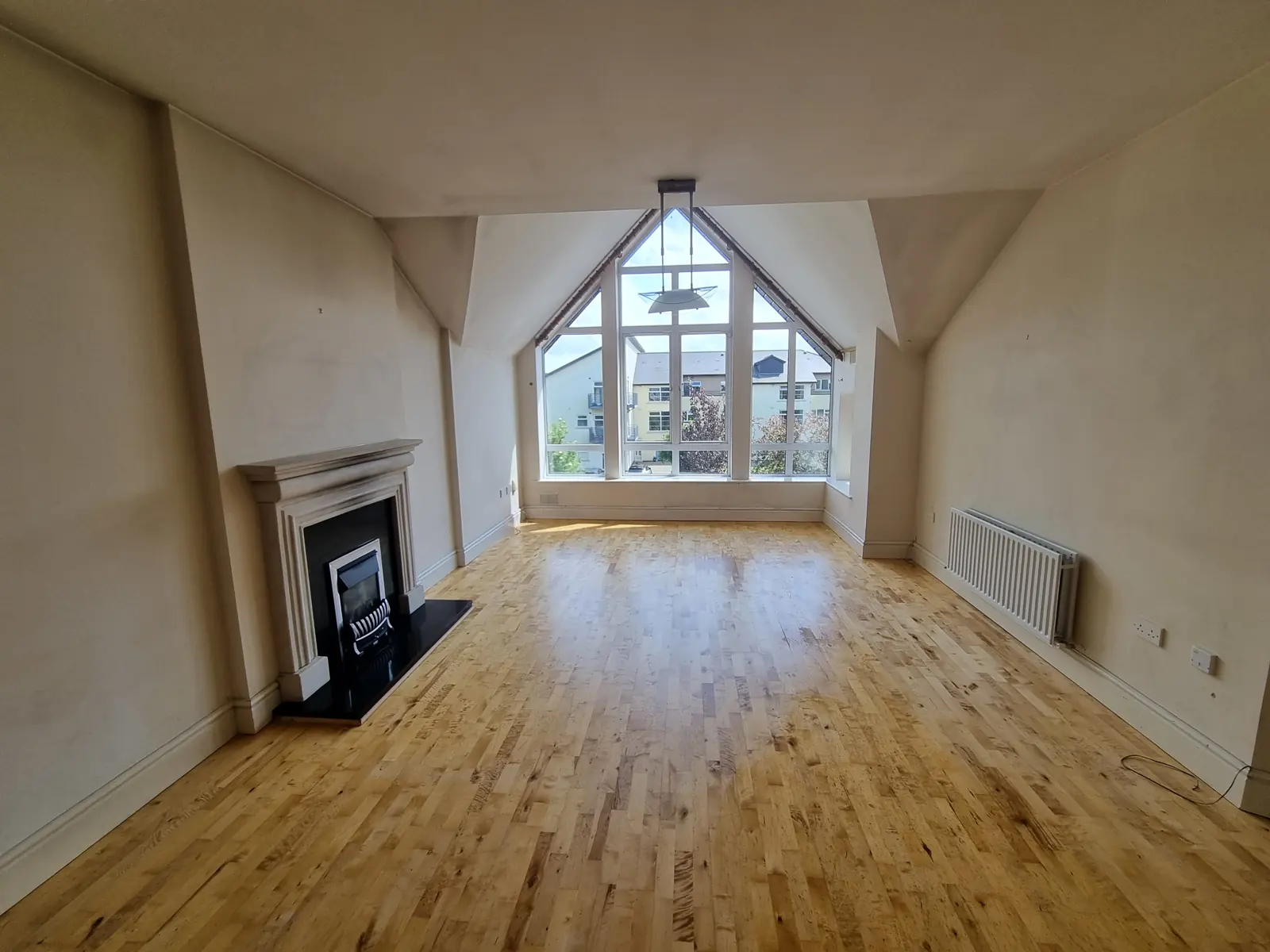
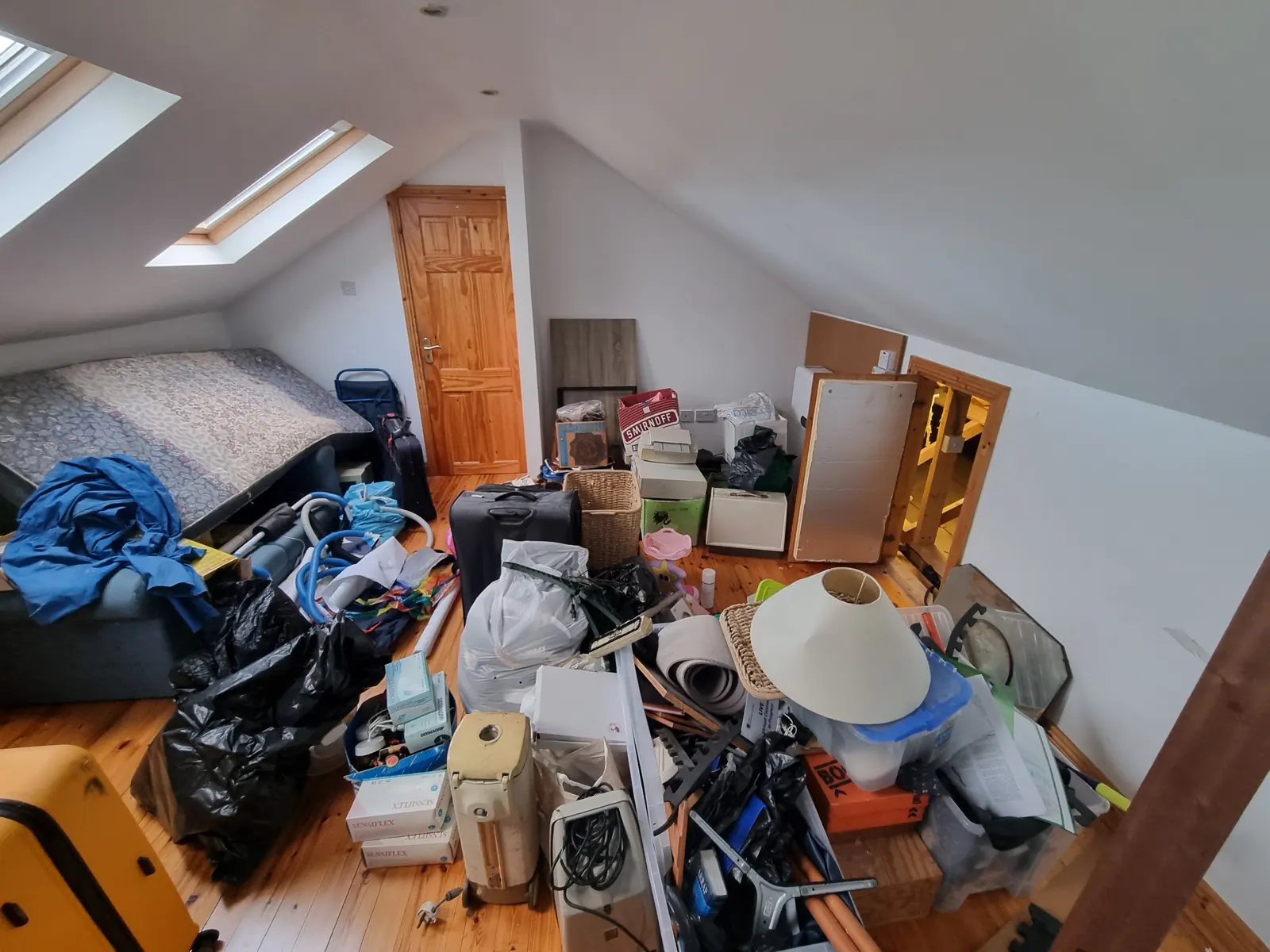
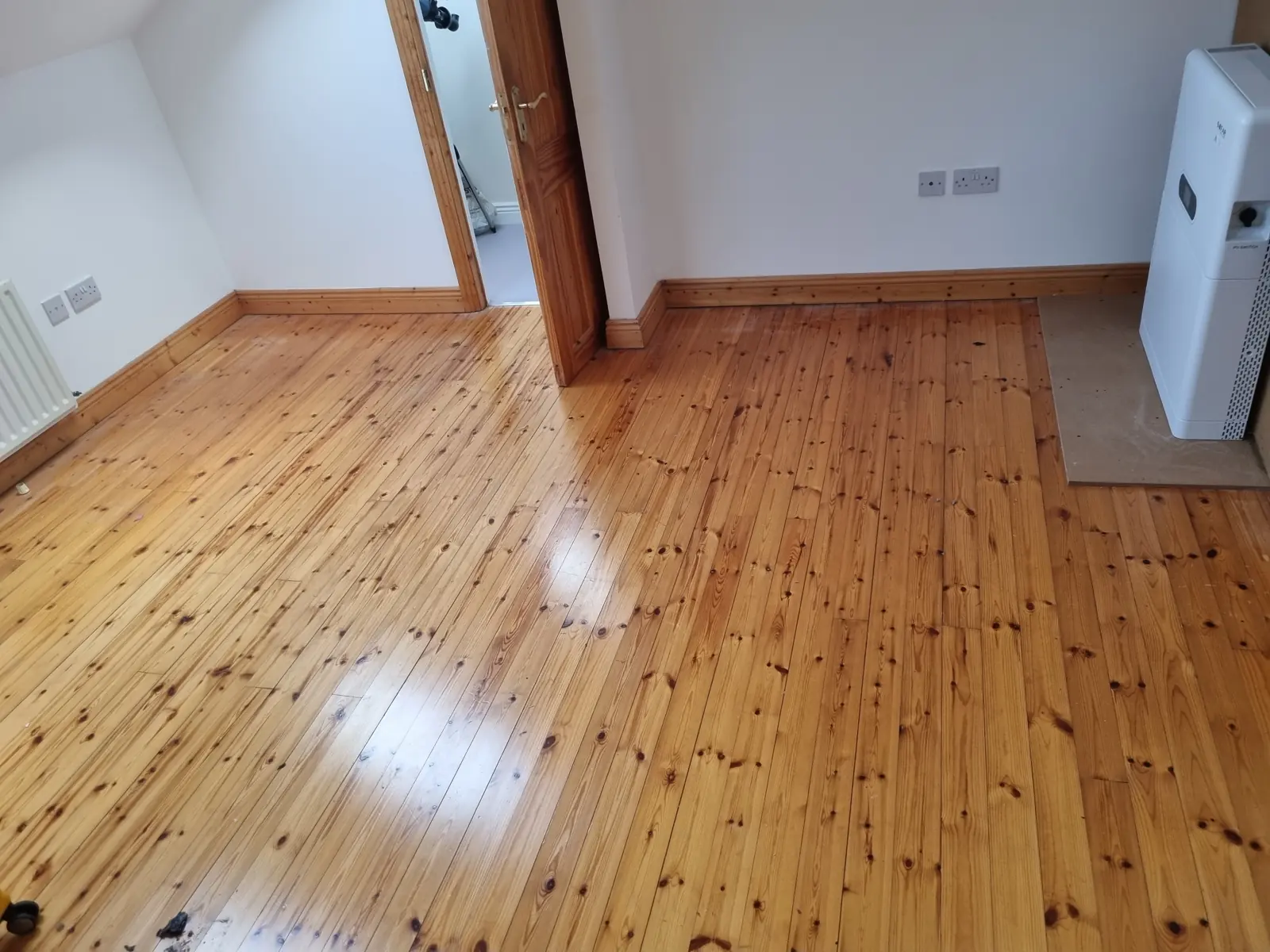
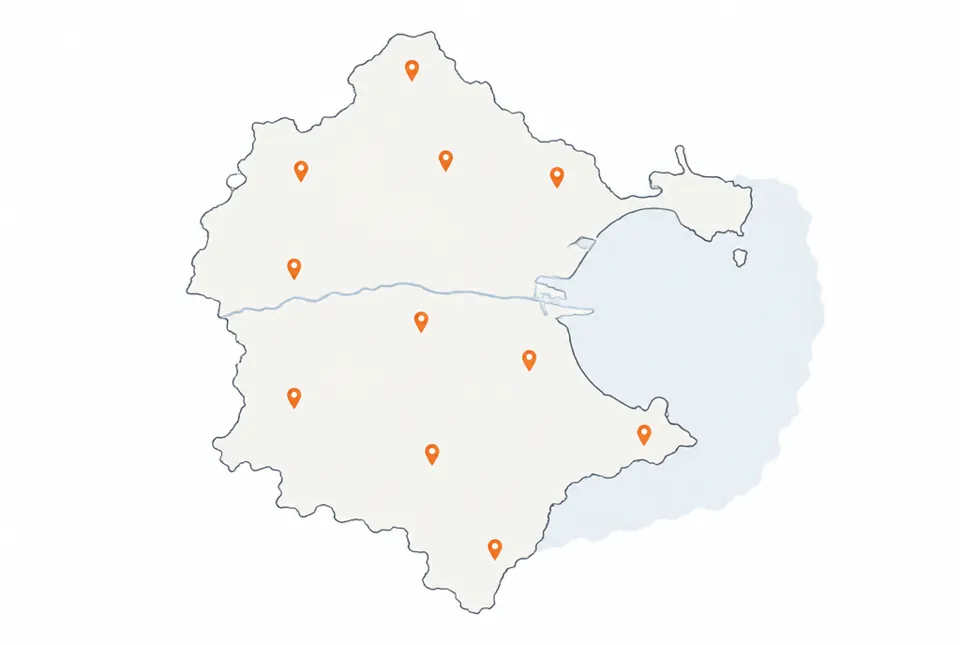
Ask anyone from the north side and they will tell you it is not one place. For a clearance crew that is literally true, because the houses were built in distinct waves and each wave clears differently.
The inner city and the Victorian ring, Dublin 1, 7 and 9. Georgian terraces around Mountjoy Square, North Great George’s Street and Gardiner Street, and Victorian redbrick in Phibsborough and Drumcondra. Most were divided into flats and bedsits generations ago. The jobs are tall, narrow and on streets where the van sits with its hazards on.
The corporation suburbs, 1920s to 1960s. Marino was the first, laid out as a garden suburb in the 1920s, followed by Cabra, Donnycarney, Artane, Coolock, Finglas and the rest. Two-storey houses with a garden front and back, many still in the families that moved in, and now being cleared in large numbers as that generation moves on.
The private suburbs of the same era. Clontarf, Raheny, Sutton, Glasnevin and Griffith Avenue, with bigger semis and detached houses, driveways, garages and attics that have had fifty years to fill.
The estates of the 1970s to 2000s. Blanchardstown, Castleknock, Swords, Malahide, Donabate and Portmarnock, with three- and four-bed semis in cul-de-sacs, almost always a driveway, and a steadier turnover of people moving in and out.
The apartments. Docklands, Clongriffin, Santry, Ashtown and the blocks along every main road since the late 1990s. Lifts, management companies, loading bays and rules about when a van can be outside.
How we approach each
The job changes with the house. In the inner city it is about stairs and parking, with two people carrying everything down by hand through a shared hall and the van as close as the clearway allows. Flats and bedsits are covered on our apartment clearance page.
In the corporation suburbs it is about volume and sentiment. A house in Artane or Donnycarney that has had one family since the 1950s holds a lot, and much of it is being cleared after a death. We handle bereavement clearances at the family’s pace and set aside anything personal before it goes near the van.
In the estates and the newer apartments it is about access and timing, with a driveway or a loading bay, a management company to notify, and often a landlord or a family that has already moved and wants the place empty for the next tenant or the sale. Our junk removal service covers the smaller jobs there, a few bulky items rather than a whole house.
In every case we sort as we go. Usable items are set aside for reuse or donation where possible, recyclable materials are separated, and genuine waste goes to a licensed waste transfer station. We hold a current Waste Collection Permit, which you are welcome to ask to see. This explainer on what a waste collection permit means sets out why it matters when you hire anyone to take waste away.
North Dublin areas we have written up
Each of these pages goes into the local housing, the parking and the kind of clearances we do there.
- Coast and inner suburbs: Clontarf, Marino, Drumcondra, Phibsborough and Dublin city centre.
- Dublin 5 and 13: Artane, Raheny and Sutton.
- Dublin 15: Blanchardstown and Castleknock.
- Fingal: Swords, Malahide and Donabate.
Finglas, Ballymun, Santry, Coolock, Howth, Portmarnock and Balbriggan each have their own page too, and the full list is on our areas page.
Getting to you from our Dublin base
People sometimes ask whether it matters which side of the city a clearance crew comes from. It does not. The M50 takes us straight to Blanchardstown, Finglas and the M1 for Swords and Donabate, and the coast road covers everything from Fairview to Sutton. We group north-side jobs together where we can.
What drives the price is volume, access and what the items are, far more than the postcode. Our house clearance cost guide explains that in plain terms, and the quickest way to get a figure is to send photos on WhatsApp. We are fully insured and work Monday to Saturday.