
Clearing homes in Rathgar
Rathgar was laid out in the Victorian and Edwardian decades as a suburb for people who wanted a large house, a long garden and a short tram ride into town. The result is still visible on Orwell Road, Highfield Road, Rathgar Road, Brighton Road, Garville Avenue and Frankfort Avenue: two and three-storey redbricks, many with a basement, a return at the back and a coach house or garage on a rear lane.
Around the crossroads in Rathgar village, where Rathgar Road meets Highfield Road and Terenure Road East, the houses are more mixed, with smaller terraces, flats over the shops and a scattering of modern apartment blocks. Towards Kenilworth Square and the Rathmines side there are more divided houses, and the roads running down to the Dodder at Orwell Park have 1930s and later houses with driveways.
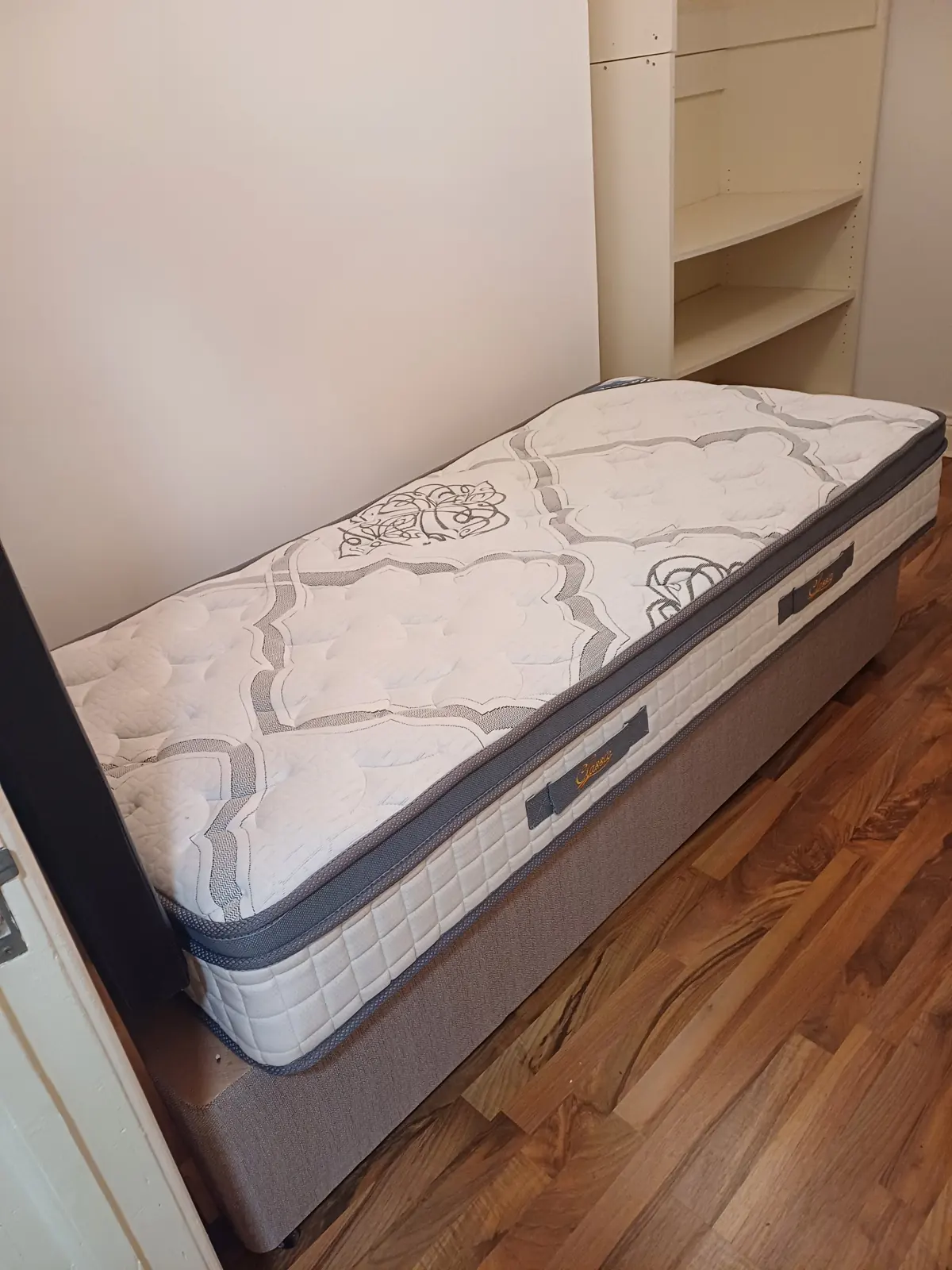
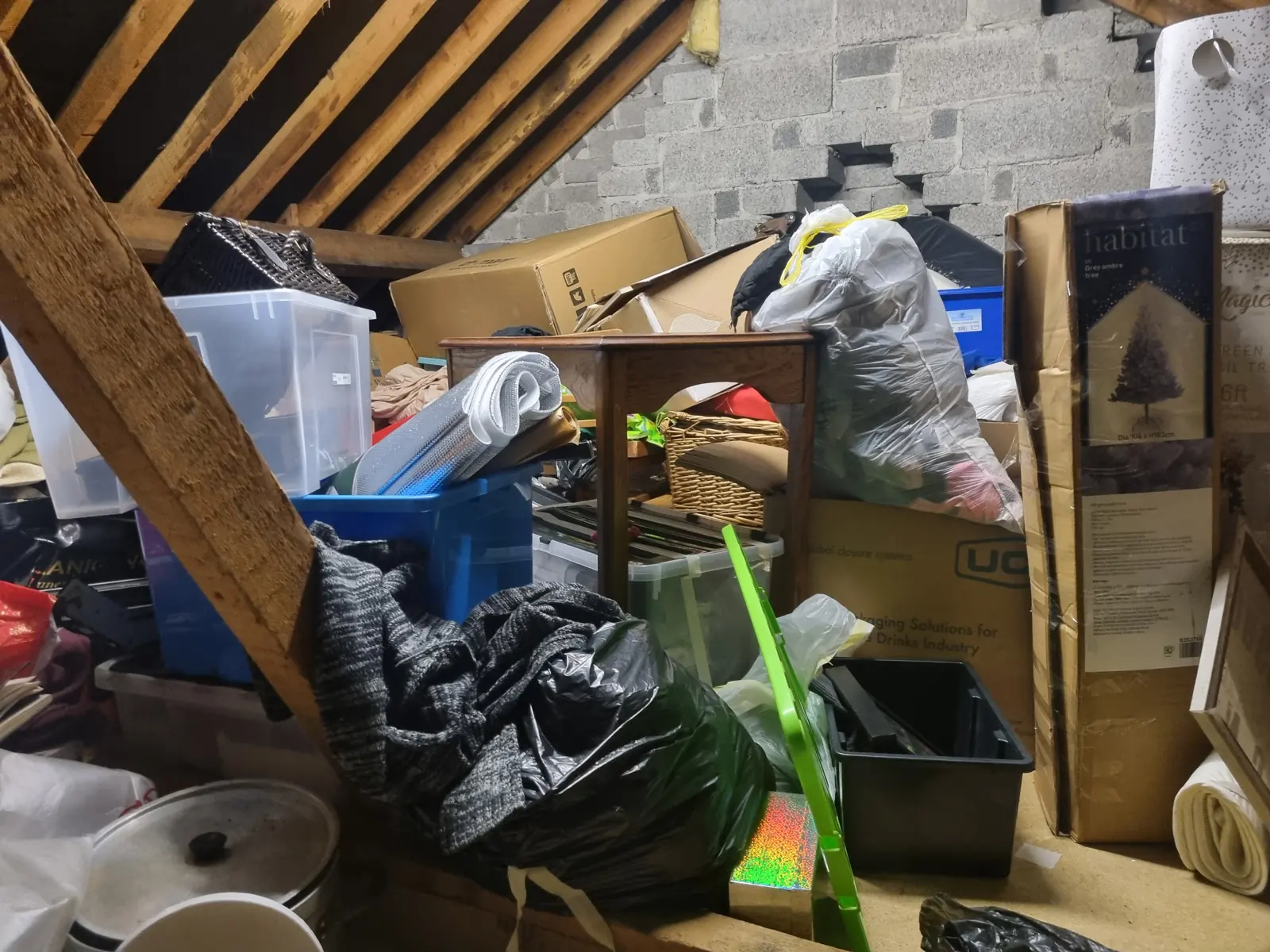
Most of our Rathgar work is the long-held family home. Often the same household has lived there since the 1960s or 1970s, the children have grown up and moved out, and the house has quietly filled from the cellar to the attic.
What we clear in Rathgar
- Full house clearances before a sale, typically two or three van loads and planned over more than one day. See our house clearance page for how we sequence a large job.
- Bereavement clearances, where the family wants time to go through things first and a crew that does not rush them.
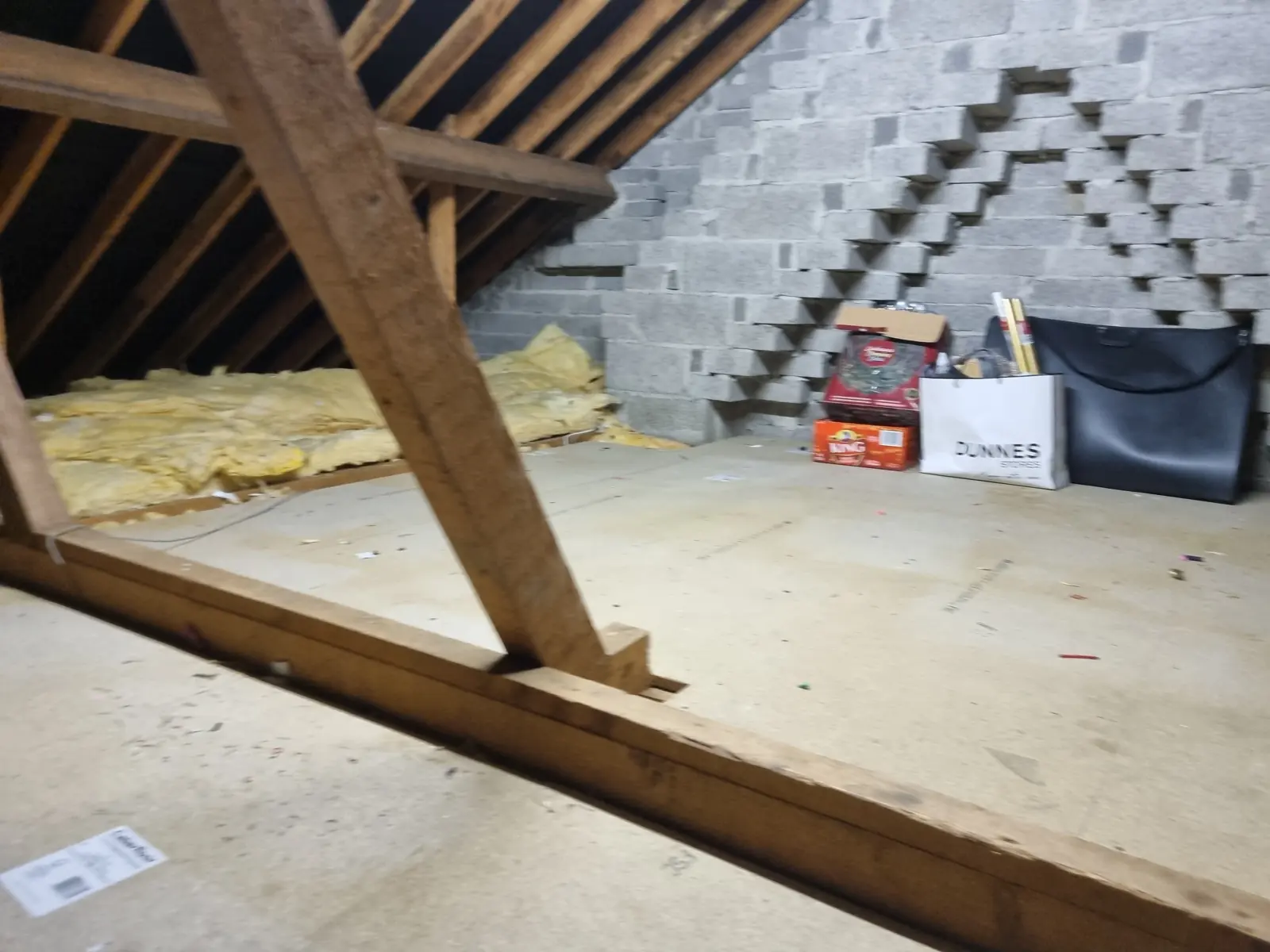
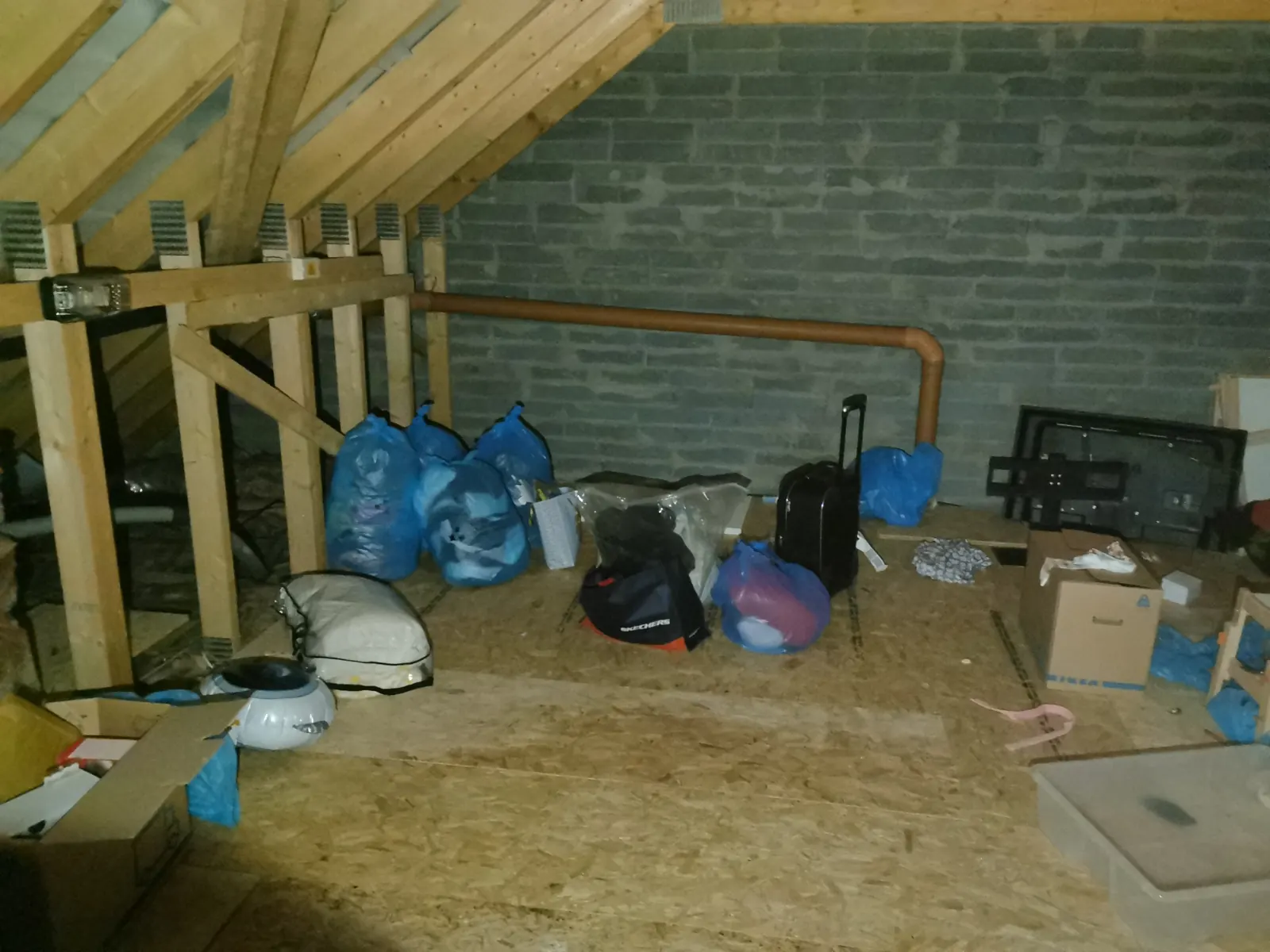
- Attics, basements and cellars, which in a Rathgar house are often the fullest rooms in the building. Our attic clearance guide covers what tends to be up there and what can be reused.
- Coach houses, garages and garden stores on the rear lanes: old bikes, tools, timber, garden furniture and the lawnmower that stopped working in the nineties.
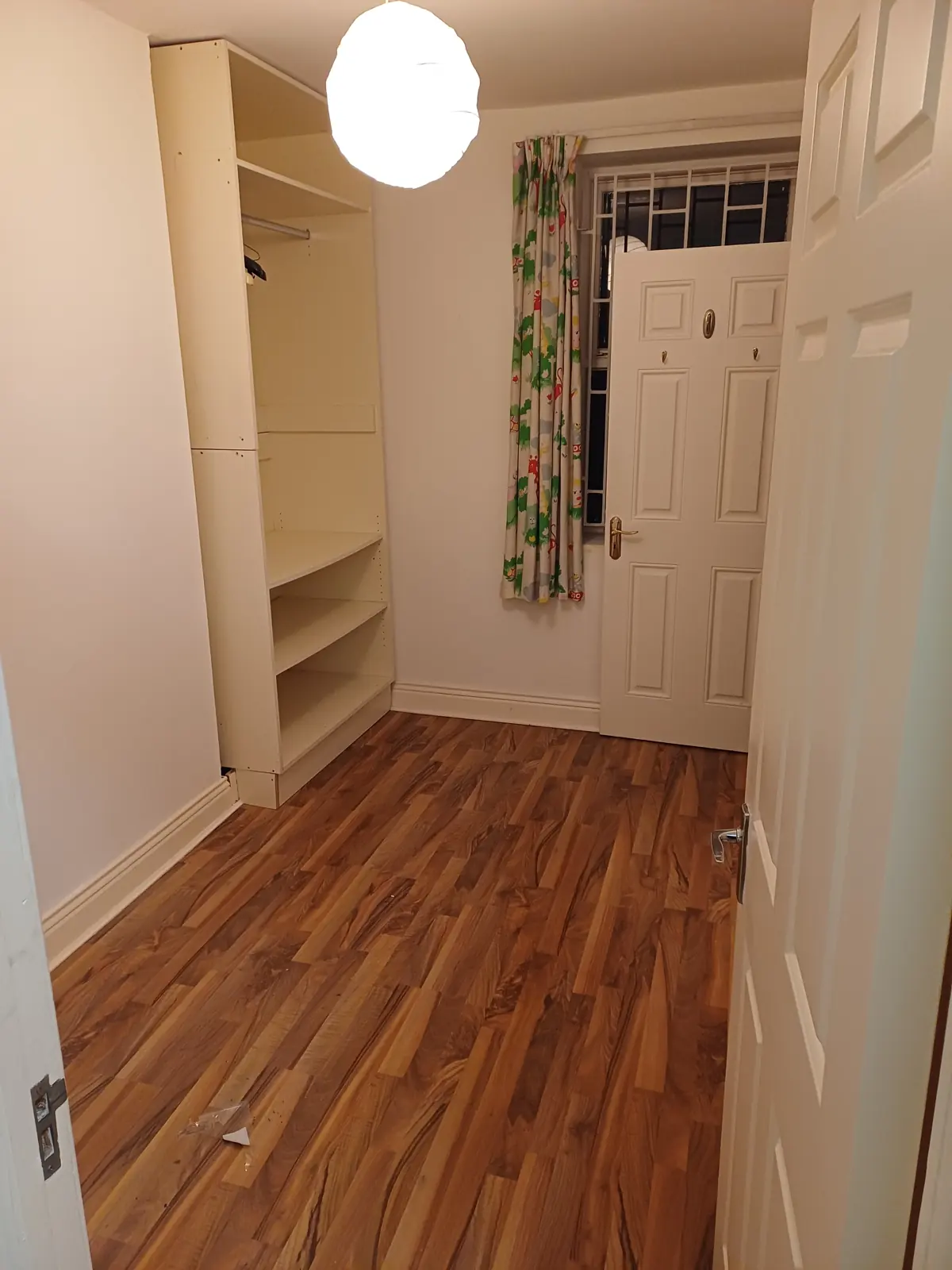
- Flats in divided houses around the village and towards Kenilworth, cleared between tenants or after a sale.
If you are comparing quotes, this plain-English explanation of why the van’s waste collection permit matters also covers what to ask any clearance company for.
Access, parking and the practical bits
Rathgar is easier for a van than Rathmines or Ranelagh. The larger roads have driveways or wide frontages, so the van usually sits inside the gate or directly outside, and we can load straight from the hall door. Nearer the village there is permit and pay-and-display parking, and we work the same way we do in any Dublin 6 street: close to the door, hazards on, load and go.
The houses are tall. A piece of furniture from a top-floor bedroom comes down two or three flights with a turn at the return, and basements have their own narrow stairs, so we take things apart where that is the sensible option and carry the rest by hand. Long gardens mean a long carry from a coach house to the front, unless there is a lane behind, in which case we bring the van round.
One thing worth doing before we arrive is walking the house with us in mind: anything you want to keep goes in one room or gets a sticker, and we clear around it. Everything else is ours to deal with, and you do not need to bag or sort it.
Why people in Rathgar call us
Rathgar families call us at the point where the estate agent has been round, the house needs to be empty for photographs or for the sale to close, and the scale of what is inside has become clear. Siblings often live in different places, so we are used to coordinating with one person on the ground and sending photographs to the rest.
We are an authorised waste carrier with a Waste Collection Permit (NWCPO-25-13287-01), fully insured, with a two-person crew and a box van working from our Dublin base. Items that are still good are set aside for reuse or donation, we separate out recyclables, and what is left goes to a licensed waste transfer station.
We cover the roads either side of Rathgar as part of the same patch: Terenure to the west, Dartry and Milltown down towards the Dodder, and Rathmines and Harold’s Cross on the city side. Two houses in one family, in two of those areas, is a common request and easily managed.