
Clearing homes in Dartry
Dartry does not have a village centre. It is residential from end to end: Dartry Road running down towards Milltown and the Dodder, Temple Road and Temple Gardens behind it, the houses ringing Palmerston Park, and Orwell Road and Orwell Park heading towards Rathgar. The houses are mostly two or three storeys, redbrick, with high ceilings, a return at the back and a long garden that often ends in a coach house or garage on a rear lane.
Because these were built as substantial family homes, they tend to have stayed that way. A typical Dartry clearance is a house that has been lived in by one family for forty years, with the attic, the return rooms and the outbuildings all full. Where a house has been divided, we clear individual flats too, and there are a handful of newer apartment developments towards Milltown.
Trinity Hall, the university’s student residence on Dartry Road, means there is also a scatter of rented houses and flats around it that turn over each summer.
House clearance in Dartry is nearly always a careful, considered job rather than a rush, and we work accordingly.
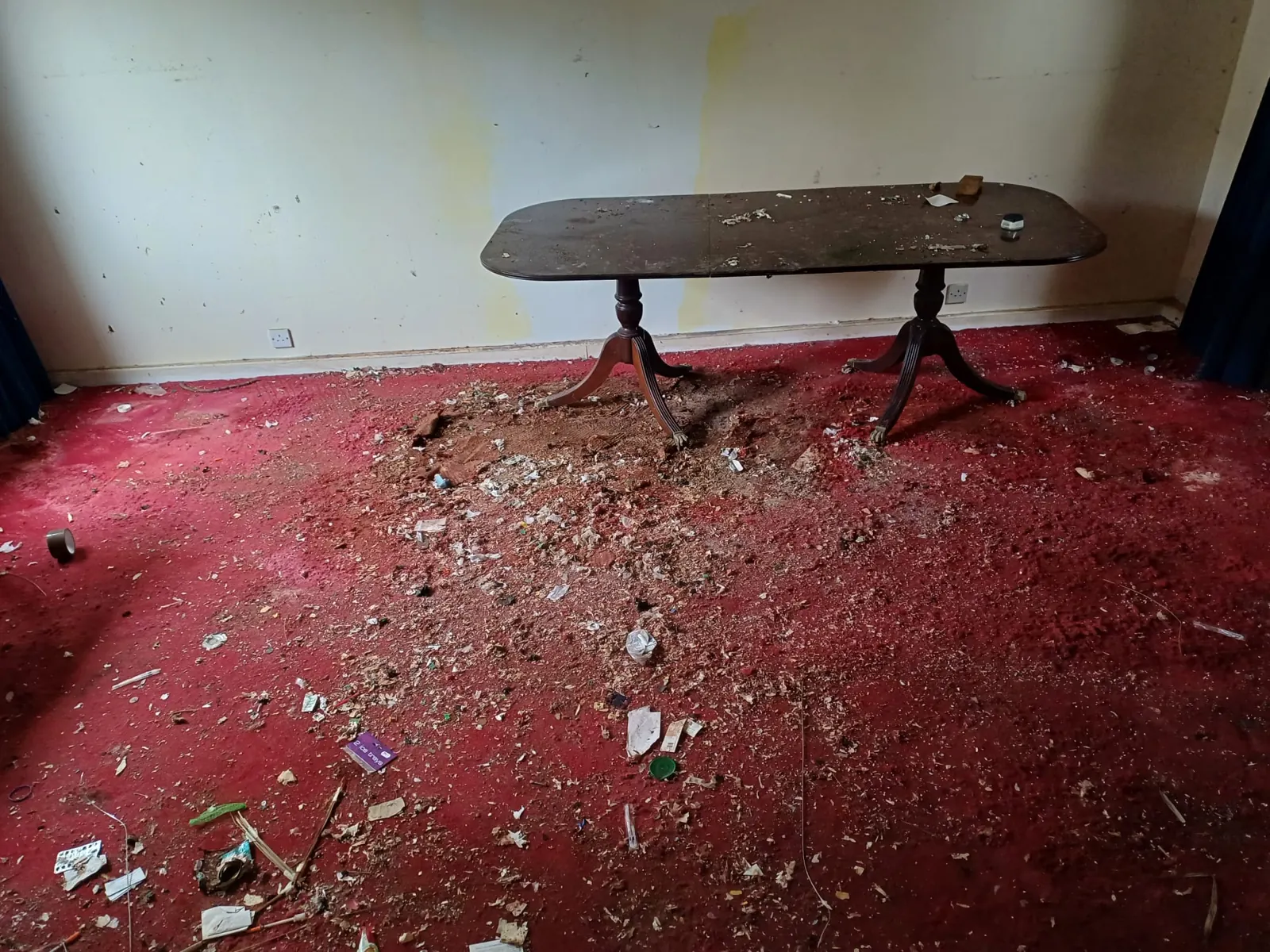
What we clear in Dartry
- Whole-house clearances before a sale, including the attic, cellar, garage and garden. Our house clearance page sets out how a multi-day job runs.
- Bereavement clearances for executors and families, often with the solicitor or estate agent as our point of contact.
- Downsizing: a couple moving from a large house on Palmerston Park to somewhere smaller takes what they love and asks us to deal with the rest.
- Flats in divided houses, cleared between tenants or when a landlord sells.
- Student lets around Trinity Hall, emptied at the end of the academic year before the next tenancy.
- Heavy furniture that the removal company will not take: pianos, wardrobes, dining tables, old fridges and cookers. See furniture removal.
A professional clean, if the house needs one, is a separate job for a specialist cleaner, and we can fit the clearance around their date.
Access, parking and the practical bits
Dartry is residents’ permit parking almost everywhere, but the roads are wide and quiet compared with Rathmines, so standing a van outside with hazards on for the day is rarely a problem. If the house has a rear lane and a coach house, we will often use it for garden and garage contents.
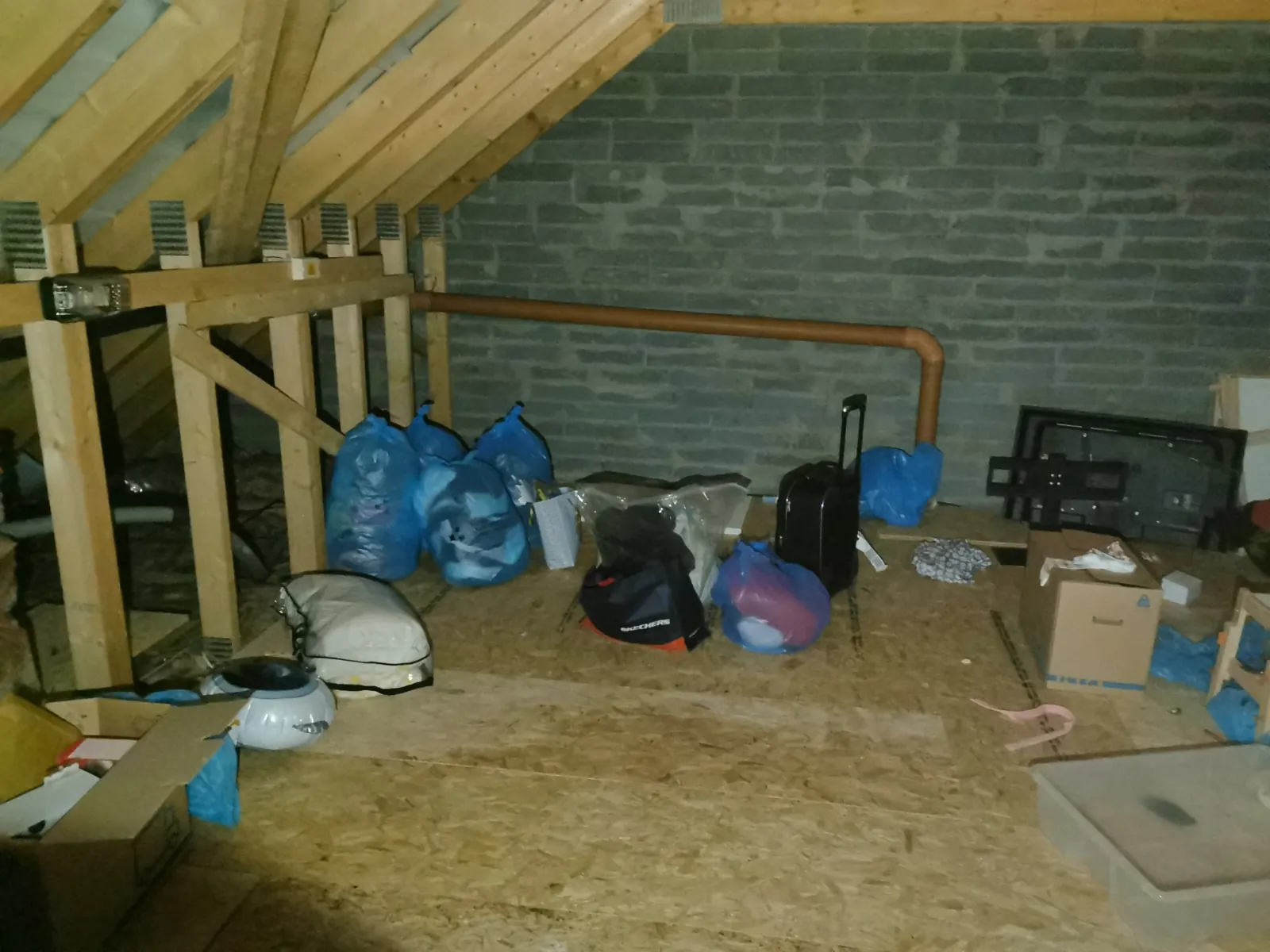
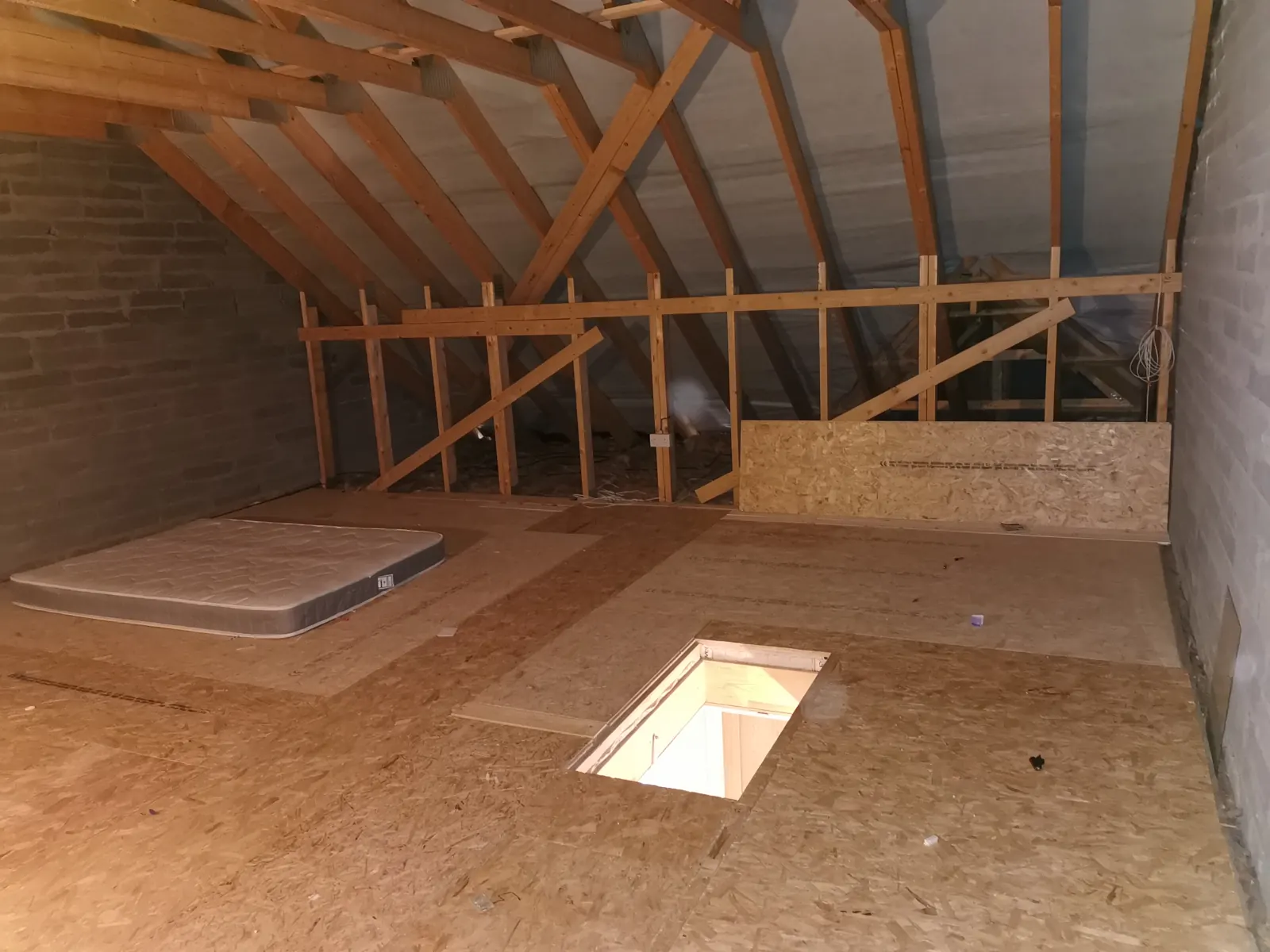
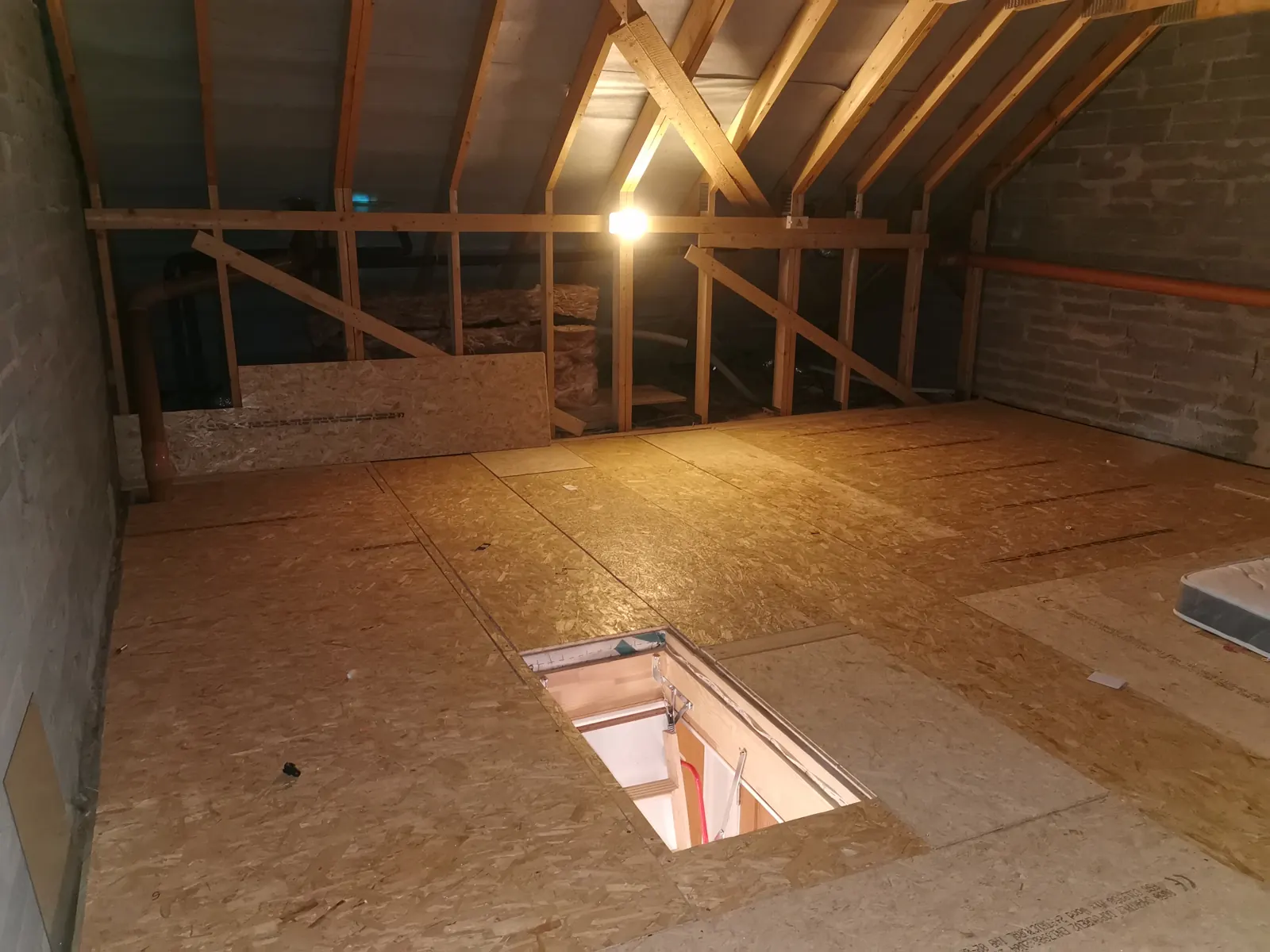
Inside, the work is about stairs and doorways. A wardrobe that went up a Victorian staircase in the 1960s does not always come down in one piece, so we dismantle where we need to and protect banisters and door frames as we go. Attics are reached by a hatch and a ladder, and return rooms sit on half-landings, which is slow going but normal for us.
Many Dartry houses are protected structures, so we treat the hall floor, the stairs and the cornicing as things to look after rather than obstacles, and we take heavy pieces slowly.
The Luas Green Line stops at Milltown at the bottom of Dartry Road, which makes it easy for a family member to meet us at the house without parking a second car.
Why people in Dartry call us
Most Dartry enquiries come from adult children clearing a parent’s house, sometimes from abroad, or from couples downsizing after decades. They want a crew that is honest about how long it will take, careful with a house full of original features, and quick to set aside anything that looks personal. They also want to know where things end up.
If you cannot be there, we send a photo of each room as it is cleared, which for a house with ten or twelve rooms is the easiest way to keep track.
We hold Waste Collection Permit NWCPO-25-13287-01, we are fully insured and we are based in Dublin. Furniture and household goods in usable condition are kept for reuse or donation, recyclables are separated and what remains goes to a licensed transfer station. If you want to get ready before we come, our how to prepare for a house clearance checklist is short and practical.
We cover Rathmines and Terenure on one side of Dartry and Churchtown and Dundrum on the other, so a job that involves two addresses is straightforward.