Bereavement clearance in Churchtown: deciding what to keep when nobody has room

When nobody in the family has room for a parent’s furniture, the decision is not keep or dump. It is which few things each person will actually take, what the rest can usefully become, and how to make the choice without an argument. There is a simple method: gather everything anyone wants into one room, photograph the rest, set a date that is kind but real, and let a crew take what remains for reuse where it is possible.
This guide is for families clearing a parent’s house in Churchtown, where the houses are mostly semis and bungalows from the 1950s to the 1970s and the same family has often been in them for fifty or sixty years. It is general practical guidance, not legal advice; the solicitor or executor is the person to ask about the estate itself. For the first weeks, the papers and the valuables, our Rathfarnham bereavement guide covers that ground, and our bereavement clearance page explains how we work with families. This guide is about the furniture and the deciding.
Why Churchtown houses make this harder than it sounds
The furniture in a Churchtown semi was bought once, to last, and it did. A sideboard, a dining table with six chairs, a glass-fronted display cabinet, a bureau, a wardrobe in every bedroom, twin beds in the spare room, a three-piece suite that was reupholstered rather than replaced. None of it is flimsy, and most of it is bigger than anything sold today.
The next generation lives differently: in apartments, in three-beds that are already full, or abroad. Nobody has a dining room that seats eight, and nobody has a spare wall for a sideboard. So the question “who wants the good furniture” gets a silence, and the silence feels like a betrayal of the people who chose it.
It is not. The furniture did its job. The task now is to keep what carries the memory and to see the rest off properly, and there are better ways to do that than letting the house sit full for a year.
The one-room method
Choose one room near the front door, usually the front room or the dining room, and make it the keep room. Everything any family member wants goes into it, labelled with their name. Everything outside it is going.
This does three things. It makes the decision visible: if the keep room overflows, the family is keeping more than it can house, and that is easier to see in one room than spread across the house. It gives the crew a single rule on the day, which is that nothing in the keep room is touched. And it turns a hundred small decisions into one walk round the house with a roll of tape.
Big pieces that cannot be moved, such as a wardrobe upstairs, get a label on the door instead. If you cannot lift a sideboard into the keep room, the crew can move it there at the start of the day; point it out at the walk-through.
Photographs instead of things
Most of what people miss about a piece of furniture is not the piece. It is the room it stood in, the things that sat on it and the person who used it. A photograph holds that better than a sideboard in a storage unit.
Photograph each good piece where it stands, with the ornaments on it and the light the way it was. Then photograph the small thing that mattered: the clock from the mantelpiece, the drawer of cards, the chair cushion. Put the photographs in a shared album the whole family can see.
Keep one or two things that are small and real, such as the clock, a set of teaspoons, a single dining chair, a picture, and let the photograph stand in for the rest. People seldom regret letting a sideboard go. They do regret not having a photograph of it where it stood.
A shared list that ends arguments
A spoken agreement about who gets what lasts until the next phone call. A written list lasts.
Make a list with four columns: the item, who is taking it, where it is going and when it will be collected. One person owns the list, and anyone who wants something adds it rather than claiming it out loud. Relatives abroad see the same list as the people in the house, so nobody is overruled quietly.
The list has a second use. On the day of the clearance, it is the keep list the crew works from, so what the family agreed and what the crew leaves are the same thing.
Deadlines that are kind
Nothing drags a bereavement clearance out like an open-ended “we’ll sort it when everyone is back”. A deadline helps, but it should be tied to something real rather than to impatience: the estate agent’s photographs, a closing date, the end of the period the house insurer allows for an empty house, or simply the month everyone has agreed to.
Put the date in writing once, with the rule that anything unclaimed after it goes with the clearance. Then say what “goes” means. Usable furniture is set aside for reuse or donation where we can arrange it rather than thrown away, and knowing that makes the deadline feel like a plan rather than a threat. A few weeks is usually enough; a few months is usually too long, because the house starts costing money and the decisions do not get easier.
What reuse realistically means
It is natural to want a promise that a mother’s dining table will go to a family who needs one. We cannot promise a destination, and we do not quote percentages. What we can say honestly is this.
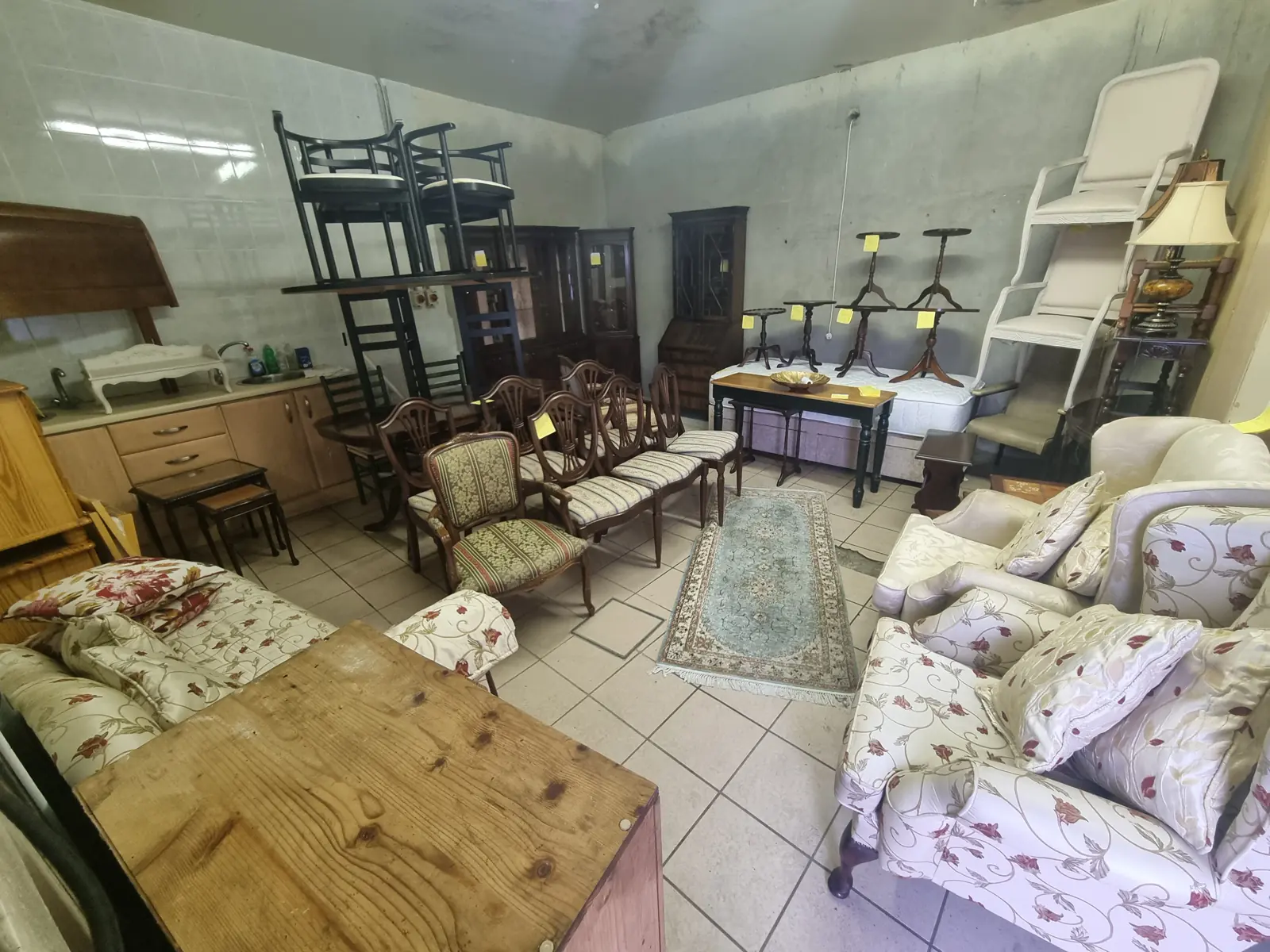
Solid timber furniture in good condition is the most likely kind to find a second home, which is exactly what Churchtown houses are full of. Charity shops often will not take upholstered furniture without its fire safety label, so look under the cushions of the suite before you decide. Kitchenware, books, pictures and clothes in good condition are set aside for donation where possible.
Anything that cannot be reused is separated for recycling, and what remains goes to a licensed waste transfer station under our waste collection permit, NWCPO-25-13287-01. Our guide to what happens to items after a house clearance follows the load.
If a particular charity should have something, take it to them yourself before the day, or keep it apart and tell us. And if a piece might be worth money, ask an auctioneer or a second-hand furniture dealer before the clearance, not after. Some mid-century pieces are sought after and some are not, and the difference is not obvious from the sitting room.
What the crew does with things marked “keep”
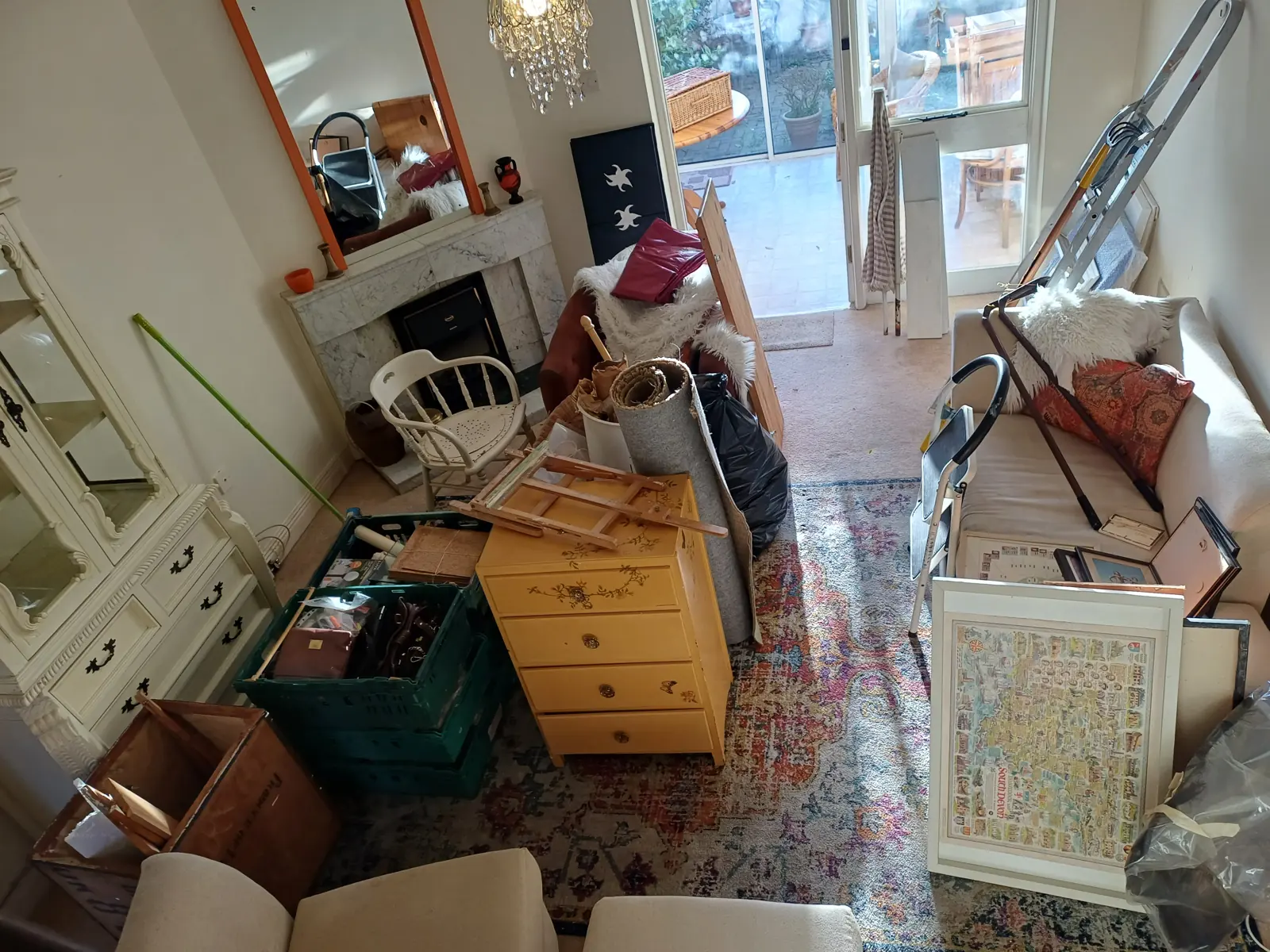
The day starts with a walk round the house with you or the key holder. The keep room is pointed out, its door is closed and it stays closed. Labelled items elsewhere in the house are either carried into the keep room or left exactly where they are, whichever you prefer.
If a family member in Dublin is taking a piece and their address is on a sensible route, we can sometimes drop it to them as part of the job. Ask when you send photos and we will say yes or no in the quote, and label those items clearly so they are kept apart on the van. For anything we find that was not on the list but looks personal, a letter, a photograph, a box at the back of a drawer, the crew sets it aside rather than loading it. We would rather hand you a box you then decide not to keep than take something that cannot be got back.
Relatives abroad
A brother in Australia or a sister in Canada can take part in all of this. Walk the house on a video call so they can look at pieces they remember, send the shared album, and give them the same deadline as everyone else.
Shipping furniture abroad is a job for an international mover or a courier, not for a clearance crew; we do not ship. What we can do is keep the chosen piece apart and leave it in the keep room for the mover to collect, or, if the address is on a sensible route and we have agreed it in the quote, drop it to a Dublin relative who is organising the shipping. Small keepsakes usually travel better in a suitcase on the next visit home than in a crate.
The day itself
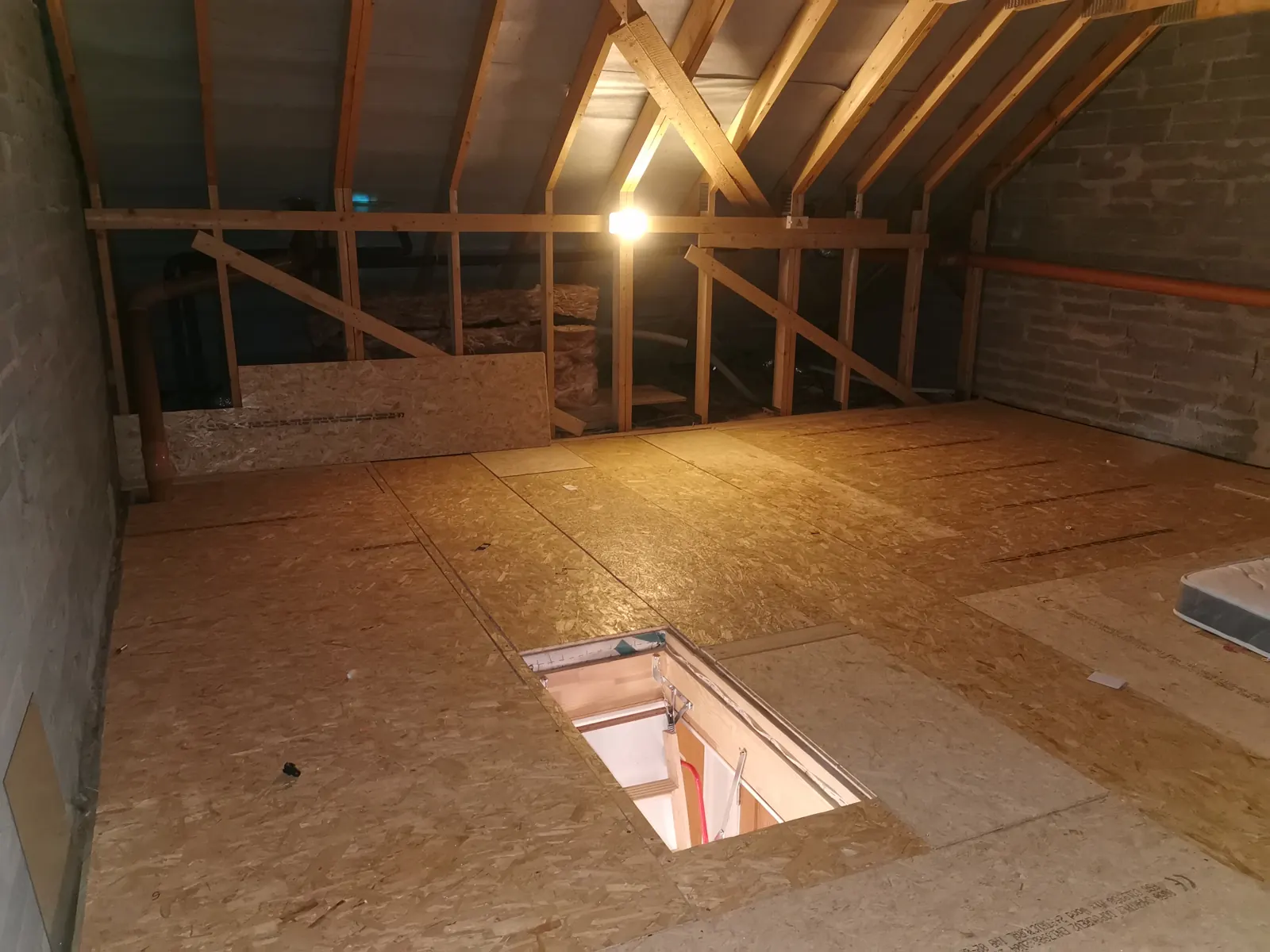
Churchtown is a straightforward place to clear. Most houses have a driveway, so the van pulls in off the road and we load from the front step or the garage door. Bungalows have no stairs to negotiate, and the semis have a straight stairs that most furniture comes down in one piece. The attic, the garage and the shed are usually cleared in the same visit, and our house clearance in Churchtown page covers that side in detail.
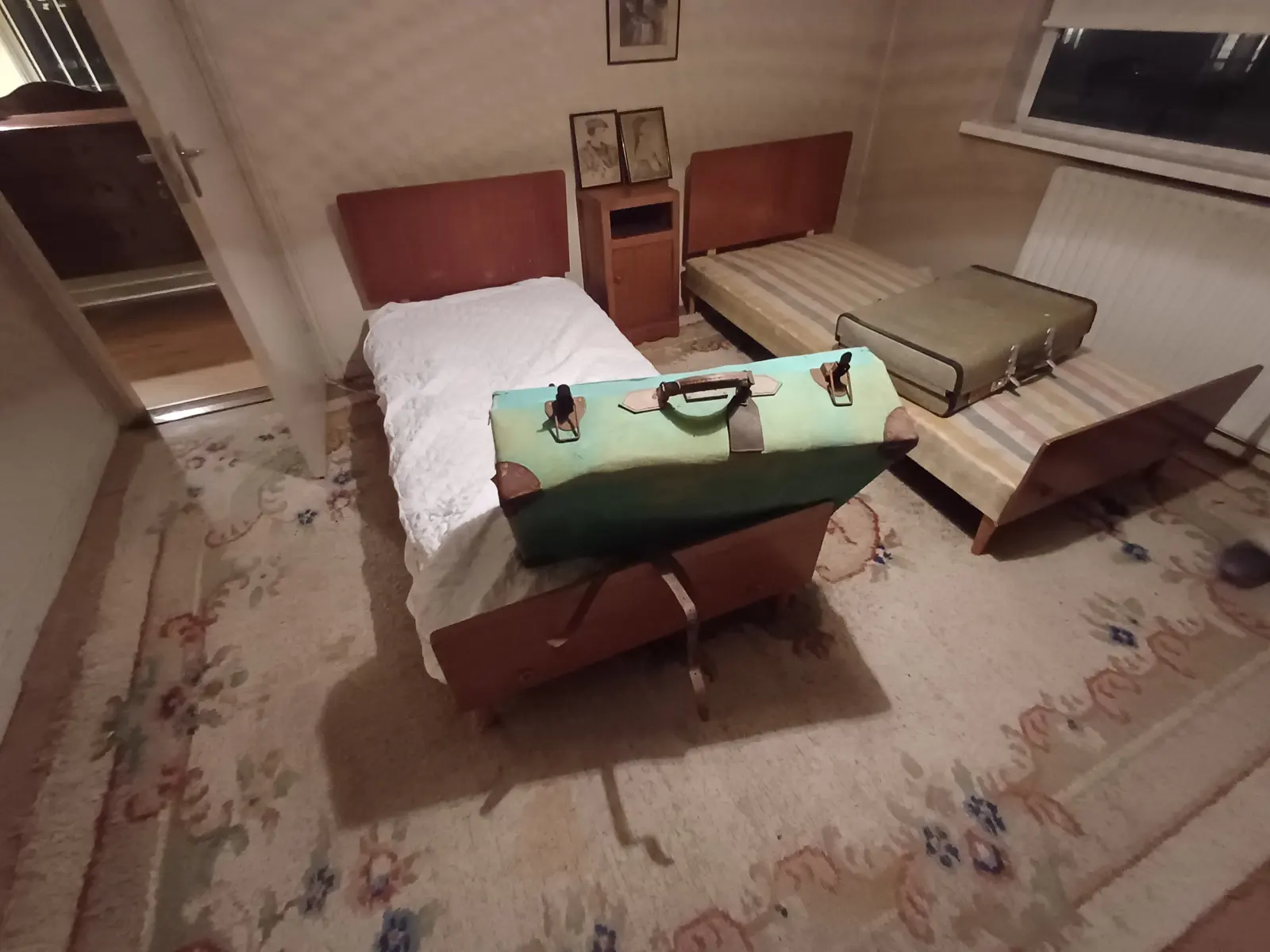
The crew works room by room, carrying everything by hand and sorting at the van. The bedrooms in these houses hold more than they look: twin beds, a wardrobe, a dressing table, suitcases on top of the wardrobe and under the beds, and the drawers still full. We empty drawers and wardrobes as we go, so nothing needs bagging beforehand, and anything that looks personal is set aside.
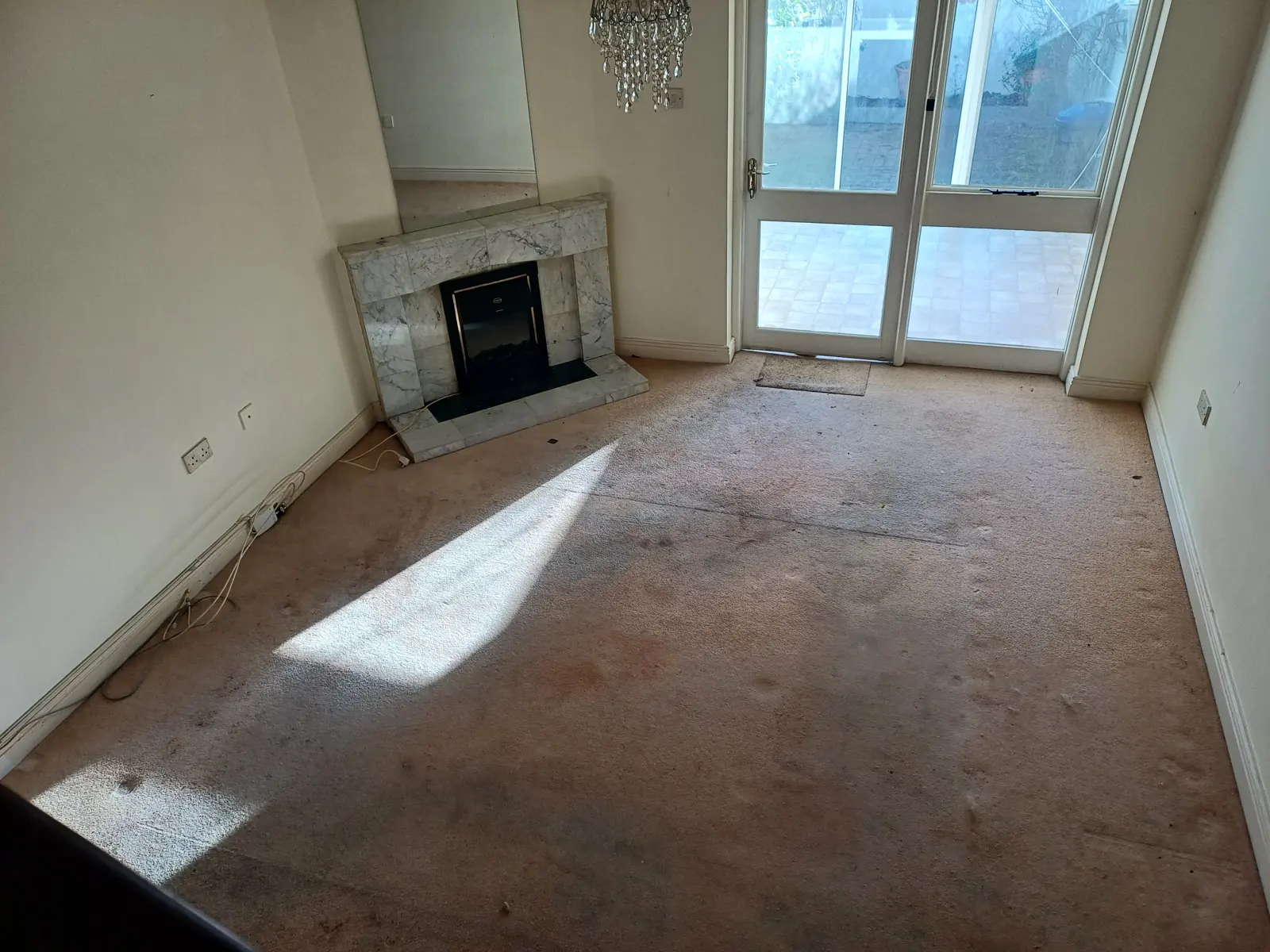
At the end the rooms are swept, every press and the attic hatch are checked, and the keys go back to whoever you named. If you were not there, we send photographs of each empty room. A sweep is not a clean; if the house needs cleaning before it is sold, that is a separate job for a cleaning company.
Booking: what to send
When the family has agreed the keep list and the solicitor has given the go-ahead, send photos of each room from the doorway, the attic hatch, the garage and the shed to 085 202 1222 on WhatsApp, with the Eircode and a note of which room is the keep room, or request a quote online. We quote a fixed price for the whole job from the photos and agree a date that suits the family. If someone needs another week to collect a piece, say so. We do not set the deadlines; you do.
What customers say
This is a review from a real customer who organised a clearance from abroad, quoted exactly as it was written.
Junk Removal and their team were exceptional. Not only were they incredibly accommodating to our schedule, but they also provided friendly and supportive assistance throughout the entire process. As I reside abroad, it was reassuring to know that the team was managing everything efficiently and providing assistance to my parents on-site.
Mark, Ballsbridge
Frequently asked questions
Which room should we use as the keep room in a Churchtown semi?
The front room or the dining room, because both are beside the hall door and the driveway, so collecting from them later is easy. A dry garage also works for boxed items. Avoid an upstairs bedroom, because every keep item would then be carried up now and down again later.
Nobody wants the dining suite, but nobody can bear to let it go. What do families do?
Photograph it laid for a meal the way it used to be, then decide whether one person will take one or two chairs as a keepsake. The table and the rest of the chairs are set aside for reuse where possible. A solid dining suite is among the pieces most likely to be used again by someone else.
Does keeping a photograph of a piece really help instead of keeping the piece?
For most people, yes. The memory is of the room, the objects on the furniture and the person using it, and a photograph taken before anything is moved captures that. Keep one small, real thing from the piece as well, such as a chair, a drawer handle or the ornament that stood on it.
How long should we give relatives to claim items before the clearance?
A few weeks from the day the shared list goes round is usually enough, with the date tied to something real such as the agent’s photographs or a closing date. Put the date in writing once. Months tend to make the decisions harder rather than easier, and the empty house starts to cost money.
My brother lives in Australia and wants Dad’s bureau. Can you ship it?
No. Shipping abroad is a job for an international mover or a courier, and the bureau should be measured and quoted for before the clearance date. We keep the piece apart and leave it in the keep room for collection, or drop it to a Dublin relative if that was agreed in the quote and the address is on a sensible route.
Will the crew move heavy keep items into the keep room for us?
Yes. Point them out at the walk-through and they are carried into the keep room before the clearance starts, so nothing labelled is ever near the van. If a piece is too big to move, a label on the door of the room it stands in does the same job.
Is mid-century teak or mahogany furniture from a Churchtown house worth anything?
Some of it is sought after by dealers and some is not, and the difference is not obvious from looking at it. Photograph the piece, including any maker’s label inside a drawer or on the back, and ask an auctioneer or a second-hand furniture dealer before the clearance. Once it is on the van it is on its way.
What does “set aside for reuse” mean once furniture is on your van?
It means we separate usable pieces from waste as we load and pass them on for reuse, donation or resale where we can arrange it, rather than tipping the whole load. We cannot promise a specific destination for a particular piece, and we do not quote figures. If a named charity must have something, keep it apart and tell us.
How do we photograph furniture so relatives abroad can decide?
Take one photo of the whole piece in its place, one close-up of any detail they would remember, and one with a tape measure across the width so they can check it fits. Add them to a shared album with the item’s name from the list, and give everyone the same deadline to reply.
Our keep items cannot be collected before the clearance date. What are the options?
The clearance can go ahead with the keep items left in the keep room, as long as the house stays secure and insured until they are collected. If a Dublin address is on a sensible route and it was agreed in the quote, we can drop pieces to a family member on the day. For longer gaps, a removal company or a short-term storage unit is the honest answer.
What happens to a full set of china or glassware that nobody wants?
Complete sets in good condition are set aside for reuse or donation where possible, so leave them in the cabinet rather than boxing them up. Chipped or incomplete sets go for recycling. If one person would like a single cup and saucer as a keepsake, take it out before the day.
Next step
Send photos of each room and the keep room to 085 202 1222 on WhatsApp with the Eircode, or request a free quote online. Our bereavement clearance page explains how we work with families, and the furniture removal page covers a few pieces rather than a whole house.