House clearance in Ballyfermot: how to sort a very full family home
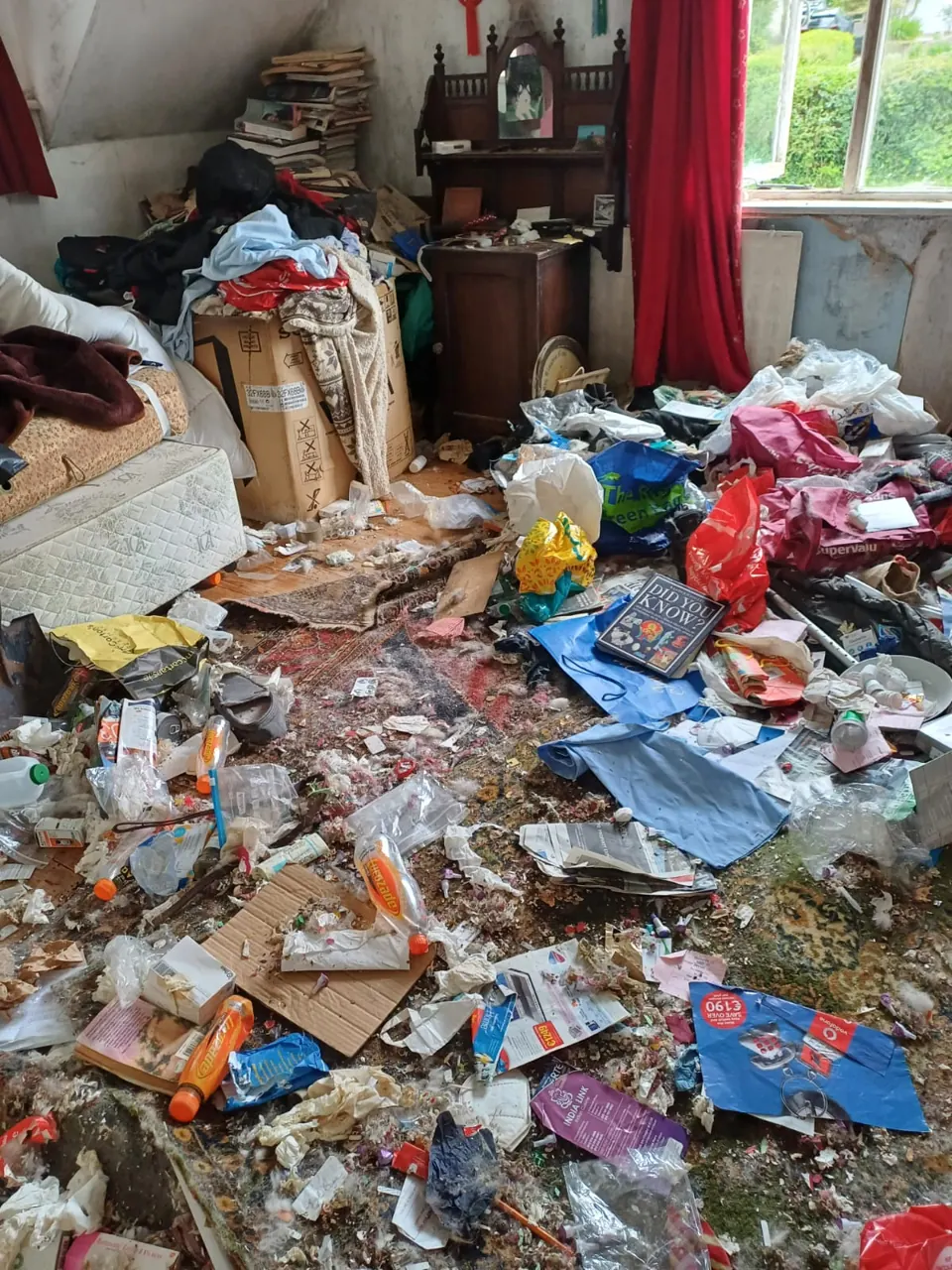
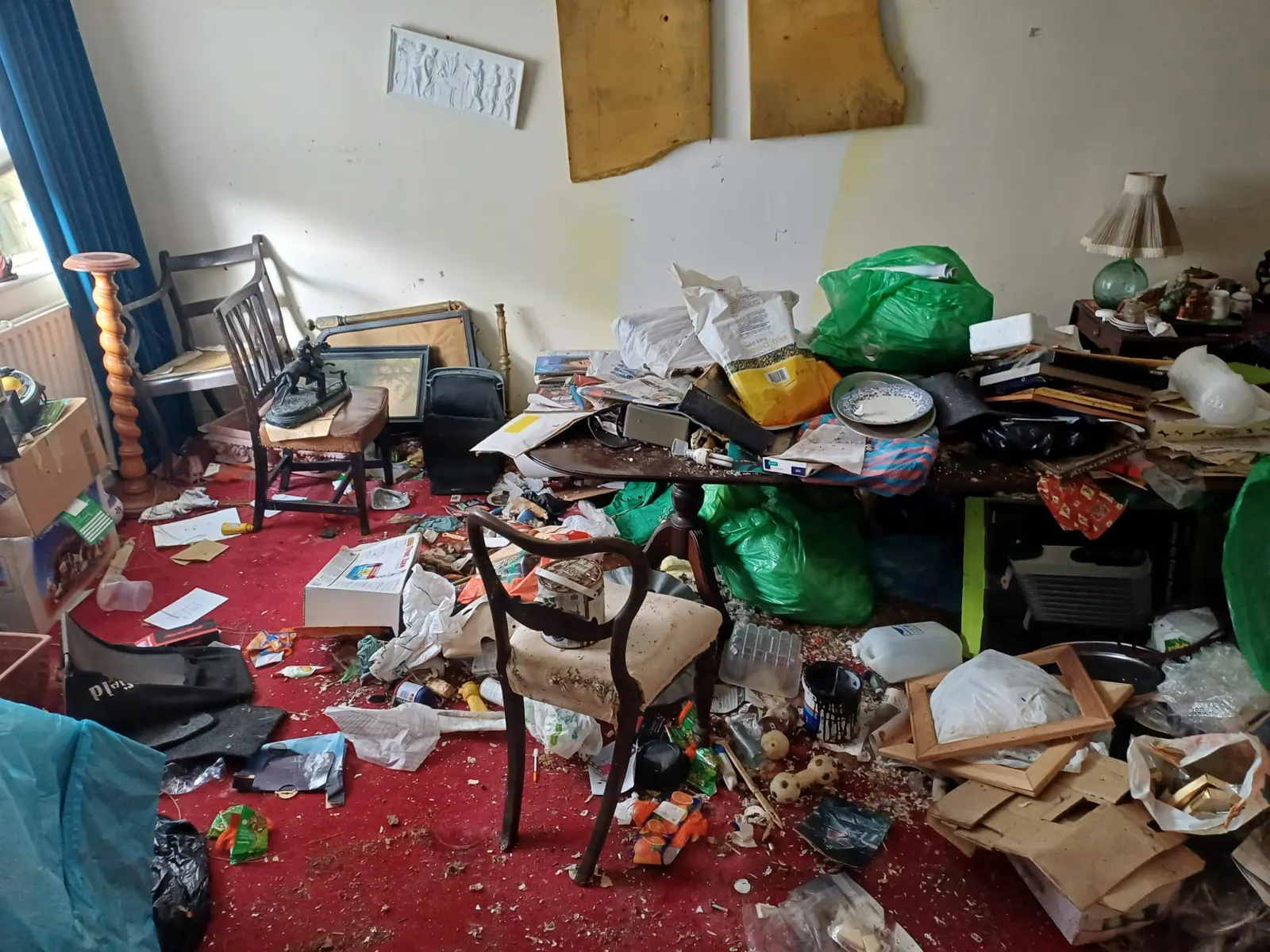
House clearance in Ballyfermot is usually a very full house, because the same family has often lived there since it was built. The way to handle that much is a three-pass method: a first pass for papers and valuables, a second for family and keepsakes, and a third for everything else, with the crew coming in only after the first two are done. Trying to do everything in one go is how things get lost and arguments start.
Ballyfermot was one of the largest housing schemes Dublin Corporation ever built, laid out from the late 1940s through the 1950s on the high ground between the Liffey and the Grand Canal. The houses are two-storey terraces and semis with a front garden and a long back garden, on a grid of roads off Ballyfermot Road and Kylemore Road, including Le Fanu Road, Decies Road, Landen Road, Blackditch Road and Cloverhill Road. Cherry Orchard, further west, came later. Many houses stayed with the families who first moved in, so a clearance here is often the first the house has ever had, with the box room, the attic, the hot press and two sheds all full. Our house clearance in Ballyfermot page covers access. This guide is about sorting a house like that, and doing it properly.
Why these houses are so full
A house that has held one family for most of its life accumulates in layers.
- Several generations of belongings. Furniture from the parents, the children’s things, and what came when someone else’s house was cleared.
- No reason to throw things out. People with small houses and big families keep what might be useful.
- Storage in every corner. The box room, the space under the stairs, the attic, the hot press and the shed are all stores.
- Things bought to last. Solid furniture, good tools, heavy coats, tins and boxes of paperwork.
None of this is a problem, and none of it is hoarding. It is a long life in a small house. The practical challenge is volume, and the emotional one is that every layer has meaning. The approach below handles both. If a house is genuinely hard to move around in, see our hoarder clearance page and the guide to clearing a hoarded house.
The three-pass method
A very full house is best sorted in three passes, each with a different aim. You can do them in a weekend or over months.
Pass one: papers, money and valuables
The first pass is a hunt, not a clear. Take a box and go through the house looking only for things that cannot be replaced or that carry legal or financial weight.
- Documents: wills, deeds, rent and purchase papers, bank and savings books, pension papers, insurance policies, passports, certificates, medical records and tax papers.
- Money and valuables: cash, jewellery, watches, coins, savings certificates, medals.
- Keys: house, shed, garage, car, meter box, and any you do not recognise.
- Medication: take it to a pharmacy.
- Devices: phones, laptops, tablets and hard drives.
In a house like this, they are rarely in one place. Check inside books, in tins, in coat pockets, in the hot press, behind drawers, in handbags and in shoeboxes. We do not offer shredding or data destruction, so sensitive papers need to be dealt with by the family before the clearance, not left for the van.
Pass two: family and keepsakes
The second pass is about people. Invite everyone who may want something, in person or by video, and walk the house together.
- Each person names what they would like. Do not decide for them.
- Photograph anything wanted by more than one person. Agree a fair way to choose.
- Move wanted items into one room and close the door.
- Write the list down, by email or message.
- Set a date after which unclaimed items go, and tell everyone.
- Photograph things nobody can take but everyone wants to remember. A photograph keeps more than you expect.
This pass is where feelings run highest. Leave time. Take breaks. If the family disagrees, an outsider such as a family friend or a solicitor can help.
Pass three: everything else
When the first two passes are done, what remains is everything that is going. Now the crew comes in, with a clear instruction: take everything except the keep room.
The third pass is where our work is. We carry, sort and dispose. We set aside what can be reused or donated, separate the recyclables and take the rest to a licensed facility. You do not have to bag, box or sort anything.
The rooms that hold the most
In these houses, a few places hold the volume.
The box room. Often the fullest room in the house. It tends to hold boxes, suitcases, old school things, a spare bed and whatever did not belong anywhere else. Count the boxes, and note the bed.
The attic. Attic hatches in these houses are small, so contents come down in bags and boxes rather than whole. Tell us whether there is a ladder, and whether the attic is boarded.
The hot press and landing. Towels, bedding, and, behind them, papers and photographs.
The space under the stairs. The vacuum, the coats, the shoes and the electricity meter.
The kitchen. Tins of food, saucepans of every age, an old cooker.
The sheds. Many houses have two: a shed in the garden and a lean-to by the back door. They hold tools, bikes, a mower and garden furniture.
Go through each space, at least by photograph, before the crew arrives.
The stairs, the hatch and the hall
The practical challenges of these houses are small spaces.
- The stairs are narrow and the landing is small. Beds and wardrobes are dismantled upstairs and carried down in pieces.
- The attic hatch is small. Attic contents come down in bags and boxes rather than whole.
- A mid-terrace house has no side passage. Everything comes through the hall, so covers go down first.
- An end-of-terrace or semi has a side passage, which is our route for the garden and sheds.
- Parking is on the street, so the van sits outside with hazards on, and we keep the footpath clear as we load.
Tell us which type of house yours is, and send a photo of the stairs and landing.
How big is the load?
Our van load planner gives every item a share of a full box van, where a full van is 100. A 3-seater sofa is 10, an armchair 4, a double bed with mattress 8, a single bed 5, a wardrobe 8, a chest of drawers 3, a table and chairs 7, a bookcase 3, a fridge-freezer 4, a washing machine 2, a cooker 3, a TV 1, a lawnmower or bike 2, a garden furniture set 6, and a bag or box 0.5.
Read the total against the bands: a small load is under 12, a quarter starts at 12, half at 38, three-quarters at 63 and a full van at 88 to 105, with more than one load beyond that.
A box room. Forty boxes, ten bags and a single bed comes to 30, a quarter of a van.
A shed. A lawnmower, a bike, a garden furniture set, six bags and four boxes comes to 15, also a quarter of a van.
A whole house. One double bed, two single beds, three wardrobes, three chests of drawers, a 3-seater, two armchairs, a table and chairs, a bookcase, a fridge-freezer, a washing machine, a cooker, a TV, 30 bags and 40 boxes comes to 124. That is more than one van load, and we plan two loads or a bigger crew.
These are rough guides, and we confirm the price from photos. A house like this is not an unusual size. It is simply a full one. You can try the planner on our home page.
Renovation buyers and strip-outs
An increasing number of Ballyfermot houses are bought by younger buyers who want to modernise them. If the house is being cleared for a buyer who will renovate, the job often includes:
- Old kitchens and bathroom suites. Fitted units are a strip-out rather than a clearance, so send a photo and ask.
- Fitted wardrobes. The same.
- Carpets and lino. Carpets and underlay can be lifted and taken. Lino stuck to the floor depends on its condition.
- The previous owner’s leftovers. Anything left in the house, the shed or the garden.
Check with the buyer or the solicitor what is meant to stay, and what the contract says.
Bereavement and the pace of the family
Many Ballyfermot clearances follow a death. If that is your situation, there is no deadline set by us, and nothing has to be done immediately. Check with the solicitor that the contents can be cleared before anything leaves the house, and take the time you need. Our guide to clearing a house after a bereavement covers the first visit, and our bereavement clearance page explains how we work with families.
Ballyfermot is a close community, and people here tend to want the job done without a fuss and without a crowd watching. We keep it low-key, we do not leave bags on the footpath, and we sweep the cleared rooms before we leave.
Preparing the house
- Move cars from the space outside the house the evening before.
- Clear a route from the front door to the stairs.
- Make sure the crew can reach the attic hatch.
- Empty and defrost the fridge-freezer.
- Leave the electricity on.
- Tell the neighbours.
- Photograph the meters.
What affects the quote
We quote a fixed price from photos. The things that move it are the size of the load, access (stairs, the hatch, the hall, the distance from the van), parking, what the load is made of (mattresses, carpets and soft furnishings cost more to dispose of than timber furniture), and anything that needs dismantling. We do not publish prices. Send extra photos if you find more, so the quote can be updated before the day.
The day
The crew arrives at the agreed time and walks the house with you or whoever holds the keys. That takes a few minutes and is the moment to point out the keep room and anything you have second thoughts about. Then the crew works room by room, usually starting upstairs, carrying everything by hand and sorting it at the van into reuse, recycling and waste.
Furniture and household goods that still have a life in them are set aside for reuse or donation, metal, cardboard and timber are separated, electricals go through the WEEE scheme, and the rest goes to a licensed waste transfer station under our waste collection permit, NWCPO-25-13287-01. We recycle, donate or reuse as much as we can. At the end the crew sweeps the cleared rooms, checks every cupboard and the attic, and hands back the keys. We work Monday to Saturday and not on Sundays.
A house in this state may need a thorough clean once it is empty, and that is a job to book with a cleaning company for after we finish.
Handling heavy, solid furniture
Furniture in houses like these was often bought to last, and it can be very heavy. Solid wood wardrobes, sideboards, tallboys and beds do not move as easily as modern flat-pack, and they do not always come apart.
- Wardrobes. Many are built in sections, with a top, a body and doors. Some are solid and heavy in one piece. Tell us which, and send a photo.
- Sideboards and dressers. Heavy, with glass or marble on top in some cases. Empty them, and mention anything fragile.
- Beds. Headboards and footboards unbolt. Iron and brass beds may need a spanner.
- Dining tables. Legs often unscrew, leaves lift off.
- Pianos. A separate conversation, because of weight and stairs.
- Sewing machines and old appliances. Cast iron is much heavier than it looks.
If you want the best pieces to go to someone who will use them, say so. Solid furniture in good condition is the kind we set aside for reuse, donation or resale where possible.
The hot press, the cooker and the old appliances
The hot press, usually on the landing, may hold a tank, an immersion, and shelves of towels and bedding. The tank and the plumbing are not ours to touch. We empty the shelves and leave the tank.
The cooker may be electric or gas. A gas cooker must be disconnected by a Registered Gas Installer before the day. We lift and carry; we do not disconnect gas.
Fridges and freezers should be emptied and, ideally, defrosted the day before. Old appliances are handled under the WEEE scheme.
Clothes, bedding and linen
A house that has held one family for a long time holds a lot of textiles. Wardrobes, chests of drawers, the hot press and the attic may all hold bedding, towels, curtains, coats and clothes.
- Bags count. Each bag is 0.5 on the planner, and thirty bags is 15.
- Check pockets. Coats and jackets are where small items turn up.
- Keep a few special pieces. A coat, a scarf or a christening robe may be wanted.
- Donate what is in good condition. We set clothes and books in good condition aside for donation where possible, but if you want a particular charity to have them, take them yourself.
- Mattresses, duvets and pillows go with the rest.
Keeping it low-key
In a close community like Ballyfermot, people often prefer a clearance to be quiet. A few things help.
- Tell the immediate neighbours the day before, and thank them.
- Use the side passage where there is one.
- Keep the footpath clear. The van parks outside with hazards on, and nothing is left on the footpath.
- Ask us not to leave bags outside. We do not.
- Take photographs for the family rather than having people visit.
The day before: a checklist
- Move cars from the space outside.
- Clear a route from the front door to the stairs.
- Empty and defrost the fridge-freezer.
- Check the attic hatch can be reached.
- Put the keep room in order and close the door.
- Photograph the keep room.
- Leave the electricity on.
- Tell the neighbours.
- Charge your phone, so you can take calls and receive photographs.
Fitting the three passes into a calendar
The three passes do not have to be done on consecutive weekends. A sensible spacing depends on how many people are involved and how far they live from Ballyfermot.
If the family is local. Pass one can happen in a single weekend with two or three people. Pass two works best as a family afternoon, with tea and time to talk. Pass three is booked once the keep room is agreed, usually a week or two later.
If someone is travelling in. Combine pass two with the visit. Collect everything wanted into the keep room while the travelling relative is there, photograph it, and let them take small items with them. The rest of the family can finish pass one beforehand, so that nobody spends precious time hunting for a bank book.
If the family is spread across several countries. Do pass one with whoever is nearest, then run pass two by video, with the nearest person holding up items and the others choosing in turn. Photograph the keep room and share the album. Pass three then needs only a key holder.
If there is a firm deadline. Compress pass one and pass two into one visit, but still do them in that order: papers and valuables first, then keepsakes, then the crew. Do not let the crew start while the keepsakes are undecided.
A few signs that you are ready for pass three:
- The papers and valuables box is full and has been looked at by whoever is dealing with the estate or the sale.
- Every family member has named what they want, and the list is written down.
- The keep room is full, closed and photographed.
- The attic hatch, the sheds and the box room have been photographed and counted.
- Someone has the keys and has agreed to be there for the walk-through, or has arranged a neighbour.
Then send us the photos, and the rest is ours.
What customers say
These are reviews from real customers, quoted exactly as they were written.
Junk Removal could not have been more helpful during what was a challenging period, simplifying the task of clearing my late father’s flat to the fullest extent. Junk Removal comes highly recommended by us.
Anne, Sandymount
Frequently asked questions
Can you clear a mid-terrace house in Ballyfermot with no side passage?
Yes. Everything comes through the hall, so we lay covers first and keep the hall clear as we work. It takes longer than an end house, which is reflected in the quote.
The attic hatch is tiny. Can you still empty the attic?
Yes. Contents come down in bags and boxes rather than whole. Tell us whether there is a ladder and whether the attic is boarded.
How do beds and wardrobes leave a narrow Ballyfermot staircase?
In sections. The crew unbolts them upstairs, carries the panels and frames down one at a time, and keeps the landing clear between trips. Anything fixed to the wall should be mentioned in your photos.
My mother’s house has two sheds. Is that one job?
Yes. The house and both sheds are quoted together. Send a photo of each.
What if I can’t face the box room?
Photograph it from the door and count the boxes. We can leave it until last, or take it as part of the clearance if you are happy for everything to go.
What about the old lino and carpet in the bedrooms?
Loose carpet and underlay can be lifted and removed with the rest. Lino that is glued to the boards is judged on its condition, so a photo of the corner of the room helps.
How should I set up a keep room in a small house?
Choose the room least in the way, put the wanted items inside and shut the door with a note on it. The crew treats that door as off limits for the whole day.
Do you shred papers?
No. We do not offer shredding or data destruction, so deal with sensitive papers yourself before the day.
How do I know whether it is one load or two?
Count the big items with the planner and send photos. Over 105 is more than one load, and we plan accordingly.
Can a neighbour on the road let the crew in?
Yes, if you arrange it first. Pass on their number and roughly when we expect to arrive.
A back room turned out fuller than my photos showed. What now?
Send new photos straight away. The quote is revised before the day, so you are not surprised by it.
Do you clean afterwards?
No. We clear and sweep. A cleaning company can follow if the house needs it.
Next step
Send photos of each room, the box room, the attic hatch, the stairs and the sheds to 085 202 1222 on WhatsApp, or request a free quote online. Our house clearance page explains the service, and the bereavement clearance page covers clearing a home after a death.