
Clearing homes in Arklow
Arklow runs along the south bank of the Avoca from the harbour and the Parade Ground up a long Main Street to the top of the town, with the Nineteen Arches bridge carrying the road across to Ferrybank and the Dublin side. The centre is terraces and two and three-storey town houses on Main Street, Lower Main Street, St Mary’s Road and the streets down to the quays, with flats above the shops and former fishermen’s cottages near the harbour.
Housing spread from the 1950s on. Emoclew and the roads around St Mary’s Road and the Wexford Road were among the first; the Coolgreany Road side, Templerainey and Kilbride filled in through the 1970s to the 2000s with semis and terraces; and Ferrybank, across the river, grew into estates of its own looking over to Arklow Bay. Beyond the town are the bungalows and farmhouses of the Avoca valley and the coast road to Brittas Bay.
The town’s old industries, the pottery, the fertiliser plant and the shipyard, have largely gone, and many of the houses built for the people who worked in them are now being sold or passed on by a second generation.
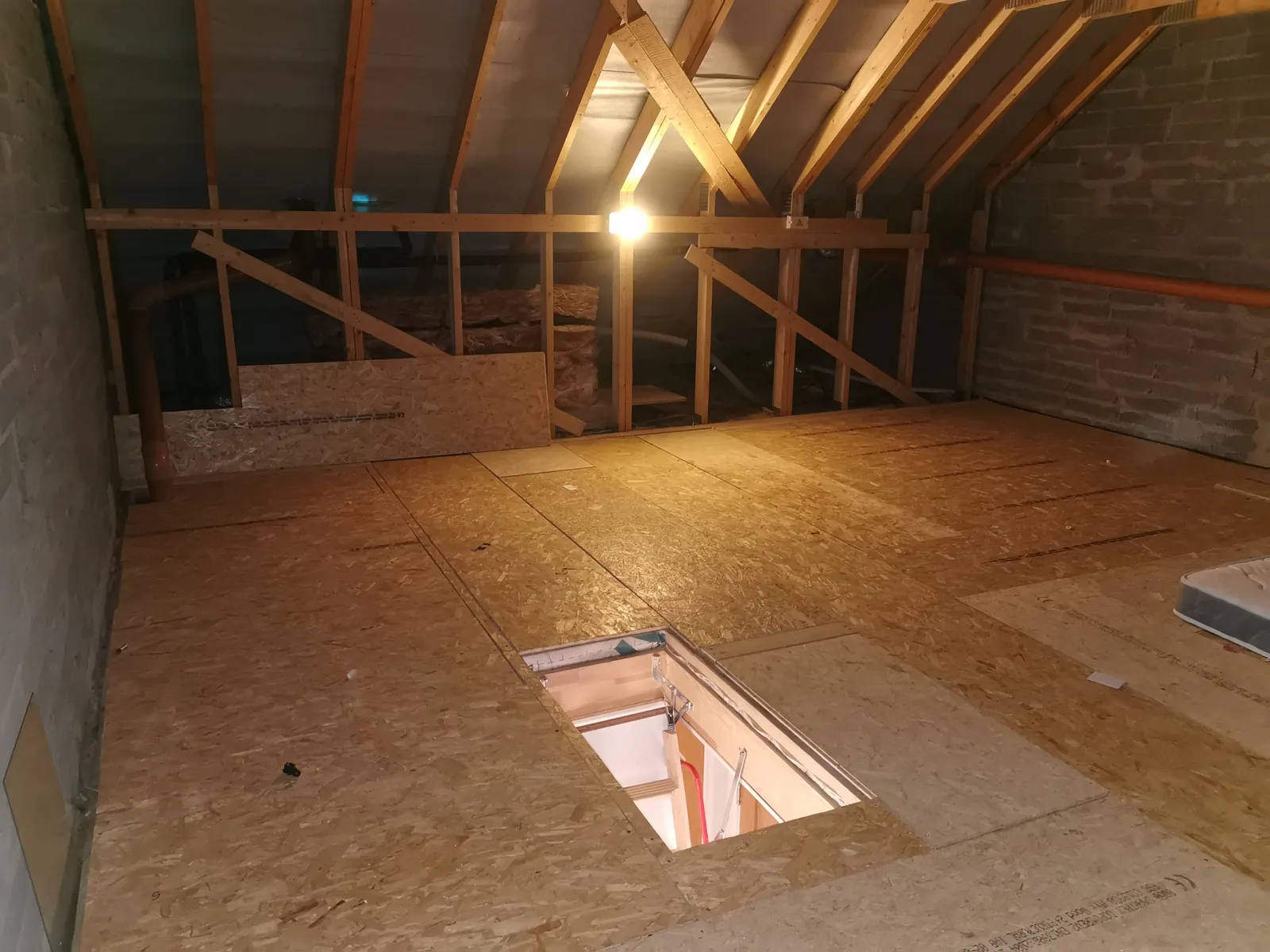
What we clear in Arklow
- Terraced houses and flats on Main Street, Lower Main Street and the harbour streets, with steep stairs, no driveway and the van on the street.
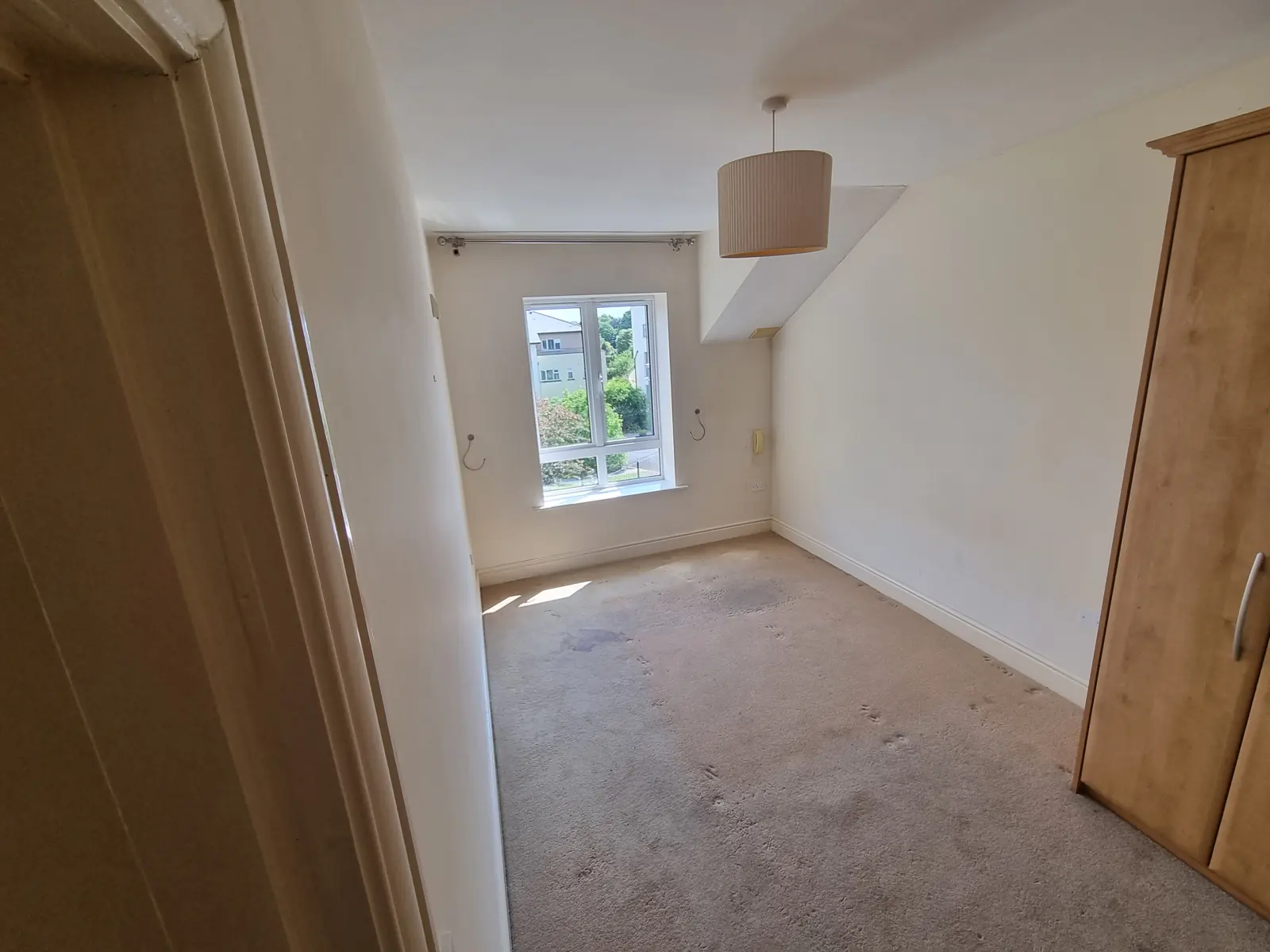
- Family homes in Emoclew, Templerainey, Kilbride, the Coolgreany Road estates and Ferrybank, cleared for sale or when a parent moves into care. Our house clearance page sets out how a full house is planned.
- Bereavement clearances, the bulk of the calls from the town, with time given to papers, photographs and anything the family wants kept. See bereavement clearance.
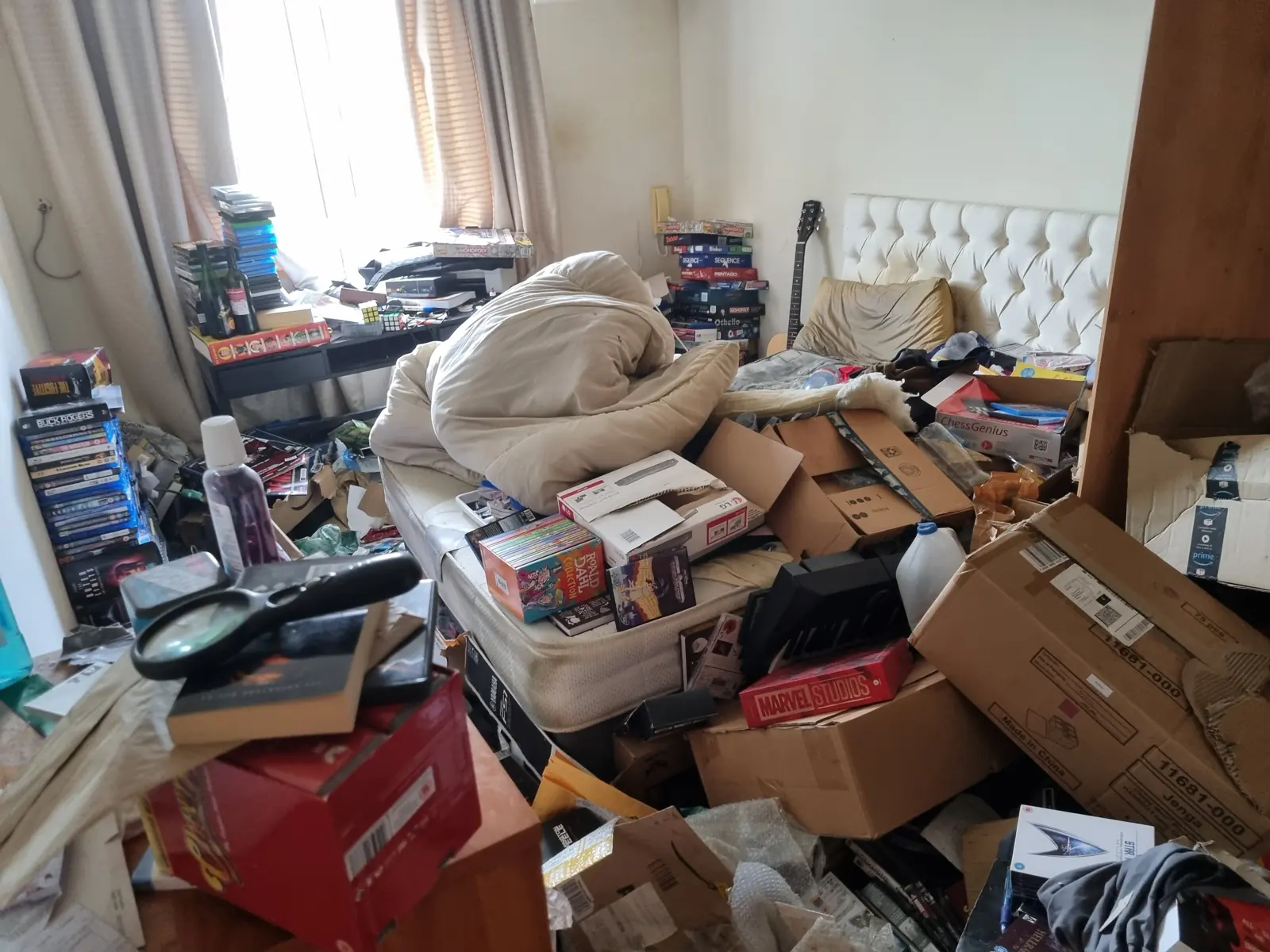
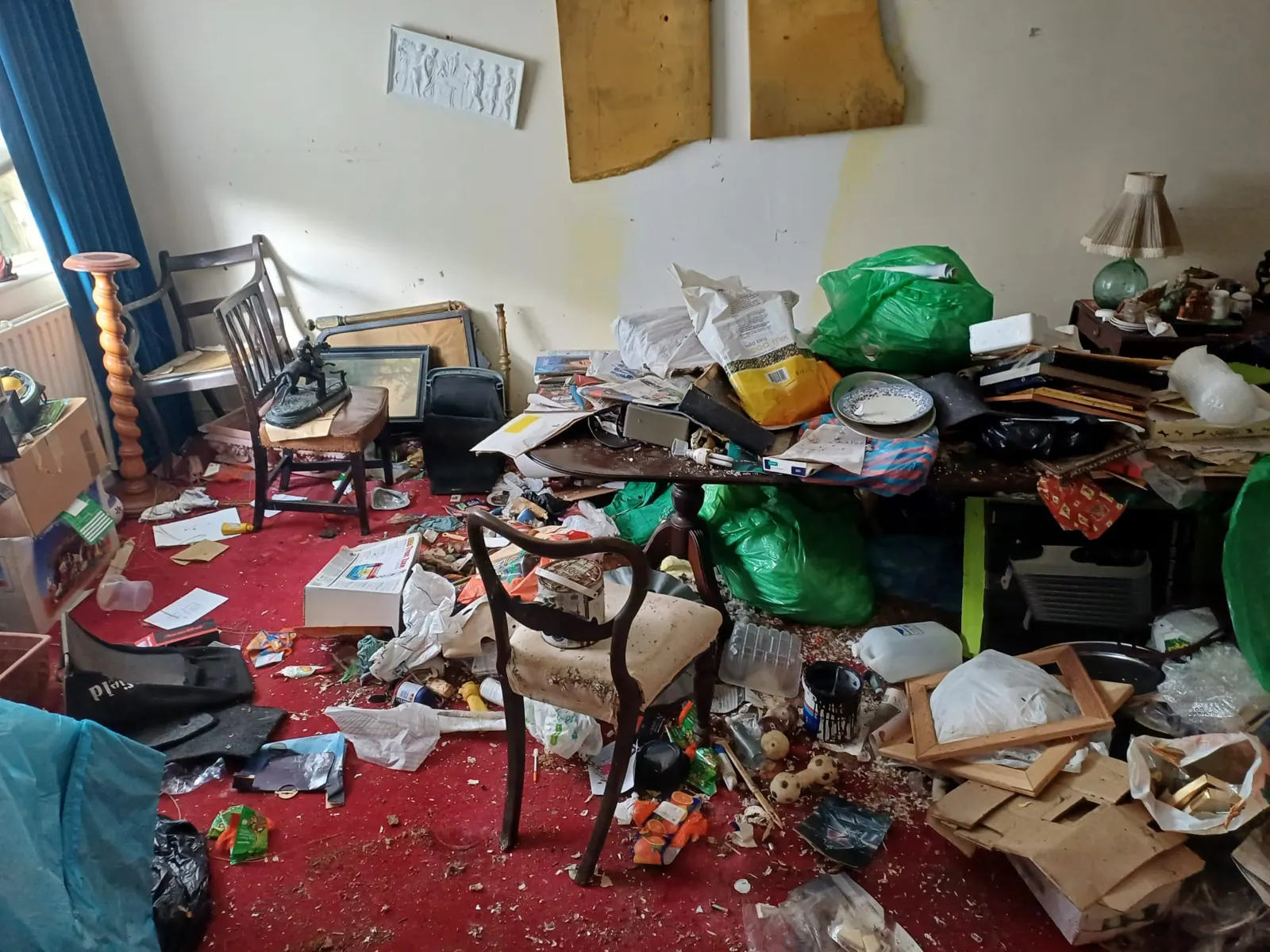
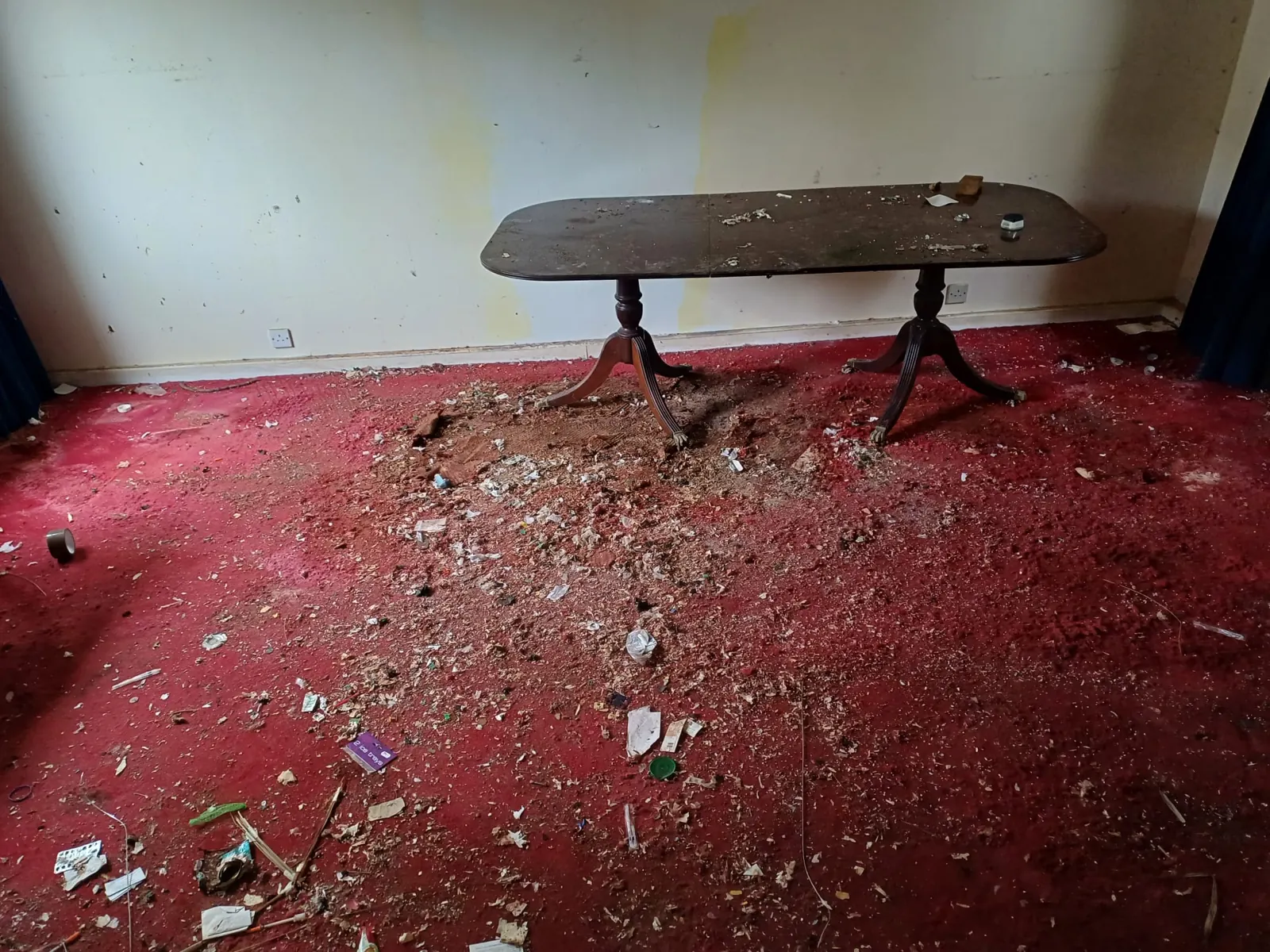
- Hoarded and long-neglected houses, in town or in the valley, approached discreetly and without judgement. Our guide on how to clear a hoarded house is a good place to start.
- Sheds and outbuildings at rural houses towards Avoca and Woodenbridge, where years of timber, tools and machinery parts accumulate.
If you want to know what a waste collection permit means for where your things end up, this plain explanation of the waste collection permit covers it.
Access, parking and the practical bits
Main Street is long, steep in places, with on-street parking that fills during the day. For a town-centre house we start early, stop as close to the door as the street allows, hazards on, and carry; a back lane or yard, if the house has one, is quicker. The bridge is the pinch point for traffic across the town at peak times, and Ferrybank jobs are planned so that we are not crossing it loaded in the evening rush.
The estates are driveways, kerbs and side gates, no different from a Dublin suburb. Rural houses in the Avoca valley have lanes and yards, and a picture of the entrance tells us all we need.
From Dublin the route is the M50, N11 and M11 to the Arklow junctions. It is a long run for a loaded van, and the way we keep it sensible is to come for whole houses and to pair Arklow with Gorey, Wicklow Town or Brittas Bay jobs on the same day.
Why people in Arklow call us
The typical Arklow call is from a family member in Dublin or abroad who has a parent’s house in one of the older estates or a terrace in the town to empty for sale, and wants it done in a day or two by people who will treat the contents with some care. Landlords with a flat over a shop and executors with a deadline are the rest.
A two-person crew with a box van, working under a waste collection permit, does the carrying, the sorting and the disposal. Items still fit for use are set aside for reuse or donation, recyclables are separated and the remainder goes to a licensed transfer station. We do not pretend to be an Arklow firm; we are a Dublin crew that travels, and for a single item or a few bags a local collection or the recycling centre is cheaper and we will say so.
Wicklow Town is the next town north, Greystones and Bray are where our regular Wicklow work is, and Gorey over the Wexford border is covered on the same run when a job justifies it.