Clearing homes in Killester’s garden suburb
Killester is different from its neighbours because of how it began. In the years after the First World War a garden suburb was built here for ex-servicemen and their families under the sailors’ and soldiers’ housing scheme, with detached and semi-detached houses, a good number of them single-storey, set well back on wide roads with grass verges and generous gardens. Middle Third, Abbeyfield and The Demesne are the heart of it, and the houses are instantly recognisable by the size of their plots.
The 1950s filled in the rest. Collins Avenue East and the roads off it towards Donnycarney and Artane got the standard two-storey semi with a driveway and a long garden, and Killester Park and the roads near St Brigid’s church are much the same. The DART station and the small cluster of shops on the Howth Road make the village centre, with St Anne’s Park a short walk down towards Raheny and Clontarf.
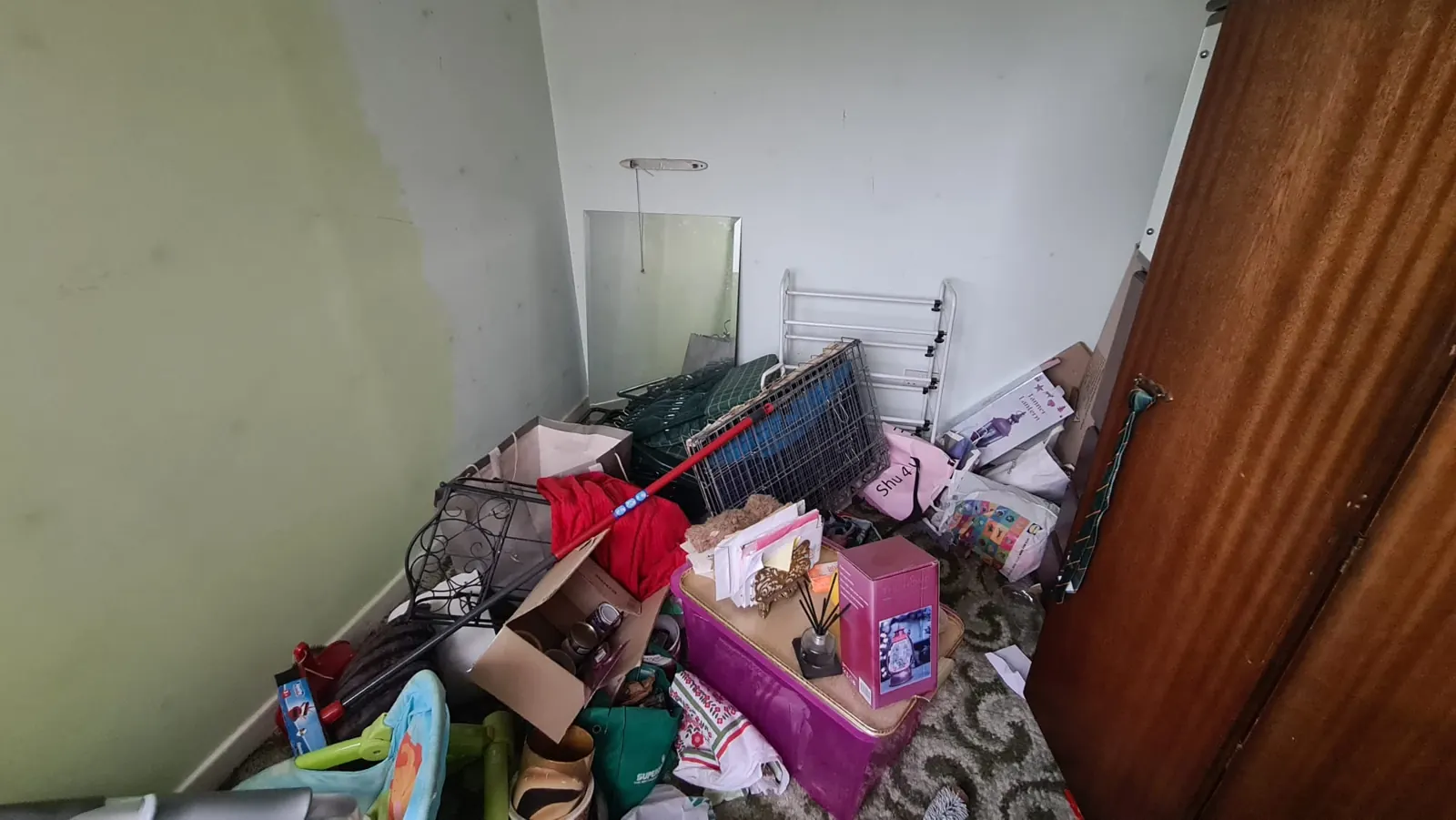
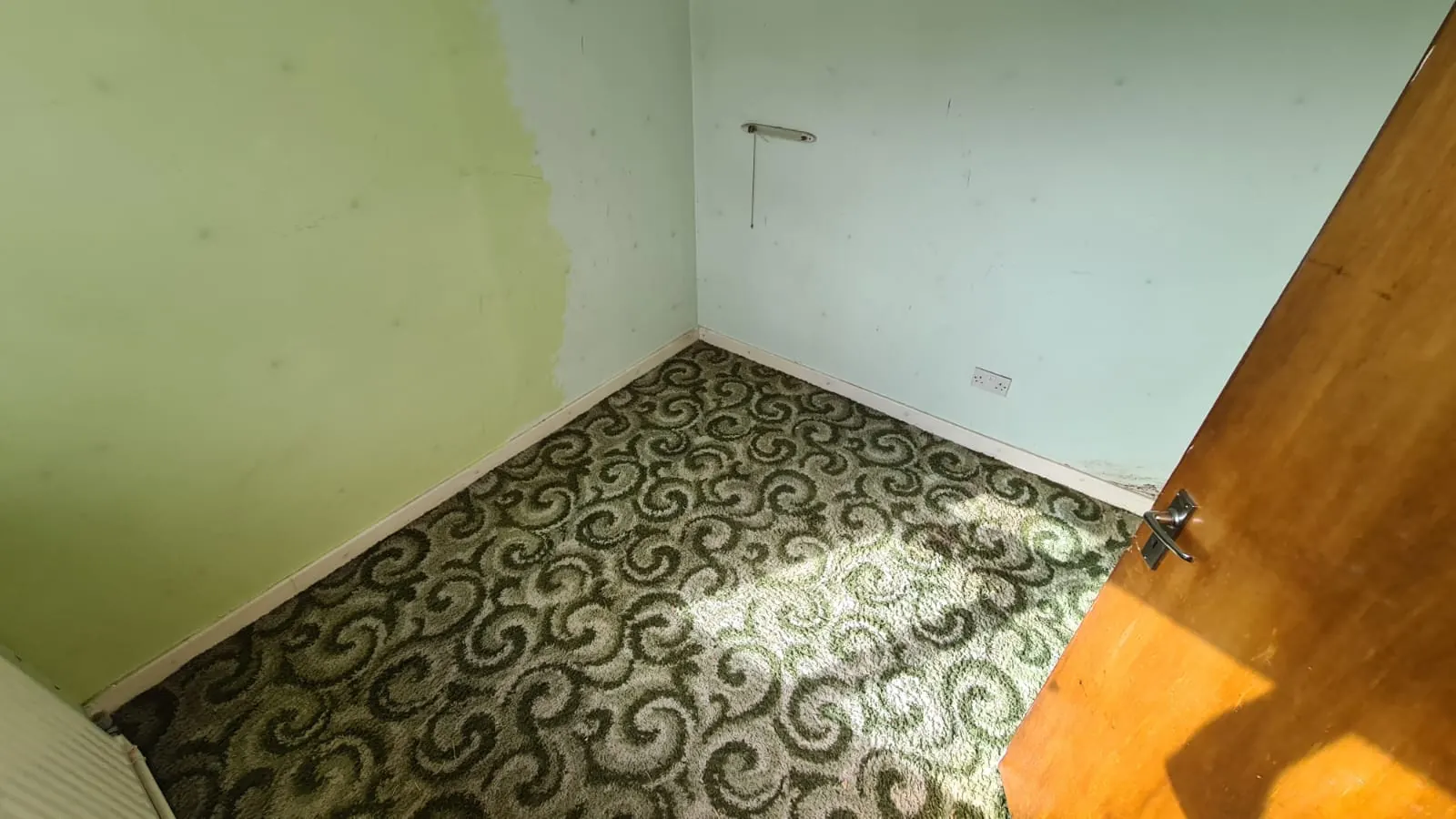
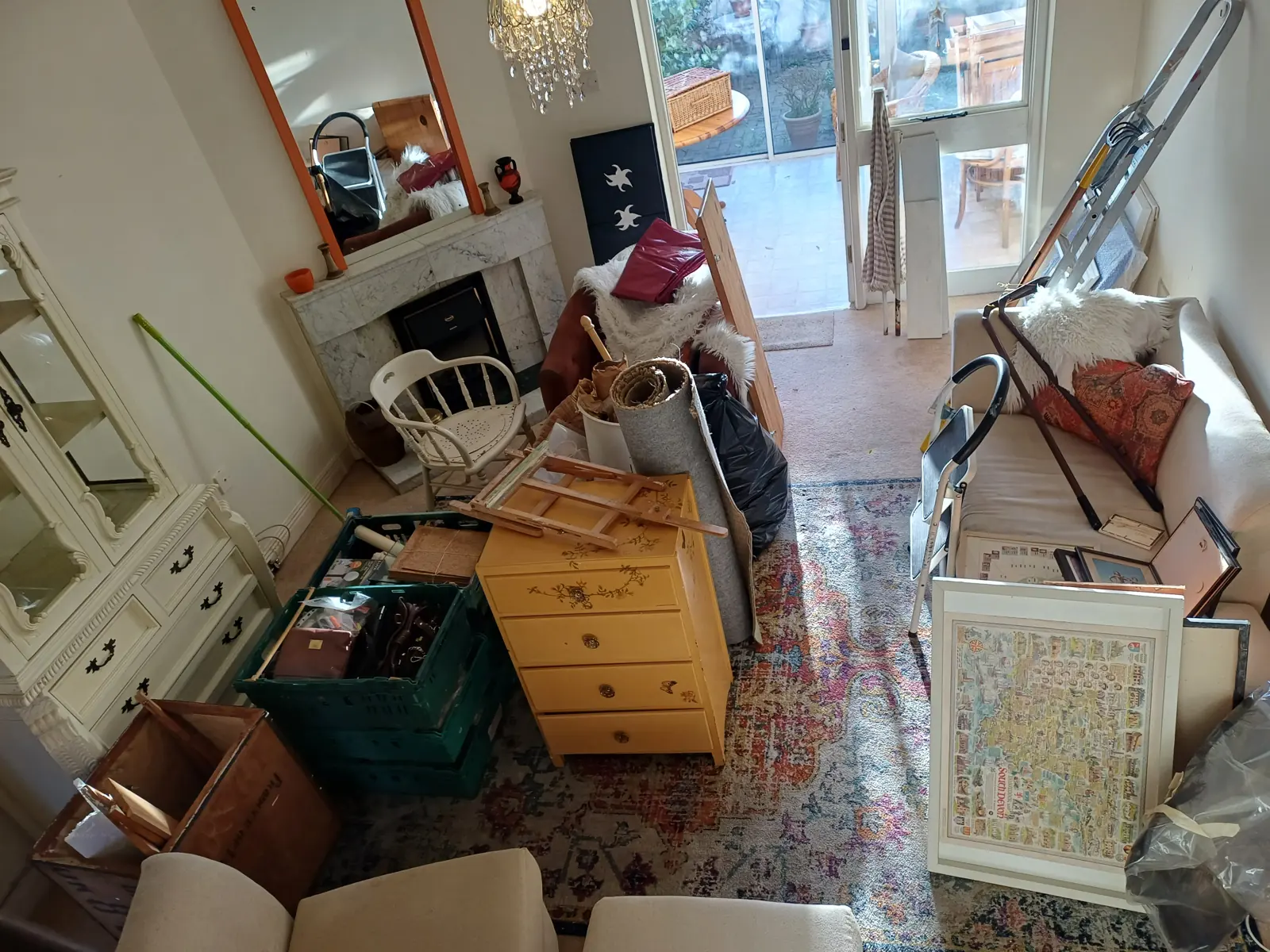
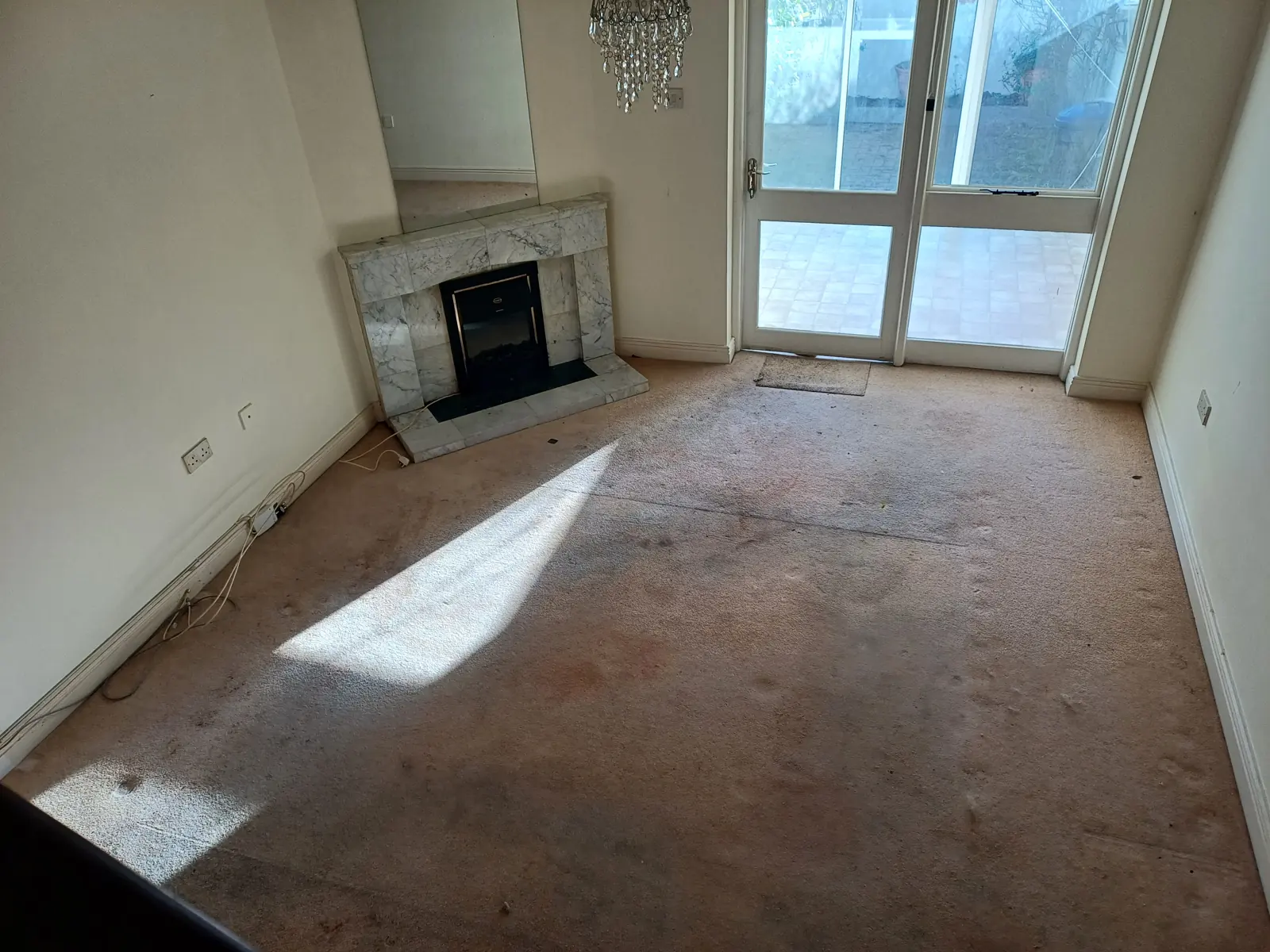
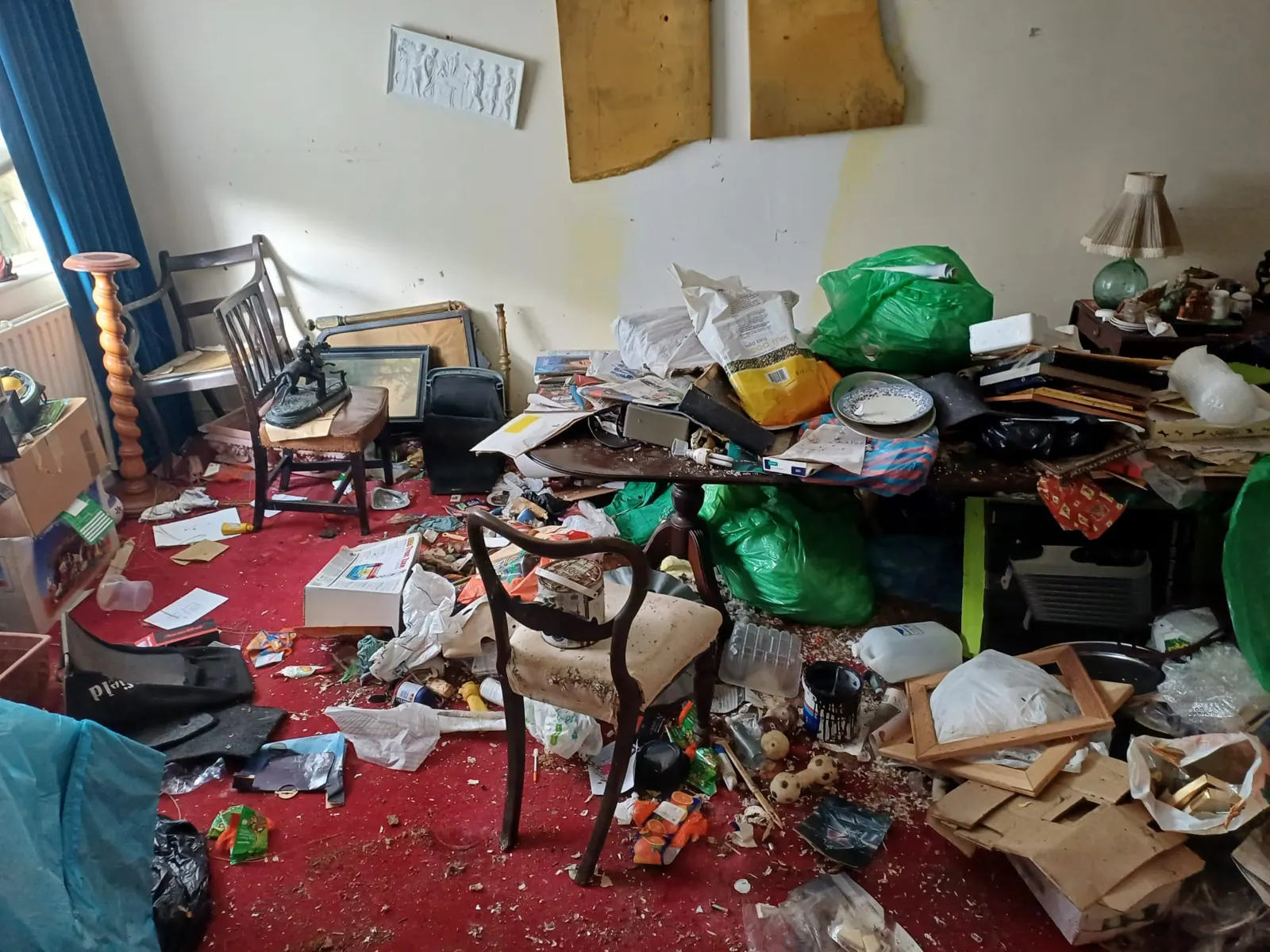
Both kinds of house have been held for a long time, and that is the pattern of our work here: a home with one owner for fifty or sixty years, emptied before a sale, with the attic, the garage and the sheds thrown in.
What comes out of a Killester house
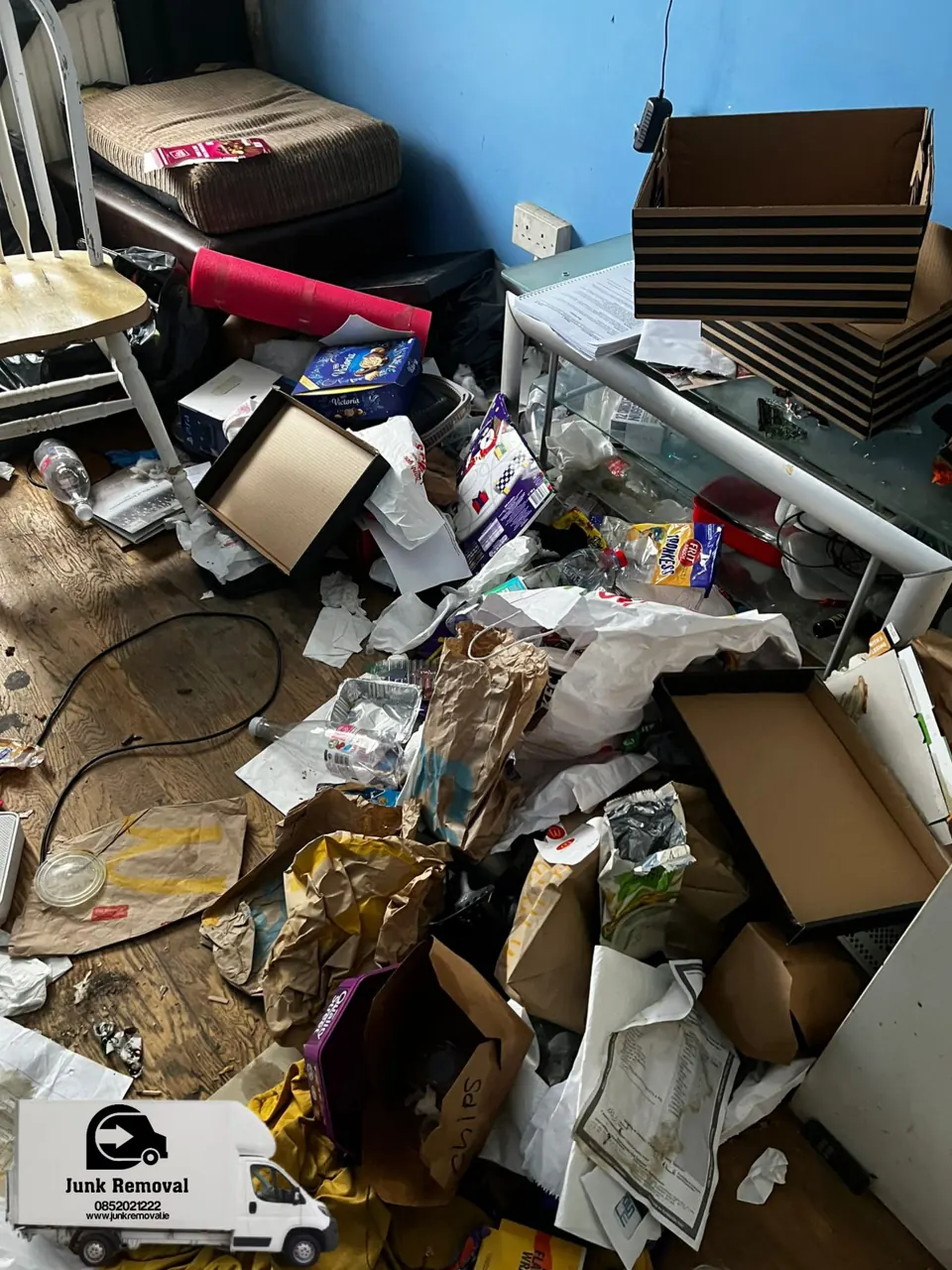
- The whole house, often after a death or a move into care, cleared in the order the family prefers. How we handle a bereavement clearance is set out on its own page.
- Attics, converted or not, which in both the ex-servicemen’s houses and the 1950s semis hold decades of boxes. See attic clearance.
- Garages, sheds and greenhouses on the big plots, with tools, bikes, mowers and timber. Our garage clearance page covers them.
- Heavy furniture of the 1950s to 70s, such as wardrobes, sideboards and dining suites that have no second-hand market.
- Carpets, curtains and old kitchens when a buyer is planning to extend and modernise, as buyers of the older houses often do.
Anything that is still usable is set aside for reuse or donation where we can find a home for it, recyclables are separated, and the rest goes to a licensed waste transfer station.
Wide roads, big plots and long carries
Killester is one of the easiest parts of Dublin for a van. The garden suburb roads are wide, the houses have driveways and the van reverses right up to the door. The 1950s roads are much the same, and only the stretch of the Howth Road by the station and the shops gets congested.
The size of the plots is the thing that adds time rather than difficulty. A shed at the far end of a long garden means a long walk with each load, and a detached house with a garage and two sheds is frequently two van loads rather than one. We tell you that at quote stage, not on the day, and we price on the whole job.
The bungalows and dormers are quicker inside because there are fewer stairs. The two-storey semis have straight stairs and square landings, and furniture comes down without drama. If the house has been empty and the power is off, let us know so we plan for daylight.
Why Killester families call us
Most of the calls we get from Killester are from families selling a parent’s home, often while living on the far side of the city or abroad, and dealing with a solicitor and an estate agent at the same time. They want one firm to take everything, attic to greenhouse, to be straight about whether it is one load or two, and to leave the house swept for viewings.
A skip on the driveway is what people price first, but with a house and outbuildings this size it is rarely one skip, and someone still has to fill it. Our comparison of house clearance and skip hire sets out the difference, and this bereavement clearance checklist is a useful list to work through before we come.
We carry full insurance and a current Waste Collection Permit, and we will show you both. Killester sits between Clontarf and the Howth Road to the south, Raheny beyond St Anne’s Park and Artane along Collins Avenue East, and we cover all of them.