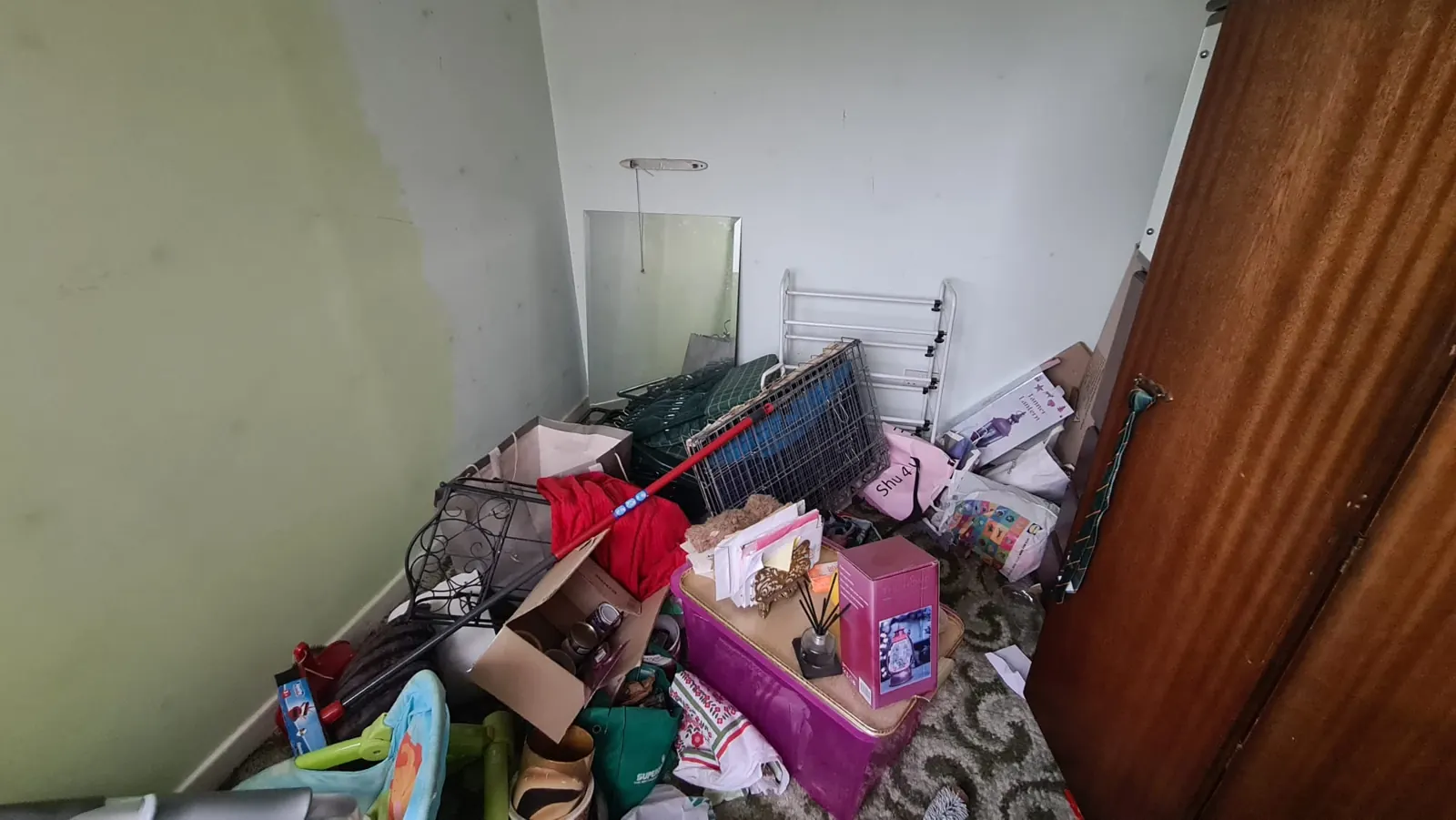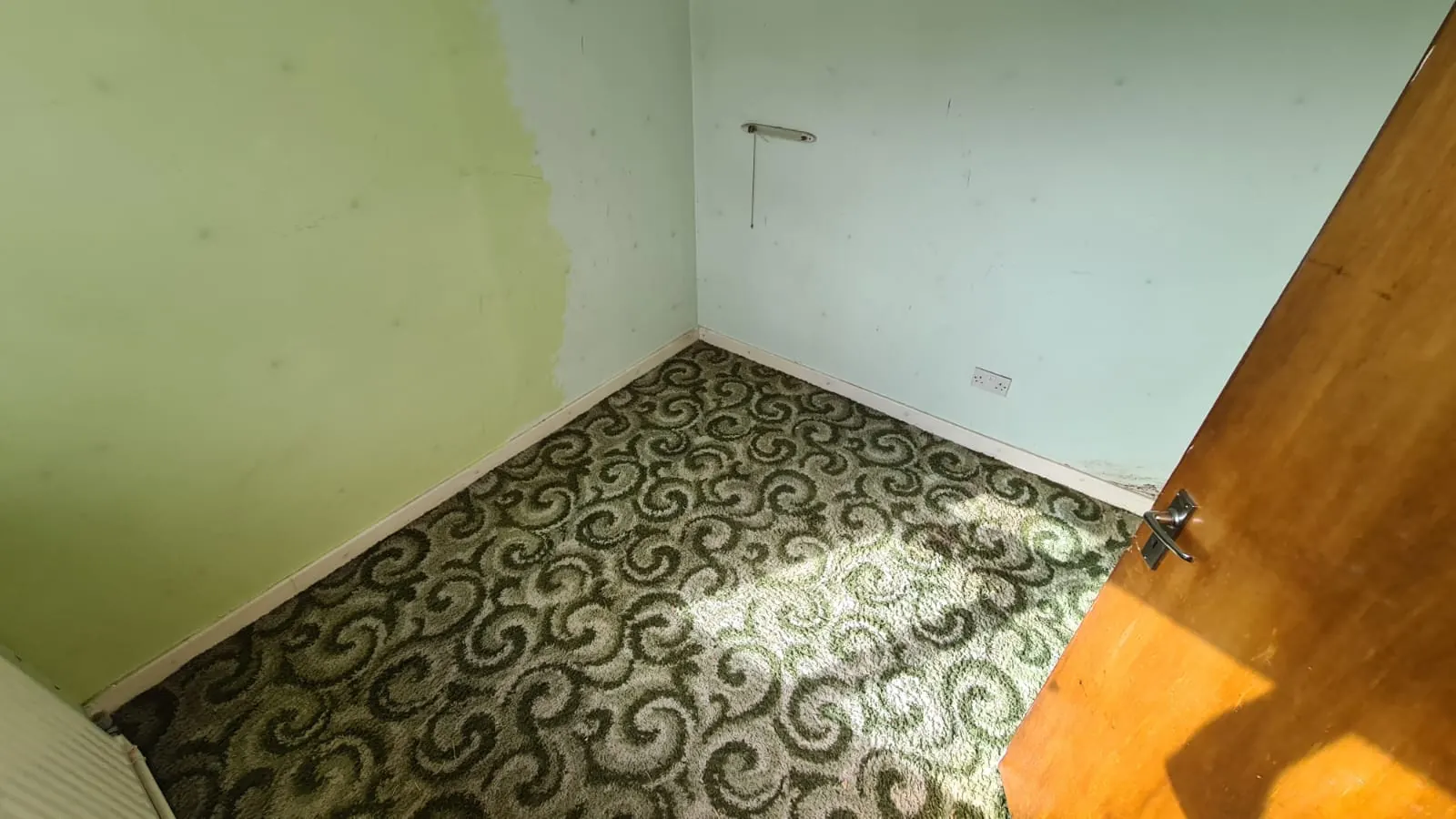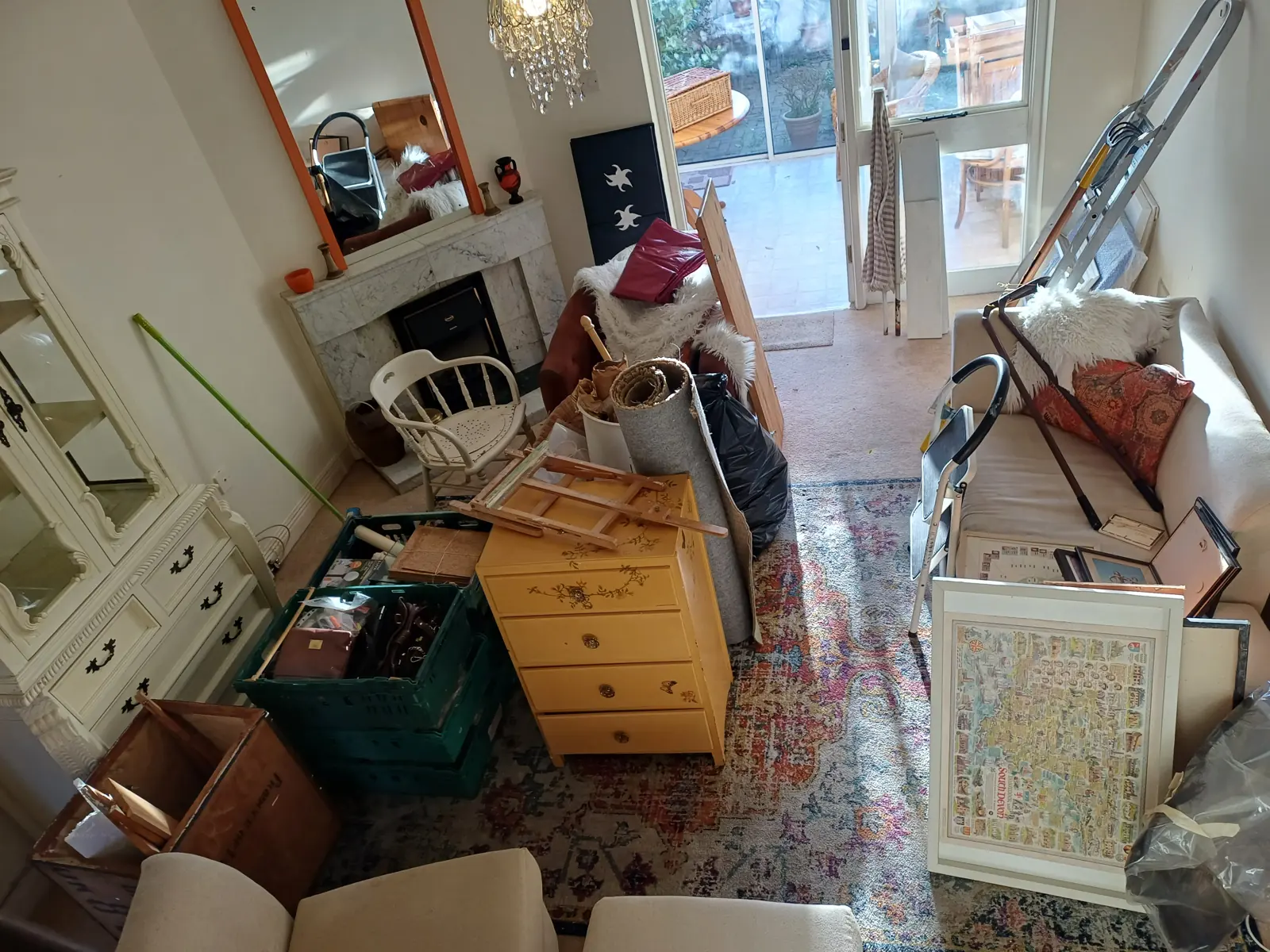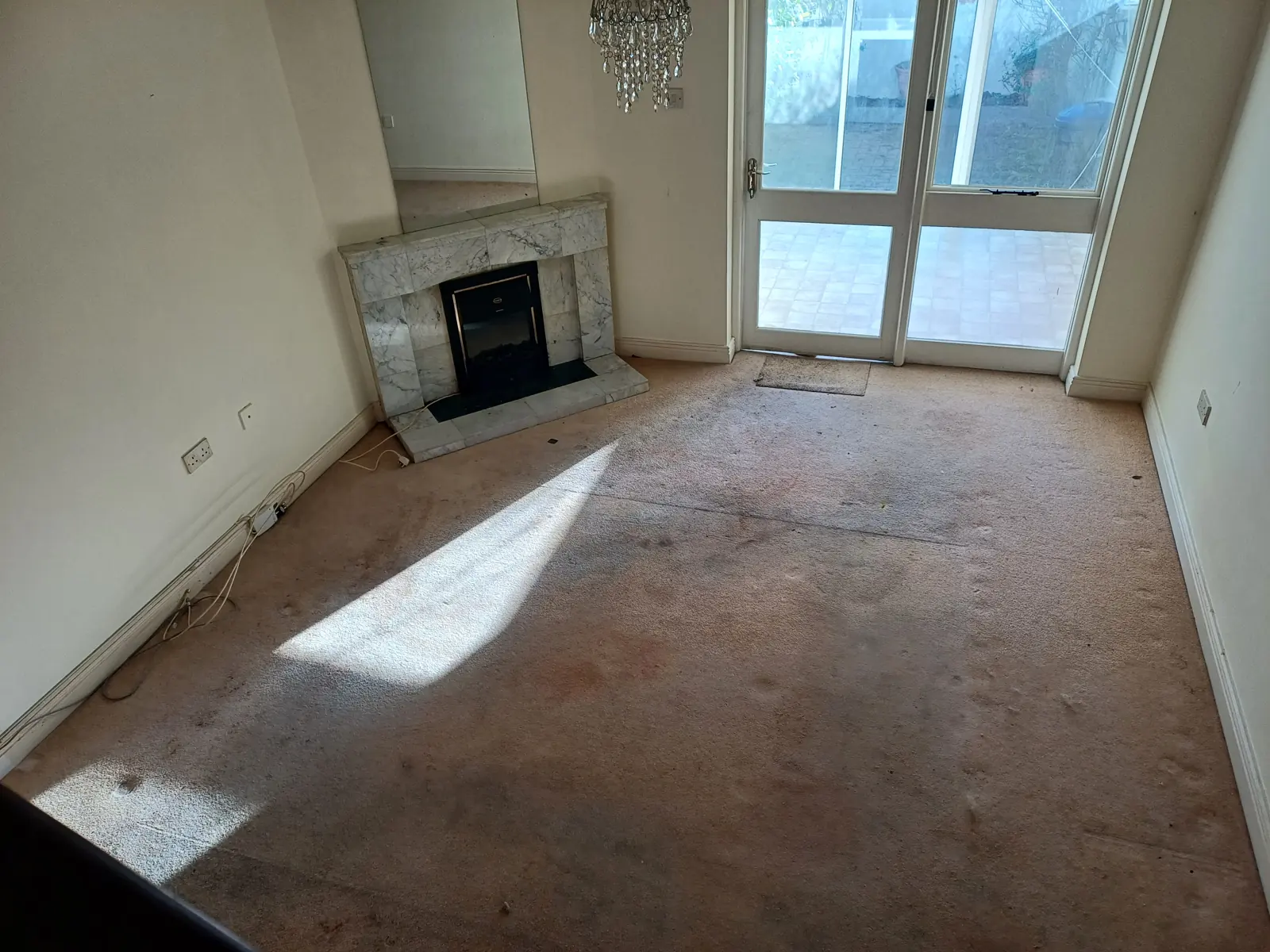

Clearing homes and flats in Ranelagh
Ranelagh grew along the old road out of the city, and the Victorian builders filled it with redbrick: tall terraces on Ranelagh Road and Chelmsford Road, villas with front gardens on Sandford Road and Elmwood Avenue, and the handsome houses around Dartmouth Square at the city end. Behind the main road there are quieter streets, Oakley Road, Moyne Road and Cambridge Road among them, where the houses are smaller and more of them are still single family homes.
The village itself, around the Triangle and the Luas stop, is now one of the busiest eating-out strips on the south side, and that brings a lot of people in their twenties and thirties renting rooms and flats above and behind it. There are newer apartment blocks too, tucked in off Ranelagh Road and towards the canal at Charlemont.
So our work here splits two ways. Half of it is flats: a studio or one-bed being turned around between tenants, a top-floor flat where someone has moved on and left the furniture, a bedsit that is finally being converted back. The other half is the big houses that stayed whole, cleared when a family sells after decades.

What we clear in Ranelagh
- Rented flats and bedsits in converted houses, for landlords and letting agents who need the rooms empty before a viewing. Our apartment clearance page explains how we work with agents and keyholders.
- Whole houses on Sandford Road, Elmwood Avenue and the roads around Dartmouth Square when the family home is being sold.
- Bereavement clearances, done gently and in the order the family wants. Our guide on how to clear a house after a bereavement is a good starting point.
- Attics and returns, which in a Victorian house usually hold a century of boxes, trunks and old suitcases.
- Furniture that will not fit anywhere: the sofa that came in through a window, wardrobes too tall for the landing, a piano nobody plays.
If the flat is being handed back at the end of a tenancy, this landlord guide covers end-of-tenancy clearance from the landlord’s side, including what to agree with the outgoing tenant first.
Access, parking and the practical bits
Parking is the first thing anyone in Ranelagh asks about. Almost every residential road is residents’ permit parking and the main road is pay-and-display, so the van generally pulls up outside the door with the hazards on and we load as quickly as we can. Where a terrace has a lane at the back, and plenty do between Ranelagh Road and Chelmsford Road, loading from the lane is quicker and keeps the front hall clear for the other tenants.
The converted houses are the other practical reality. Three or four storeys, a return at the back with its own half-landing, and a staircase that was never designed for a double wardrobe. We carry everything down by hand, take furniture apart where it has to be, and protect the stairs and hall walls as we go.
For a flat in a shared house, let the other residents know a van will be outside for an hour or two. For a whole house, tell us if there is a basement or cellar; a lot of Ranelagh houses have one and it is nearly always full.
Why people in Ranelagh call us
Ranelagh enquiries come mostly from landlords and agents turning flats around, from people leaving a flat who have accumulated more than a car can take, and from families clearing a house in which a parent lived for forty or fifty years. A skip is rarely the answer here: there is nowhere to put one on a permit-parking street, and everything would still have to be carried down the stairs to it.
We hold a Waste Collection Permit (NWCPO-25-13287-01), we are fully insured and we are a Dublin-based crew, so Ranelagh is a short run for the van rather than a trek. Whatever is still usable is set aside for reuse or donation, recyclables are separated out, and only the genuine waste goes to a licensed transfer station.
Ranelagh sits between Rathmines and Donnybrook, with Milltown and Dartry down the Luas line, and we cover all of them from the same van. If a job spans a flat in Ranelagh and a parent’s house in Rathgar, both can usually be fitted into one day.