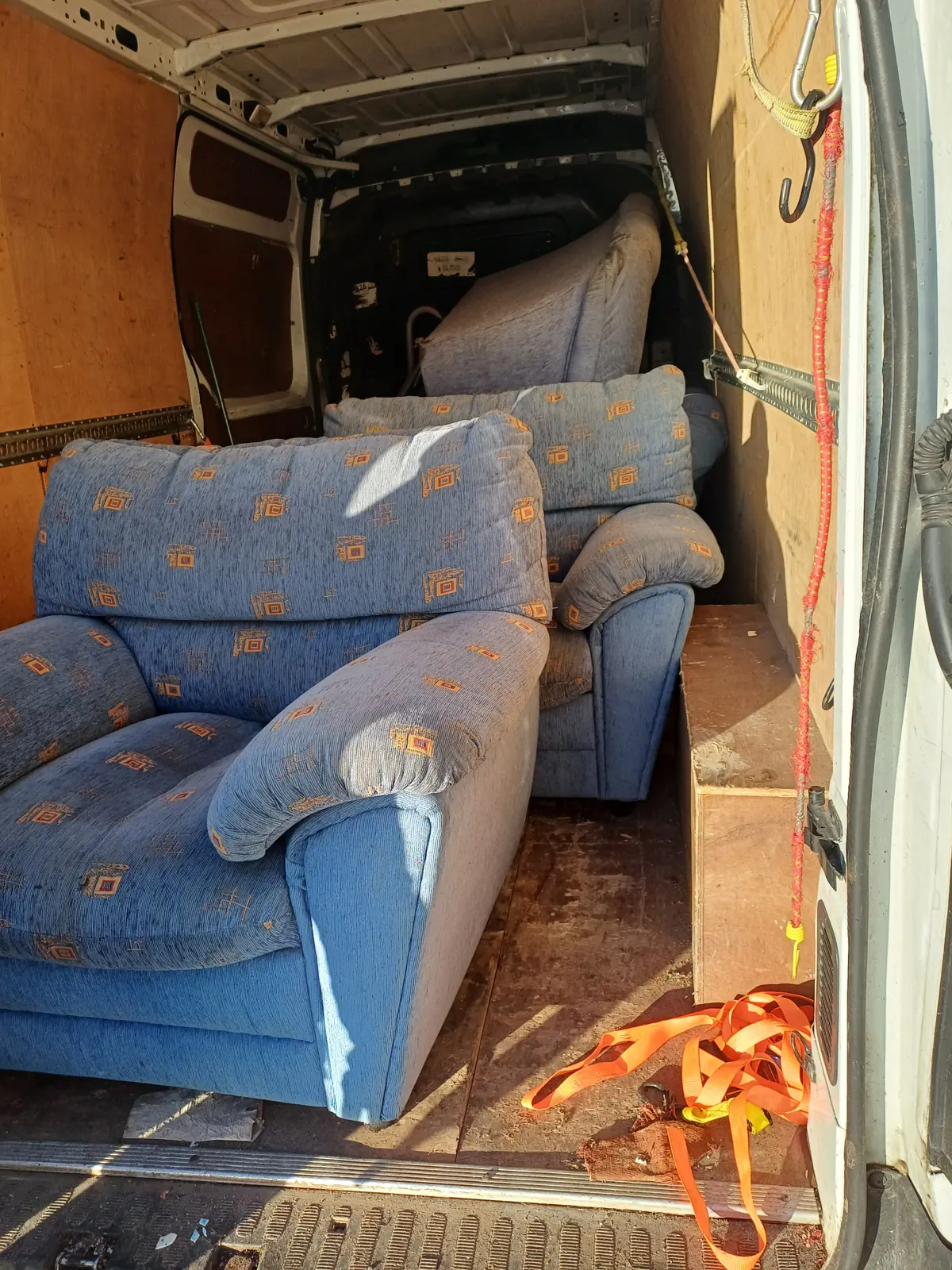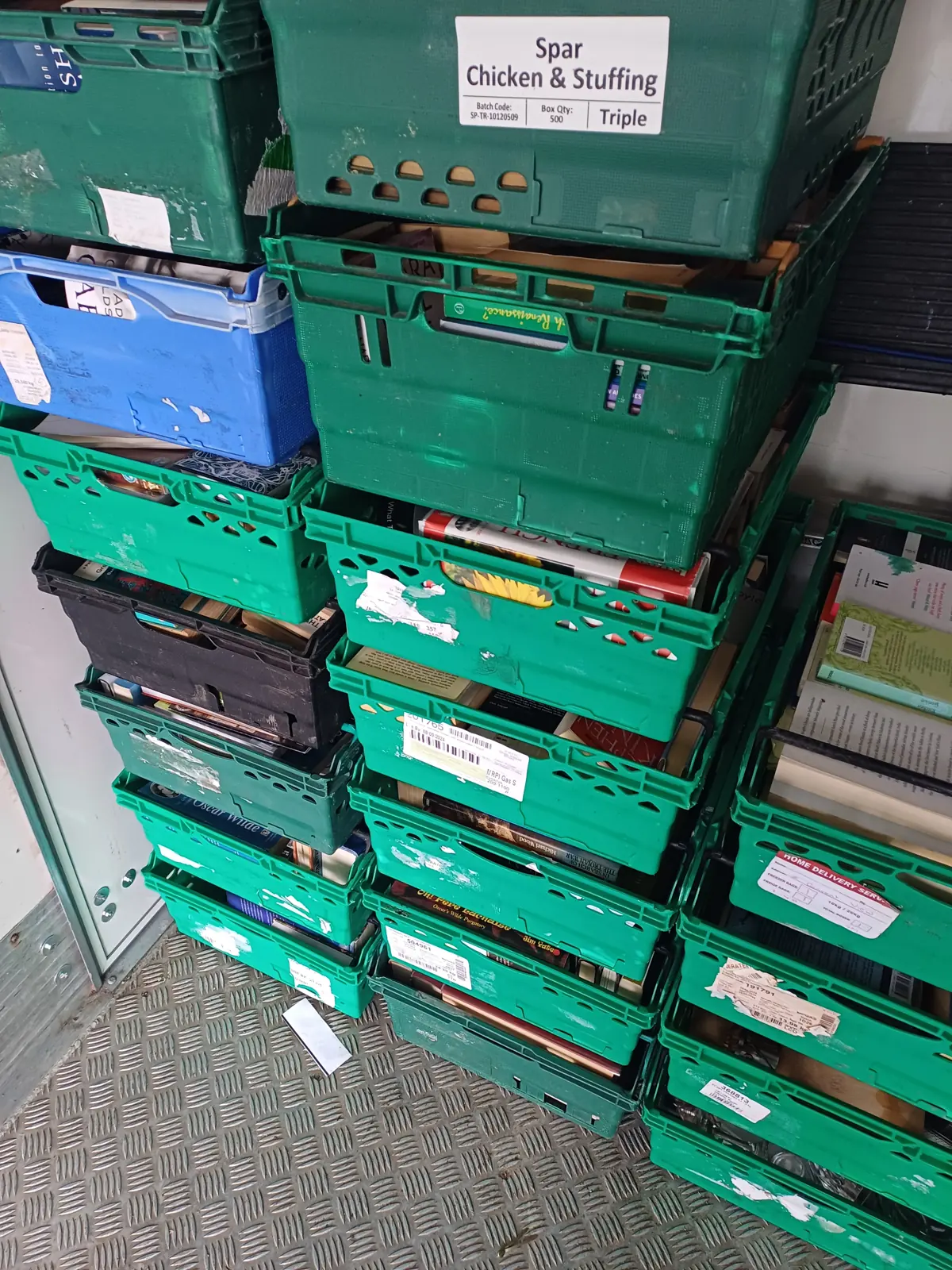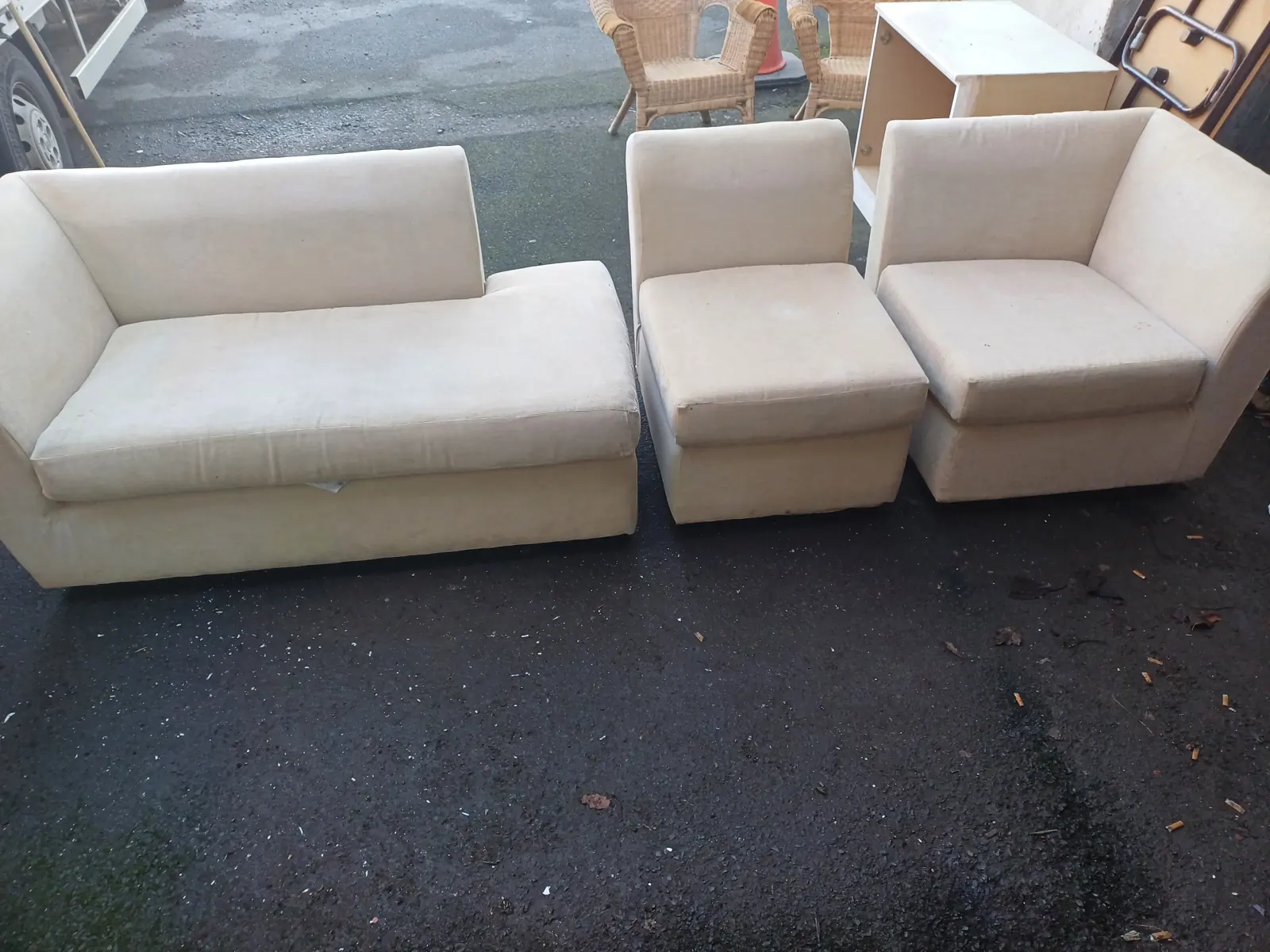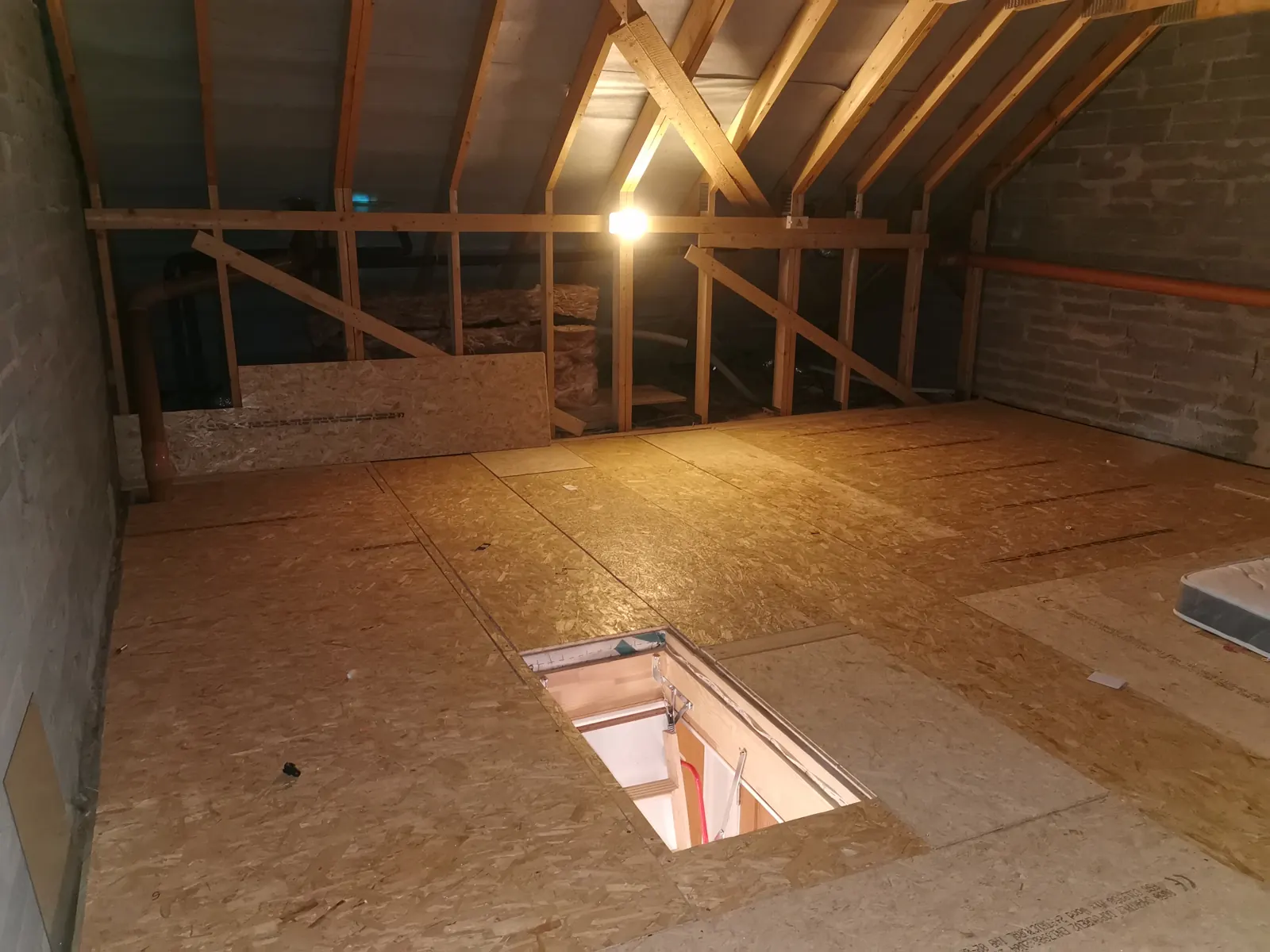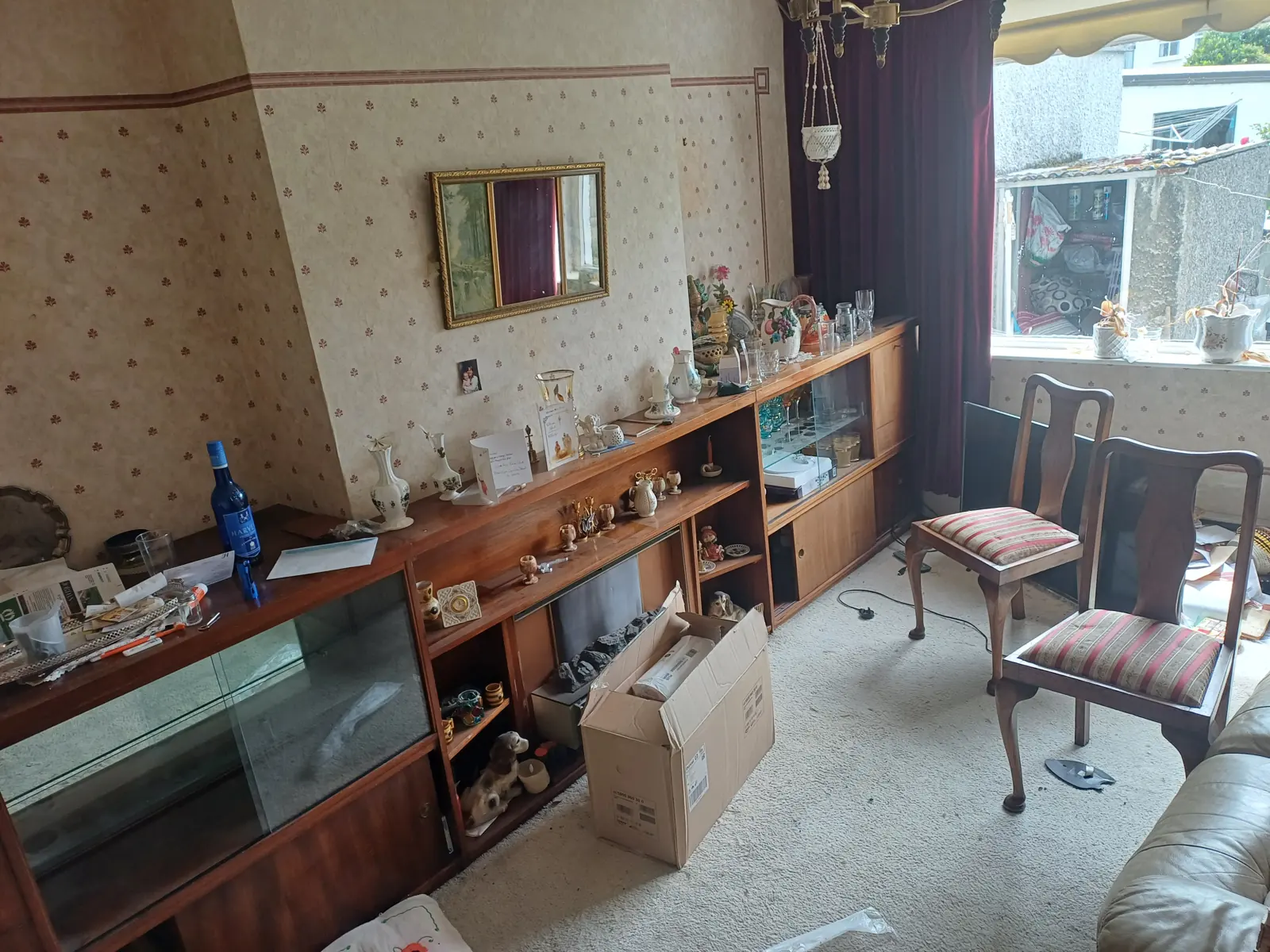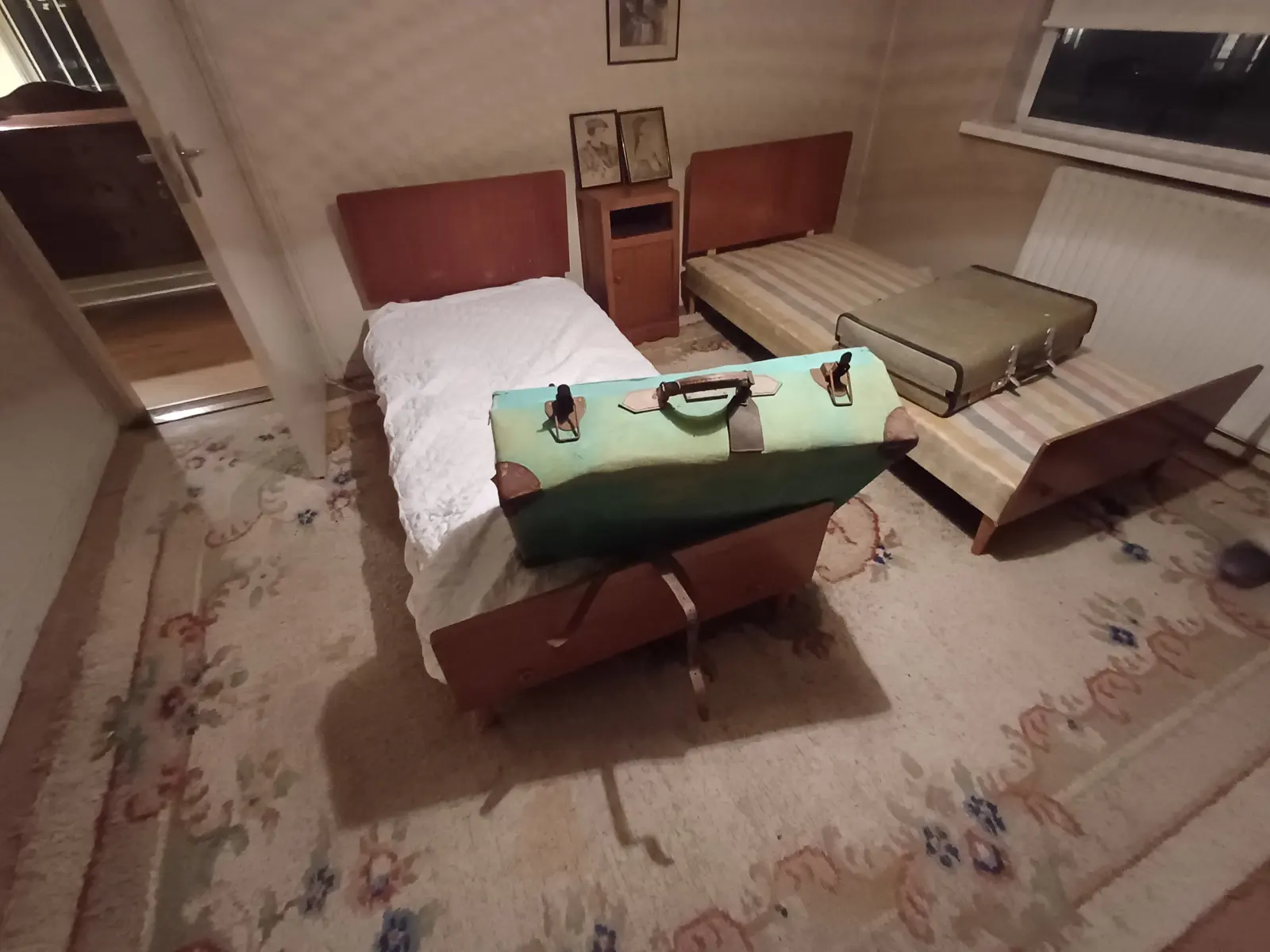


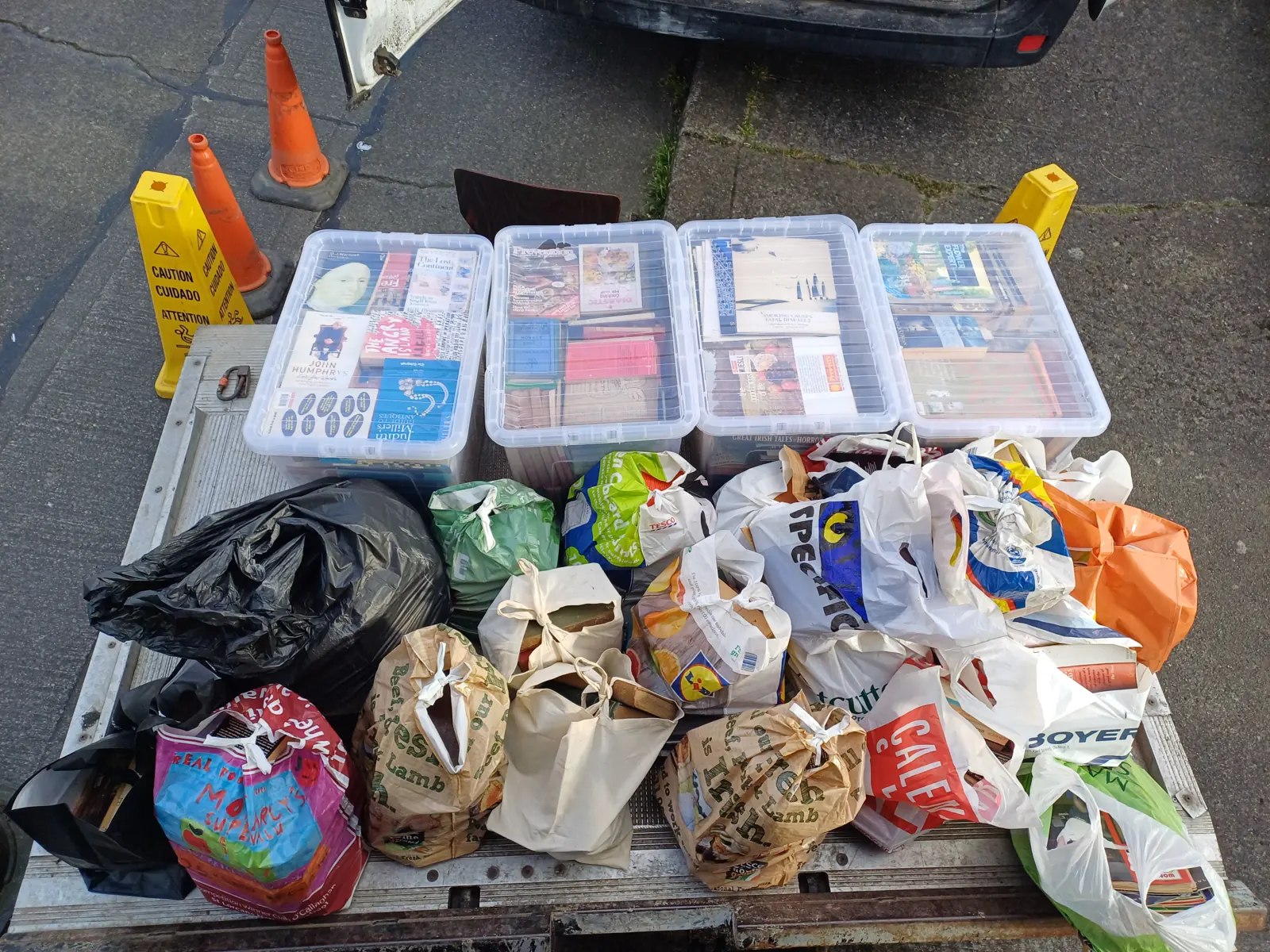
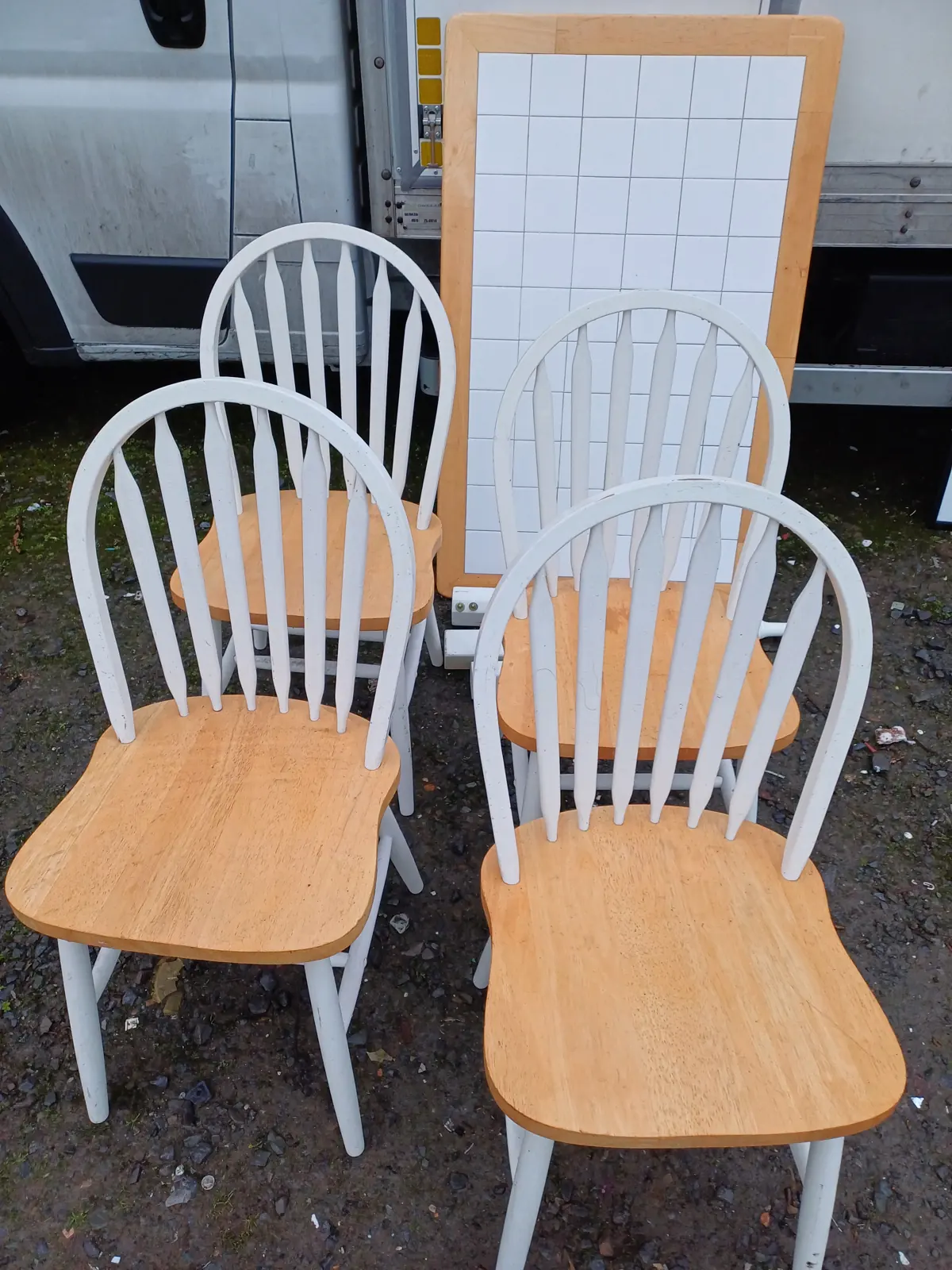
Part of our job is to donate. That surprises some people, who picture a house clearance as everything going straight into the back of a van and off to a dump. It is not. A house that has been lived in for years holds a great deal that is still good: a solid table, a set of chairs, pots and pans, bedding still in its packet, books, lamps and toys. Somebody can use those, and part of clearing a house properly is making sure they go to someone who will.
Our main page on house clearance in Dublin explains the service. This page is about the donations: what we pass on, who to, what cannot be passed on, and how the sorting happens on the day.

Who the donations go to
We pass things on to two kinds of people:
- Individuals who need them. Someone setting up a first home, a family starting again, a person moving into an empty flat with nothing in it.
- Charity organisations. Charity shops, furniture projects and groups that help people furnish a home.
We do not name the charities and organisations we work with. That is a choice, not a secret: the point is that good furniture is used again, not whose name is on the shop.
What can usually be donated
These are the things that most often go on to be used again:
- Solid wooden furniture. Tables, chairs, chests of drawers, bedside lockers, bookcases and wardrobes in good order.
- Sofas and armchairs that are clean, undamaged and not worn through.
- Kitchen things. Plates, cups, glasses, cutlery, pots, pans and small kitchen tools.
- Bedding and towels that are clean, especially anything still in its packaging.
- Books, games and toys that are complete and in good condition.
- Lamps, mirrors and pictures.
- Garden furniture, tools and bikes that work.
Each charity decides what it can accept, and what one cannot take another sometimes can. Whether a particular piece can be passed on also depends on whether someone needs it at the time. So we never promise that a given item will be donated. We set it aside and do our best.
What usually cannot be donated
Some things do not have another life in them, however well they were looked after.
- Furniture that is broken, wobbly or missing parts.
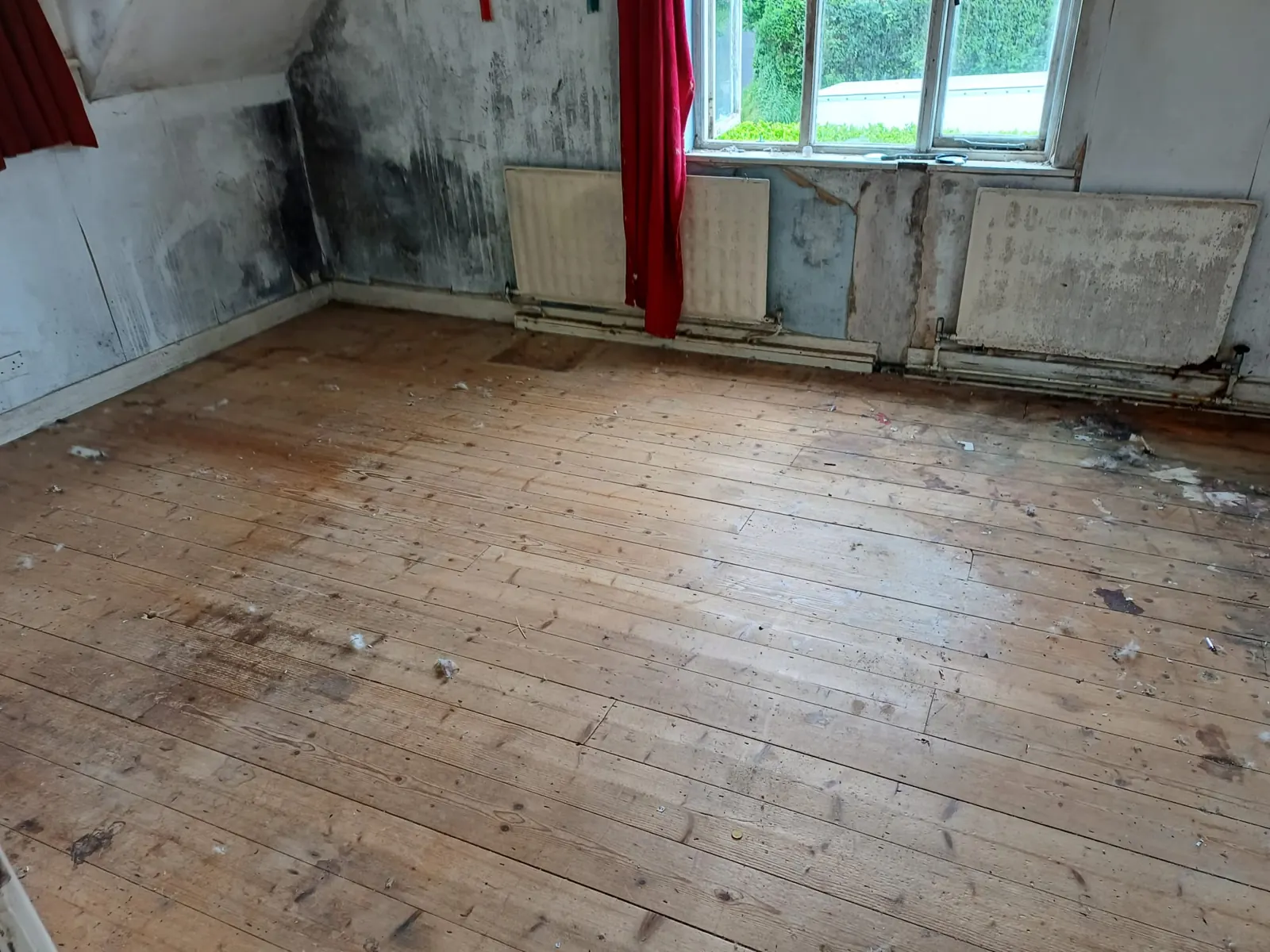
- Anything damp, mouldy, stained or smelling of smoke.
- Mattresses, pillows and duvets that have been slept on for years.
- Upholstery that is torn or worn through.
- Old electricals that may not be safe.
These are not wasted where it can be helped. Metal, timber, cardboard and electricals are separated for recycling, and what is left goes to an authorised facility under our waste collection permit, NWCPO-25-13287-01. Our guide to what happens to your items after a house clearance follows each kind of item to where it ends up.
How the sorting happens on the day
The sorting is done at the house, while the van is being loaded. It is not left to a warehouse later.
- The family’s things come out first. Anything being kept, or promised to a friend, is set aside in one room or by the front door, and nothing there is loaded.
- Papers and photographs are set aside. Anything that looks personal or important is put aside and shown to you, not loaded.
- The crew sorts as it loads. Pieces that can be used again are kept apart from recycling and from waste, so they are not damaged on the way.
- Donations are passed on. To an individual or a charity organisation that can use them.
- The rest is recycled where possible. And the remainder goes to an authorised facility.
How you can help more of it go to a good home
A few small things make a real difference to how much can be passed on.
- Leave things where they are. Furniture that is pulled apart, stacked outside or left in the rain is often past donating by the time we arrive.
- Keep sets together. A table with its chairs, a bed with its slats and bolts, a game with all its pieces.
- Tell us about anything new. Bedding, towels or kitchen things still in their packets are some of the most useful donations of all.
- Mention it when you ask for a price. If there is a lot of good furniture, we plan the load so it travels safely.
You are also free to give things away yourself before the clearance: to family, to neighbours or to a charity you know. We clear whatever is left.
Donating when you are moving or downsizing
Not every clearance follows a death. People moving into a smaller home, moving abroad or moving in with family often have more good furniture than the new place can hold. The same approach works:
- Measure the new rooms first. Decide what is going with you before deciding what is not.
- Offer it to family and friends. A grandchild setting up a flat is often glad of a table and chairs.
- Leave the rest in place. Furniture that stays where it is until the clearance travels better and is more likely to be donated.
- Book the clearance after the removal van. The rooms are empty of what you kept, and what is left can be sorted properly.
Our guide to downsizing a family home in Templeogue goes through a downsize step by step.
Donations after a death
When a house is cleared after a parent has died, it can be a comfort to know that their furniture is going on to be used by someone else, in another home. Our page on bereavement clearance explains how we work with families and executors, and our guide to clearing a house after a bereavement covers the steps before the clearance.
Part of our job is to donate
If you are clearing a house in Dublin, this is part of what you get: the crew sorts as it loads, good furniture and household things are set aside, and they are passed on to individuals who need them and to charity organisations. We do not name the charities, and nothing the family keeps is ever given away.
Are you a charity, or a group that helps people set up a home, and need furniture or household items? Give us a call on 085 202 1222. Tell us what you can use and what you cannot, and when a clearance turns up something suitable, we can be in touch.

What we cannot take at all
We do not collect paint, solvents, oils, fuel, chemicals, batteries or gas cylinders, and we do not handle asbestos or clinical waste. The crew stands them together and tells you where they are. A civic amenity site takes most of them, and a gas cylinder goes back to the supplier.
What Junk Removal does on a job like this
- House clearance: the whole house or part of it, sorted as it is loaded.
- Bereavement clearance: for families and executors, at the family’s pace.
- Furniture removal: for a few large pieces, donated where they can be.
- Apartment clearance: flats and apartments, lifts and stairs included.
- Hoarder clearance: discreet and non-judgemental, with things that can be saved kept apart.
- Office clearance: desks, chairs and storage that another office can use.
We are fully insured, and we work Monday to Friday from 8am to 5pm and Saturday from 8am to 2pm.
What to send for a price
- One or two photos of every room, with the wardrobe and press doors open.
- Close-ups of any good furniture, so we can plan how it travels.
- The attic, garage and shed if they are included.
- What you are keeping, marked or listed.
Next step
Send the photos on WhatsApp to 085 202 1222, or use the quote form below. You will get a fixed price in writing, and the good things in the house will be set aside to go on to someone who can use them.