



A big house clearance is the same job as a small one, repeated more times and planned more carefully. The rooms are bigger, there are more of them, and there is usually an attic, a garage and a shed that nobody has opened in years. Most of all, there is more of everything: more furniture, more boxes, more decisions about what the family keeps.
Our main page on house clearance in Dublin explains the service in general. This page is about the big jobs: the four- and five-bed family homes, the old houses that were never thinned out, and the houses where three generations of belongings have ended up under one roof.

What makes a house clearance a big job
Size is only part of it. A small house can be a big job, and a large one can be quick. These are the things that make a clearance big:
- Volume. Rooms full to the ceiling, wardrobes and presses that are still packed, an attic that is boarded and full.
- Outbuildings. A garage, a shed, a garden room or a coal house, each with its own load.
- Heavy pieces. Wardrobes, a piano, a dresser, a chest freezer, a bed with a solid frame.
- Decisions. A family still choosing what to keep, room by room.
- Access. Stairs, a long drive, a narrow street or a house divided into flats.
When you send photos, these are what we look at. Square footage on its own does not tell us much.
How we count the loads
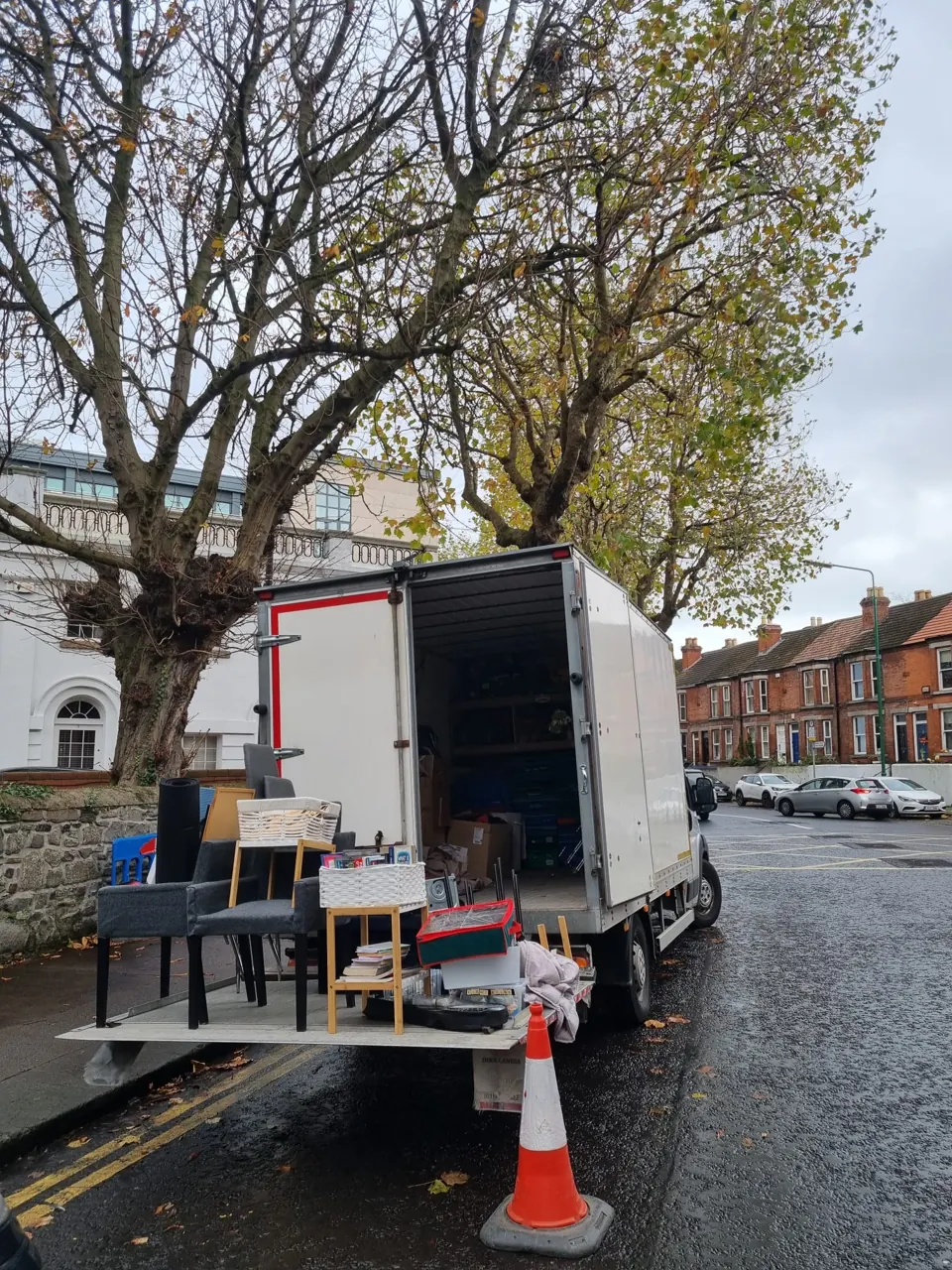
The unit is a full box van with a two-person crew. A typical three-bed house is somewhere between two and five loads, and a big or very full house is more. Our guide to how big a house clearance load is shows how a room, an attic or a garage adds up.
Once we know roughly how many loads there are, there are three ways to run the job:
- Two or more loads in one day. The crew fills the van, it goes to be sorted and emptied, and it comes back for the rest. This suits most big houses with good access.
- A bigger crew. More people, on one day. This suits a house with a tight deadline, as long as there is room to work on the stairs and at the van.
- More than one day. This suits a house where the family is still sorting, or a street where loading is only easy in the morning.
We tell you in the quote which we have planned, and why. The price is fixed for the whole job and stays the same if the crew needs longer.
The order a big house is cleared in
A large house clears best from the outside in and from the top down.
- Outbuildings and garden. The shed, the garage and anything outside go first, which frees the drive and the hall for the heavy pieces later.
- The attic. Cleared while the landing is still clear, so the crew has room at the hatch.
- Bedrooms and box rooms. Upstairs first, so nothing is carried past rooms that are already empty.
- The living rooms and the kitchen. Last, because these are where the family usually wants to sort longest, and where the kettle is.
The rooms the family is still working through can be left until the end, or until the second day. Close the door and tell us which rooms they are.
Keeping a full house working while it empties
On a long job the house has to keep working for the people still in and out of it. A few things make that easier.
- One holding room. Everything the family is keeping goes into one room, or by the front door. Nothing in that room is loaded.
- One person who decides. When a question comes up about a box or a piece of furniture, the crew asks one named person, in person or by phone.
- Papers first. Bank statements, deeds, insurance documents and photographs turn up in every room. The crew puts every paper it finds aside rather than guessing.
- The van stays close. If the van has to leave for a second load, it helps to keep the drive clear and the house open in between.
If nobody can be there, that is common. We can work from keys, agree everything in writing first and send photos room by room.
Big houses we are often asked about
The large clearances we see most in Dublin fall into a few kinds.
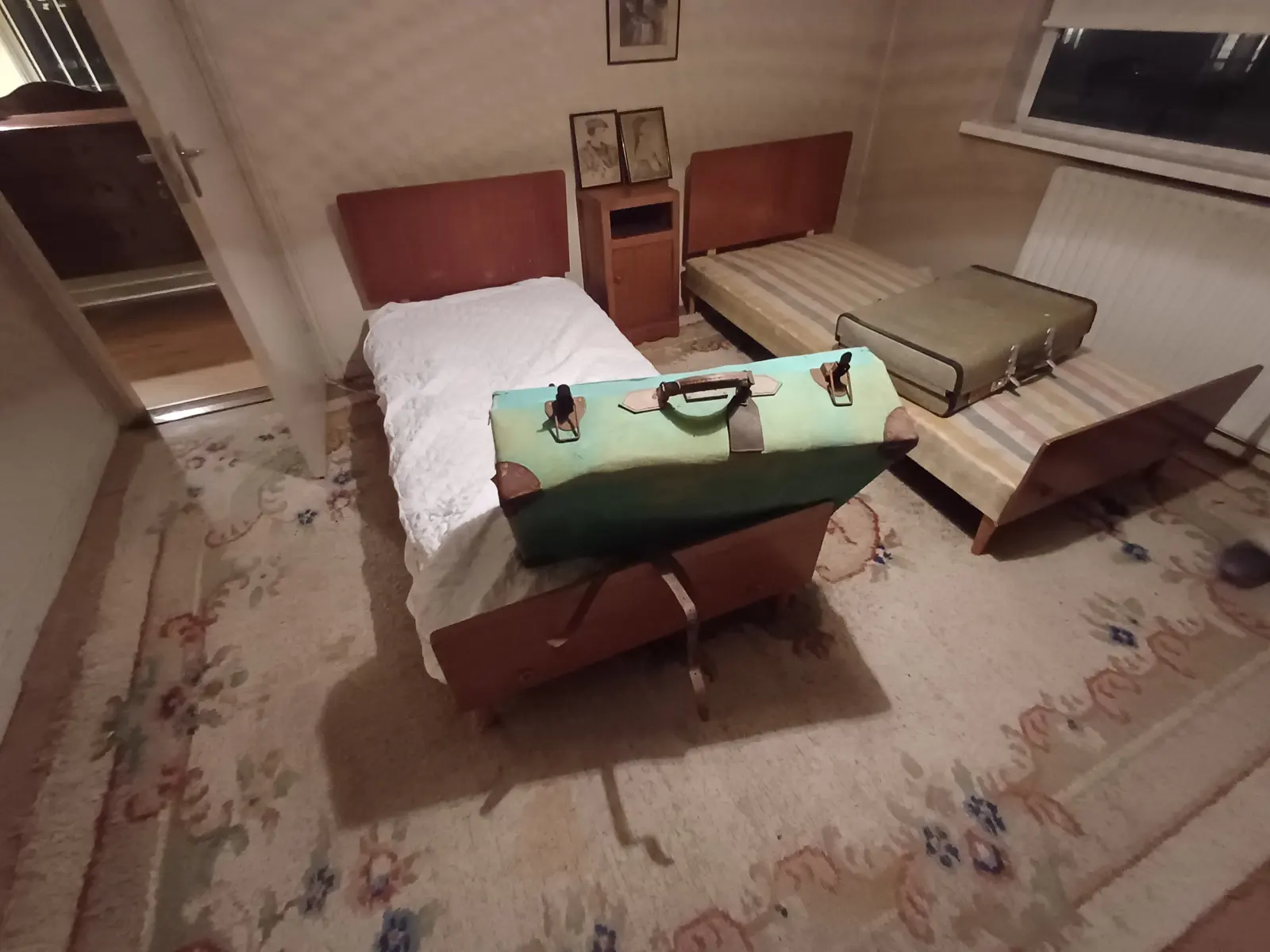
- The family home after a death. Forty or fifty years in one house, every room furnished. Our page on bereavement clearance covers how we work with families and executors.
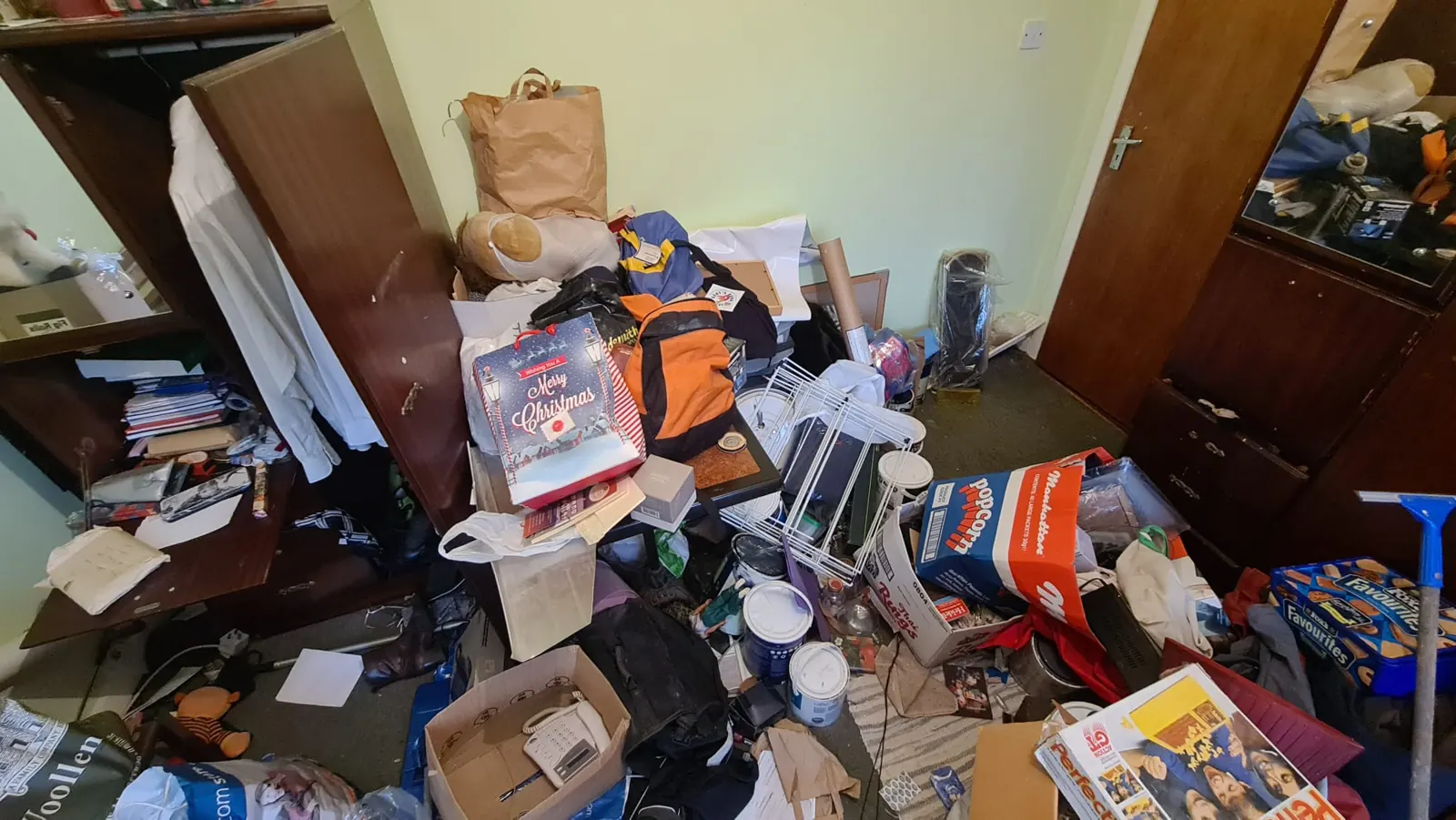
- The house that was never thinned out. Two generations of furniture, and an attic with the contents of another house in it.
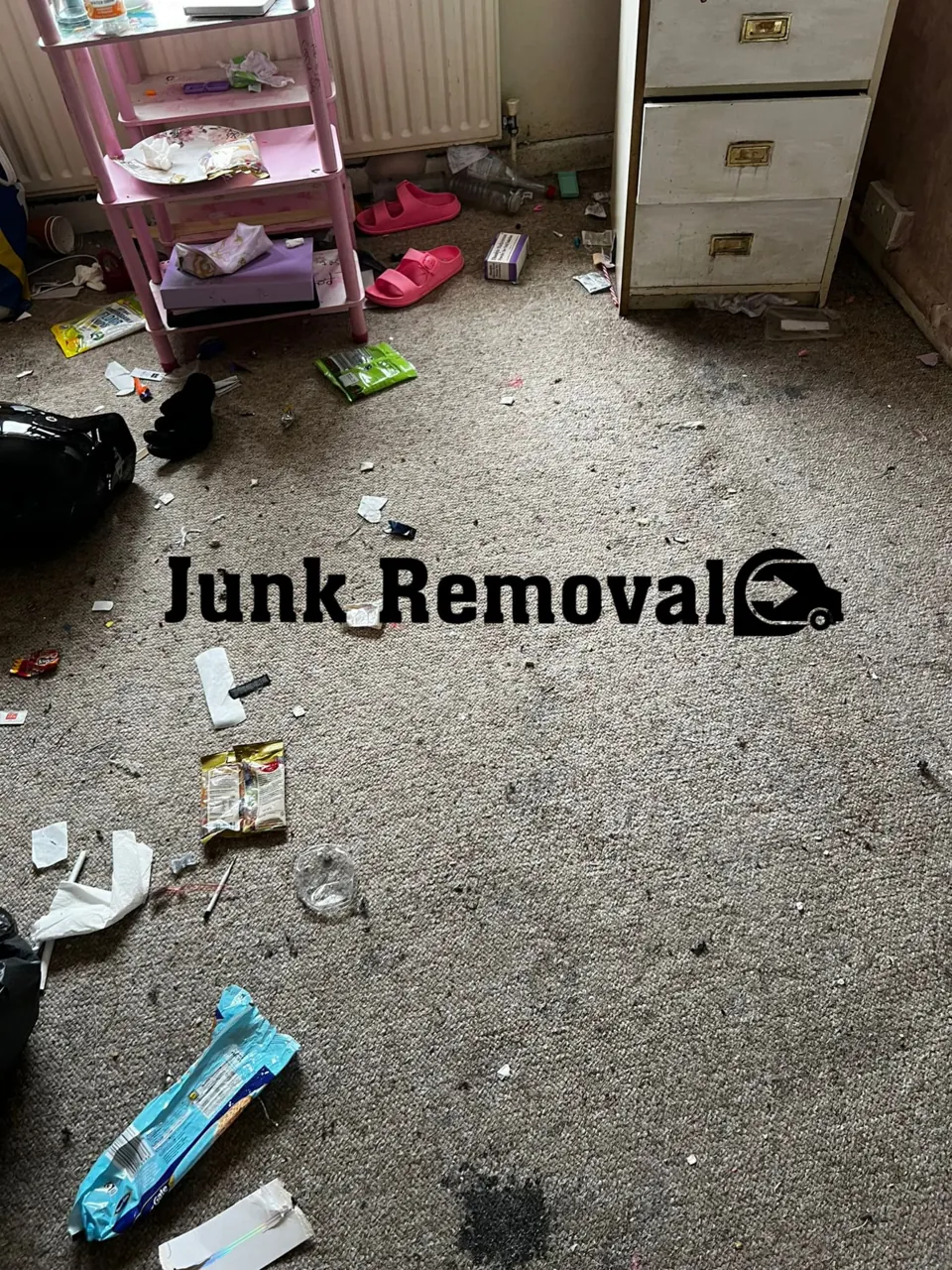
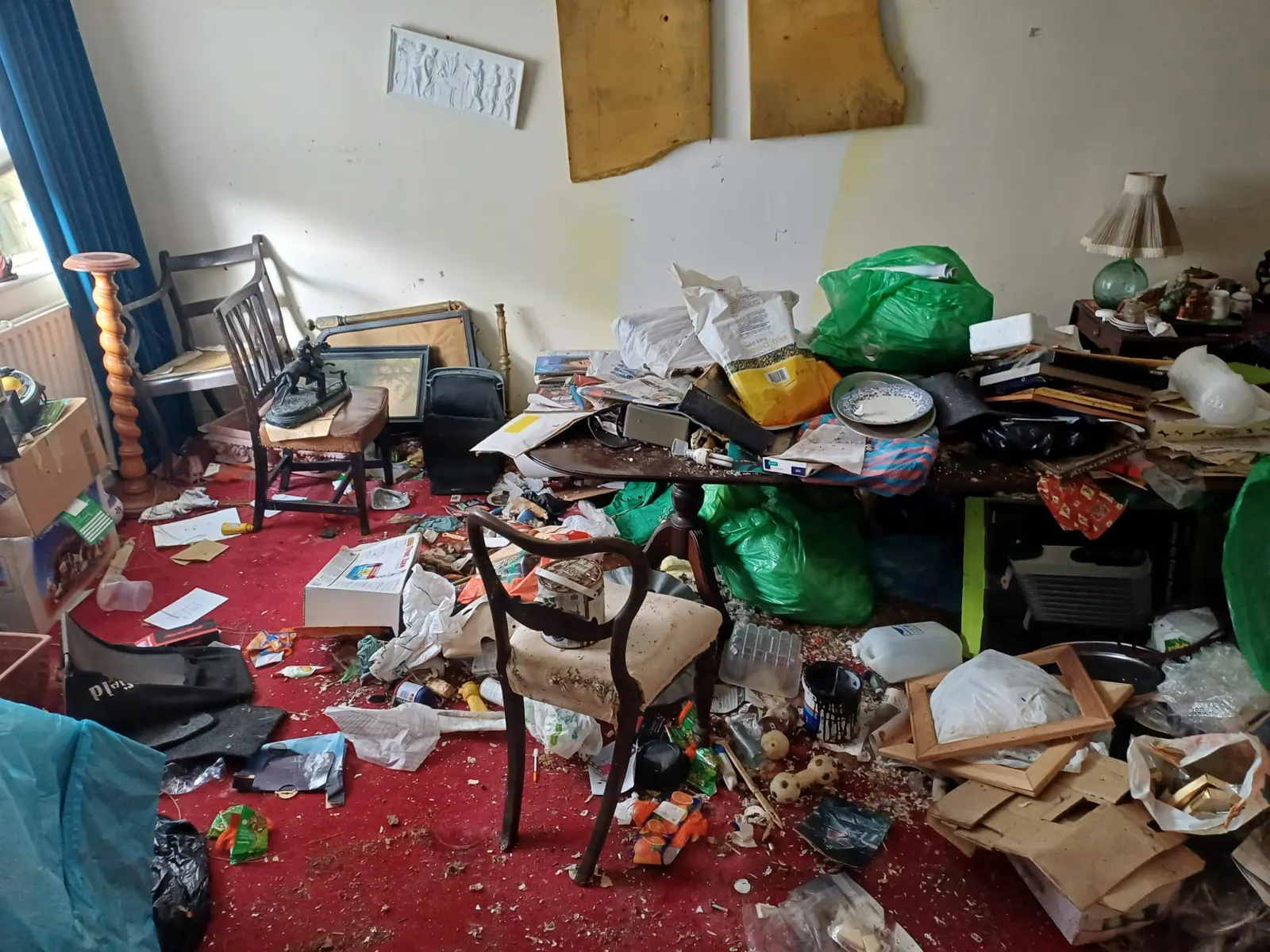
- The very full house. Rooms that cannot be walked through. Our hoarder clearance service is discreet and non-judgemental, and a full house is planned in stages.
- The house being sold. A closing date, a contents list and an agent who needs it empty.
- The house divided into flats. Several kitchens, several sets of beds and often a basement.
What usually comes out of a big house
- Bedroom furniture: wardrobes, chests of drawers, dressing tables and beds.
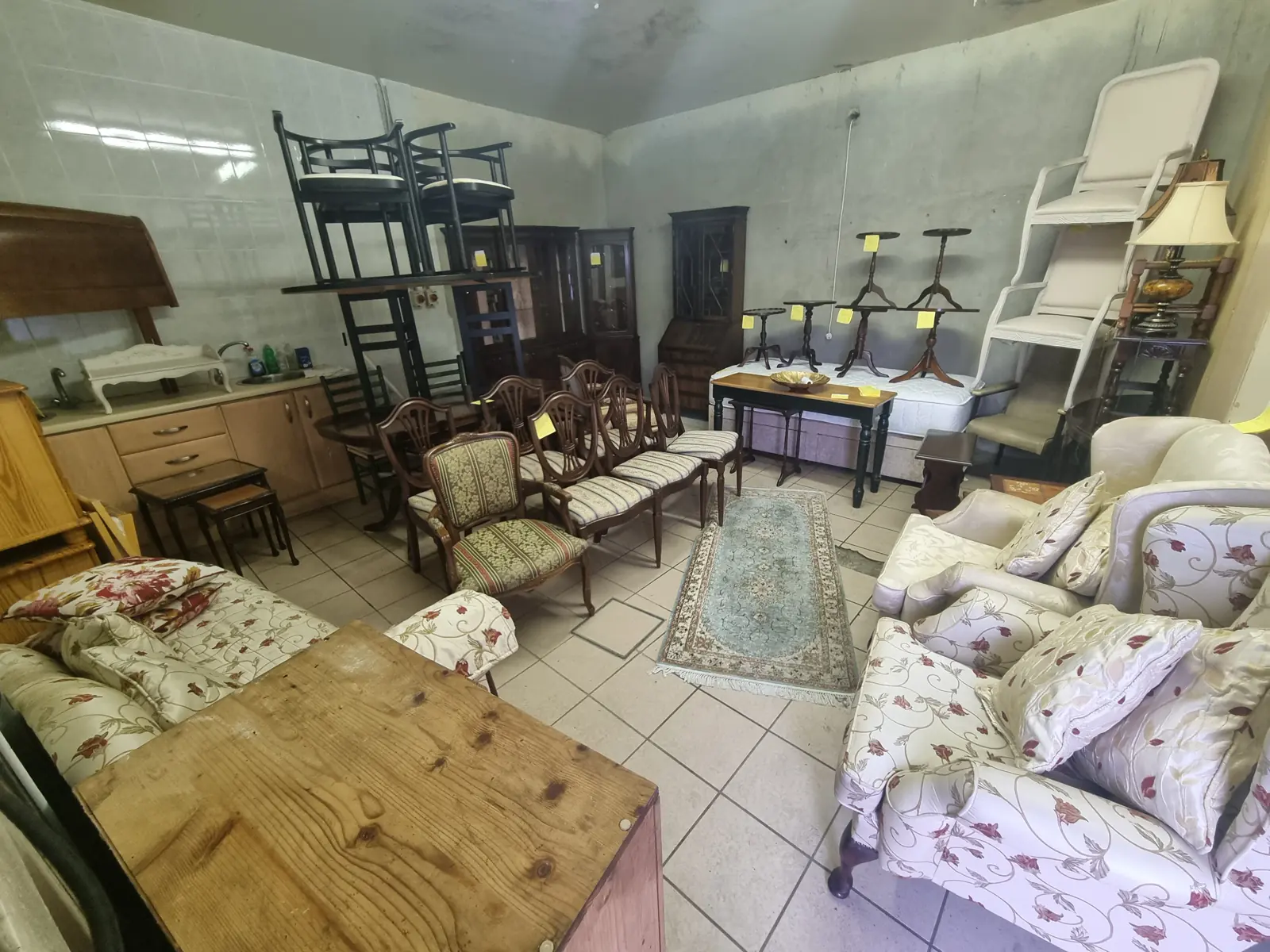
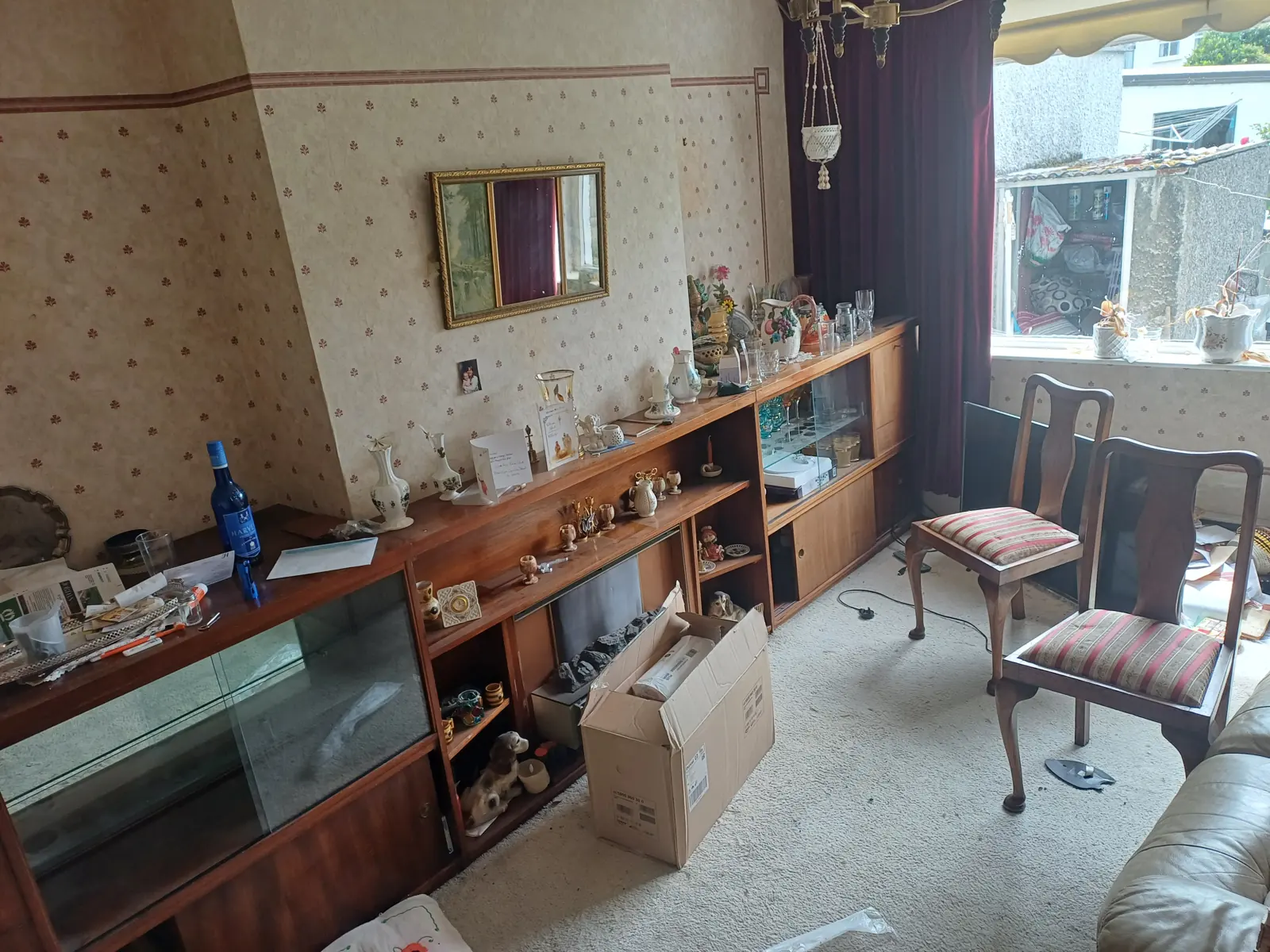
- Living room furniture: suites, display cabinets, sideboards, bookcases and rugs.
- Dining furniture: tables, sets of chairs and the china that went with them.
- Kitchen contents, white goods, the chest freezer and the microwave.
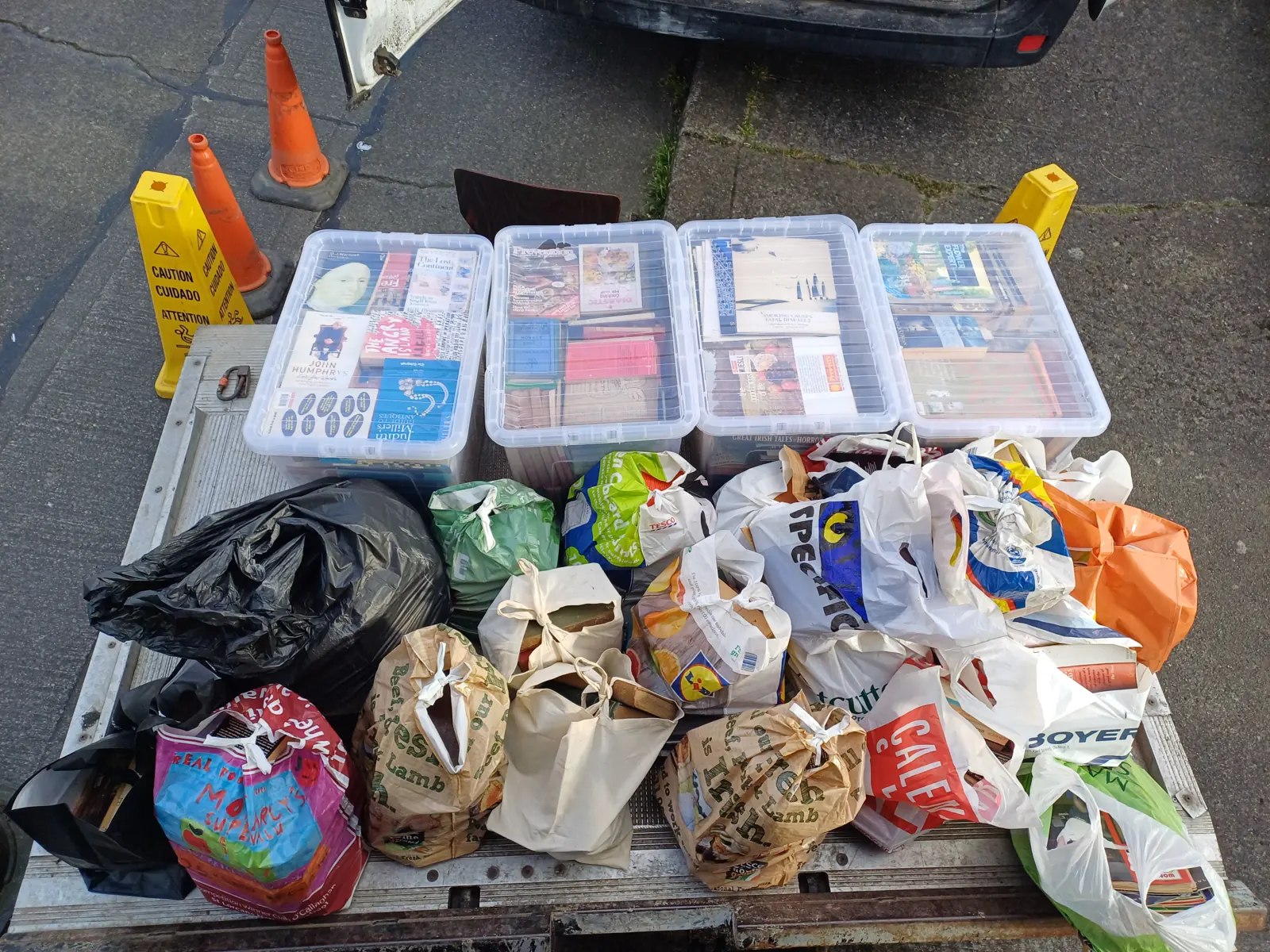
- Books, records, clothes, linen and curtains.
- The attic: boxes, suitcases, cots, prams and the furniture that was put up there.
- The garage and shed: tools, bikes, mowers and garden furniture.
Part of our job is to donate
A big house often holds a lot that is still good. Solid furniture, kitchenware, bedding and books can set up another home. Part of our job is to donate: when we clear a house, furniture and household things that are clean and still have use in them are set aside and passed on, to individuals who need them and to charity organisations.
We do not name the charities we work with, and we never give away anything the family has asked to keep. Whether a particular piece can be donated depends on its condition and on whether someone can use it, so we do not promise it for any one item. What cannot be donated is sorted for recycling, and the rest goes to an authorised facility under our waste collection permit, NWCPO-25-13287-01. Our guide to house clearance and donations explains what can usually be passed on.

Are you a charity, or a group that helps people set up a home, and need furniture or household items? Give us a call on 085 202 1222.

What we cannot take
We do not collect paint, solvents, oils, fuel, chemicals, batteries or gas cylinders, and we do not handle asbestos or clinical waste. In a big house these turn up under the stairs, in the garage and in the shed. The crew stands them together and tells you where they are, so the rest of the house can still be cleared around them. A civic amenity site takes most of them, and a gas cylinder goes back to the supplier.
What Junk Removal does on a job like this
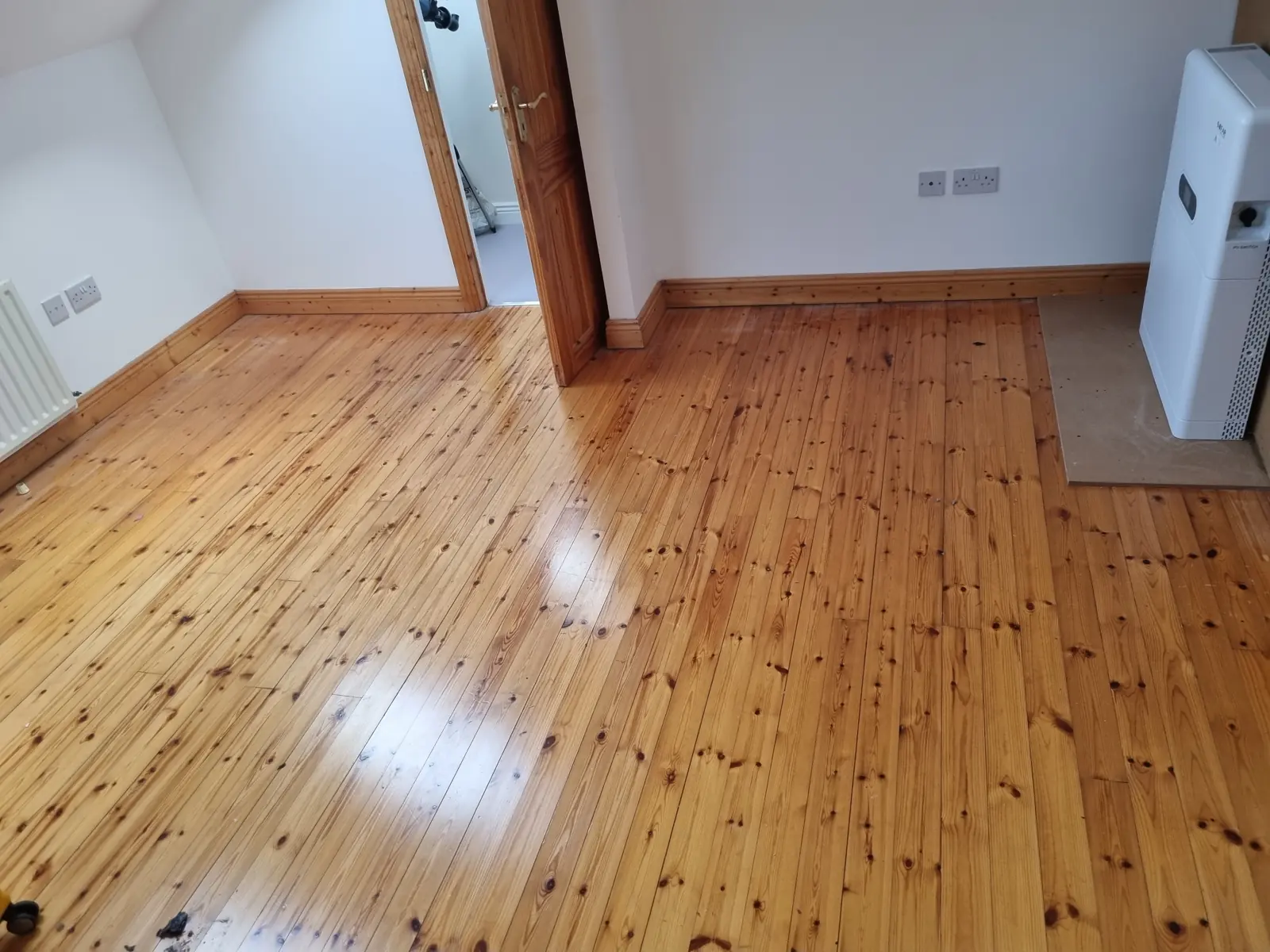
- House clearance: the whole house, or the rooms you choose, sorted as it is loaded.
- Bereavement clearance: for families and executors clearing a parent’s home.
- Hoarder clearance: a very full house, cleared in stages without judgement.
- Attic clearance: often a full load on its own in a big house.
- Garage clearance: cleared first, so the drive is free for the house.
- Furniture removal: for the heavy pieces, a piano or a solid wardrobe included.
We are fully insured, and we work Monday to Friday from 8am to 5pm and Saturday from 8am to 2pm.
What to send for a price
- One or two photos of every room, with the wardrobe and press doors open.
- The attic, from the hatch, and the garage, the shed and the garden if they are included.
- The stairs and the hall, which show how the big pieces come out.
- The front of the house, showing where a van could stop.
- A short list of what stays, or the room it will all be kept in.
- Any deadline: a closing date, a key handover or a date the family is travelling.
Next step
Send the photos on WhatsApp to 085 202 1222, or use the quote form below. You will get one fixed price in writing for the whole house, with the loads and the days already planned.