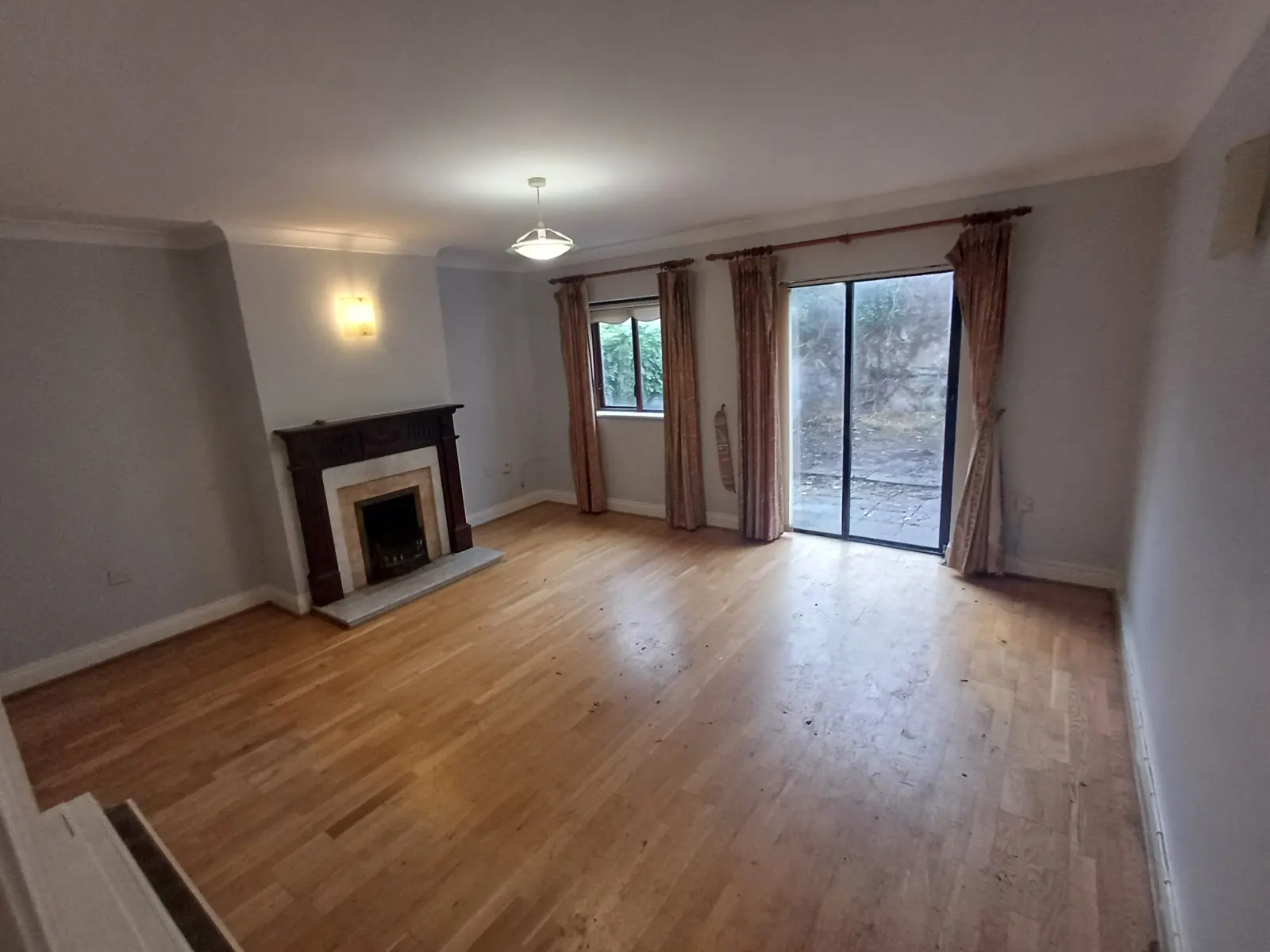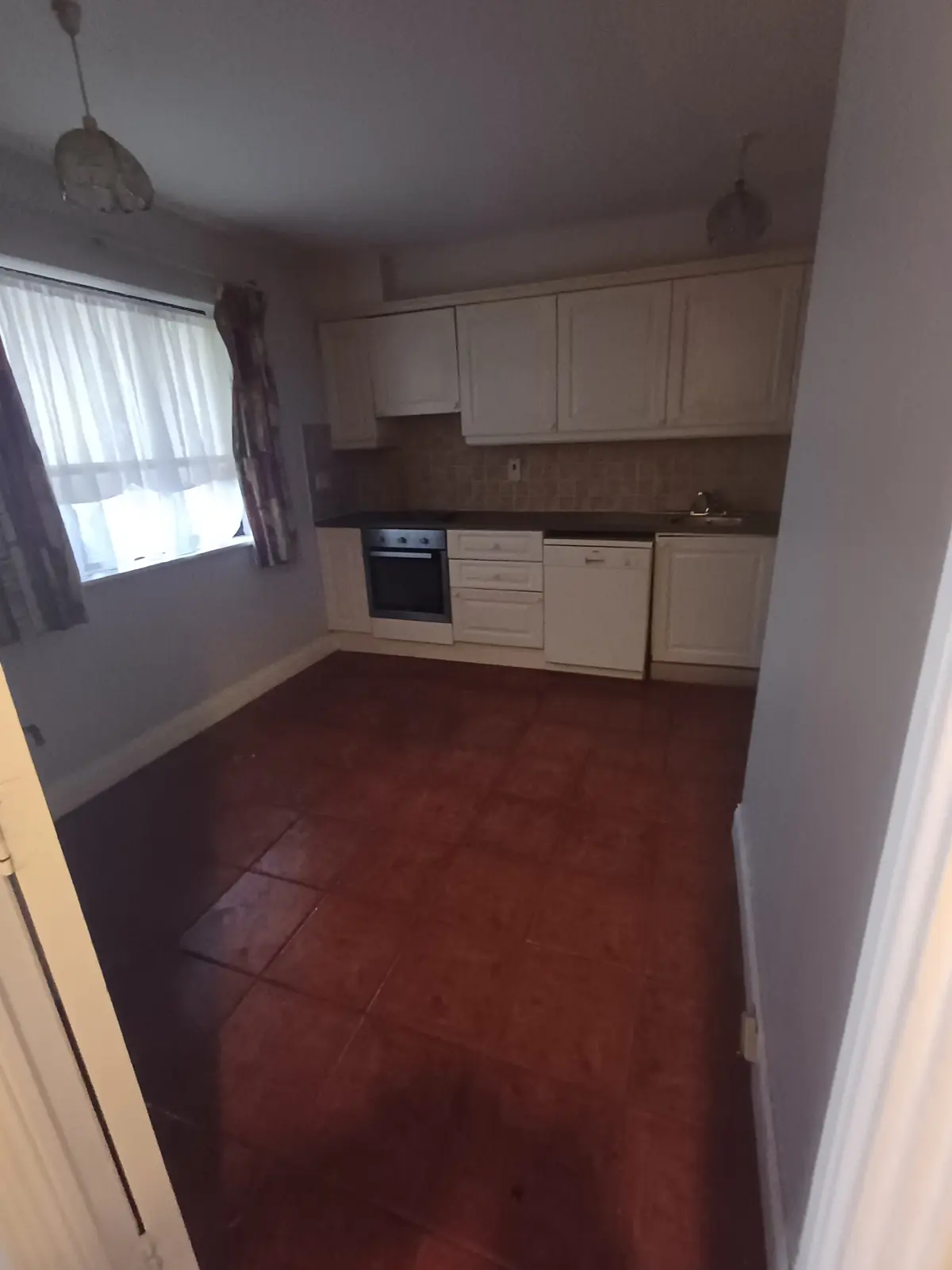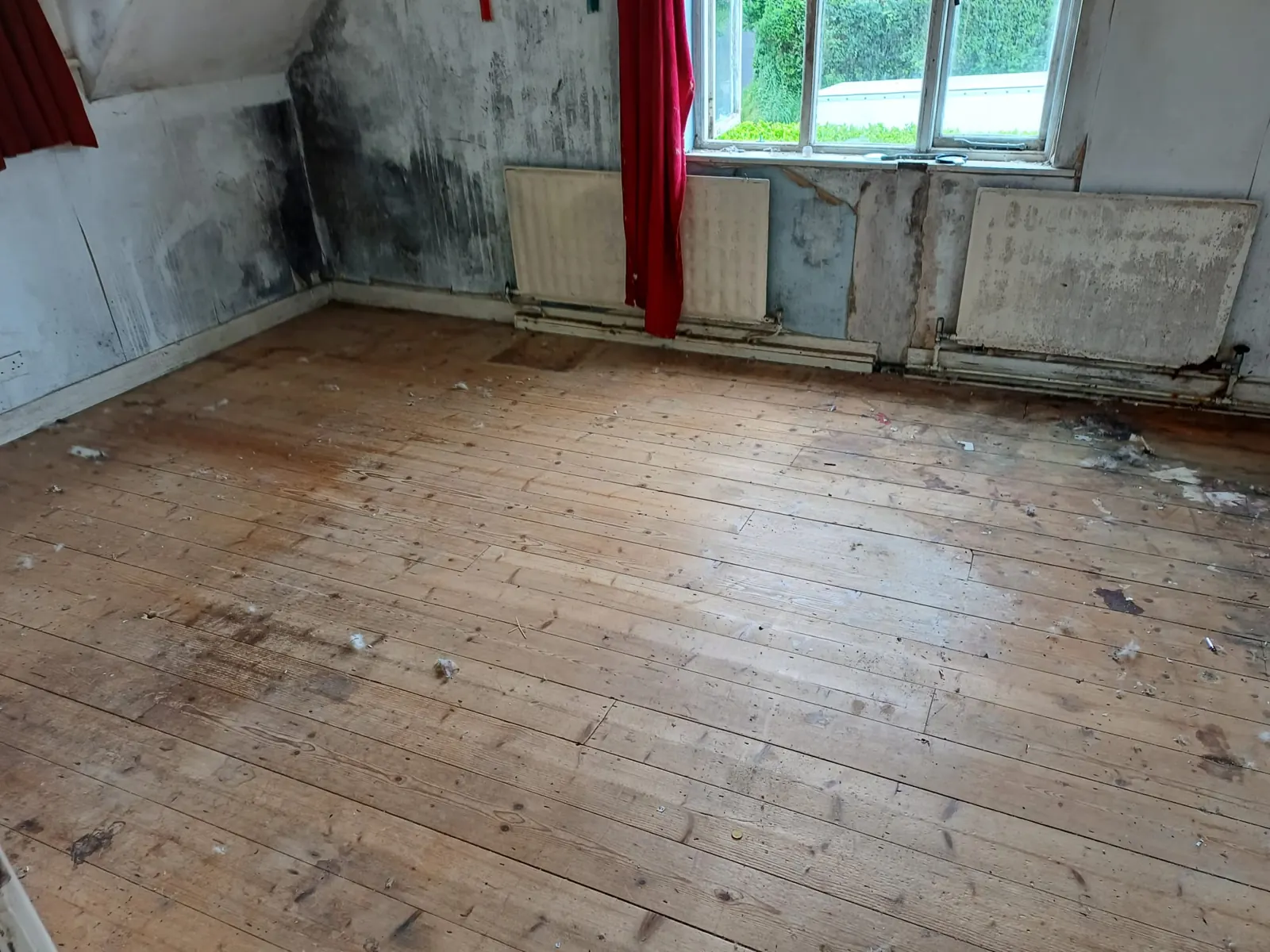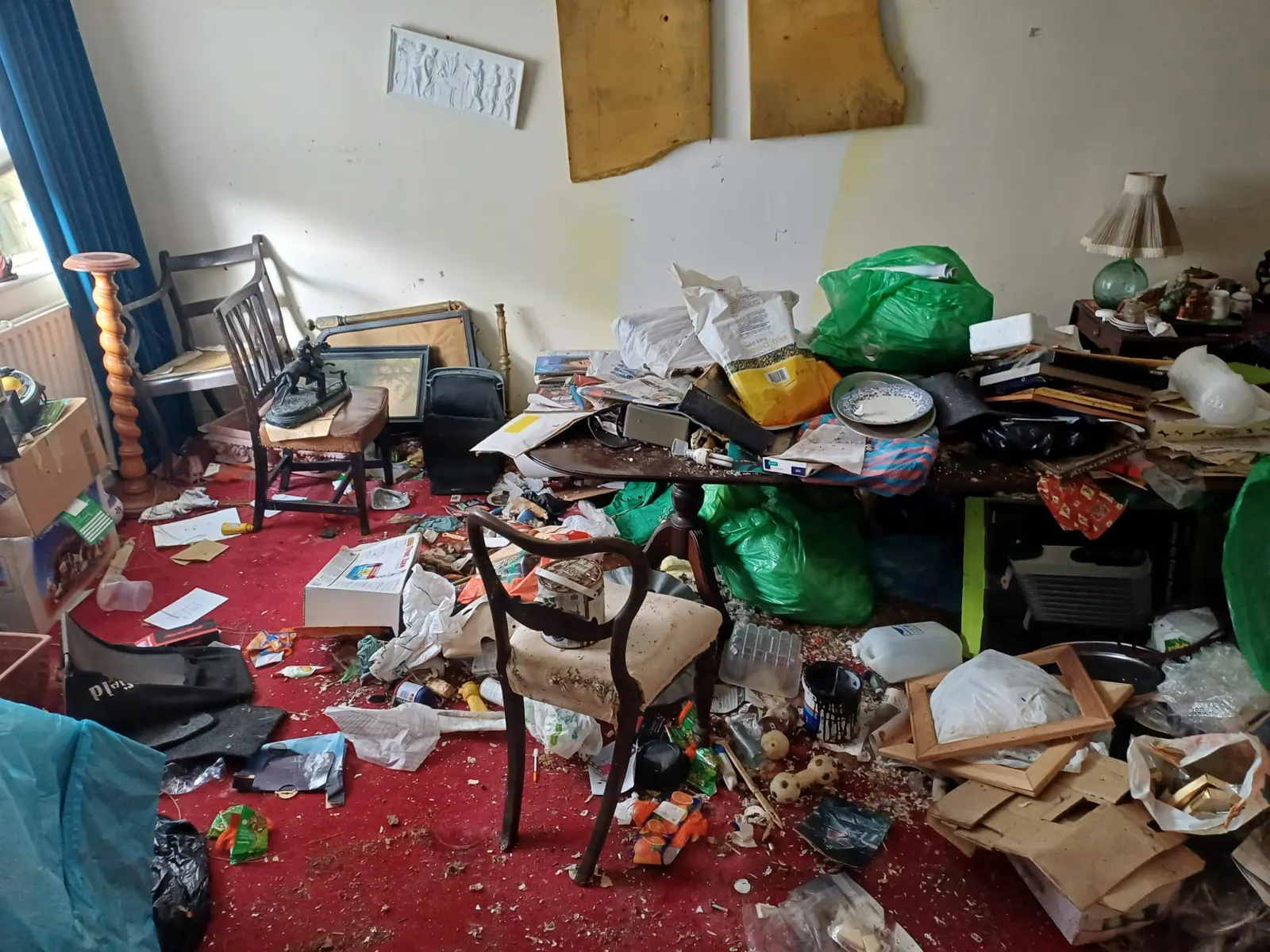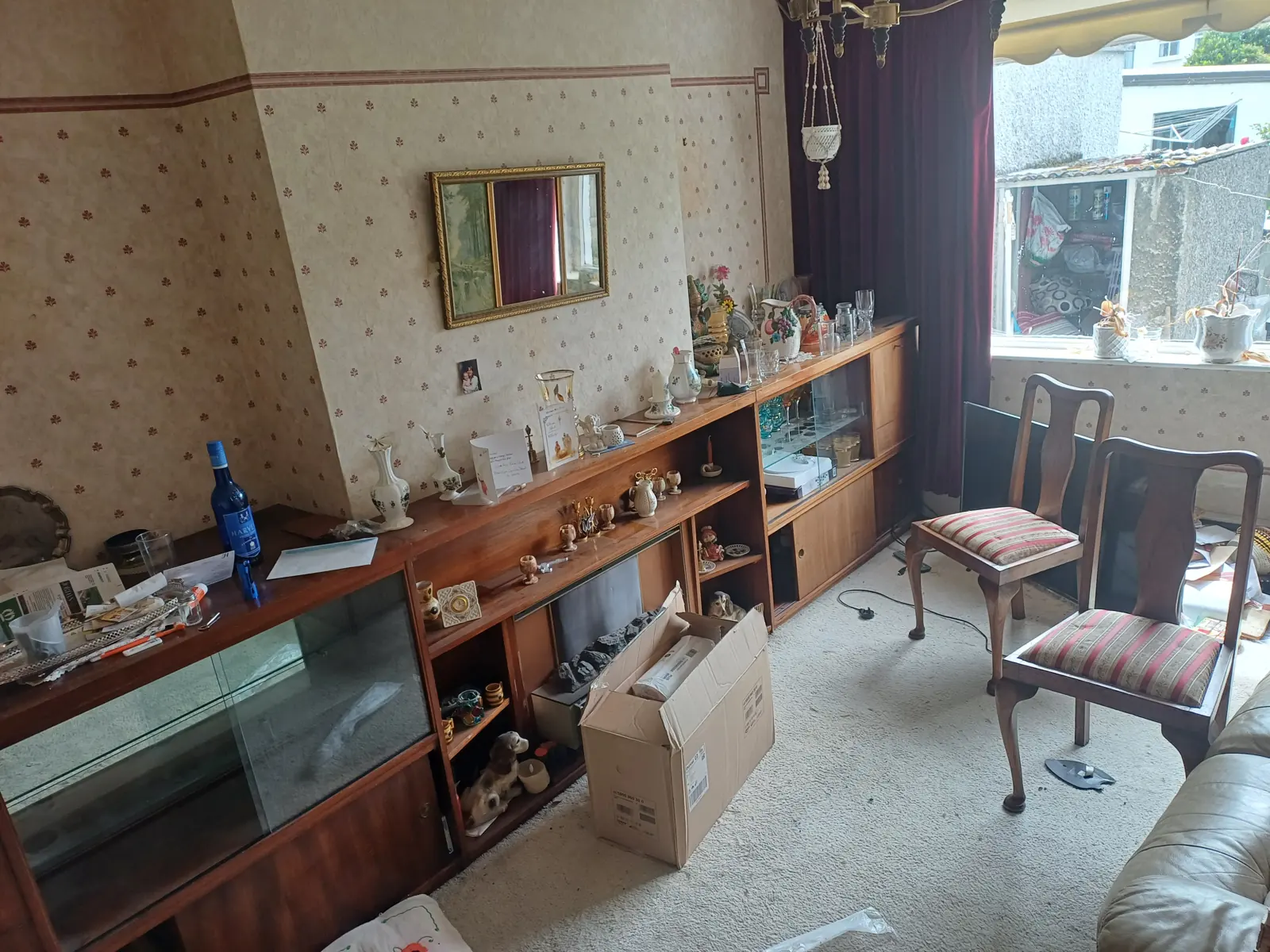
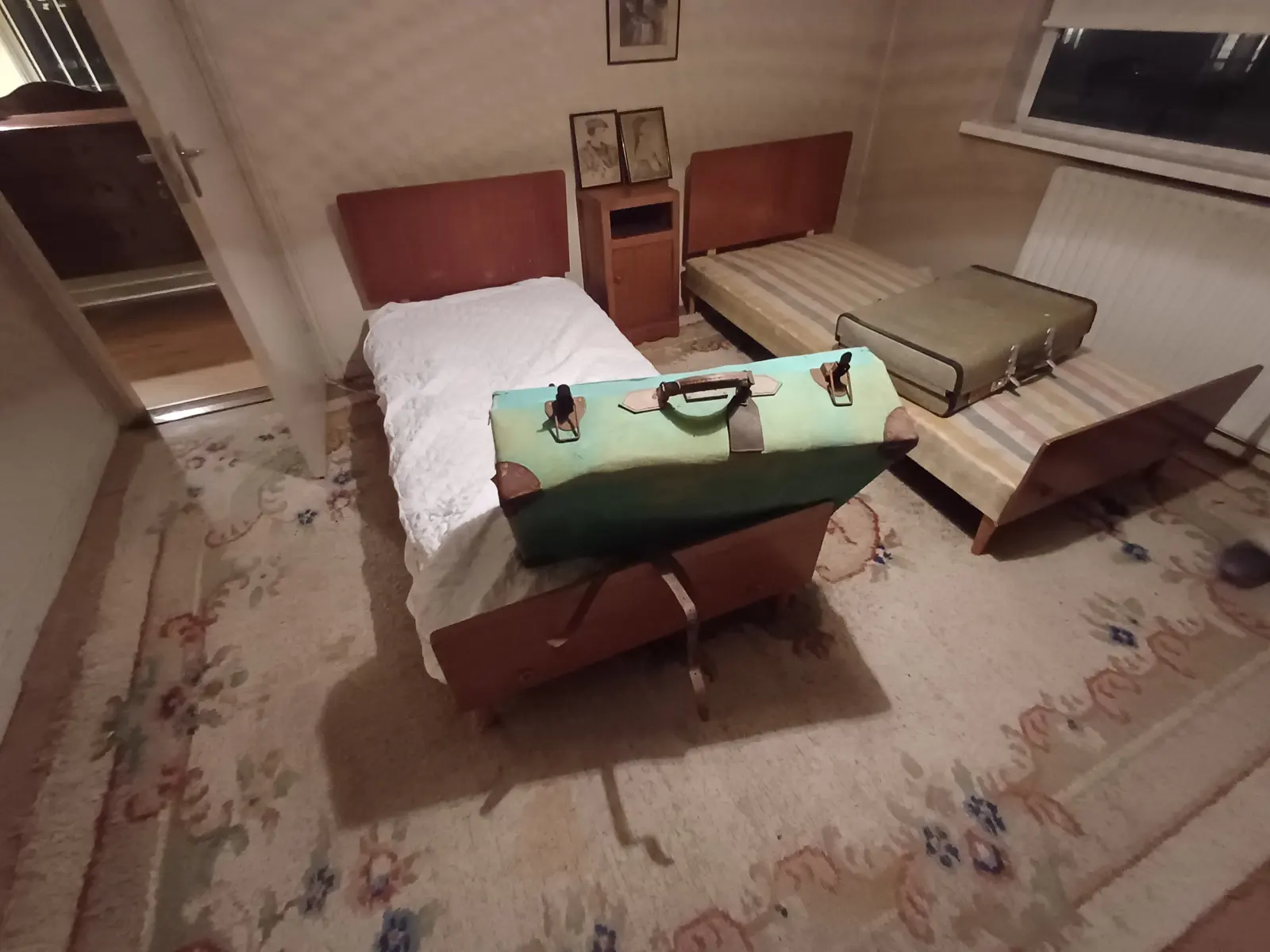






More Dublin houses change hands with the contents still inside than most buyers expect. A house sold after a death is often sold as it stands, because the family lives abroad, or could not face clearing it, or wanted the sale finished. Sometimes a vendor simply leaves what they did not want to move. Either way, the keys are now yours and so is the job.
Our main page on house clearance in Dublin explains the service. This page is for buyers: what to check first, what to keep, and how a full house is cleared around your builders or your move.

First, make sure it is yours to clear
Before anything is moved, be sure the contents are yours to deal with. Most of the time this is settled in the sale, but it is worth one question to your solicitor:
- Were the contents included in the sale? If there was a contents list, it says what passed to you.
- Is anyone coming back for anything? A family member may have asked to collect a piece of furniture or a box from the attic.
- Is there anything you were told to leave alone? A meter reading, a key safe or a piece of equipment belonging to someone else.
We are a clearance company and none of this is legal advice. Once your solicitor has confirmed that the contents are yours, you can clear as much or as little as you want.
What buyers usually keep
A full house is not all rubbish. Before you ask for a price, walk the rooms once with a roll of tape or a pack of sticky notes.
- Solid furniture. An old table, a wardrobe or a dresser that would cost a lot to buy new.
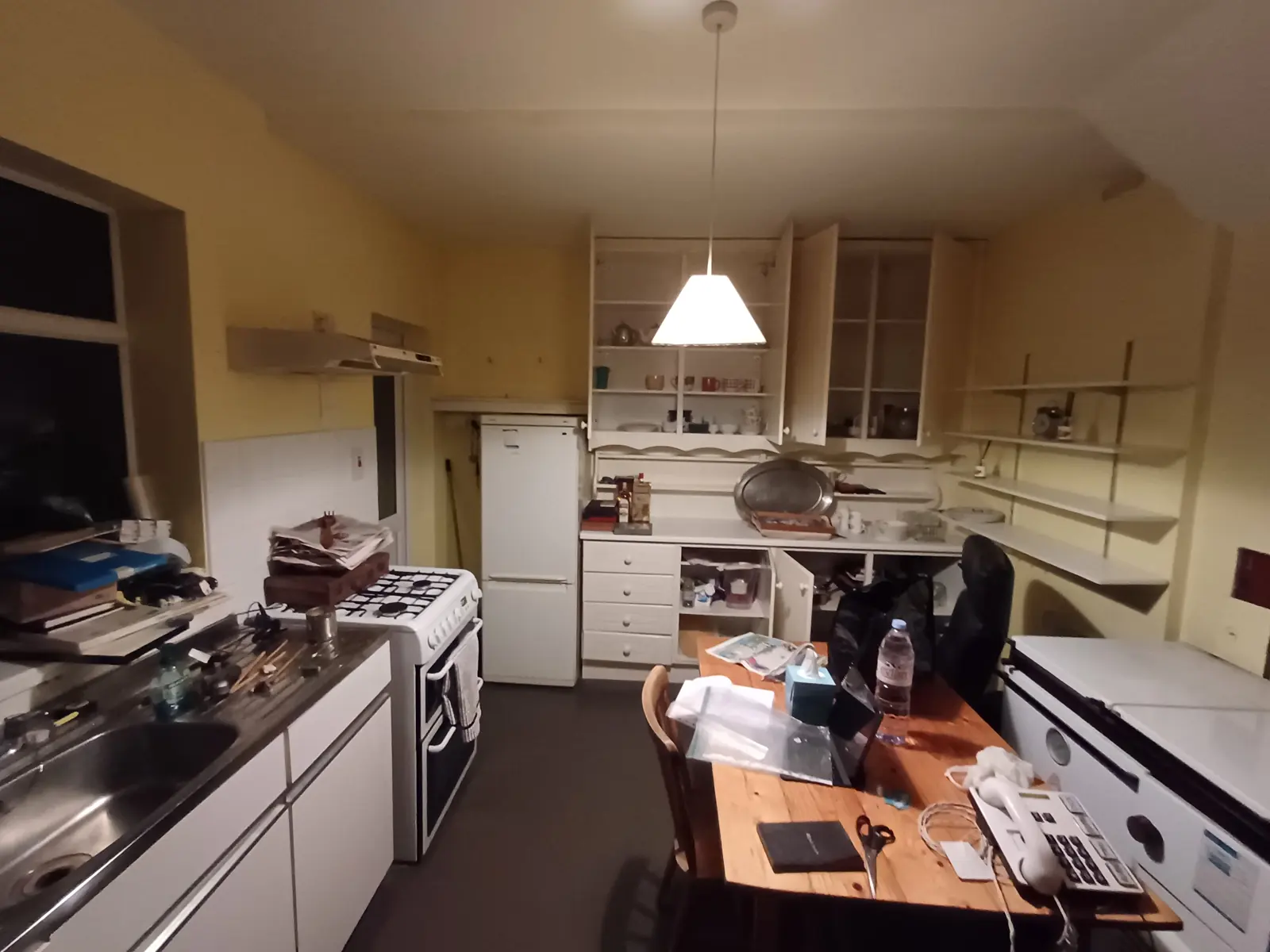
- Appliances that work. A fridge, a washing machine or a cooker, if you plan to keep the kitchen for a while.
- Garden things. A good ladder, a wheelbarrow, garden tools and a hose reel.
- Anything you simply like. Old houses hold mirrors, lamps and pictures that suit them.
Mark them, or move them into one room and close the door. The crew leaves them where they are.
The last owner’s papers and personal things
Every full house holds something personal: letters, photographs, certificates, keys and the papers from a drawer. We do not throw these out on a guess. Anything found during the clearance that looks personal or important is set aside rather than loaded, and we show you what has turned up.
Many buyers pass these back through their solicitor or the estate agent, who can reach the family. It is a small thing, and families are usually glad of it.
What we clear, and what is the builder’s job
We clear contents: everything that is not part of the building.
| We clear | Your builder takes out |
|---|---|
| Beds, mattresses, wardrobes and chests of drawers | Fitted kitchen units and worktops |
| Suites, tables, chairs and rugs | Built-in wardrobes and shelving fixed to the wall |
| Freestanding appliances, once they have been disconnected | Bathroom suites, boilers and radiators |
| Everything inside the presses and drawers | Floor coverings glued down, tiles and plaster |
| The attic, garage, shed and garden | Walls, fireplaces and anything structural |
Carpets that are only tacked down can come up with the clearance if you want them gone. Tell us when you send photos.
Clearing around the builders, the painters or the move
Most buyers need the house empty for a reason with a date on it.
- Builders. If they only need the kitchen and one bedroom first, those rooms can go first and the rest can follow on a second visit.
- Floors and painting. Clear everything, carpets included, so the trades start on bare rooms.
- Your move. Clear the whole house before your own furniture arrives, so nothing is carried in past things being carried out.
Tell us the date when you ask for a price, and we will do our best to clear before it.
Common surprises in a house that came full
A house that has stood full for a while often has a few things waiting for the new owner.
- A fridge or freezer with food still in it. If the electricity was off for weeks, open it outside if you can. We take the appliance; tell us about it so the crew is ready.
- Post still arriving. Letters for the last owner keep coming for months. Your solicitor or the agent can usually pass them on to the family.
- Keys nobody can identify. Sheds, presses and windows each had their own. Keep any keys that turn up in one place until you know what they open.
- An alarm that nobody knows the code for. Ask the agent before the day, or have it reset, so it does not go off while the crew is working.
What a full house usually holds
- Beds, bedding and mattresses in every room.
- Wardrobes and chests of drawers that are still full.
- The kitchen: crockery, pots, food presses and the appliances.
- A sitting room suite, a display cabinet and the ornaments in it.
- Books, records, clothes, curtains and rugs.
- The attic: boxes, suitcases, Christmas decorations and old furniture.
- The garage and the shed: tools, a mower, bikes and garden furniture.
Part of our job is to donate
A house left full is often a house left with good things in it. Part of our job is to donate: furniture and household things that are clean and still have use in them are set aside and passed on, to individuals who need them and to charity organisations, so they help someone else set up a home.
We do not name the charities we work with, and nothing you have asked to keep is ever given away. Whether a piece can be donated depends on its condition and on whether someone can use it, so we do not promise it for any one item. What cannot be donated is sorted for recycling, and the rest goes to an authorised facility under our waste collection permit, NWCPO-25-13287-01. Our guide to house clearance and donations explains what can usually be passed on.

Are you a charity, or a group that helps people set up a home, and need furniture or household items? Give us a call on 085 202 1222.

What we cannot take
Garages and sheds left by a previous owner are where the paint and the chemicals are. We do not collect paint, solvents, oils, fuel, chemicals, batteries or gas cylinders, and we do not handle asbestos or clinical waste. The crew stands those items together and tells you where they are, so the rest of the house is still cleared. A civic amenity site takes most of them, and a gas cylinder goes back to the supplier.
What Junk Removal does on a job like this
- House clearance: the whole house, or only the rooms you choose.
- Attic clearance: usually the fullest part of a house that changed hands full.
- Garage clearance: cleared first, so the drive is free.
- Shed clearance and removal: emptied, or taken down if you want it gone.
- Furniture removal: for the few pieces you do not want and cannot move.
- Junk and rubbish removal: the bags and broken things left behind.
We are fully insured, and we work Monday to Friday from 8am to 5pm and Saturday from 8am to 2pm.
What to send for a price
- One or two photos of every room, with the wardrobe and press doors open.
- The attic, from the hatch, and the garage and shed if they are full.
- The stairs and the front of the house, so we can see how things come out and where the van stops.
- What you are keeping, marked or listed.
- Your date: the builders, the painters or your move.
Next step
Send the photos on WhatsApp to 085 202 1222, or use the quote form below. You will get a fixed price in writing to clear the house you bought, with your date already allowed for.