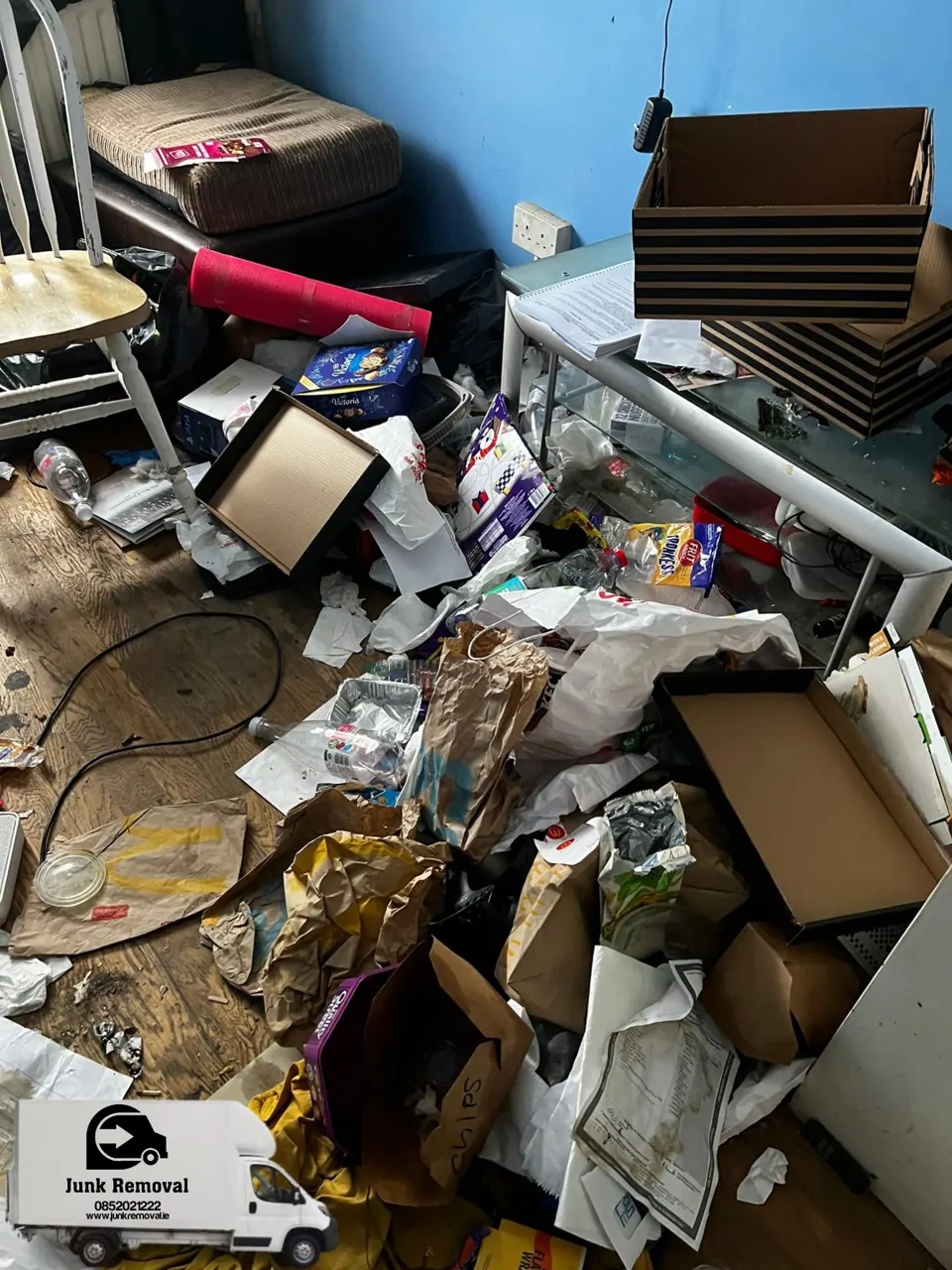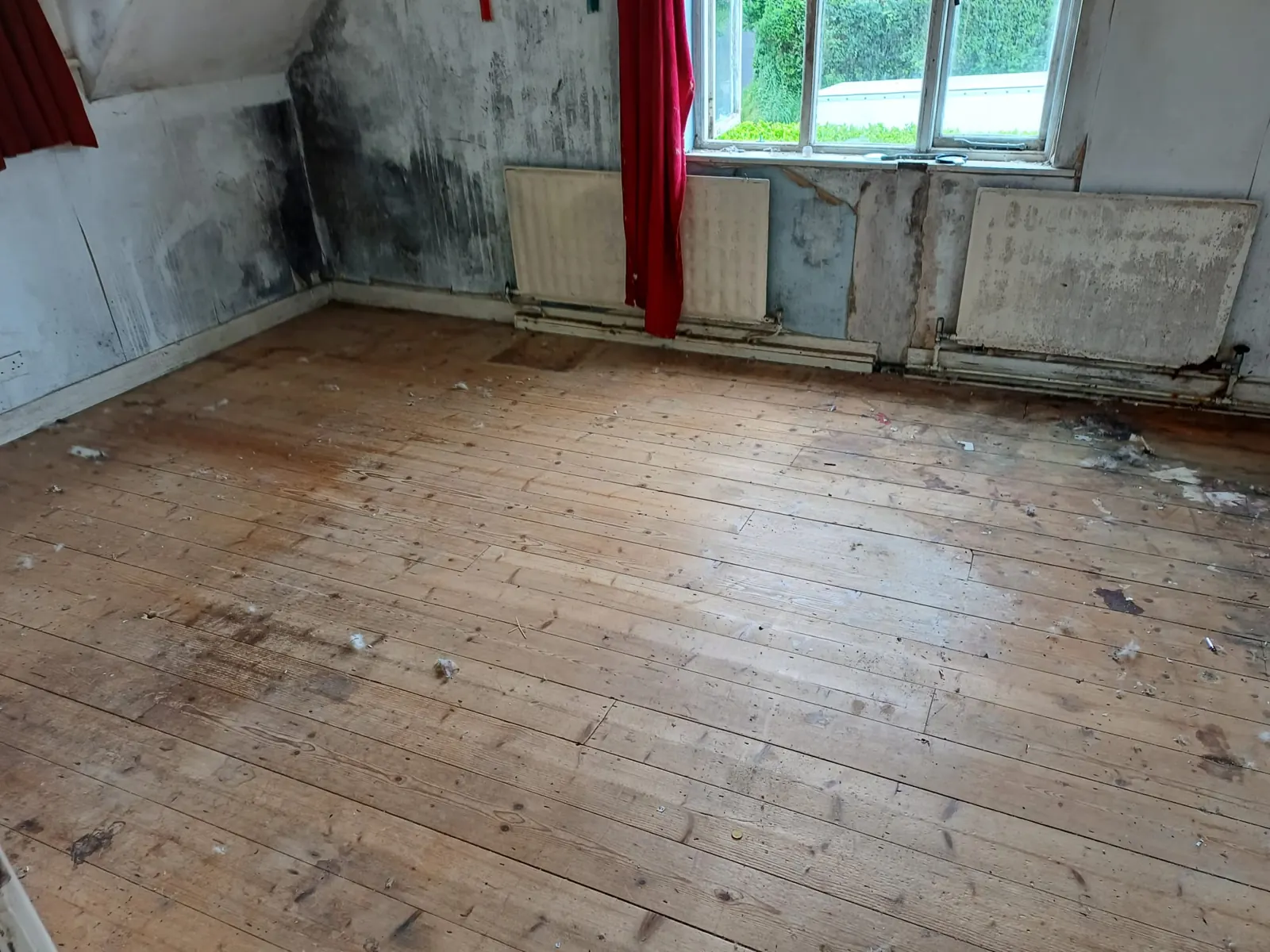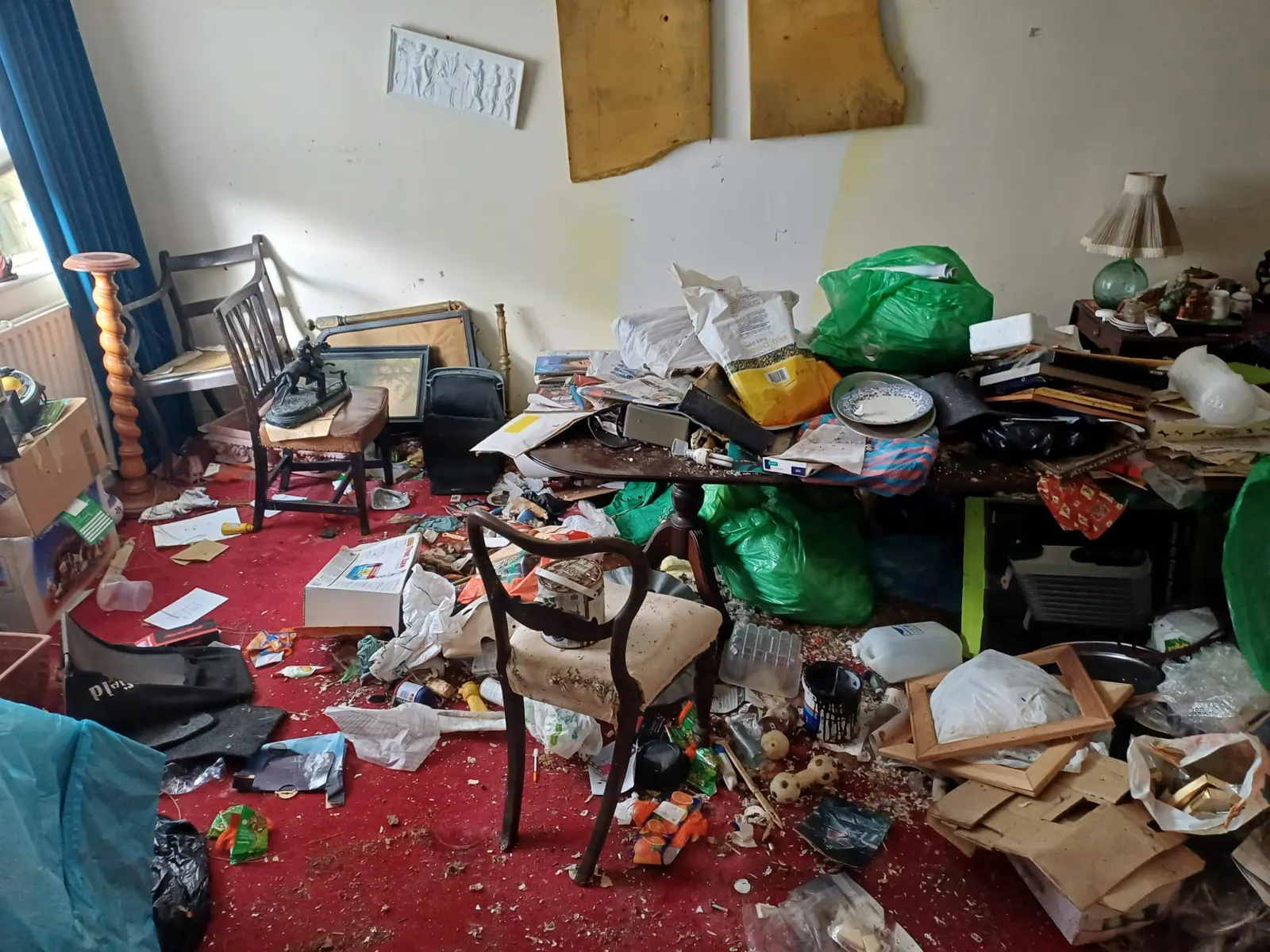
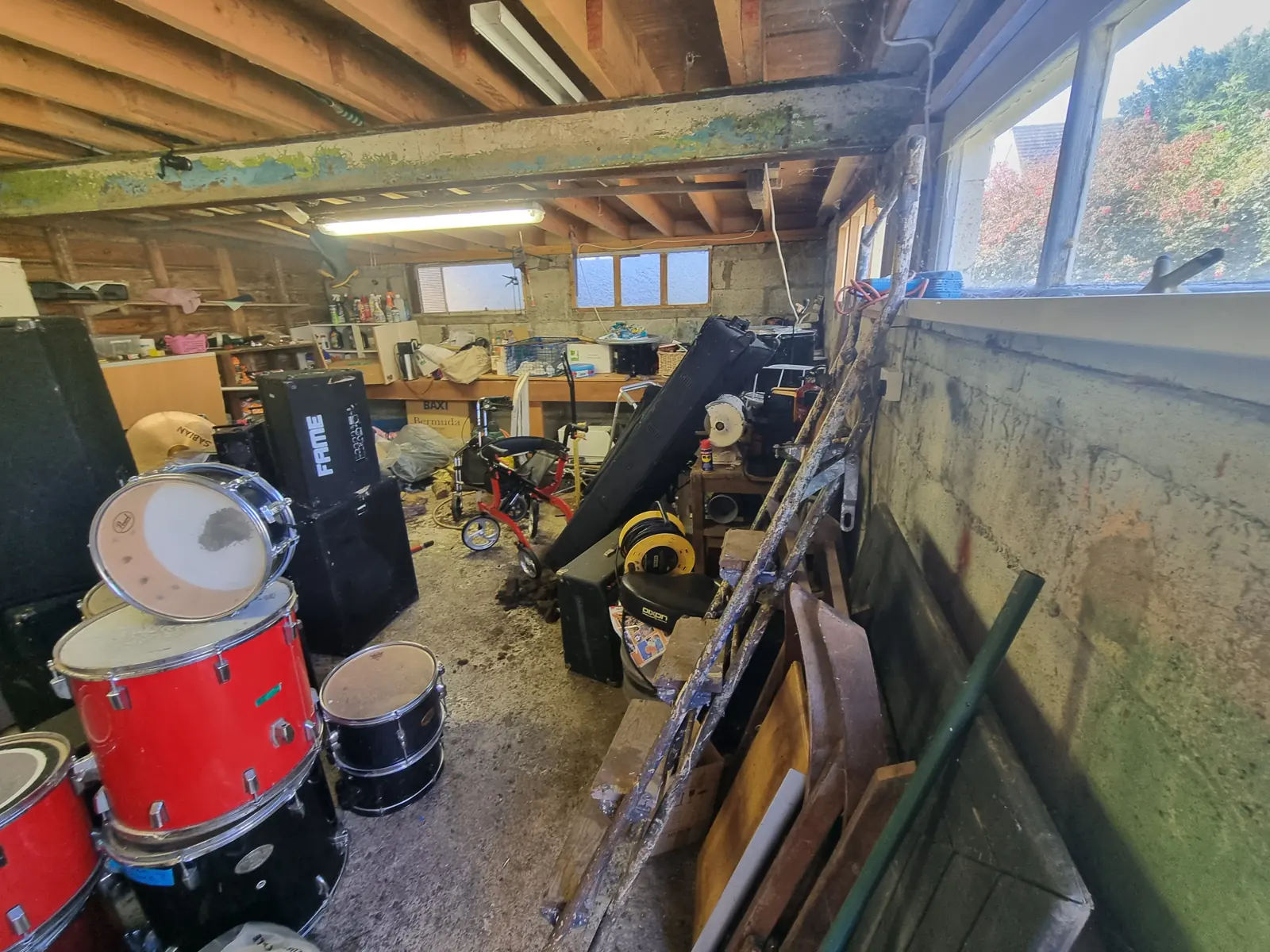





In most Dublin suburbs the garage is the door beside the hall door. In the older parts of Monkstown it is somewhere else entirely. The terraces and squares near the sea, such as Longford Terrace, Belgrave Square and Montpelier Parade, were built with long back gardens and a mews or coach house at the end of them, opening onto a lane that runs behind the houses.
Many of those buildings have since become houses in their own right. Many others are still what they always were: a store with wide double doors, used for a car once and for everything else since. Our main page on garage clearance in Dublin explains the service, and our page on house clearance in Monkstown covers the area. This page is about clearing a garage that you reach from a lane and not from a driveway.

Where the garages are in Monkstown
There are three kinds, and it helps to say which is yours.
- A mews garage or coach house at the end of the garden of a period house, with doors onto a rear lane. Often brick or stone, sometimes with a loft above.
- A lock-up, one of a row on a lane or in a yard, owned or rented separately from any house.
- An ordinary attached garage on the 1930s and later houses further in from the sea, towards Monkstown Farm and Deansgrange, with a driveway in front.
The third kind is the simple one: the van reverses up the drive and everything goes straight in. The first two are where the planning is, and the planning is nearly all about the lane.
Five things to check about the lane
Walk down it once with your phone before you ask for a price.
- Width at the narrowest point. Not at the entrance, where lanes are usually widest, but at the pinch: a gate pier, a telegraph pole, a neighbour’s extension.
- The way out. Is it open at both ends, is there room to turn, or does a van have to reverse the whole length?
- Bollards, gates and chains. Who holds the key, and can it be opened on the day?
- What overhangs it. Low branches, cables and the eaves of other buildings.
- Who else uses it. A lane that serves eight garages cannot be blocked for a morning.
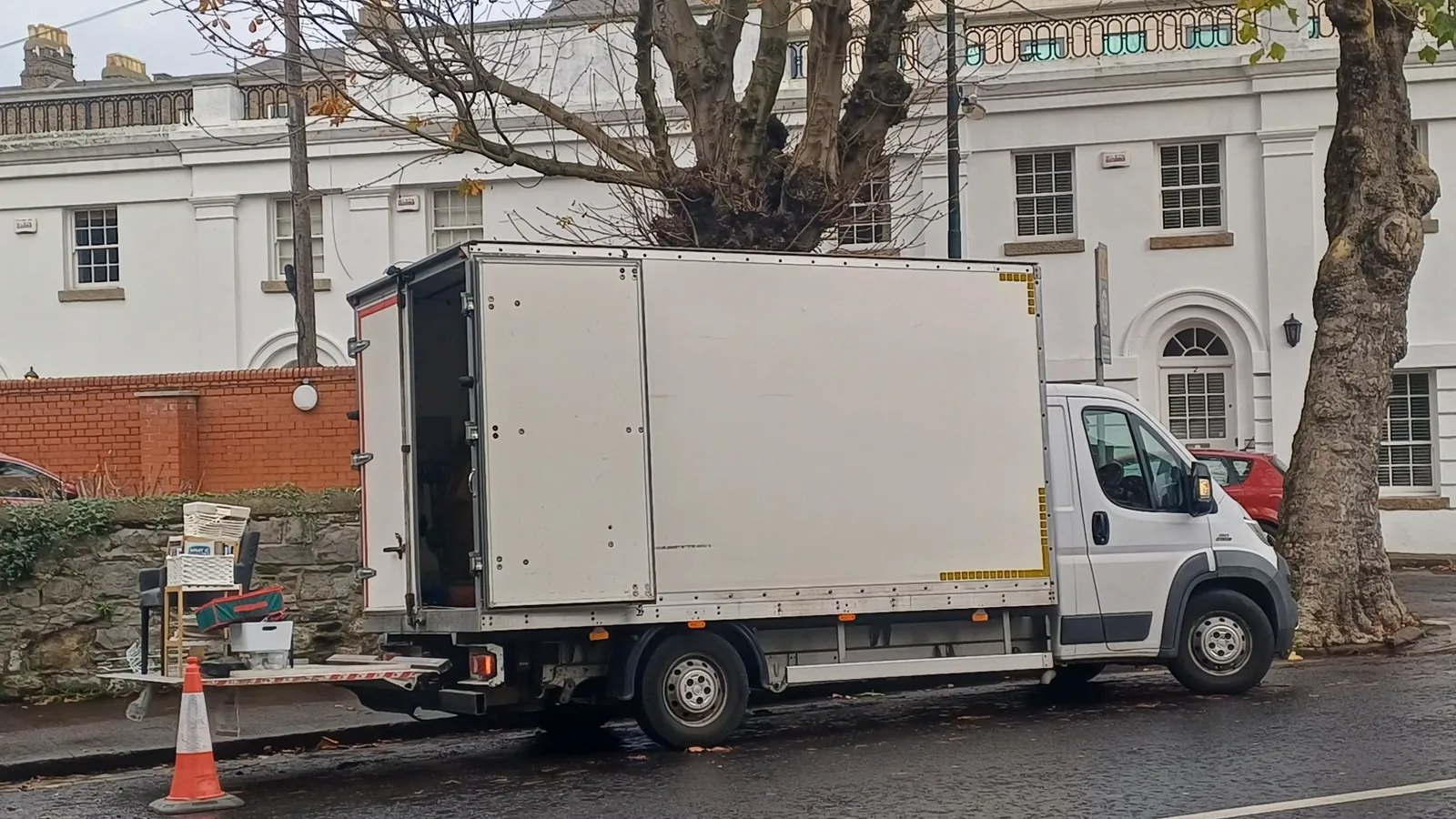
A photo from the road end, one at the tightest spot and one outside your own doors is enough. If the van fits, we load at the doors. If it does not, we park at the mouth of the lane and carry, and the price allows for that from the start.
Lane or garden: choosing the way out
A mews garage has two ways out. One is through its own doors onto the lane. The other is up the garden and through the house to the street at the front.
The lane is almost always better. It keeps a load of dusty boxes and old timber out of the hall, off the stair carpet and away from the front steps. It also keeps the footpath on the main road clear, where parking is by permit or pay-and-display and a van cannot sit for long.
The garden route is the fallback, used when the lane is blocked, too narrow even to walk a wardrobe down, or closed off by a gate nobody has a key for. In a tall terrace that means carrying down the garden, through the basement or the return and out by the front. It can be done, with the floors covered, but it is slower and it is priced as such.
Old buildings need a gentler hand
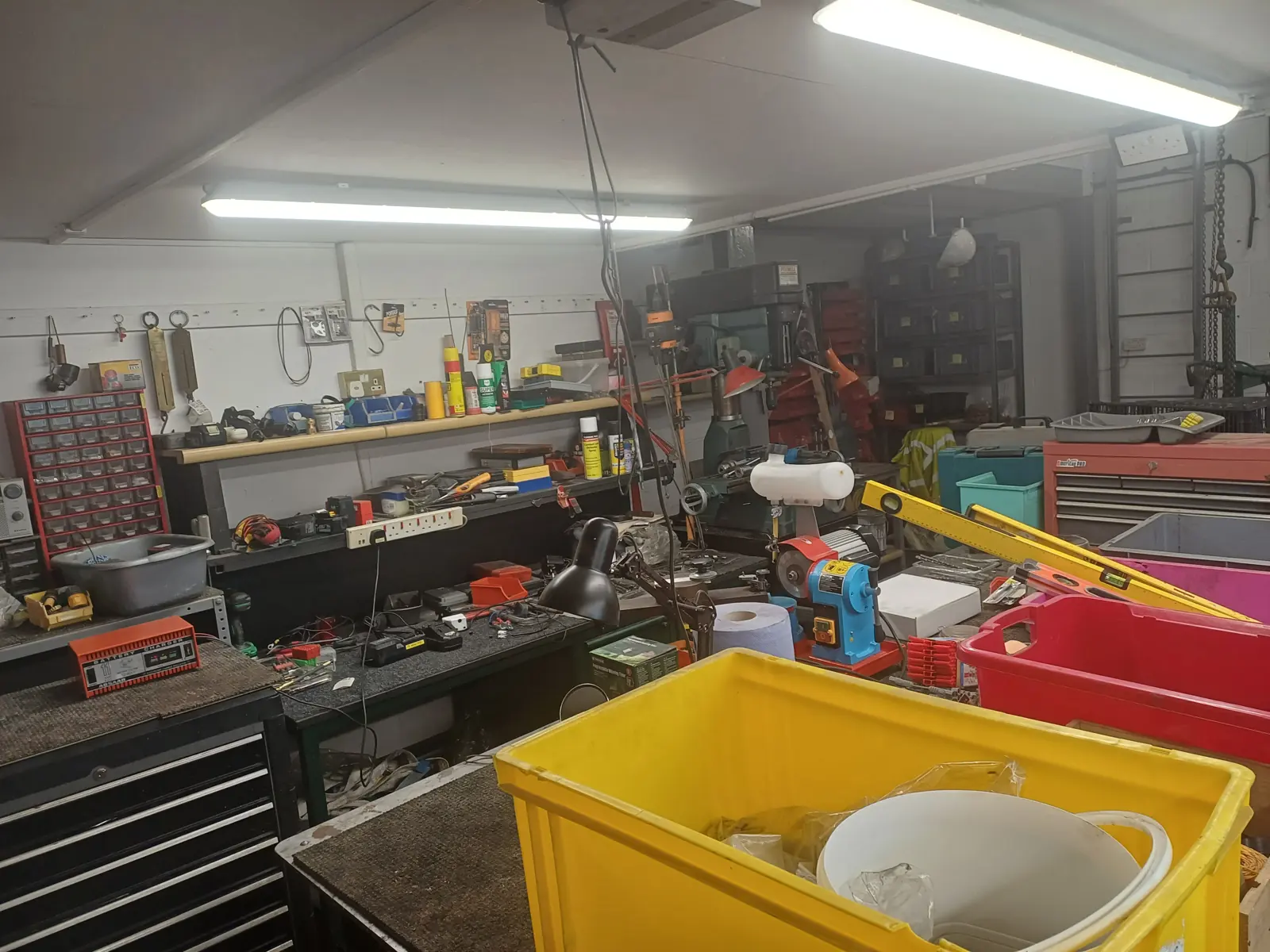
A coach house is not a modern garage, and we do not treat it like one.
- Doors. Wide timber doors that have hung for a century often drop on their hinges. We open what opens freely and do not force the rest.
- Lofts. Many have an upper floor reached by a ladder or a steep stair, and it is usually as full as the ground floor. We check the boards before anyone stands on them.
- Fittings. Anything fixed to the building stays: the doors, ironwork, hooks, old mangers and shelving built into the walls. We take the contents, not the fabric. If you want fixed shelving taken down, say so and we will check that it is safe to do.
- Floors and damp. Stone and brick floors hold damp, so cardboard at the bottom of a stack has usually given way. Soft boxes are repacked before they are lifted.
If the house is a protected structure, the building at the end of its garden may be covered as well. That does not affect clearing the contents, but it is another reason nothing fixed is touched without being asked.
What usually comes out
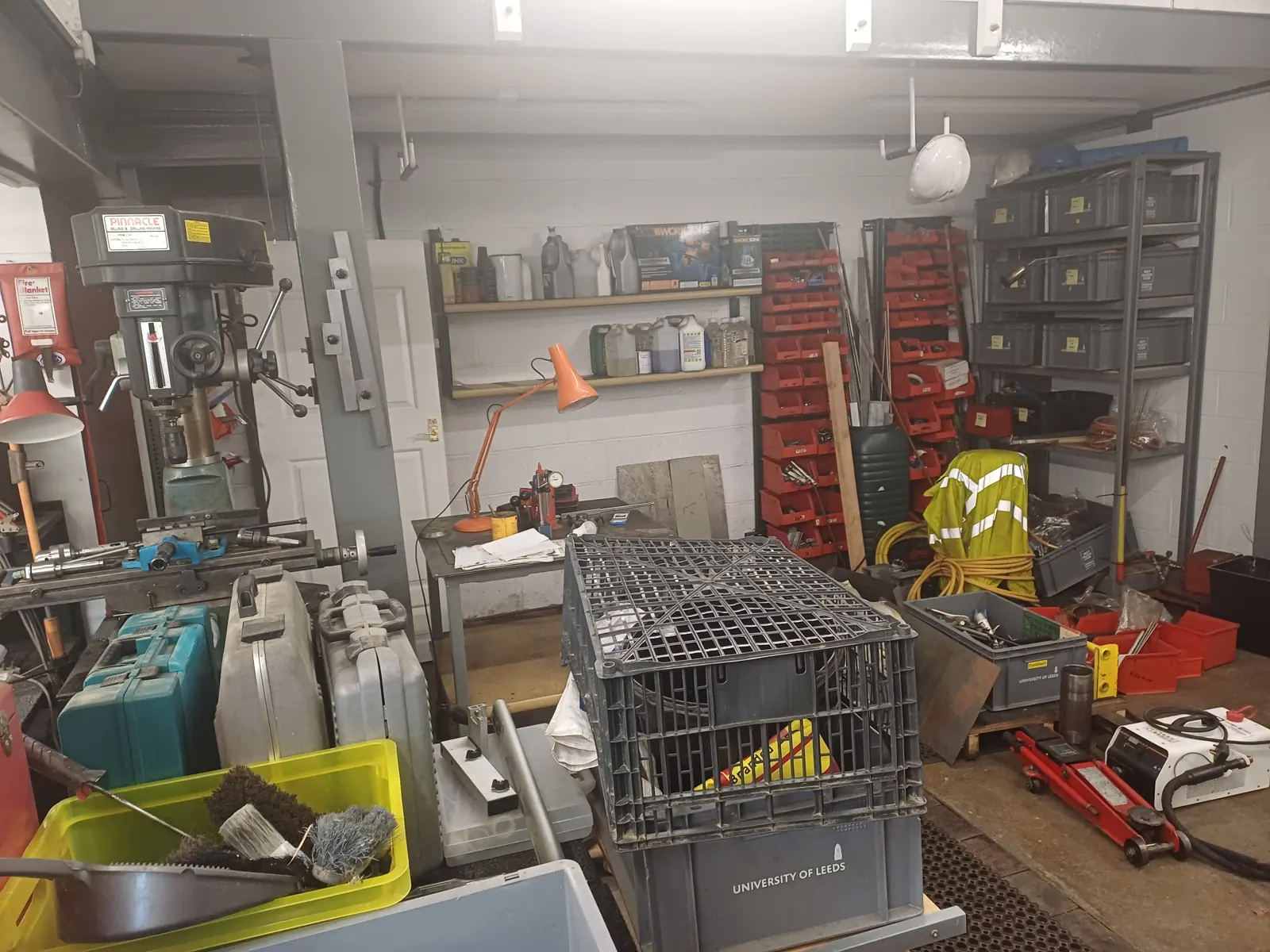
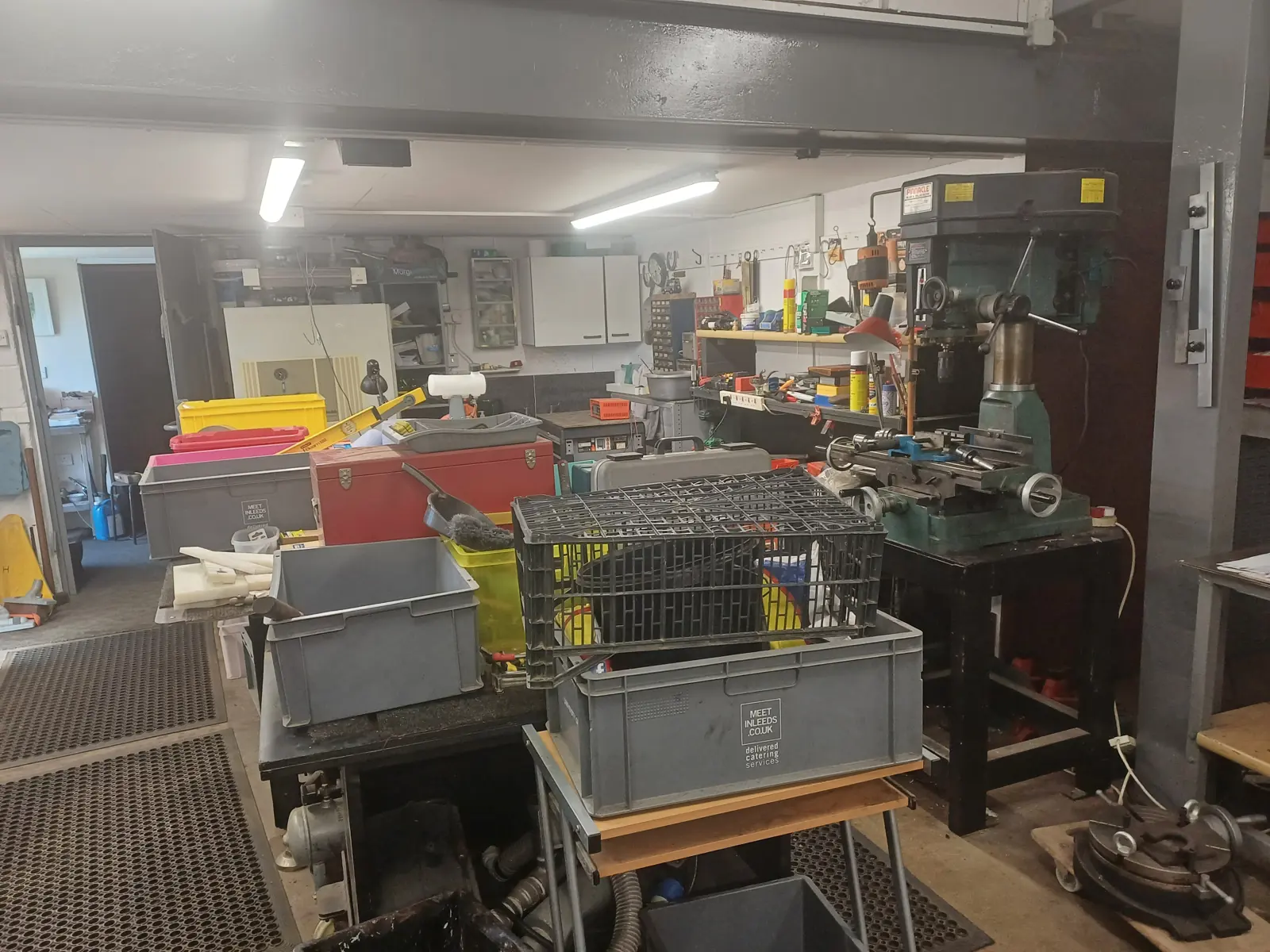
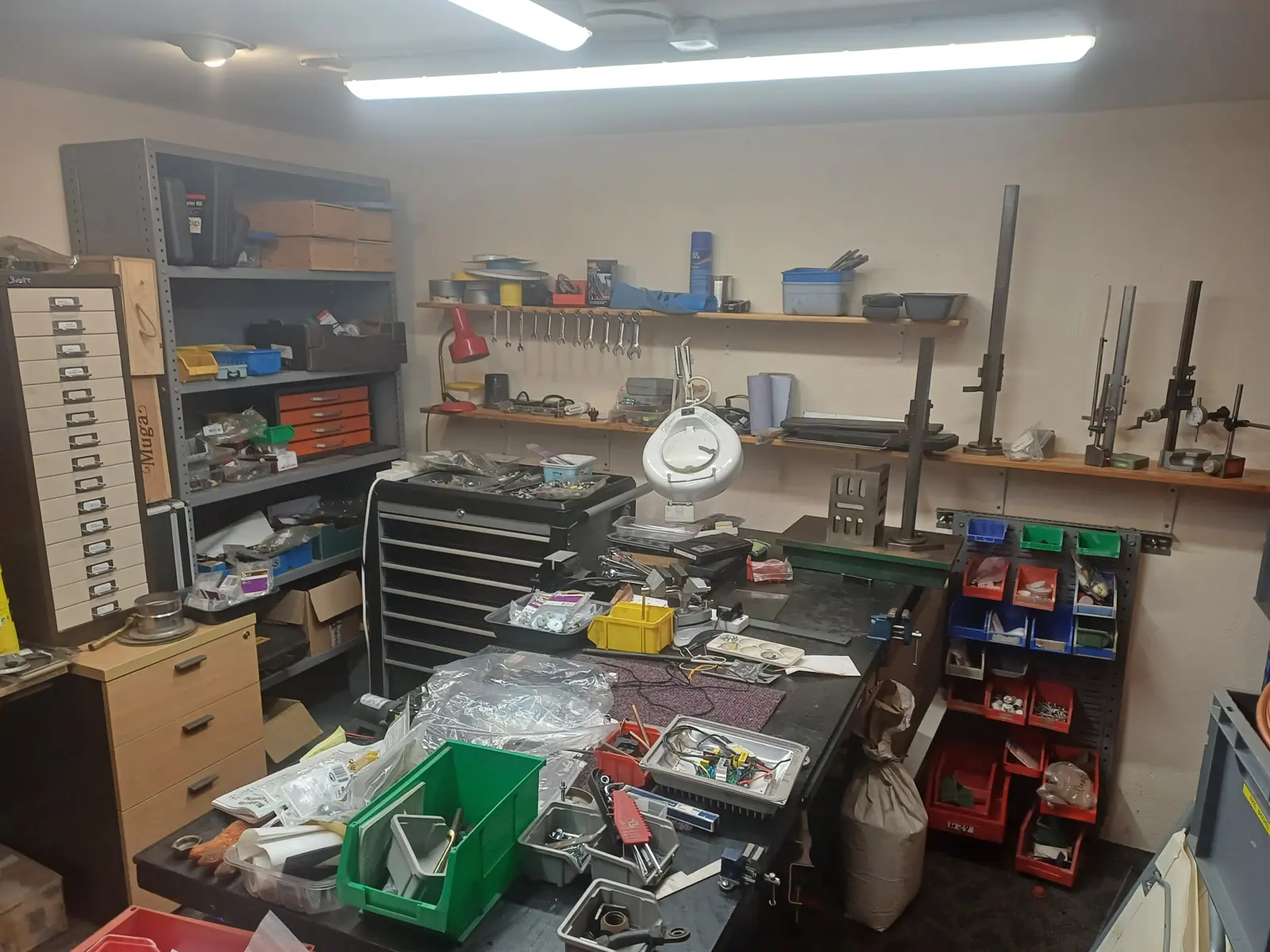
The contents of a rear-lane garage are a mix of the house’s history and the garden’s.
- Furniture that was replaced indoors and never left the property.
- Doors, shutters, fire surrounds and tiles kept from work on the house.
- Garden furniture, tools, a mower, pots and lengths of trellis.
- Bikes, prams, sports gear and, this close to the sea, the odd dinghy trolley, oars and life jackets.
- Tea chests and boxes from a move made decades ago.
- A fridge or freezer that was put out there to be useful and stopped being.
Most of it goes. The joinery and fireplaces are the exception: original pieces are worth offering to whoever is buying or restoring the house, so we ask before any of them is loaded. Personal papers and photographs that turn up in boxes are set aside and shown to you.
What we cannot take
Old garages collect the same shelf of things as new ones. We do not collect paint, solvents, oils, fuel, chemicals, batteries or gas cylinders. The crew stands them together and tells you where they are, and a civic amenity site or the supplier takes them from there. A mower or an engine can go once the fuel is drained.
We do not handle asbestos or clinical waste. Roofs of old corrugated cement sheeting are common on lane garages and lean-tos. Left alone they do not stop us emptying the building, but broken sheets on the floor are a job for a specialist contractor before we come.
Lock-ups and garages you rent
A lock-up is cleared the same way, with three extra questions: where it is, how we get the key and what the owner expects when it is handed back. Most want it empty and swept. We send a photo of the empty garage, so the rental can be ended without you travelling over.
What Junk Removal does on a job like this
- Garage clearance: garages, coach houses and lock-ups emptied and swept.
- Shed clearance: the garden shed and the lean-to on the same visit.
- House clearance: the main house, loaded from the front while the garage is loaded from the lane.
- Furniture removal: for the few large pieces that are the real reason for the call.
- Junk and rubbish removal: bags, broken items and whatever is left in the yard.
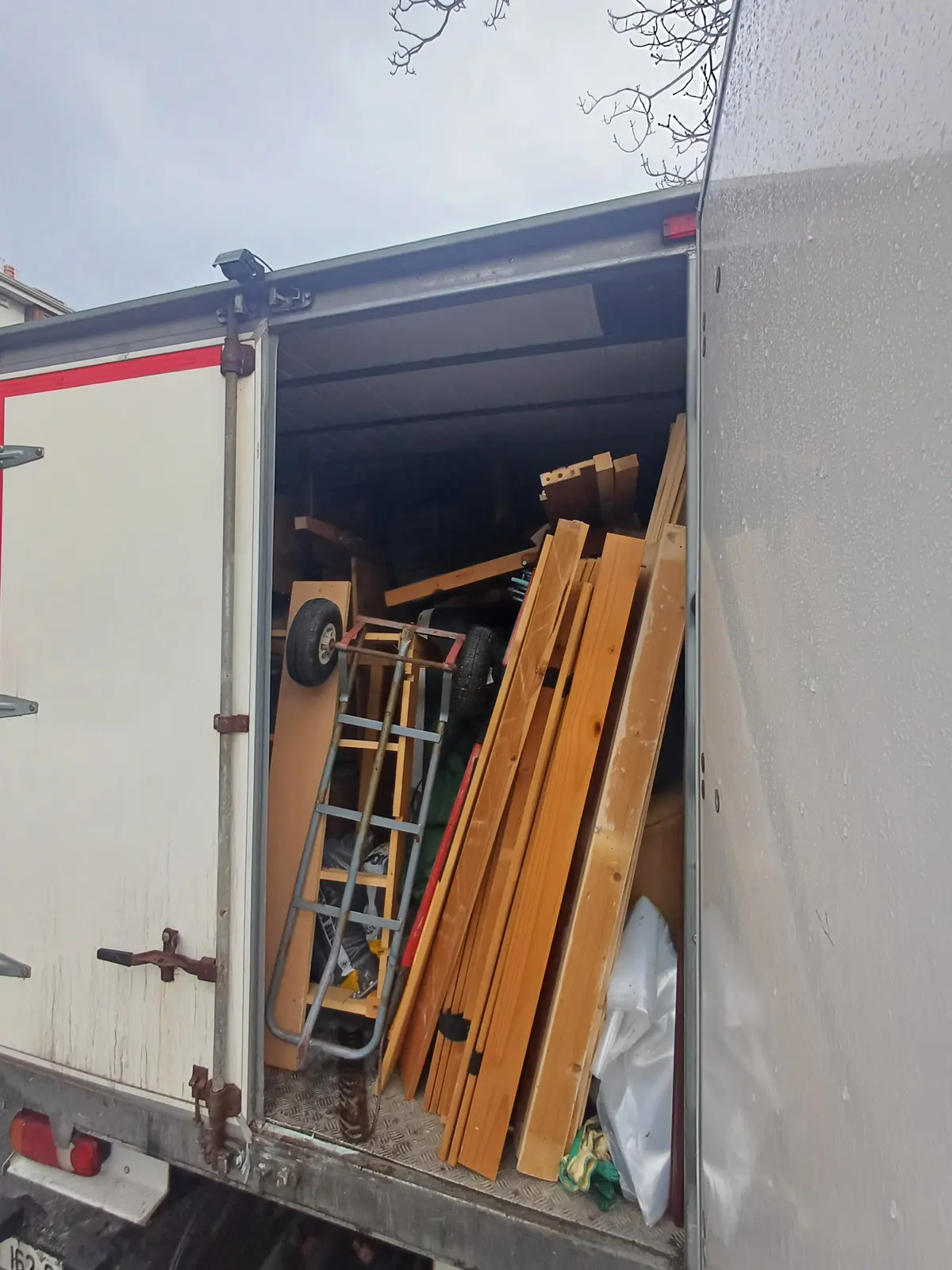
Usable furniture and tools are set aside for reuse where we can arrange it, metal goes for scrap, appliances go for electrical recycling, and the rest goes to an authorised facility under our waste collection permit, NWCPO-25-13287-01. We are fully insured, and we work Monday to Friday from 8am to 5pm and Saturday from 8am to 2pm.
If you are weighing a clearance against a skip, a shared lane is rarely somewhere a skip can be left, which usually settles it. We compare the two in house clearance vs skip hire.
Next step
Send the lane photos and the garage photos on WhatsApp to 085 202 1222, or use the quote form below, and tell us what is staying. You will get a fixed price in writing, with the way out and the carry already agreed.