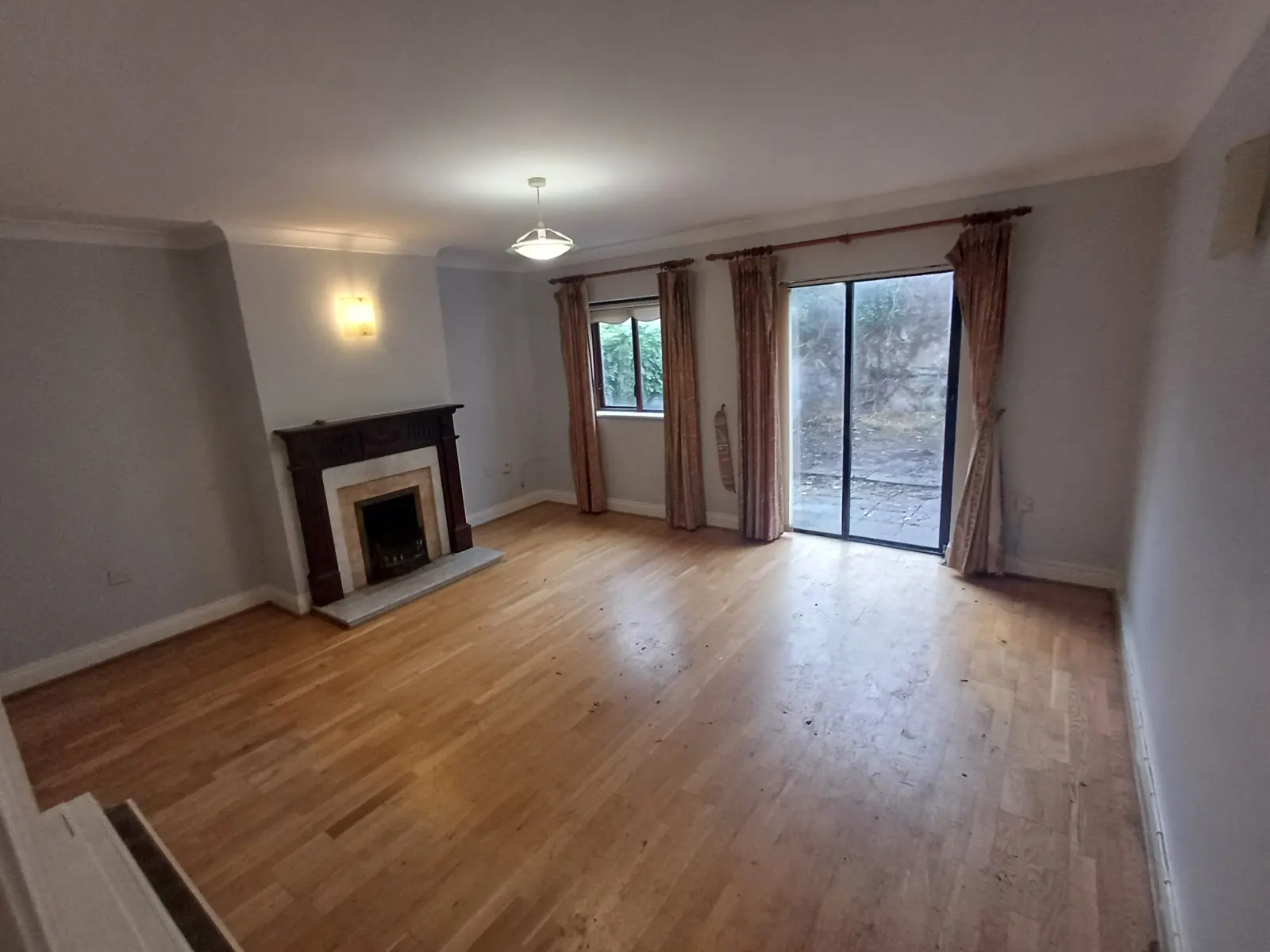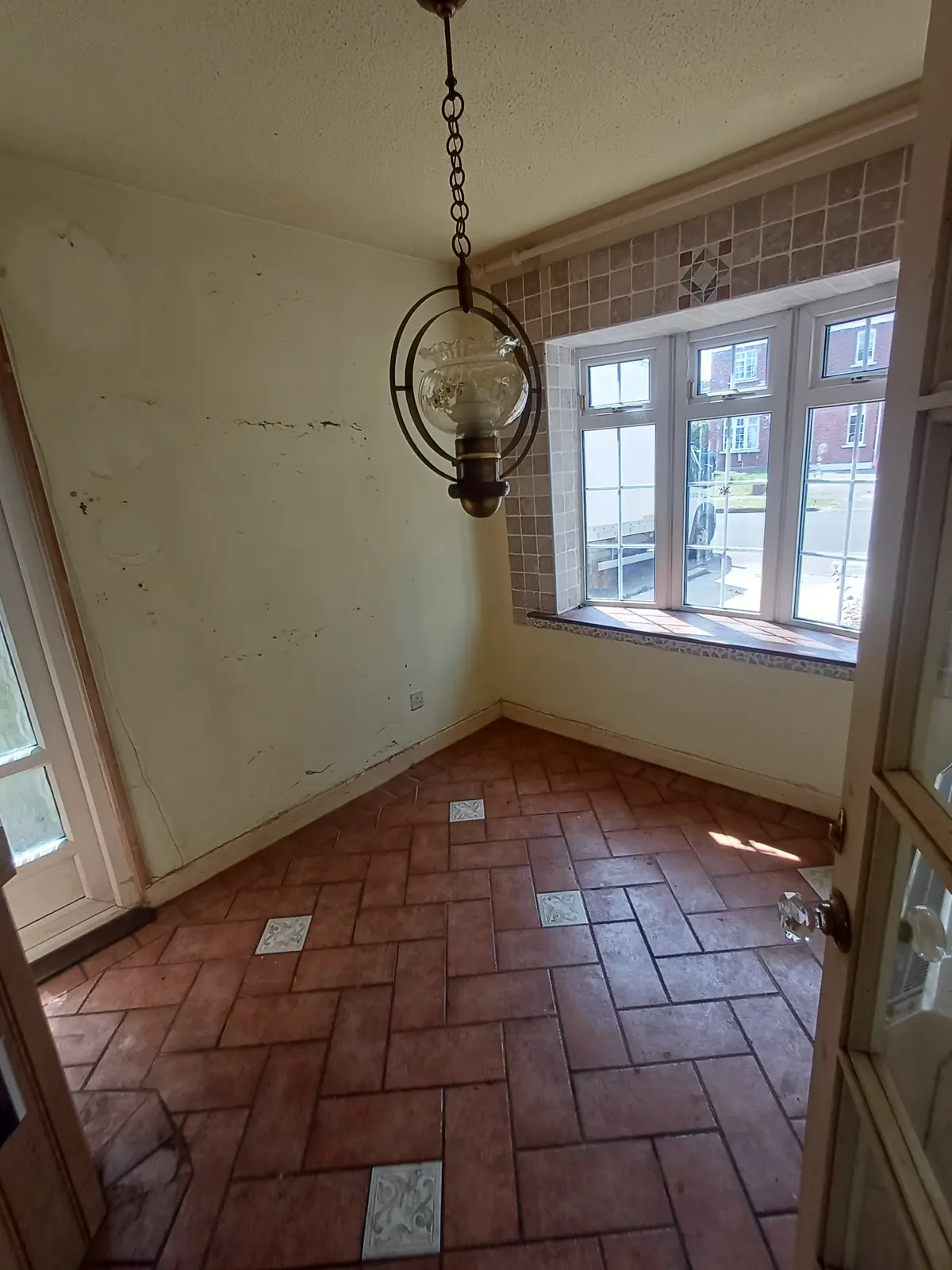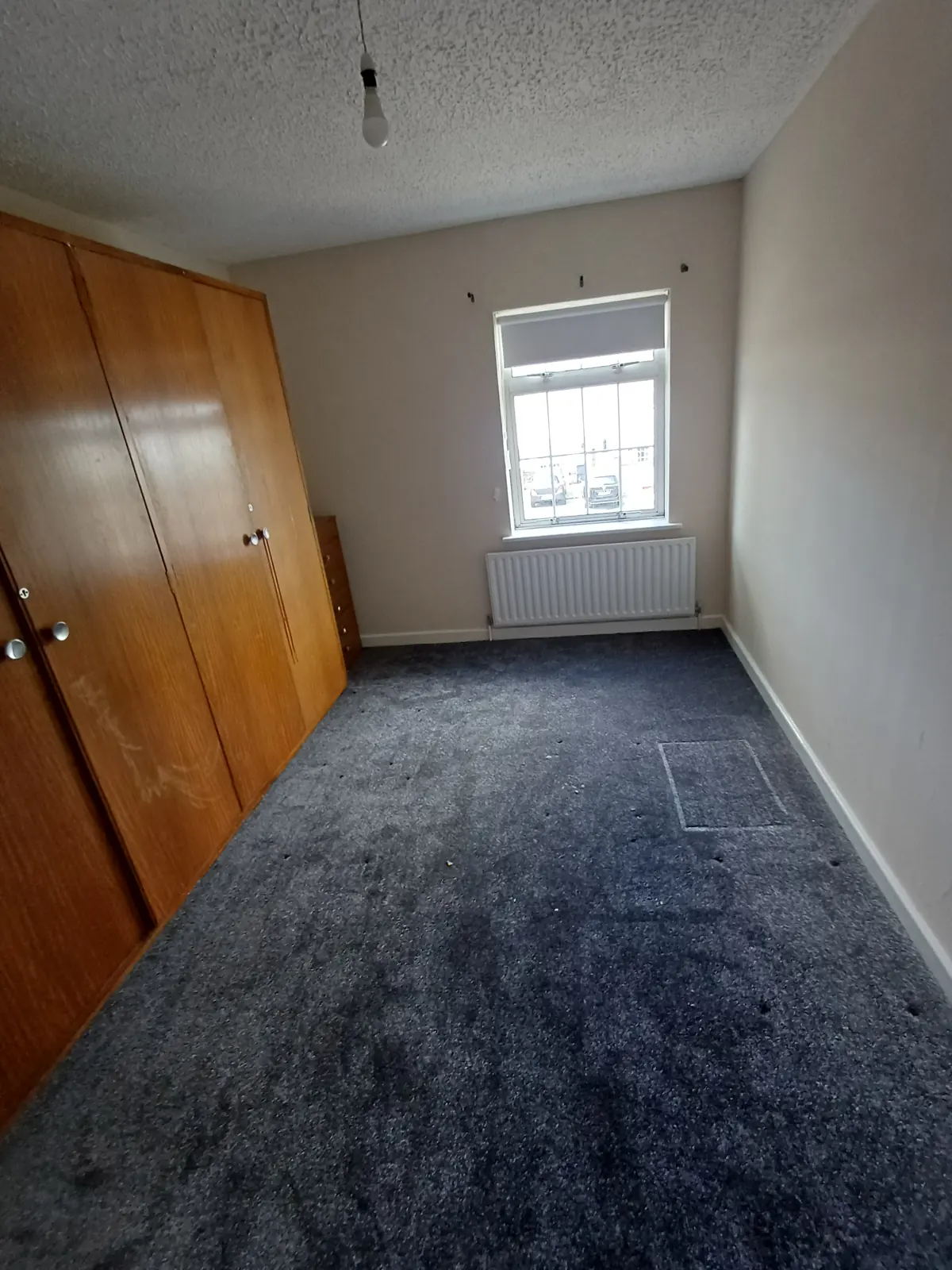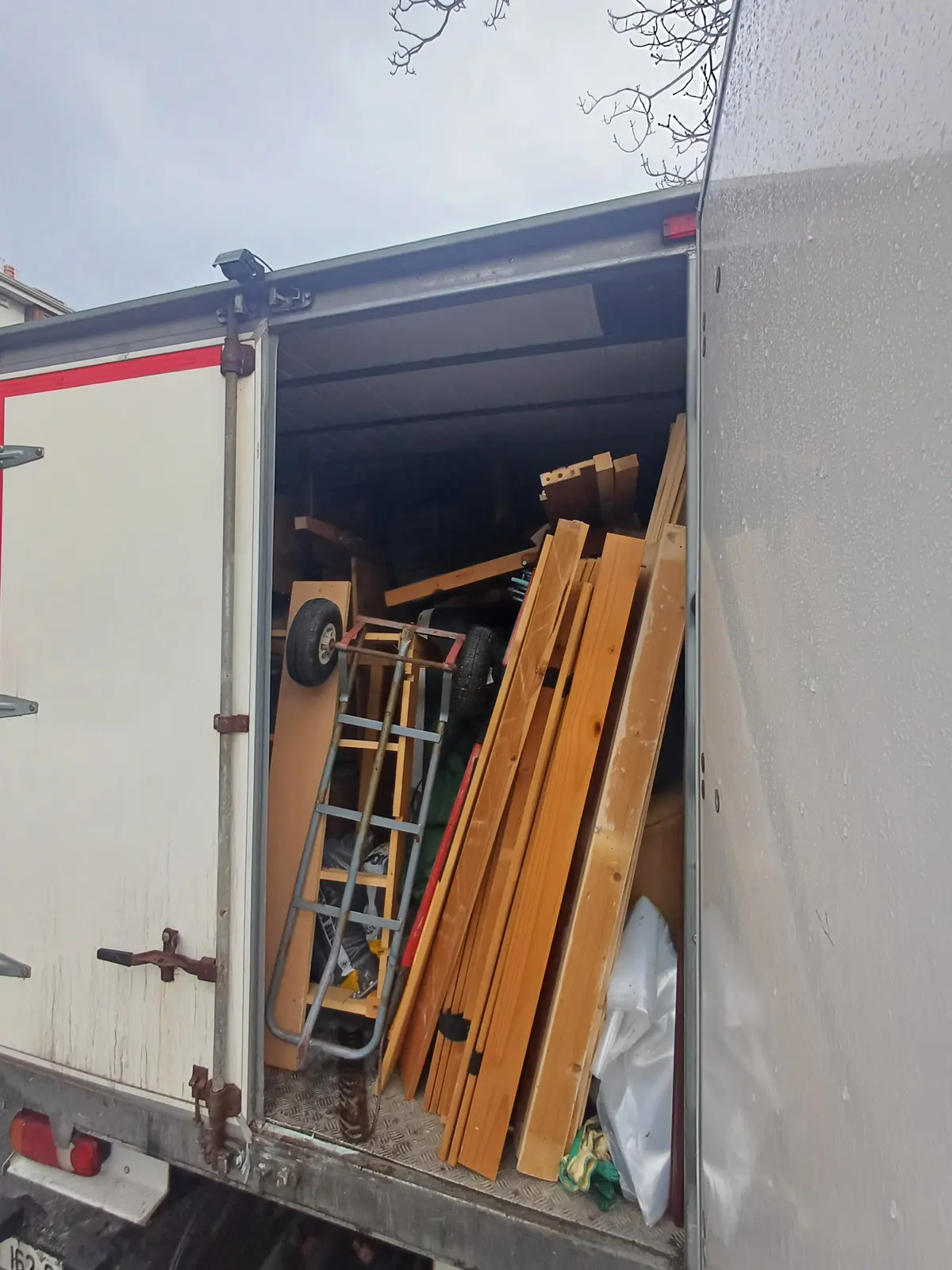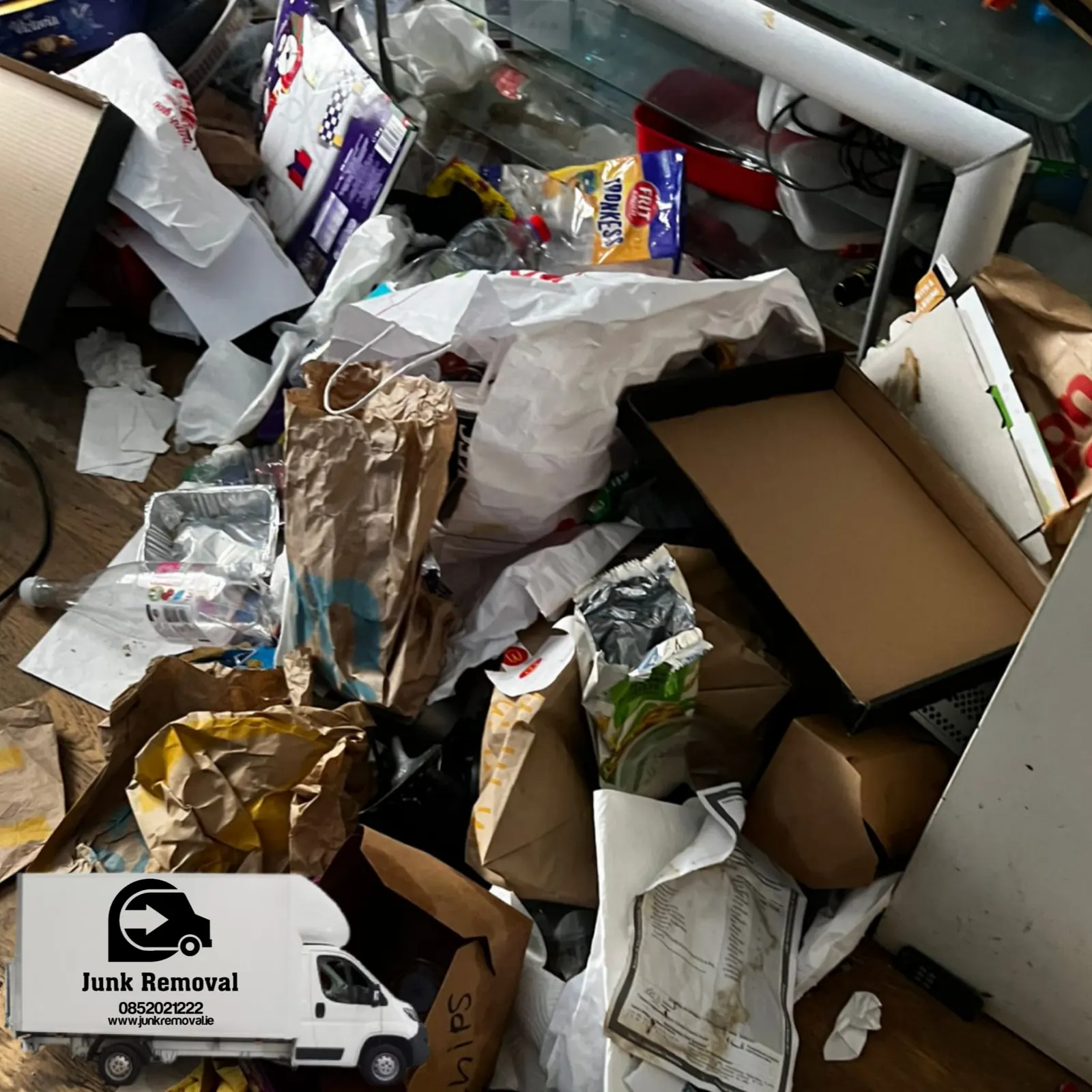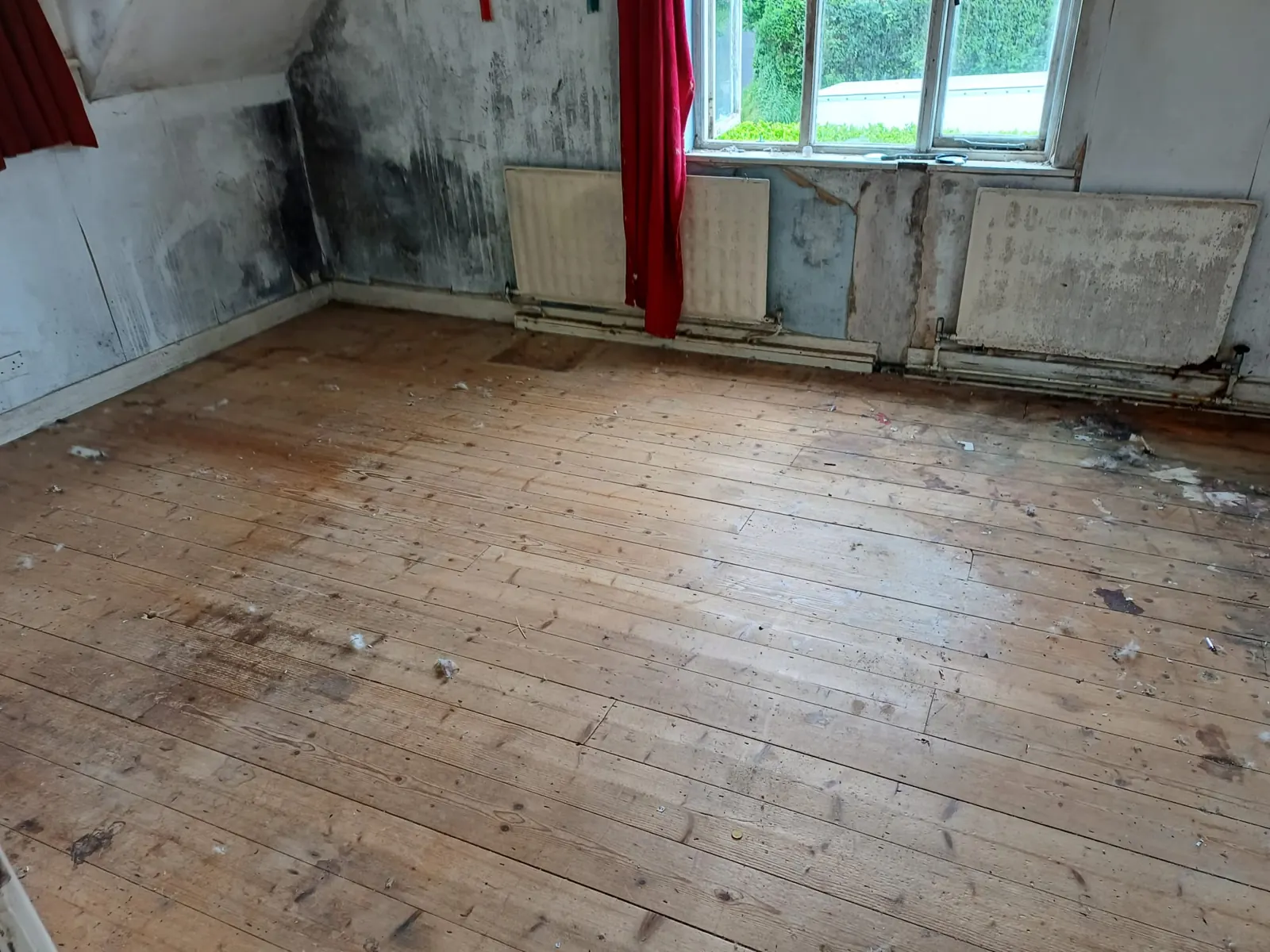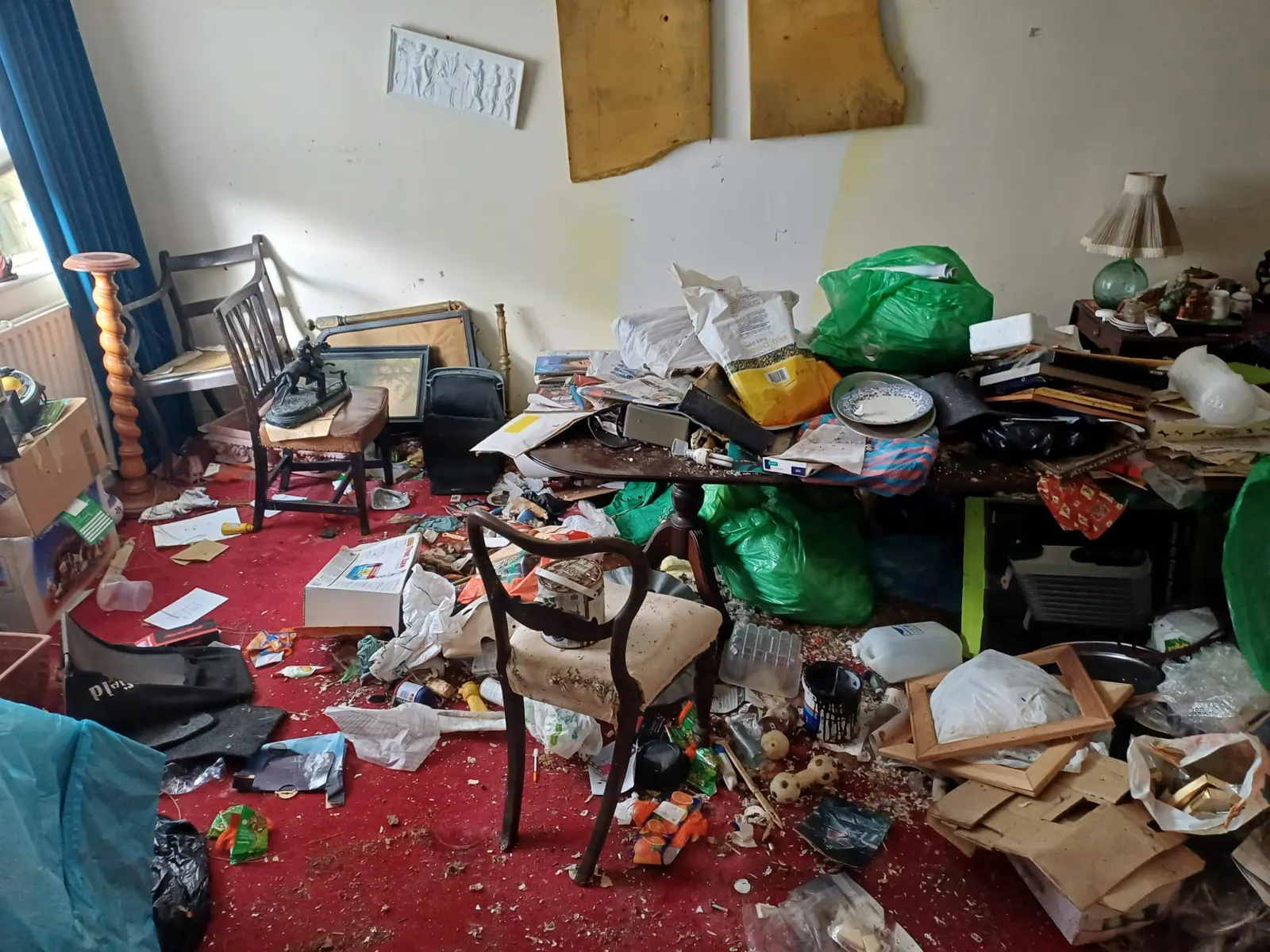
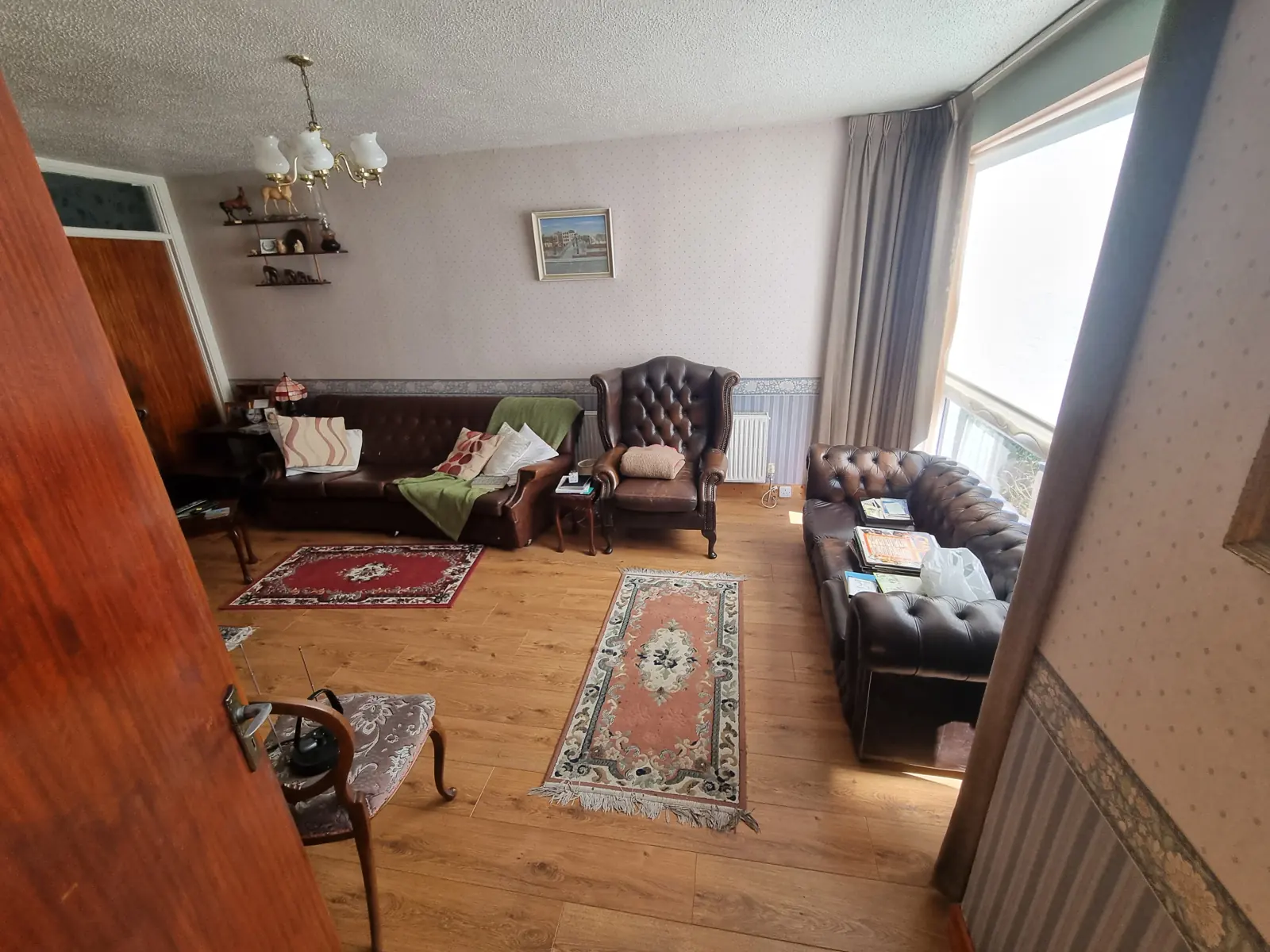






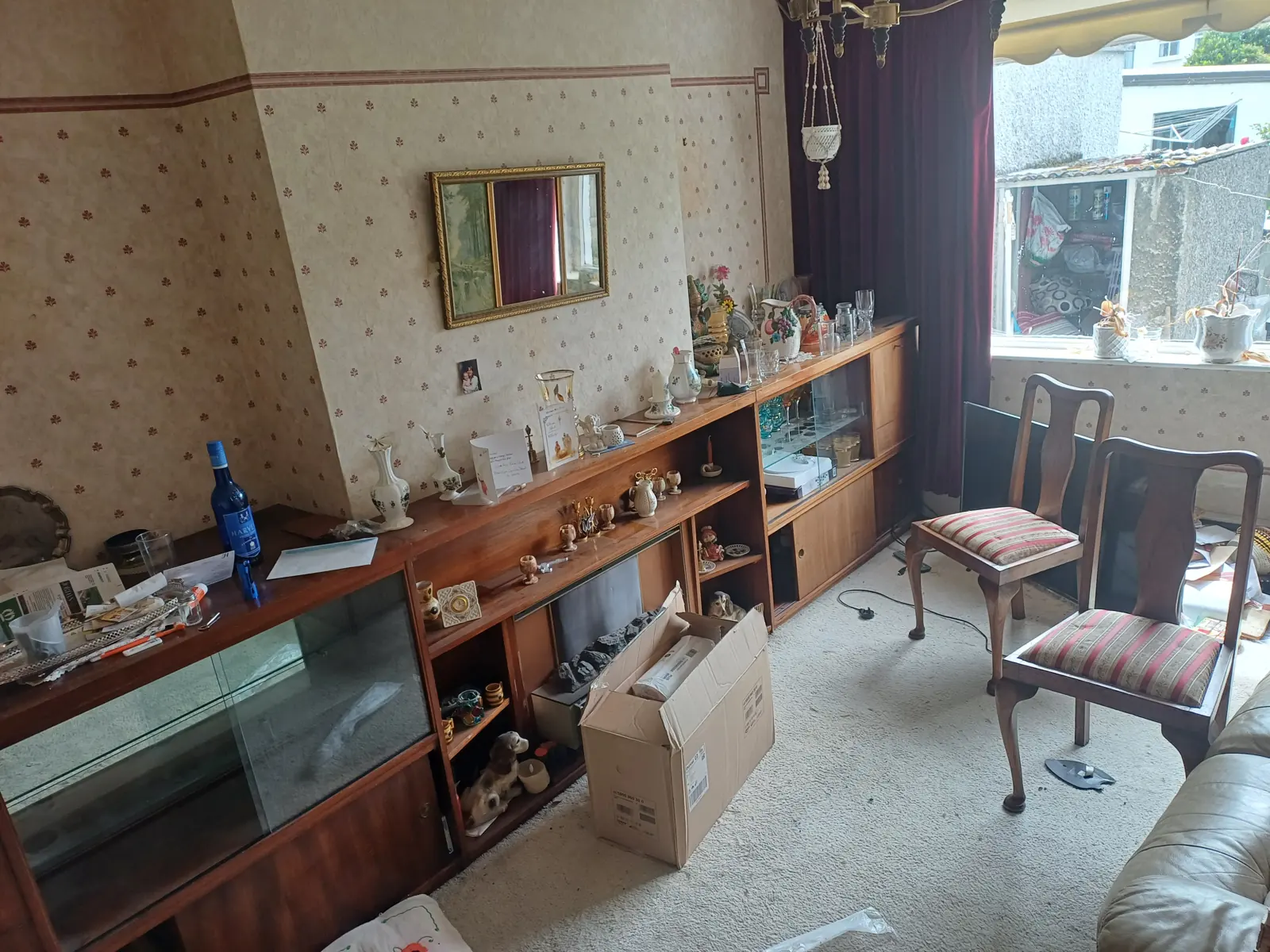
Walkinstown is the part of Dublin 12 that sits between Crumlin, Drimnagh and Greenhills, laid out in the 1950s and 1960s with semi-detached and terraced houses. Many of them have been in one family for decades, and when they are sold, by a family after a death or because an older owner has moved, the buyer often gets more than the house. The suite is still in the front room, the bedrooms are furnished, the attic has not been emptied and the shed is as it was left.
If that is the house you have just bought, this page is the practical plan for it. Our main page on house clearance explains the service in general, and the area page for house clearance in Walkinstown covers the neighbourhood. What follows is about one situation: you are the new owner, the old contents are still there, and a builder, a kitchen fitter or a removal lorry is waiting on an empty house.

First, be sure what is yours to clear
Before anything is carried out, send one email to your solicitor asking what the contract says about contents. Some sales list what is included, some say the property is sold as seen, and now and again a seller’s family intended to come back for something. This is general, practical guidance and not legal advice, and your solicitor is the person to confirm it.
Two things are worth doing in that first week whatever the answer:
- Photograph every room as you found it. It takes ten minutes and it settles any later question about what was there.
- Put personal things to one side. Family photographs, letters, certificates and anything with a name on it belong in a box, not a van. Tell the solicitor or the selling agent you have them so they can be offered back.
Our crew works the same way. Personal papers and photographs that turn up in drawers, wardrobes and attics are set aside and shown to you rather than loaded.
Walk the house with a roll of tape
The quickest way to decide what stays is to walk the house once with masking tape and mark only the things you are keeping. Everything unmarked goes. It is far faster than labelling what leaves, and it gives the crew a rule they cannot get wrong.
People are often surprised by what is worth holding on to in a house of this age:
- Solid internal doors, door furniture and a fireplace surround you plan to reuse after the work.
- A good wardrobe or chest of drawers that will do a spare room until the house is finished.
- Garden tools, a ladder and a wheelbarrow, all of which a renovation uses.
- Curtain poles and a working cooker, if you are living there before the kitchen goes in.
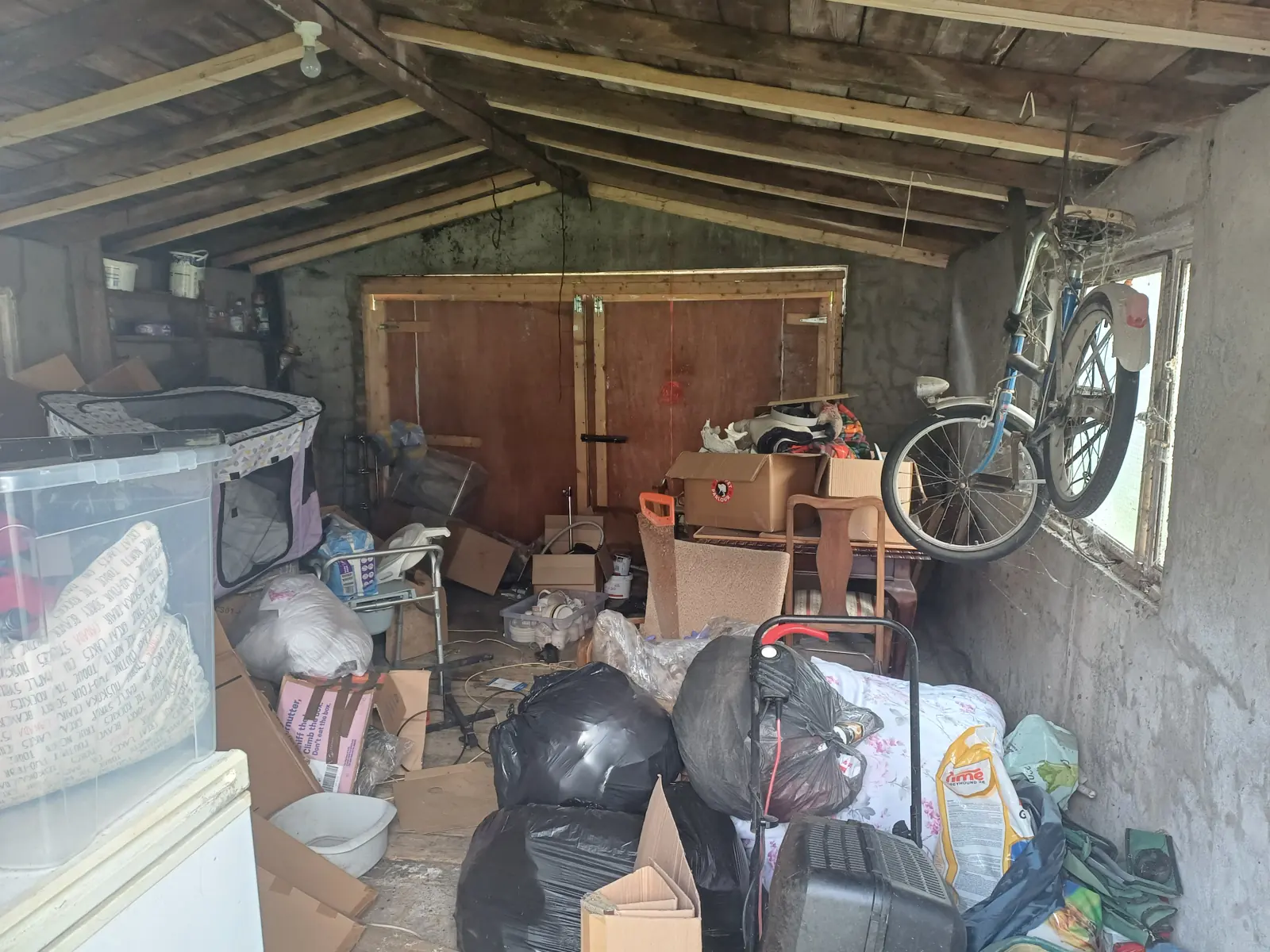
Go further than the rooms. Check the attic from the hatch, the hot press, the cupboard under the stairs, the side passage, the garage and the shed, and take a photo of each. Those are the places that turn a one-van job into two, and a price given from photos is only as good as the photos.
What usually gets left in a house like this
A house of this age that is sold with its contents usually holds a similar list:
- A three-piece suite, a dining table and chairs, a sideboard and a display cabinet.
- Beds, mattresses, wardrobes, dressing tables and bedside lockers in every bedroom.
- Carpets and underlay through the hall, stairs and bedrooms.
- A cooker, a fridge, a washing machine and sometimes a chest freezer in the garage.
- Kitchen units and worktops that are coming out anyway.
- Boxes, suitcases, Christmas decorations and old paperwork in the attic.
- Tools, timber, tins and garden equipment in the shed.
All of that is ordinary work for us, including the kitchen units, the carpets and the appliances. If the carpets are still fitted or the units are still on the wall, say so in your message so the price allows for it.
What we cannot take from an older house
Sheds and garages of this age nearly always hold a shelf of paint tins, a few bottles of weedkiller or white spirit and a gas cylinder for a heater. We do not collect paint, solvents, oils, fuel, chemicals, batteries or gas cylinders. Those go to a civic amenity site, and cylinders go back to the supplier. Put them in one corner and we clear around them.
We also do not take asbestos, clinical waste, or large amounts of rubble and soil. If a shed or garage roof is old corrugated cement sheeting, leave it alone and mention it to your builder, because it may contain asbestos and has to be removed by a specialist contractor. We will tell you if we see anything like that on the day.
Clearance first, skip second
A house being renovated usually ends up with a skip outside, so it is fair to ask why the contents should not go into it. The answer is that the two do different jobs. A skip is the right tool for rubble, plaster, old timber and tiles, which a clearance van is not meant for. Furniture, mattresses, carpets and appliances are bulky and light, they fill a skip in an afternoon, and you carry every piece out yourself.
Clearing the contents first also gives the builder an empty house to price and start in. Floors can be lifted, walls opened and a kitchen stripped without anyone working around a wardrobe. We compare the two properly in house clearance vs skip hire.
What Junk Removal does on a job like this
We are a clearance company. A two-person crew arrives with a box van, carries everything out from wherever it is in the house, loads it and takes it away. You do not move anything to the door or the kerb.
For a house bought with its contents, these are the services that usually come together on one booking:
- House clearance for the rooms: furniture, beds, carpets, kitchen units, appliances and the bagged odds and ends.
- Attic clearance, with everything handed down through the hatch and carried out.
- Garage clearance and shed clearance, including taking a timber, metal or plastic shed down if you want the garden back.
- Furniture removal on its own, if you are keeping most things and only the suite and the beds need to go.
- Junk and rubbish removal for what is left at the end: the bags, the broken bits and the pile by the back door.
Usable furniture and working appliances are set aside for reuse where we can arrange it, metal goes for scrap, electrical items go for recycling, and what remains goes to an authorised facility under our waste collection permit, NWCPO-25-13287-01. We are fully insured.
Timing it with the builders
The order that works is keys, photos, price, clearance, builder. In practice:
- The week you close, walk the house, tape what stays and send us the photos with the address.
- Tell us the builder’s start date and whether anyone else needs the house empty first, such as an engineer or a kitchen designer.
- Agree the day. We work Monday to Friday from 8am to 5pm and Saturday from 8am to 2pm. You do not have to take a day off; we can collect keys and send you photos of each room when it is done.
- Keep one room back if you need it. If you are storing your own boxes in the house before you move in, say which room is out of bounds.
If you are unsure how big your load is, the van-load planner gives a rough idea before you ask for a price, and how to prepare for a house clearance covers the day in more detail.
Next step
Send a few photos of each room, the attic, the garage and the shed on WhatsApp to 085 202 1222, or use the quote form below, and tell us what is staying. You will get a fixed price in writing, and a date that fits around your builder.