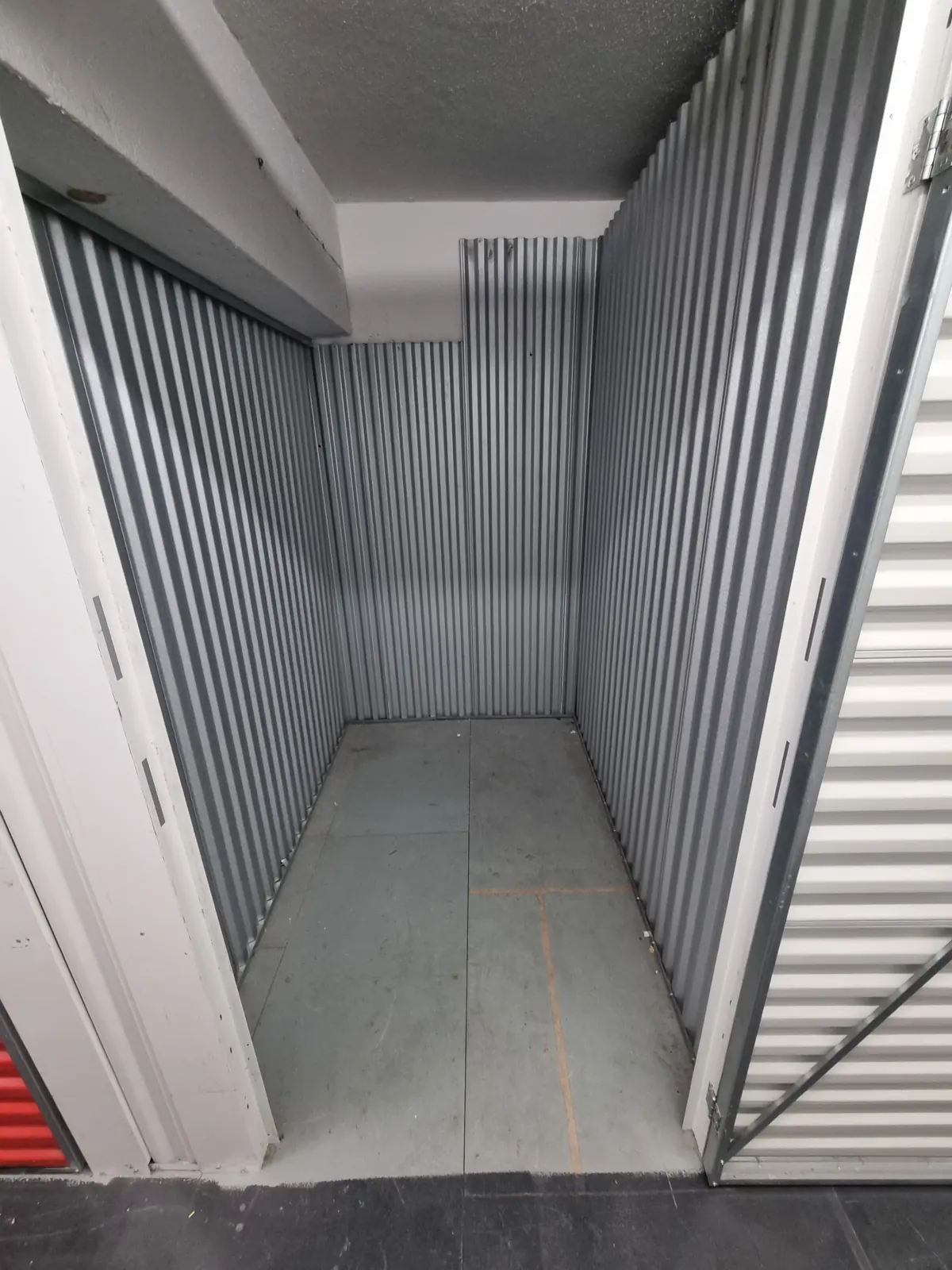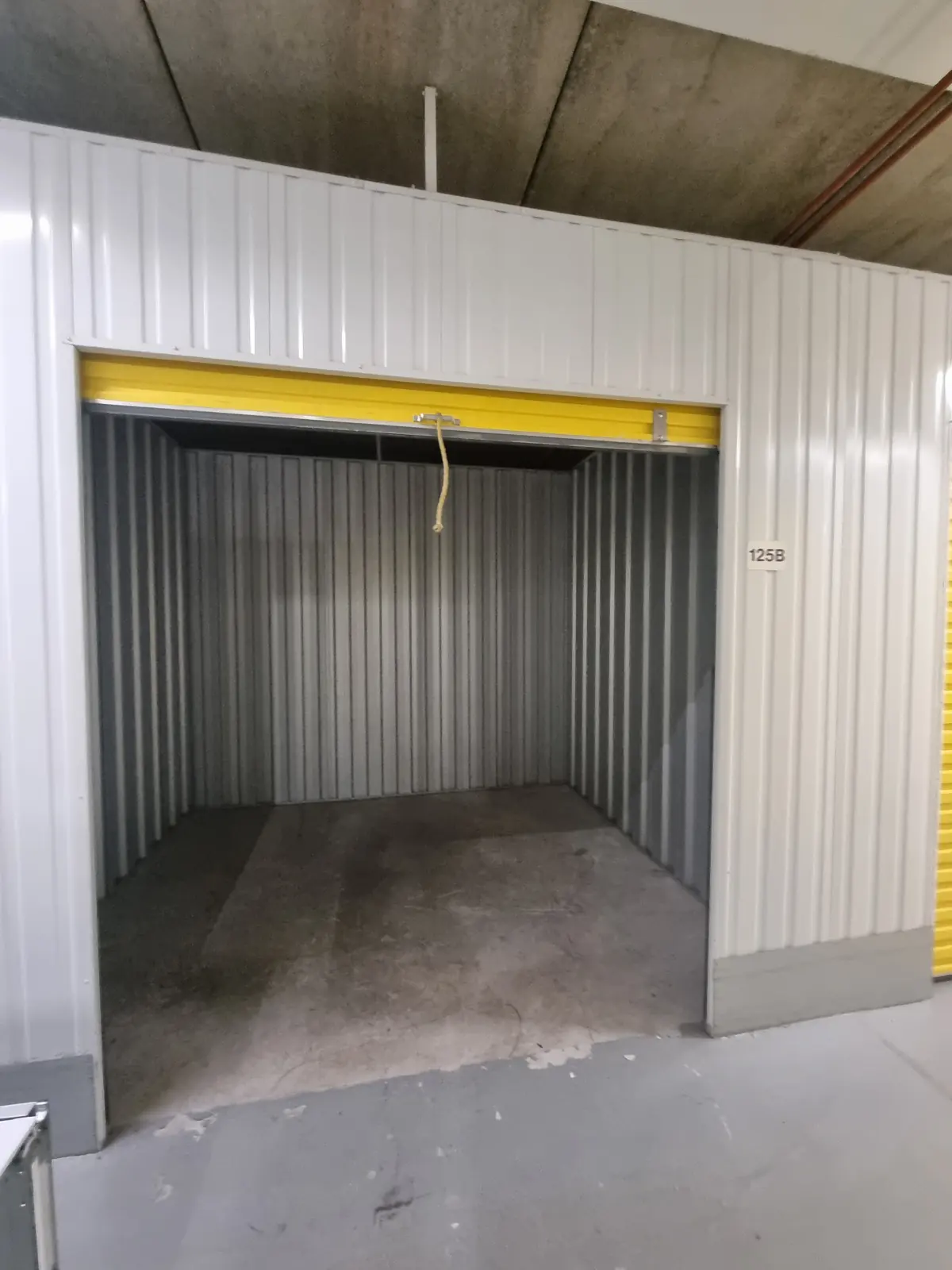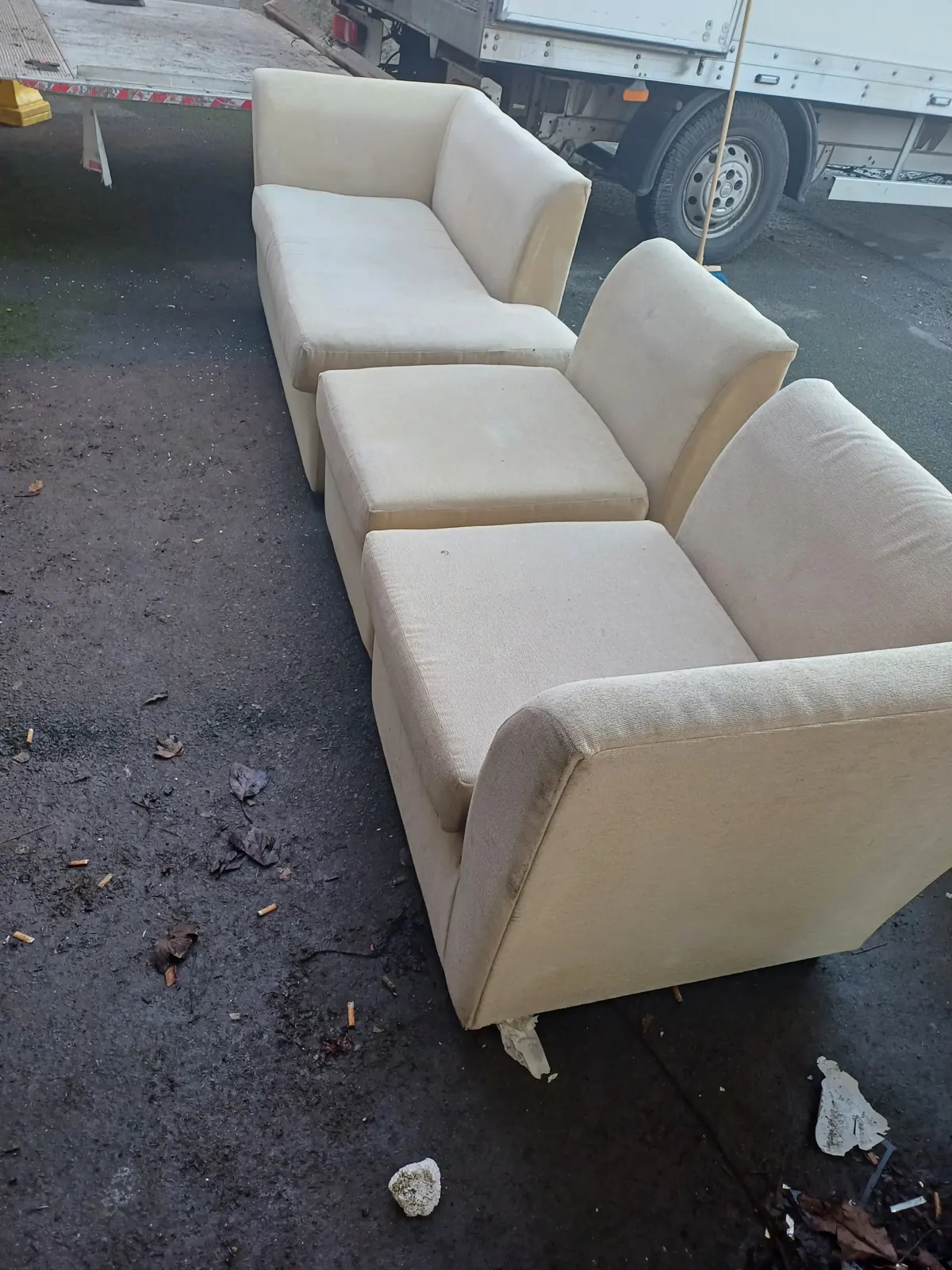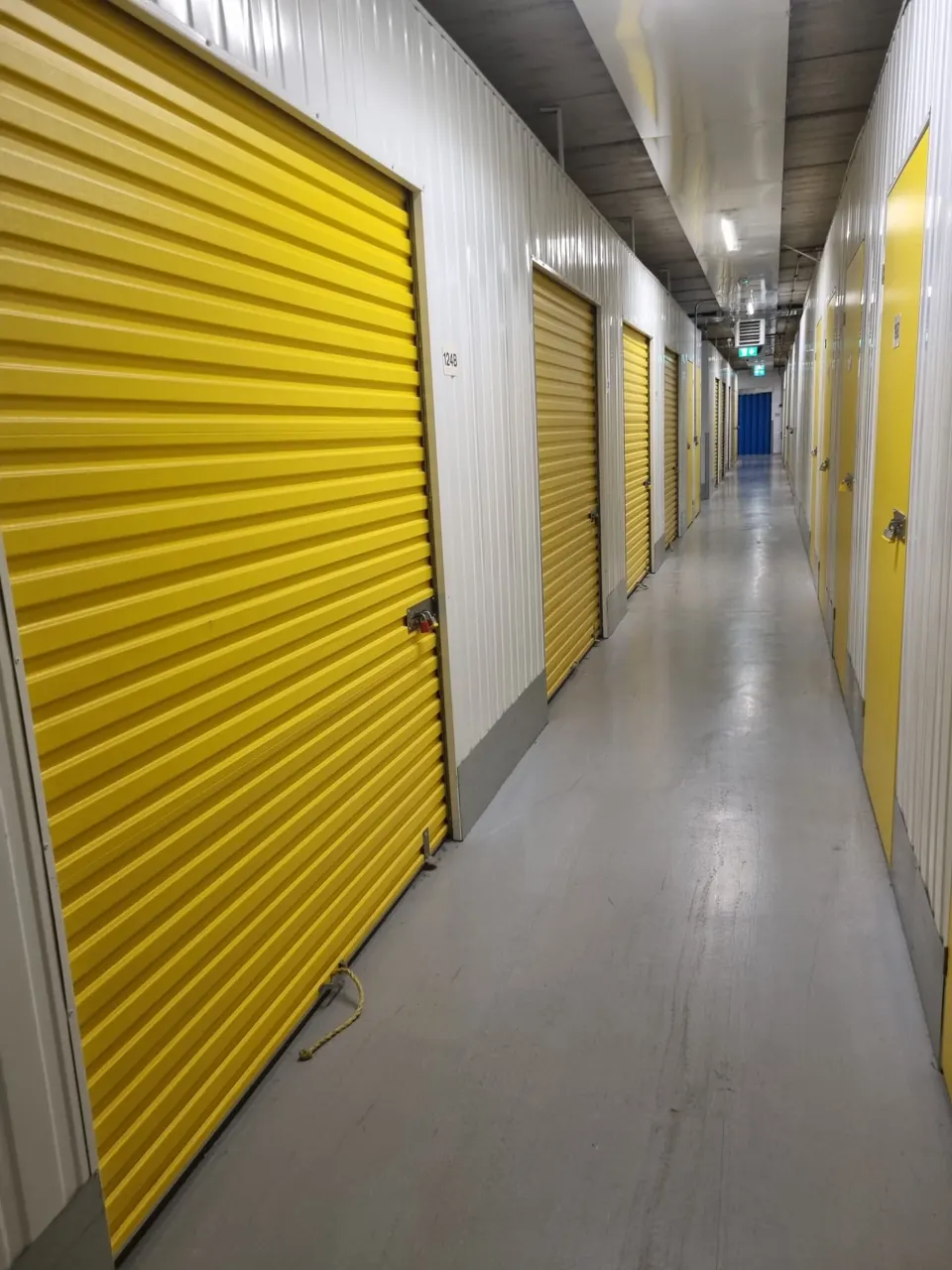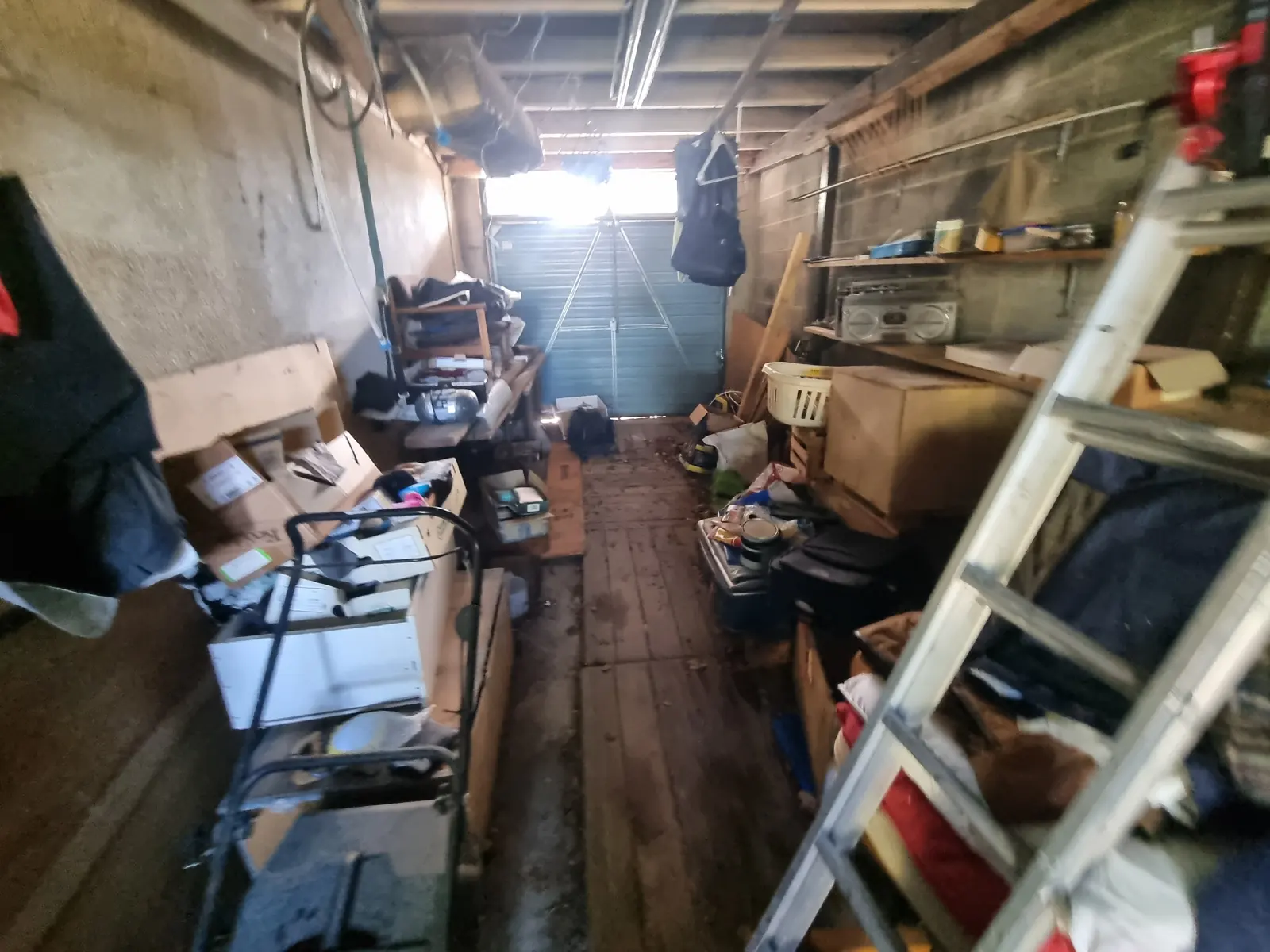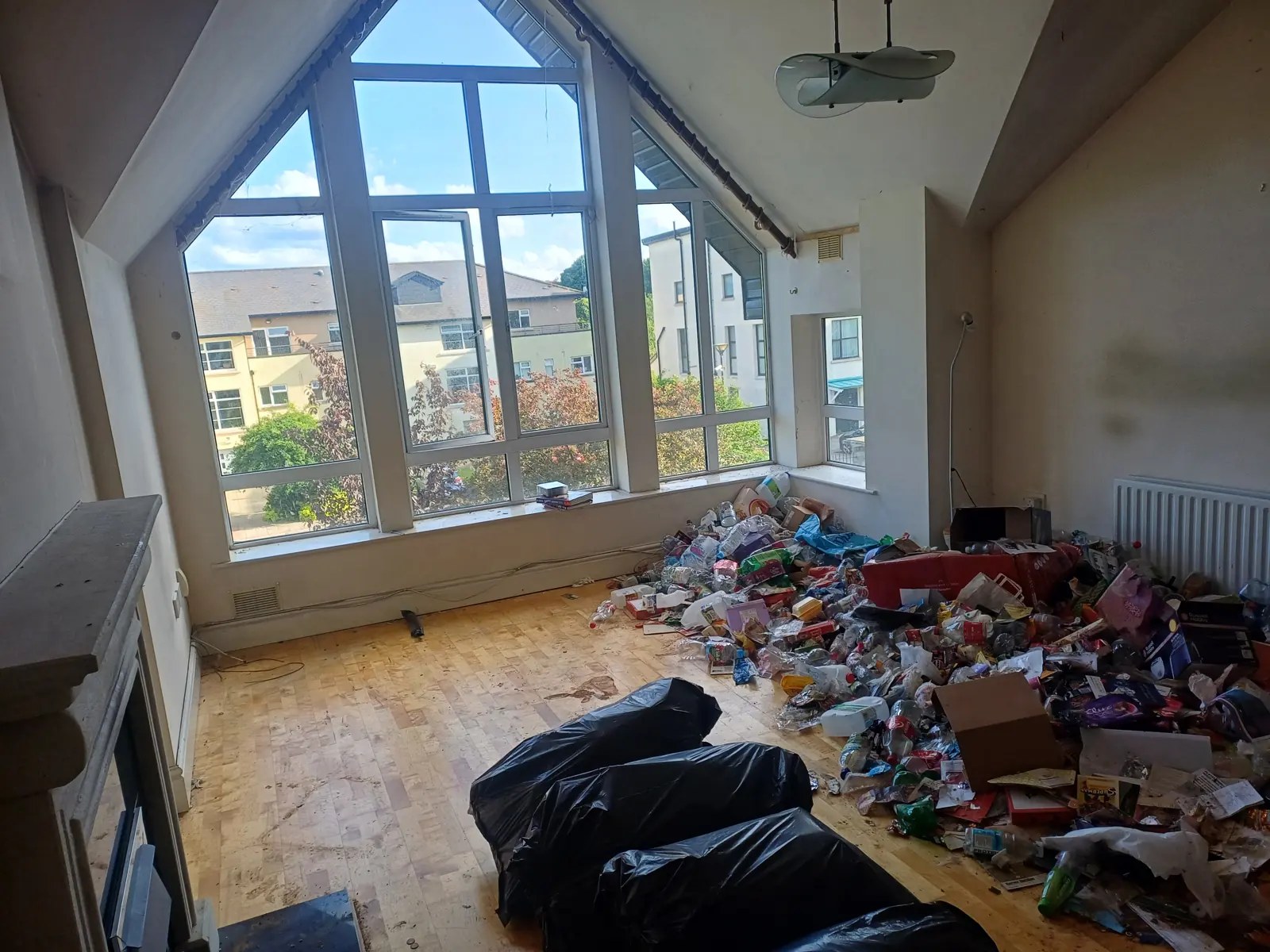
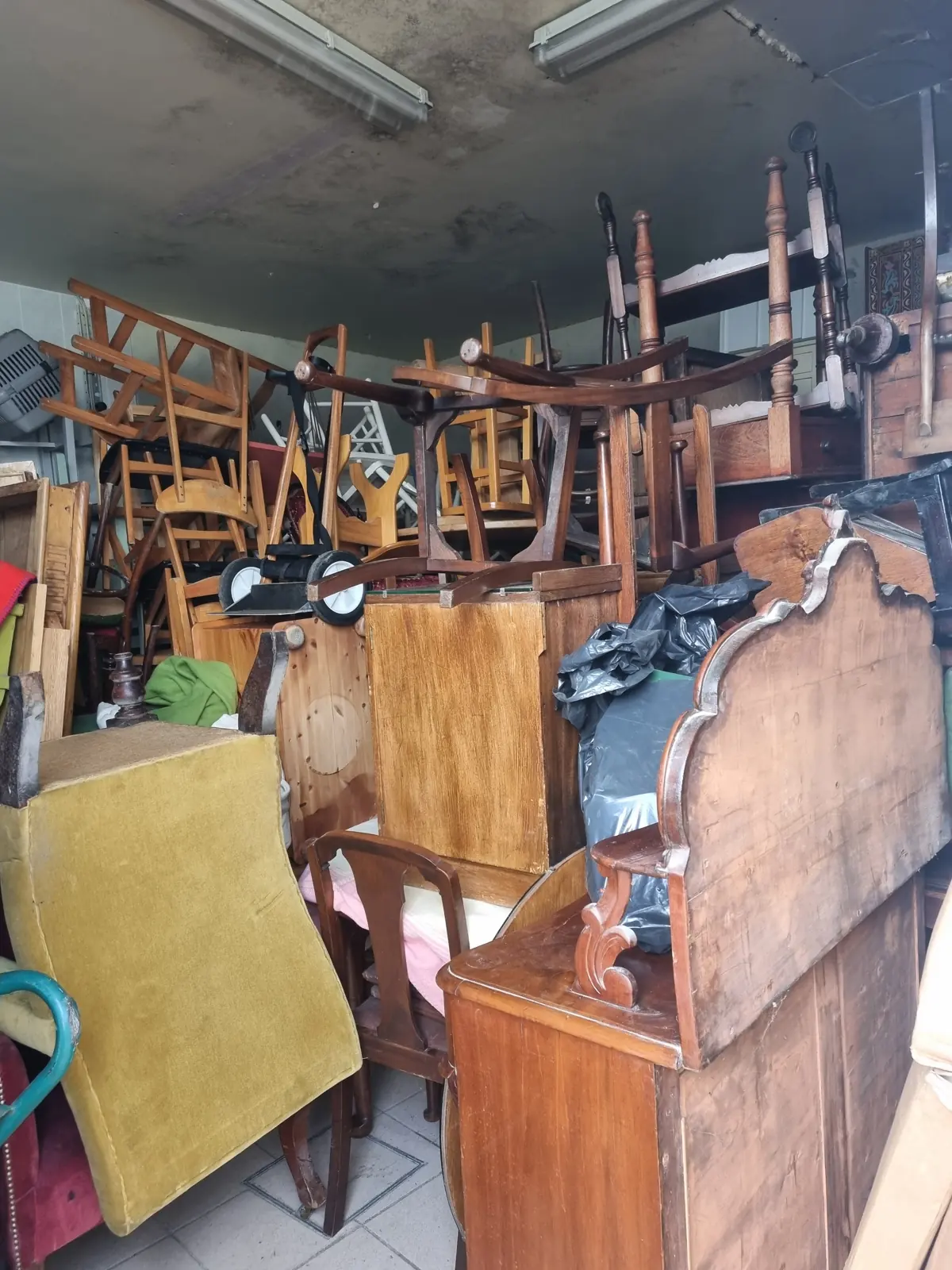





A storage unit is the one room of the house that sends a bill. It was rented for a reason, the reason passed, and the monthly payment carried on.
This page is for people in Blackrock who have a unit somewhere in Dublin and want to be finished with it. Our main page on storage unit clearance in Dublin explains the service, and our page on house clearance in Blackrock covers the area. What follows is the order to do things in, so the unit is emptied, swept and handed back without paying for a month you did not need.

How a unit outlasts its reason
Most units were rented for something that finished a long time ago.
- A renovation or an extension, when the house had to be emptied room by room.
- A move from a large house to a smaller one, with the furniture that did not fit.
- A sale that fell through, or a move abroad that became permanent.
- A parent’s belongings, kept until the family could decide.
- A business that closed, leaving desks and archive boxes behind.
The builders left, the move happened, and the unit stayed. By the time people ring us they often cannot say what is in it beyond furniture and boxes. That is fine. It is sorted on the day.
Decide what is coming home
Before anything else, split the contents three ways, even roughly.
- Coming home. The pieces the unit was rented to protect in the first place.
- Going to family. Things promised to someone who has not yet collected them.
- Going. Everything else.
If you can get to the unit once before the day, a strip of tape on what is staying is enough. If you cannot, describe the pieces and we separate them as we go.
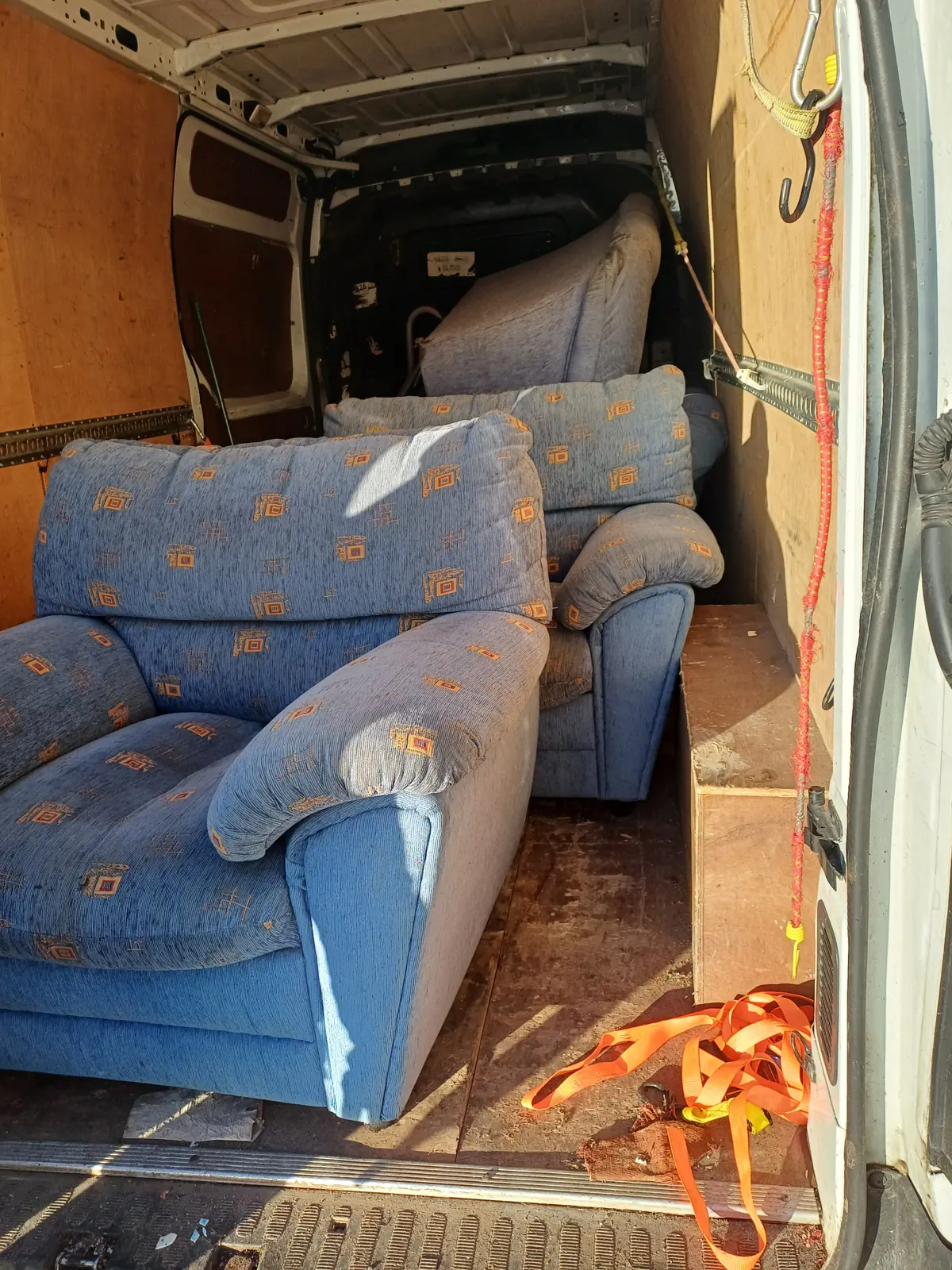
What you are keeping can travel with us. If your home is on the same run as the load, it comes in the van and is carried in. If it is not, it is left at the front of the unit for you to collect.
Notice first, clearance second
The date matters more with a unit than with a garage, because a unit that is still full on the last day costs another month.
- Read the agreement and find the notice period.
- Give notice, and write down the final date.
- Book the clearance for a few days before that date, not on it.
That margin is what protects you. The unit is empty and swept in time for the facility’s own check, and nothing that happens on the day can push you into another month.
What we need to know about the facility
Every self-storage facility has its own way of working, and we follow it. Tell us:
- The name of the facility and the unit number.
- The size of the unit, and which floor it is on.
- Whether there is a lift and a loading bay.
- The access hours.
- Whether the office needs to be told who is coming.
Some loading bays have a time limit, some lifts have to be booked, and trolleys have to be returned. None of that is a difficulty. It only has to be known before the van arrives, not discovered at the gate.
If you cannot be there. You usually do not need to be. Most facilities will let us in with your access code or key and a note from you to the office. Some want the account holder to sign us in. Ask the office which applies and tell us.
What happens on the day
- We arrive inside the access hours and sign in at the office if the facility asks for that.
- The unit is opened with your code or key, and anything you are keeping is taken out first and set apart.
- The unit is loaded out by trolley: along the corridor, down in the lift if the unit is upstairs, and out to the van at the loading bay.
- The load is sorted as it goes: what can be reused, what can be recycled and what cannot.
- The unit is swept, the trolleys go back where they belong and the door is closed.
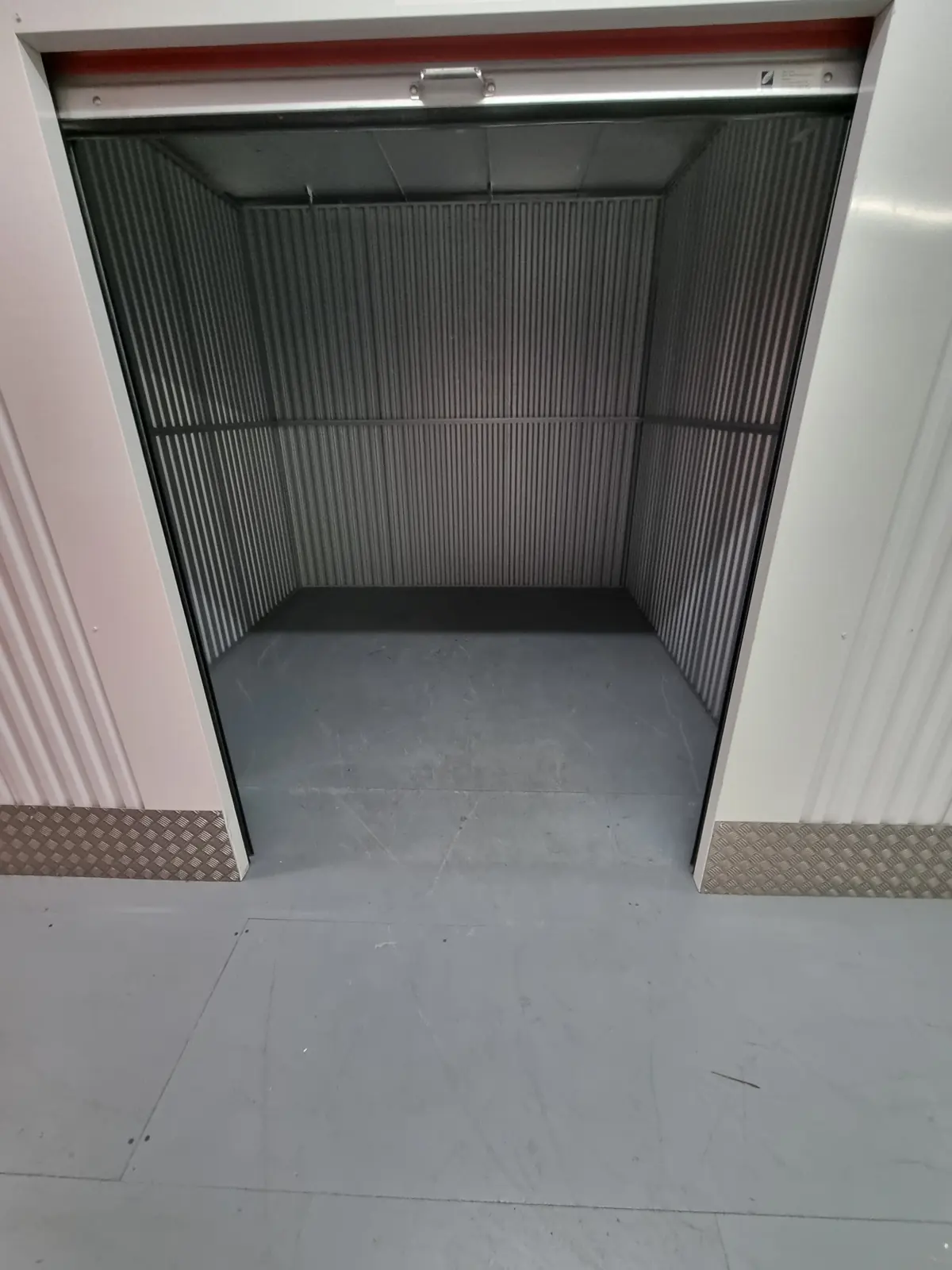
- You get a photo of the empty unit, so you can tell the office it is ready to hand back.
A unit on an upper floor with one lift takes longer than a unit beside the loading bay. That is the reason we ask about the floor and the lift before the day, and it is why the price does not change on the day.
What usually comes out
- Sofas, beds and mattresses.
- Wardrobes, chests of drawers and dining sets.
- Boxes of books, kitchenware and clothes.
- Children’s furniture and toys.
- Desks, office chairs, filing cabinets and archive boxes.
- Bikes, suitcases and the occasional roll of carpet.
Anything in good condition is set aside for reuse where we can arrange it. Recyclables are separated, and the rest goes to an authorised facility under our waste collection permit, NWCPO-25-13287-01.
Papers, photographs and unlabelled boxes
A unit is packed in a hurry and forgotten slowly, so the boxes are rarely labelled. As the unit is emptied, anything that looks personal is put to one side: photographs and albums, letters and certificates, and whatever you told us to look out for. It is shown to you before it goes anywhere, or kept together and photographed if you are not there.
If the unit belonged to a business, confidential paperwork can be bagged separately for shredding instead of being loaded as general waste.
What we cannot take
We do not collect paint, solvents, oils, fuel, chemicals, batteries or gas cylinders, and we do not handle asbestos or clinical waste. If a tin of paint or a gas heater turns up among the boxes, the crew stands it at the front of the unit and tells you.
Drive-up units and containers
Not every unit is on a corridor. Drive-up units and storage containers are often the quickest kind to clear, because the van can park at the doors and there are no lifts to work around. If the container sits on gravel or a rough yard, say so, and we will know how close the van can get.
A unit and a home on the same run
A unit is often closed because something else is ending: a house is being sold, a tenancy is finishing, someone is leaving Dublin. The house or apartment can be cleared on the same run as the unit, with one quote for both.
What Junk Removal does on a job like this
- Storage unit clearance: the unit emptied in one visit, inside the facility’s access hours.
- Furniture removal: for the sofas, beds and wardrobes that make up most of a unit.
- House clearance and apartment clearance: when a home is being emptied on the same run.
- Office clearance: when the unit is part of winding up a business.
- Garage clearance: the other store most houses have.
We are fully insured, and we work Monday to Friday from 8am to 5pm and Saturday from 8am to 2pm, inside the facility’s own access hours.
What to send for a price
- A photo from the door of the unit, even a poor one.
- The size of the unit.
- The facility, the unit number and the floor.
- Whether there is a lift and a loading bay.
- What is coming home, if anything.
- Your final date, if you have already given notice.
A unit is priced by volume, like any clearance. A small unit is often half a van load, and a large unit packed to the ceiling may be two loads or more.
The photo from the door only shows the front row, which is whatever went in last. The size of the unit tells us the rest, so give it as exactly as you can. If you know that the back of the unit is empty, or that it is packed to the roof, say so.
Next step
Send the photo and the unit details on WhatsApp to 085 202 1222, or use the quote form below. You will get a fixed price in writing and a day that fits the facility’s hours and your final date.